

 Pregledaj u prostoru
 Pošalji
 Podeli
 Detalji o delu

 Преузми
 Slični predmeti
 Rendgenski snimak
 Slajdovi
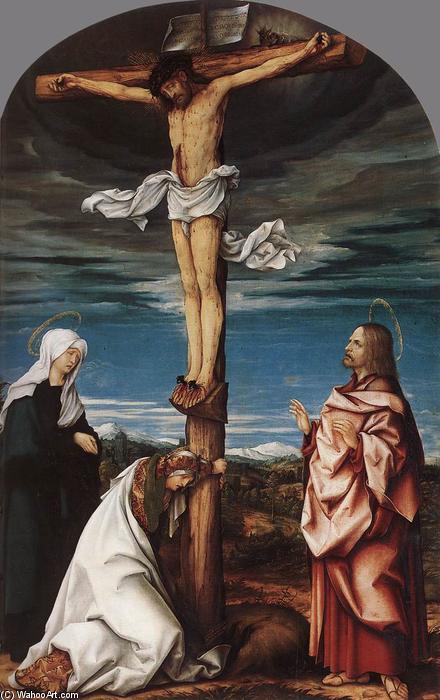
Križanje sa Marijom, Marijom Magdalenom i Svetim Ivanjem Evanđelistom
 Akril na platnu
- Umetnost za zidove
- Early Renaissance
 1519
1519 179.0 x 166.0 cm
 Alte Pinakothek
 Pročitaj više
Kupite digitalnu sliku visoke rezolucije i poboljšanog kvaliteta, koja je znatno superiornija od onoga što vidite u online prikazu.
Svaka datoteka je pedantno pripremljena od strane naših stručnjaka koristeći napredne alate i profesionalnu ručnu retušu. Osiguravamo da svaka slika ima izuzetnu oštrinu, preciznu reprodukciju boja i fine detalje.
Konačna datoteka se dostavlja putem e-pošte u roku od 72 sata, optimizovana za neposrednu upotrebu u profesionalnim, izdavačkim i štamparskim okruženjima. To je isti kvalitet kojem veruju vrhunski studiji dizajna, izdavači i galerije.
Digitalna slika
Preuzmite datoteku visoke rezolucije za ličnu upotrebu, štampanje i kreativne projekte. ( Kupi print Kupi ručno naslikanu sliku)
Uključeno uz svaku porudžbinu digitalne slike
Profesionalna digitalna isporuka, zagarantovana
Kada odaberete ArtsDot.com, ne dobijate samo sliku – vi primate profesionalno unapređeno digitalno umetničko delo, izrađeno sa najvećom preciznošću i uz garanciju zadovoljstva. Evo svega što automatski dolazi uz vašu porudžbinu:

Brza dostava putem e-pošte
Vaša digitalna slika visoke rezolucije biće vam poslata putem e-pošte u roku od 72 sata od poručivanja – spremna za trenutnu upotrebu.

Digitalna datoteka unapređena veštačkom inteligencijom
Vaše umetničko delo je profesionalno optimizovano korišćenjem naprednih AI alata i ručne obrade, čime se osiguravaju maksimalni detalji, oštrina i preciznost boja.

Besplatna ponovna isporuka doživotno
Slučajno ste obrisali ili izgubili svoju datoteku? Ne brinite – poslaćemo vam je ponovo u bilo kom trenutku, potpuno besplatno.

Bez troškova uvoza – zauvek
Uživajte u svojim umetničkim delima trenutno, bez carine, dažbina ili troškova dostave – digitalni download je uvek bez poreza.

Garancija vernosti boja
Uz pomoć profesionalnih alata i upravljanja bojama, osiguravamo da vaša digitalna slika što vernije odražava originalne boje.

Garancija zadovoljstva u roku od 60 dana
Ako niste zadovoljni svojom digitalnom slikom, revidirat ćemo je ili vratiti 100% novca u roku od 60 dana – bez ikakvih pitanja.

100% garancija povrata novca
Niste zadovoljni? Obezbedite pun povrat novca u roku od 60 dana od trenutka kada ste primili svoju digitalnu datoteku – bez suvišnih pitanja.

Popusti na velike porudžbine
Kupite 3 slike, uštedite 10% - Kupite 5 slika, uštedite 15% - Kupite 10+ slika, uštedite 20%. Odlično za kreativne projekte, galerije i agencije.
Crucifix with Mary, Mary Magdalen and St John the Evangelist – A Testament to Faith and Artistic Synthesis
The painting “Crucifix with Mary, Mary Magdalen and St John the Evangelist,” attributed to Hans Burgkmair the Elder (1473-1531), stands as a remarkable embodiment of artistic convergence between late Gothic traditions and the burgeoning Renaissance spirit. Executed in 1519, this monumental artwork transcends mere depiction; it’s an eloquent expression of spiritual contemplation interwoven with masterful craftsmanship.
Burgkmair's formative years were steeped in Strasbourg’s vibrant artistic milieu, where he honed his skills under the tutelage of his father, Thomas Burgkmair – a painter renowned for his devotion to Gothic aesthetics. However, unlike many artists of his time who sought formal training abroad, Burgkmair’s artistic vision was nurtured by the intellectual currents flowing through printed books and images, marking a pivotal moment in disseminating Renaissance ideals across Europe.
- Style: The painting firmly establishes itself within the Early Renaissance style, characterized by a humanist perspective that prioritizes anatomical accuracy and emotional depth. Yet, it retains vestiges of Gothic influence – notably in the stylized drapery folds and the solemn composition—demonstrating Burgkmair’s ability to synthesize disparate artistic traditions.
- Technique: Burgkmair employed oil paint on panel, a technique gaining prominence during this period, allowing for nuanced tonal gradations and luminous colors that imbue the scene with palpable atmosphere. The artist skillfully utilized chiaroscuro – dramatic contrasts between light and dark – to sculpt the figures and heighten their expressive power.
- Historical Context: Created during the High Renaissance’s formative years in Italy, “Crucifix” reflects the humanist preoccupation with human emotion and spiritual contemplation that defined the era. Simultaneously, it speaks to the enduring Christian faith of Northern Europe, where depictions of Christ’s suffering served as powerful symbols of redemption and piety.
The composition itself is meticulously crafted. Jesus dominates the central axis, positioned prominently on the cross, while Mary Magdalene and St John stand attentively beside him. Their gaze directs towards each other, conveying a sense of shared sorrow and profound contemplation. The inclusion of a book in the upper right corner adds another layer of symbolism—representing scripture and highlighting the importance of faith as a guiding force.
More than just a visual representation, “Cruifix with Mary, Mary Magdalen and St John” resonates deeply with viewers due to its masterful execution and evocative portrayal of human emotion. It’s a testament to Burgkmair's artistic genius—his ability to capture the essence of Christian piety within the framework of Renaissance innovation.
Srodna umetnička dela
Biografija umetnika
Hans Burgkmair the Elder: Bridging Renaissance Italy and German Tradition
Born in Augsburg, Germany, around 1473, Hans Burgkmair the Elder emerged as a pivotal figure in the transition between late Gothic and early Renaissance art. His life coincided with a period of intense artistic exchange between Northern Europe and Italy, and he skillfully absorbed the innovations of the Italian Renaissance while retaining a distinctly German sensibility. Unlike many artists who traveled to Italy for formal training, Burgkmair’s influence stemmed from his deep engagement with the ideas circulating through printed books and images – a crucial development in disseminating new artistic trends across Europe. He wasn't merely copying Italian models; he was actively synthesizing them with established Northern European techniques and subject matter.
His early career began as an apprentice to his father, Thomas Burgkmair, a respected painter in Strasbourg. This familial connection provided him with a solid foundation in traditional German painting styles. However, it was his time working under Martin Schongauer in Colmar that truly ignited his artistic development. Schongauer’s mastery of detail and use of oil paint—techniques still relatively novel at the time—profoundly impacted Burgkmair's approach to rendering form and texture. Following Schongauer’s death, Burgkmair continued his training in Augsburg, absorbing further influences from the burgeoning artistic scene.
The Rise of a Master: Woodcuts and Frescoes
Burgkmair quickly established himself as a highly sought-after artist, specializing primarily in woodcut and fresco. His woodcuts, numbering around 700, are particularly significant for their innovative use of chiaroscuro – the dramatic interplay of light and shadow achieved through multiple blocks inked with varying tones. This technique, pioneered by Burgkmair, moved beyond the traditional single-block method and allowed him to create a remarkable sense of depth and volume, mimicking the effects of oil painting. His most celebrated woodcut series is undoubtedly the “Triumphs of Maximilian,” commissioned by Emperor Maximilian I to commemorate his victories and solidify his imperial authority. These prints are not merely decorative; they’re complex allegorical narratives filled with symbolism and meticulously rendered details.
Beyond woodcuts, Burgkmair was a skilled fresco painter. He is credited with decorating the facade of the Fugger residence in Augsburg – a landmark building that exemplifies the early Italian Renaissance style in Germany. Sadly, these frescoes have been lost to history, leaving behind only tantalizing descriptions and fragments of their grandeur. His work on the Munich and Vienna facades offers valuable insights into his fresco technique and stylistic choices.
Influences and Artistic Style
Burgkmair’s artistic style is a fascinating blend of Northern European tradition and Italian Renaissance ideals. He retained the meticulous detail and realism characteristic of German painting, but he also embraced the Italian emphasis on perspective, proportion, and classical motifs. The influence of Giorgione, a Venetian painter known for his atmospheric landscapes and poetic compositions, is particularly evident in Burgkmair’s work. Giorgione's use of muted colors and evocative scenes clearly resonated with Burgkmair, who sought to capture the mood and atmosphere of his subjects rather than simply depicting them realistically.
His son, Hans Burgkmair the Younger, continued his father’s legacy, collaborating on the “Turnierbuch,” a lavish illustrated tournament book. This collaborative effort further cemented the family's reputation as leading artists of their time and demonstrated the transmission of artistic knowledge from one generation to the next.
Legacy and Historical Significance
Hans Burgkmair the Elder’s contribution to art history is immense. He was among the first German artists to genuinely engage with the innovations of the Italian Renaissance, adapting them to his own cultural context and developing a unique artistic style. His pioneering use of chiaroscuro in woodcuts revolutionized printmaking techniques, paving the way for future generations of artists. Furthermore, he played a crucial role in introducing Renaissance ideas to Northern Europe through his prints and frescoes, contributing significantly to the broader dissemination of artistic knowledge during a period of rapid cultural change. He stands as a testament to the dynamic interplay between tradition and innovation that characterized the early Renaissance era.
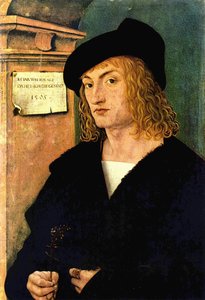
hans burgkmair
1473 - 1531 , Germany
Kratke činjenice
- Artistic Movement Or Style: Italian Renaissance
- Artists Or Movements Influenced By This Artist: ['Hans Burgkmair the Younger']
- Artists Who Influenced This Artist:
- Giovanni Bellini
- Giorgione
- Date Of Birth: 1473
- Date Of Death: c. 1531
- Full Name: Hans Burgkmair the Elder
- Nationality: German
- Notable Artworks:
- Triumphs of Maximilian
- Turnierbuch
- Lovers Surprised by Death
- Place Of Birth: Augsburg, Germany

