

 Pregledaj u prostoru
 Pošalji
 Podeli
 Detalji o delu

 Преузми
 Slični predmeti
 Rendgenski snimak
 Slajdovi
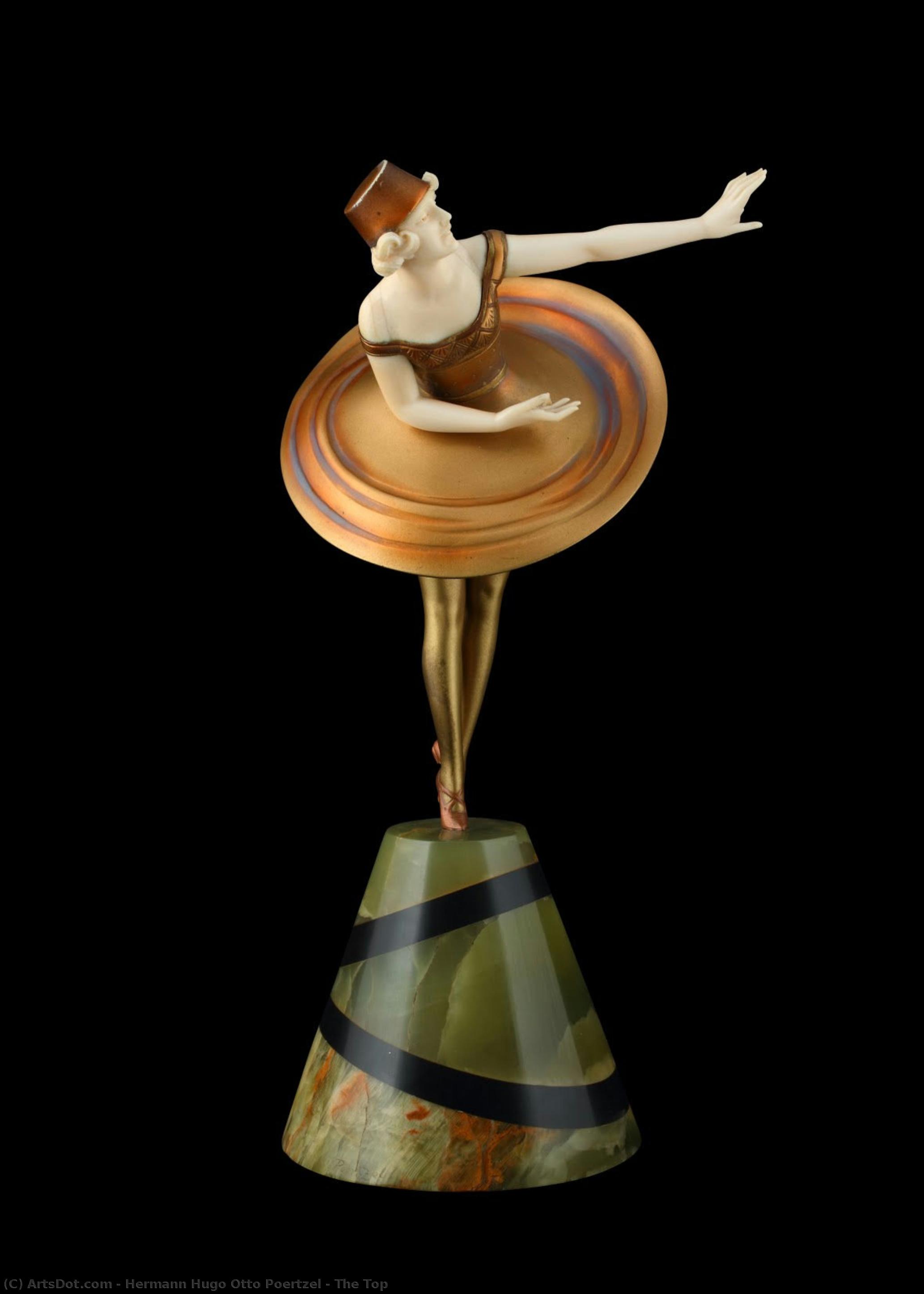
The Top


 Pročitaj više
Ručno rađena uljana reprodukcija
Ručno oslikano uljanim bojama na platnu u dimenzijama i okviru po vašem izboru, izrađeno po porudžbini od strane naših umetnika. ( Kupi print Kupi digitalnu sliku)




































Izaberite jednu od naših unapred definisanih veličina koje odgovaraju originalnim proporcijama umetničkog dela.

Можете унети сопствене димензије како бисте прилагодили дело одређеном оквиру или простору. Ако одабрана величина не одговара пропорцијама оригинала, слика ће бити исечена или проширена додатним елементима који се ручно насликавају. Дигитални prikaz ће вам бити послат на одобрење пре почетка производње.
Имајте на уму да преглед на екрану не одражава стварно исецање или проширење. Само приказ (mockup) ће тачно приказати коначну композицију.
Иако су доступне прилагођене величине, препоручујемо да одаберете димензију из дефинисане листе како бисте сачували оригиналне пропорције.
Nakon narudžbine, tim ArtsDot.com će klijentu putem e-pošte poslati uputstva i dostaviti prikaz predloženog rešenja
Isporuka širom sveta () za 3/4 nedelje umesto uobičajenih 5 nedelja. (6 септембар). Bez kompromisa po pitanju kvaliteta.

Besplatna ekspresna dostava širom sveta

Visokokvalitetno laneno platno

Kompletno osiguranje transporta

Garancija povraćaja carine i uvoznih dažbina

Garancija vernosti boja

Politika povrata u roku od 100 dana (samo u slučaju nedostataka)

Garancija povrata novca od 100%

Popust pri grupnoj kupovini
 Opcija sa staklom dostupna je samo za dimenzije manje od 110 cm

The Top
Tehnika reprodukcije
Dimenzije reprodukcije
-


Konačna cena
$ 263
Srodna umetnička dela

Biografija umetnika
A Sculptor of Grace: The Life and Art of Hermann Hugo Otto Poertzel
Born in the small Thuringian town of Scheibe, Germany, in 1876, Hermann Hugo Otto Poertzel emerged as a significant voice within the burgeoning Art Deco movement. His story is one of early artistic immersion, dedicated craftsmanship, and a distinctive style that captured the spirit of an era—a time defined by both technological advancement and a yearning for elegance and refinement. Poertzel’s initial training wasn't in a grand academy but within the walls of the local porcelain factory, A.W. Fr. Kister. This formative experience proved crucial; it instilled in him not only technical skill – an understanding of form, material, and the delicate balance between precision and artistry – but also a deep appreciation for the beauty inherent in craftsmanship. He began as an apprentice, mastering mold-making before transitioning to studio work where he honed his skills as a porcelain designer, following in the footsteps of his father who was already established at the factory. This early exposure laid the foundation for his later explorations with bronze and ivory, materials that would become synonymous with his signature style.From Porcelain to Bronze: Developing an Artistic Identity
Poertzel’s artistic journey wasn't confined to porcelain. By 1900, he had established himself as an independent sculptor in Coburg, actively seeking commissions from both public and private entities. This period marked a crucial shift towards larger-scale works and the development of his unique aesthetic. He later relocated to Munich, enrolling at the academy and establishing his own studio—a space where he could fully realize his creative vision. It was during this time that Poertzel began to cultivate the style for which he is now celebrated: elongated figures imbued with a sense of dynamic movement and graceful poise. His sculptures weren’t merely representations of form; they were expressions of energy, capturing fleeting moments in dance or the subtle allure of the human figure. The 1920s and 30s saw Poertzel receive prestigious commissions from the noble family of Sachsen-Coburg und Gotha for portrait busts, further solidifying his reputation and providing him with opportunities to refine his technique and explore new avenues within portraiture.Themes of Movement and Modernity
Poertzel’s oeuvre is characterized by a captivating focus on dancers, bathers, and film stars—subjects that embodied the spirit of the Jazz Age and the evolving role of women in society. His sculptures weren't static representations but rather captured the fluidity and dynamism of movement. The elongated forms of his dancers, often crafted from bronze, ivory, or porcelain, seem to defy gravity, conveying a sense of lightness and ethereal beauty. His work reflects a fascination with the human body as a vessel for expression, celebrating its inherent grace and power. The inclusion of film stars in his repertoire speaks to the growing influence of popular culture during this period—a recognition of the new icons that were captivating audiences worldwide. Poertzel’s sculptures weren't simply beautiful objects; they were reflections of a changing world, capturing the energy and excitement of modernity.Recognition and Lasting Legacy
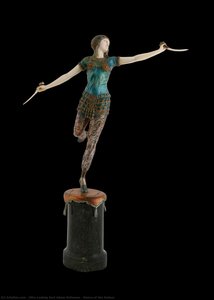
Otto Poertzel exhibited his work at numerous international exhibitions and fairs throughout his career, gaining recognition for his distinctive style and technical mastery. His sculptures found their way into private collections and public spaces, establishing him as a prominent figure within the Art Deco landscape. Today, his work is represented in prestigious institutions such as the Art Deco Museum in Moscow, Russia, with ‘The Top’ serving as a prime example of his artistic achievement.- His sculptures continue to be highly sought after by collectors worldwide.
- Poertzel's influence can be seen in the work of subsequent sculptors who embraced Art Deco aesthetics.
- He remains an important figure in understanding the evolution of sculpture during the early 20th century.
hermann hugo otto poertzel
1876 - 1963 , Germany
Osnovne informacije
- Artistic Movement Or Style: Art Deco, Naturalism
- Date Of Birth: 1876
- Date Of Death: 1963
- Full Name: Hermann Hugo Otto Poertzel
- Nationality: German
- Notable Artworks:
- The Top
- The Snake Charmer
- Place Of Birth: Saabye, Germany
Povezani članci

Bronze Age to Modern Masters: 10 Sculptures That Redefined Art | ArtsDot
Journey through art history with 10 legendary bronze sculptures – from Michelangelo's David to Rodin’s Thinker. Explore the stories, techniques & timeless beauty of these masterpieces. Find museum-quality reproductions & elevate your home decor on ArtsDot.com.

Bronze Sculptures That Defined Art History | ArtsDot
Journey through art history with our Top 10 bronze sculptures! Explore masterpieces by Rodin, Michelangelo & more. Discover stories behind iconic statues and find museum-quality reproductions for your home decor at ArtsDot.com.

The Enduring Legacy of Bronze: A Historical & Artistic Exploration for the Collector
Explore the rich history & enduring appeal of bronze sculpture with expert insights for collectors at ArtsDot. Learn about casting techniques, iconic artists, collecting tips & contemporary interpretations.

The Enduring Legacy of Bronze: History, Technique & Artistic Expression for the Collector
Explore the rich history & enduring appeal of bronze sculpture with expert insights for collectors at ArtsDot. Learn about casting techniques, iconic artists, and collecting tips.

The Enduring Legacy of Bronze Sculpture: A Collector's Guide to Form & Cultural Significance
Explore the rich history & enduring appeal of bronze sculpture with expert insights for collectors at ArtsDot. Learn about casting techniques, iconic artists, and collecting tips to build a discerning art collection.