

 Pregledaj u prostoru
 Pošalji
 Podeli
 Detalji o delu

 Преузми
 Slični predmeti
 Rendgenski snimak
 Slajdovi
 Statistika
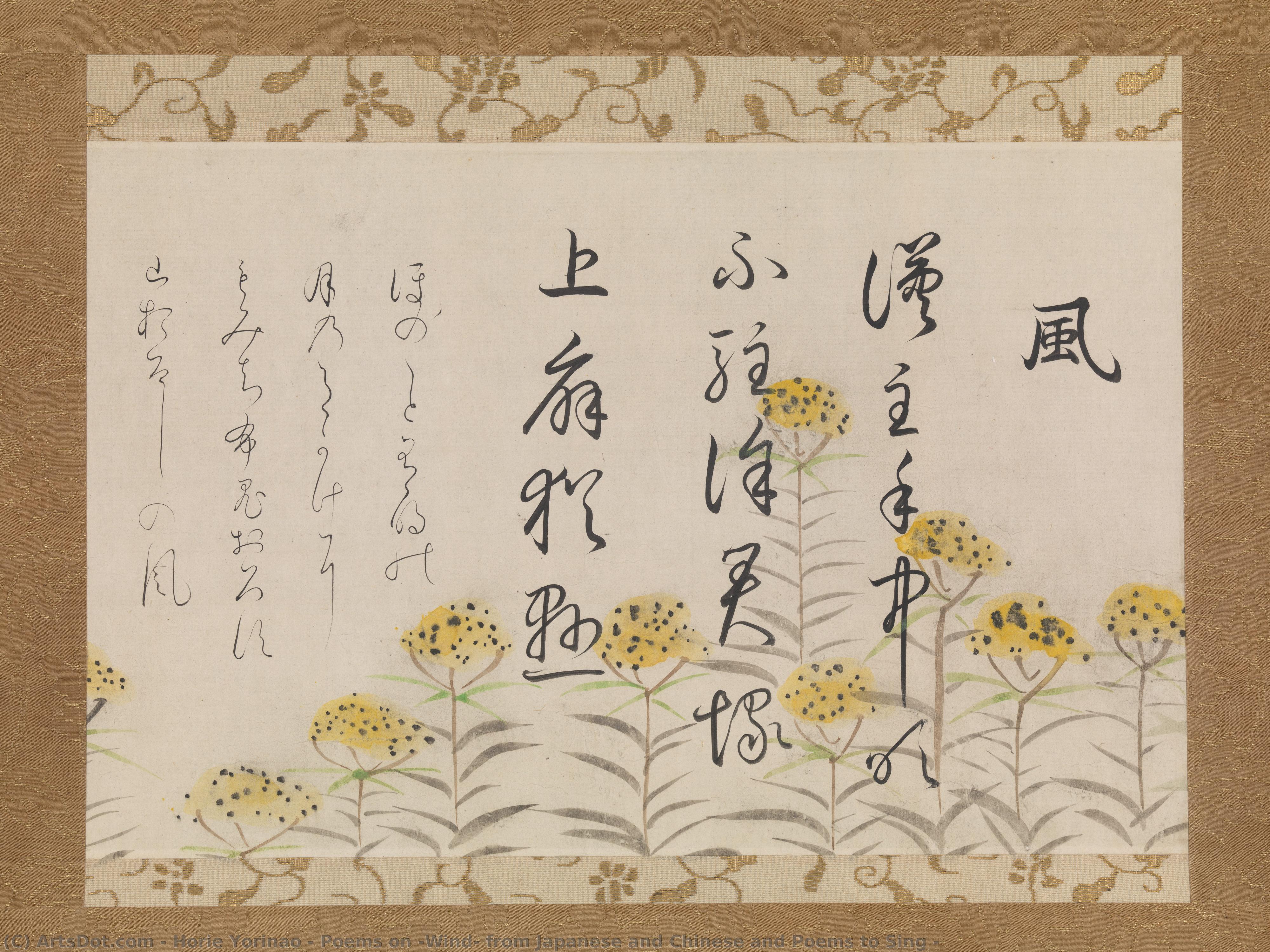
Poems on “Wind” from Japanese and Chinese and Poems to Sing
 1670
1670 27.0 x 42.0 cm
 Pročitaj više
Ručno rađena uljana reprodukcija
Ručno oslikano uljanim bojama na platnu u dimenzijama i okviru po vašem izboru, izrađeno po porudžbini od strane naših umetnika. ( Pređi na štampu Pređi na digitalnu sliku)




































Izaberite jednu od naših unapred definisanih veličina koje odgovaraju originalnim proporcijama umetničkog dela.

Можете унети сопствене димензије како бисте прилагодили дело одређеном оквиру или простору. Ако одабрана величина не одговара пропорцијама оригинала, слика ће бити исечена или проширена додатним елементима који се ручно насликавају. Дигитални prikaz ће вам бити послат на одобрење пре почетка производње.
Имајте на уму да преглед на екрану не одражава стварно исецање или проширење. Само приказ (mockup) ће тачно приказати коначну композицију.
Иако су доступне прилагођене величине, препоручујемо да одаберете димензију из дефинисане листе како бисте сачували оригиналне пропорције.
Nakon narudžbine, tim ArtsDot.com će klijentu putem e-pošte poslati uputstva i dostaviti prikaz predloženog rešenja
Isporuka širom sveta () za 3/4 nedelje umesto uobičajenih 5 nedelja. (13 септембар). Bez kompromisa po pitanju kvaliteta.

Besplatna ekspresna dostava širom sveta

Visokokvalitetno laneno platno

Kompletno osiguranje transporta

Garancija povraćaja carine i uvoznih dažbina

Garancija vernosti boja

Politika povraćaja u roku od 100 dana (isključivo u slučaju nedostataka)

Garancija povrata novca od 100%

Popust pri grupnoj kupovini
 Opcija sa staklom dostupna je samo za dimenzije manje od 110 cm

Poems on “Wind” from Japanese and Chinese and Poems to Sing
Tehnika reprodukcije
Dimenzije reprodukcije
-


Konačna cena
$ 263
Srodna umetnička dela









Biografija umetnika
early life and career
horie yorinao (tōgen), a renowned japanese artist, was born in 1637 in edo, japan. he is best known for his exquisite book illustrations and mastery of the ukiyo-e style. horie's work is characterized by its delicate and refined manner, making him a prominent figure in japanese art.artistic contributions
horie yorinao's works are highly regarded for their beauty and elegance. he was particularly skilled in depicting landscapes and figures, which can be seen in his various book illustrations. his contributions to the ukiyo-e tradition have been widely recognized, making him a celebrated artist in japan.notable works
* horie yorinao's book illustrations are a testament to his skill and artistry. * his landscapes and figures are depicted with precision and delicacy, showcasing his mastery of the ukiyo-e style.influence and legacy
* horie yorinao's work has been influential in the development of japanese art, particularly in the ukiyo-e tradition. * his book illustrations have been widely recognized, making him a prominent figure in japanese art history.comparison to other artists
* ando hiroshige, another renowned ukiyo-e artist, is known for his landscape series, such as the fifty-three stations of the tōkaidō. * katsushika hokusai gained fame for his iconic print, the great wave off kanagawa.museums and collections
* the metropolitan museum of art in new york city features a collection of ukiyo-e prints, including works by horie yorinao. * the art institute of chicago also has an extensive collection of japanese art, including ukiyo-e prints. discover the beauty of horie yorinao's ukiyo-e art and explore the world of japanese art on ArtsDot.com.
horie yorinao (tōgen)
1637 - 1689 , Japan
Osnovne informacije
- Artistic Movement Or Style: Baroque, Dutch Golden Age
- Artists Or Movements Influenced By This Artist:
- Jacques-Louis David
- Jean-Auguste-Dominique Ingres
- Artists Who Influenced This Artist:
- Nicolas Poussin
- Jan van der Heyden
- Date Of Birth: July 15, 1606
- Date Of Death: October 4, 1669
- Full Name: Rembrandt Harmenszoon van Rijn
- Nationality: Dutch
- Notable Artworks:
- The Night Watch
- Belshazzar’s Feast
- The Return of the Prodigal Son
- Place Of Birth: Leiden, Netherlands