

 Pregledaj u prostoru
 Pošalji
 Podeli
 Detalji o delu

 Преузми
 Slični predmeti
 Rendgenski snimak
 Slajdovi
 Statistika
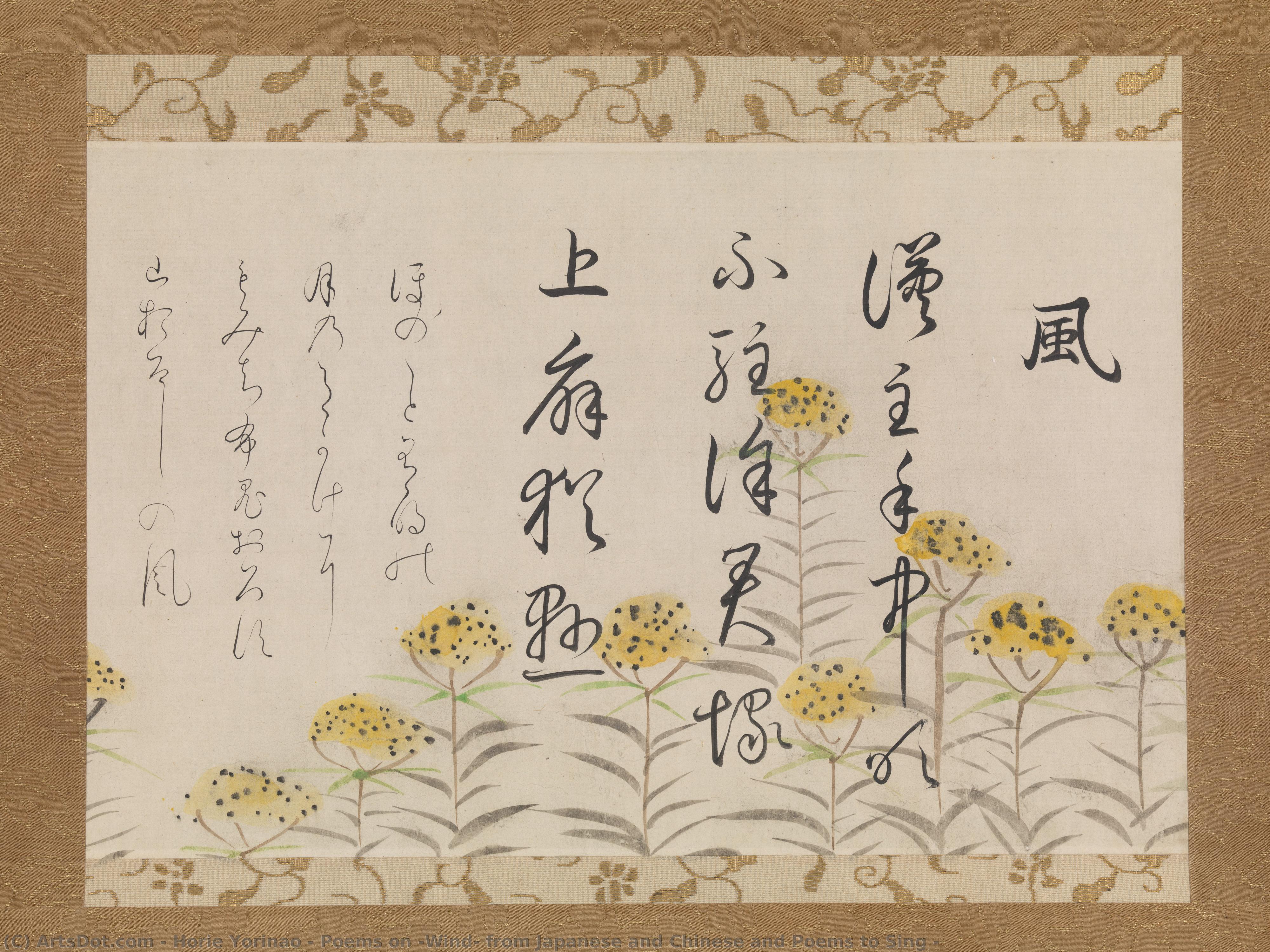
Poems on “Wind” from Japanese and Chinese and Poems to Sing
 1670
1670 27.0 x 42.0 cm
 Pročitaj više
Kupite digitalnu sliku visoke rezolucije i poboljšanog kvaliteta, koja je znatno superiornija od onoga što vidite u online prikazu.
Svaka datoteka je pedantno pripremljena od strane naših stručnjaka koristeći napredne alate i profesionalnu ručnu retušu. Osiguravamo da svaka slika ima izuzetnu oštrinu, preciznu reprodukciju boja i fine detalje.
Konačna datoteka se dostavlja putem e-pošte u roku od 72 sata, optimizovana za neposrednu upotrebu u profesionalnim, izdavačkim i štamparskim okruženjima. To je isti kvalitet kojem veruju vrhunski studiji dizajna, izdavači i galerije.
Digitalna slika
Preuzmite datoteku visoke rezolucije za ličnu upotrebu, štampanje i kreativne projekte. ( Pređi na štampu Kupi ručno naslikanu sliku)
Uključeno uz svaku porudžbinu digitalne slike
Profesionalna digitalna isporuka, zagarantovana
Kada odaberete ArtsDot.com, ne dobijate samo sliku – vi primate profesionalno unapređeno digitalno umetničko delo, izrađeno sa najvećom preciznošću i uz garanciju zadovoljstva. Evo svega što automatski dolazi uz vašu porudžbinu:

Brza dostava putem e-pošte
Vaša digitalna slika visoke rezolucije biće vam poslata putem e-pošte u roku od 72 sata od poručivanja – spremna za trenutnu upotrebu.

Digitalna datoteka unapređena veštačkom inteligencijom
Vaše umetničko delo je profesionalno optimizovano korišćenjem naprednih AI alata i ručne obrade, čime se osiguravaju maksimalni detalji, oštrina i preciznost boja.

Besplatna ponovna isporuka doživotno
Slučajno ste obrisali ili izgubili svoju datoteku? Ne brinite – poslaćemo vam je ponovo u bilo kom trenutku, potpuno besplatno.

Bez troškova uvoza – zauvek
Uživajte u svojim umetničkim delima trenutno, bez carine, dažbina ili troškova dostave – digitalni download je uvek bez poreza.

Garancija vernosti boja
Uz pomoć profesionalnih alata i upravljanja bojama, osiguravamo da vaša digitalna slika što vernije odražava originalne boje.

Garancija zadovoljstva od 100 dana
Ako niste zadovoljni svojom digitalnom slikom, izvršićemo reviziju ili ćemo vam vratiti 100% novca u roku od 100 dana – bez ikakvih pitanja.

100% garancija povrata novca
Niste zadovoljni? Dobijte puni povraćaj novca u roku od 100 dana od prijema digitalne datoteke – bez suvišnih pitanja.

Popusti na velike porudžbine
Kupite 3 slike, uštedite 10% - Kupite 5 slika, uštedite 15% - Kupite 10+ slika, uštedite 20%. Odlično za kreativne projekte, galerije i agencije.
Srodna umetnička dela









Biografija umetnika
early life and career
horie yorinao (tōgen), a renowned japanese artist, was born in 1637 in edo, japan. he is best known for his exquisite book illustrations and mastery of the ukiyo-e style. horie's work is characterized by its delicate and refined manner, making him a prominent figure in japanese art.artistic contributions
horie yorinao's works are highly regarded for their beauty and elegance. he was particularly skilled in depicting landscapes and figures, which can be seen in his various book illustrations. his contributions to the ukiyo-e tradition have been widely recognized, making him a celebrated artist in japan.notable works
* horie yorinao's book illustrations are a testament to his skill and artistry. * his landscapes and figures are depicted with precision and delicacy, showcasing his mastery of the ukiyo-e style.influence and legacy
* horie yorinao's work has been influential in the development of japanese art, particularly in the ukiyo-e tradition. * his book illustrations have been widely recognized, making him a prominent figure in japanese art history.comparison to other artists
* ando hiroshige, another renowned ukiyo-e artist, is known for his landscape series, such as the fifty-three stations of the tōkaidō. * katsushika hokusai gained fame for his iconic print, the great wave off kanagawa.museums and collections
* the metropolitan museum of art in new york city features a collection of ukiyo-e prints, including works by horie yorinao. * the art institute of chicago also has an extensive collection of japanese art, including ukiyo-e prints. discover the beauty of horie yorinao's ukiyo-e art and explore the world of japanese art on ArtsDot.com.
horie yorinao (tōgen)
1637 - 1689 , Japan
Kratke činjenice
- Artistic Movement Or Style: Baroque, Dutch Golden Age
- Artists Or Movements Influenced By This Artist:
- Jacques-Louis David
- Jean-Auguste-Dominique Ingres
- Artists Who Influenced This Artist:
- Nicolas Poussin
- Jan van der Heyden
- Date Of Birth: July 15, 1606
- Date Of Death: October 4, 1669
- Full Name: Rembrandt Harmenszoon van Rijn
- Nationality: Dutch
- Notable Artworks:
- The Night Watch
- Belshazzar’s Feast
- The Return of the Prodigal Son
- Place Of Birth: Leiden, Netherlands