 Pregledaj u prostoru
 Pošalji
 Podeli
 Detalji o delu

 Преузми
 Slični predmeti
 Rendgenski snimak
 Slajdovi
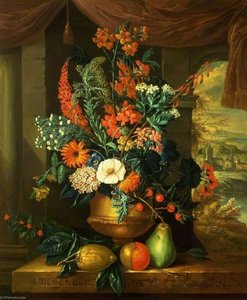
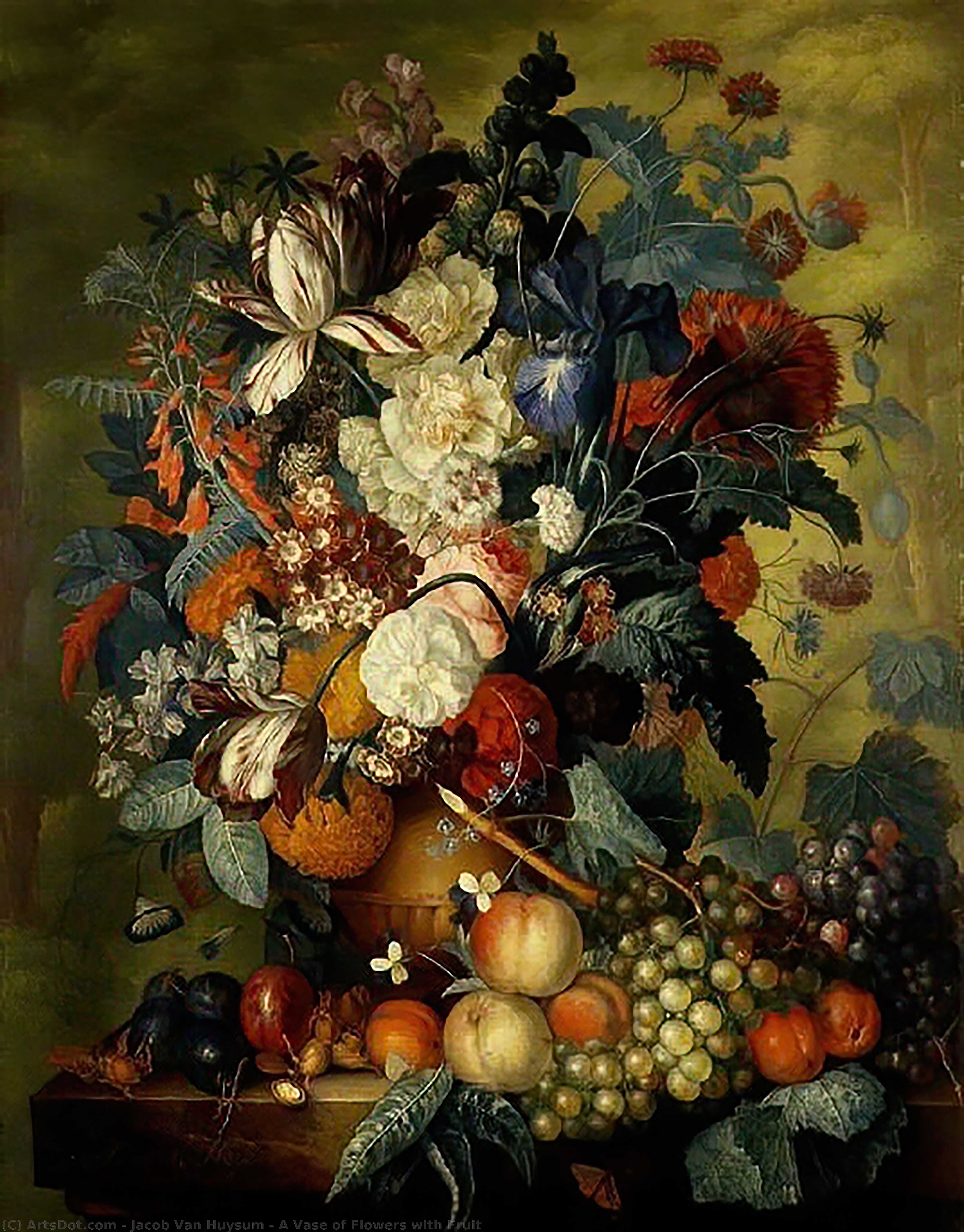
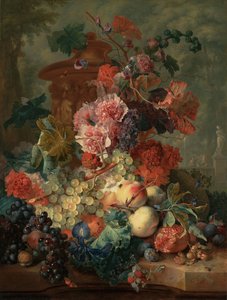
A Vase of Flowers with Fruit
 Oil On Canvas
- WallArt
- Baroque
 Early Modern
 89.0 x 71.0 cm
 Fitzwilliam College
 Pročitaj više
Giclee štampa / Umetnički otisak
Giclée štampa ili print na platnu muzejskog kvaliteta uz brzu proizvodnju i fleksibilne opcije završne obrade. ( Kupi ručno naslikanu sliku Kupi digitalnu sliku)




P118B $10

P118H $10

P118W $10

P438Z $10

P508JH $12

P508YH $12

P805H $10

P805Z $10

P919BZ $10

P919G $10

P919XJ $10

P959ZH $10

P968JZ $12

W106C $8

W218G $10

W218JH $8

W218Y $10

W307PJ $10

W316G $10

W316PJ $8

W316Y $10

W398PJ $8

W4111J $10

W500HY $15

W500JH $15

W692G $12

W849H $8

W940BG $15

W953PJ $8




Izaberite jednu od naših unapred definisanih veličina koje odgovaraju originalnim proporcijama umetničkog dela.

Možete uneti sopstvene dimenzije kako biste umetničko delo prilagodili specifičnom okviru ili prostoru. Ako odabrani format ne odgovara proporcijama originalne slike, mi ćemo ili iscrtati deo dela ili proširiti sliku pomoću ogledane ivice ili jednobojnog popunjavanja. Digitalni prikaz će vam biti poslat na odobrenje pre početka proizvodnje.
Imajte na umu da pregled na ekranu ne odražava stvarno iscrtavanje ili proširivanje. Samo će prikaz (mockup) precizno pokazati finalnu kompoziciju.
Iako su prilagođene dimenzije dostupne, preporučujemo da odaberete dimenziju sa unapred definisane liste kako biste očuvali originalne proporcije.
Dostava širom sveta () za 2 nedelje umesto uobičajenih 4/5 nedelja. (23 август)

Besplatna ekspresna dostava širom sveta

Visokokvalitetno laneno platno

Kompletno osiguranje transporta

Garancija povraćaja carine i uvoznih dažbina

Garancija vernosti boja

Politika povrata u roku od 60 dana (samo u slučaju nedostataka)

Garancija povrata novca od 100%

Popust pri grupnoj kupovini
 Opcija sa staklom dostupna je samo za dimenzije manje od 110 cm

A Vase of Flowers with Fruit
Giclee štampa / Umetnički otisak
Dimenzije reprodukcije
-


Konačna cena
$ 62
Opis predmeta
A Symphony of Nature: The Luminous World of Jacob van Huysum
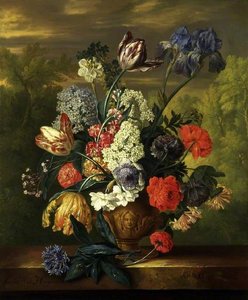
In the grand tradition of the Dutch Golden Age, few works possess the breathtaking vitality found in Jacob van Huysum’s A Vase of Flowers with Fruit. This exquisite oil on canvas is not merely a depiction of botanical specimens; it is a carefully orchestrated performance of light, color, and life. As the eye wanders across the 89 x 71 cm surface, one is immediately struck by the sheer abundance of the arrangement. A sculpted vase serves as the anchor for a cascading overflow of nature’s finest offerings, where the deep, succulent tones of ripe apples and oranges mingle with the delicate, translucent petals of carnations and daisies. The composition breathes with an organic energy, pulling the viewer into a moment of eternal spring that feels both incredibly intimate and grandly theatrical.
The technical mastery displayed in this piece is nothing short of extraordinary. Van Huysum, often celebrated as one of the premier flower painters of his era, utilizes a technique that allows light to seem as though it is emanating from within the petals themselves. Through meticulous brushwork, he captures the subtle textures of fruit skins—the slight matte finish of an apple versus the dimpled zest of an orange—and the fragile, paper-thin quality of a wilting leaf. This precision serves a higher purpose than mere imitation; it creates a sensory experience where one can almost smell the sweet fragrance of the blooms and feel the cool moisture of the dew. For the discerning collector or interior designer, such a painting offers a profound sense of luxury and organic elegance, making it a transformative centerpiece for any sophisticated space.
Beyond its surface beauty, the painting is rich with the subtle symbolism characteristic of 18th-century still life. The inclusion of a solitary butterfly, resting delicately on the left side of the composition, introduces a poignant layer of meaning. In the language of art history, the butterfly often serves as a memento mori—a gentle reminder of the fleeting nature of life and the transient beauty of the world. While the fruits and flowers represent peak vitality and abundance, the butterfly’s presence suggests the inevitable passage of time. This tension between the eternal and the ephemeral imbues the work with an emotional depth that transcends simple decoration, inviting contemplative thought. It is this balance of exuberant life and quiet reflection that makes Van Huysum's masterpiece a timeless treasure, capable of inspiring awe and providing a soulful connection to the natural world.
Srodna umetnička dela




Biografija umetnika
The Painter of Flowers: The Life and Legacy of Jacob van Huysum
In the grand tapestry of the Dutch Golden Age, few threads shine with as much delicate brilliance as the botanical works of Jacob van Huysim. A master of the ephemeral, he possessed an uncanny ability to freeze the fleeting vitality of a blossom within the permanence of oil on canvas. Born around 1688 in Amsterdam, Jacob was not merely an artist but a scion of a profound artistic dynasty. He descended from a lineage deeply rooted in the Leiden tradition, receiving his formative training under the watchful eye of his father, Justus van Huysum. This early immersion in the meticulous study of nature provided him with more than just technical skill; it instilled a scientific reverence for the natural world that would define his entire professional trajectory.
While his brother, Jan van Huysum, would also achieve immense fame, Jacob carved out a distinctive niche by blending the decorative elegance of still life with the rigorous precision of scientific illustration. His development was marked by an extraordinary command over texture and light, allowing him to render the velvety petal of a rose or the translucent dewdrop on a leaf with startling realism. This mastery was not confined to the borders of the Netherlands. Around 1721, Jacob’s journey took him to London, where his talent caught the attention of the British elite. Under the patronage of influential figures such as Sir Robert Walpole and Mr. Lockyear, he contributed to the opulent decorative schemes of legendary estates like Houghton Hall, bringing a touch of Dutch botanical splendor to the heart of English aristocracy.
A Monumental Contribution to Botanical Science
Beyond the singular beauty of his standalone canvases, Jacob van Huysum’s most enduring historical significance lies in his role as a bridge between art and science. He was a pivotal figure in shaping the visual language used to document the natural world during an era of global exploration. This is most vibrantly realized in his monumental collaboration with John Martyn on the Historia Plantarum Rariorum. This ambitious undertaking, supported by the artistry of Elisha Kirkall, produced fifty meticulously engraved plates that captured exotic flora from distant lands, including the Cape of Good Hope, North America, and Mexico.
Through this work, Jacob’s art transcended mere decoration to become a vital tool for botanical discovery. His ability to translate the complex structures of rare plants into accessible, breathtaking imagery helped fuel the scientific curiosity of the 18th century. The following elements characterize his most celebrated contributions:
- Scientific Precision: An unwavering commitment to anatomical accuracy in every stem, stamen, and leaf.
- Global Perspective: The introduction of exotic, non-European species into the European artistic consciousness.
- Technical Innovation: A sophisticated use of light and shadow that gave three-dimensional life to two-dimensional engravings.
The Eternal Bloom: Artistic Mastery and Enduring Influence
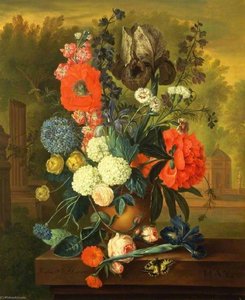
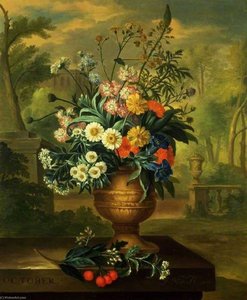
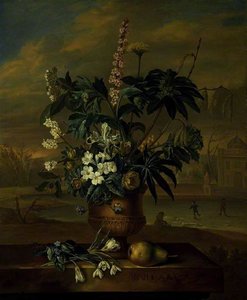
The works of Jacob van Huysum, such as his evocative Twelve Months of Flowers series, continue to captivate audiences with their rhythmic composition and vibrant palettes. Whether depicting the crisp chill of a January frost or the sun-drenched abundance of May, his paintings evoke a sense of seasonal continuity and the inexorable cycle of life. His technique—characterized by fine brushwork and an almost microscopic attention to detail—ensured that each piece functioned as both a feast for the eyes and a record of biological wonder.
Though he passed away in 1740, leaving behind a legacy intertwined with his father and brother, Jacob van Huysum remains a singular figure. He did not merely paint flowers; he celebrated the very essence of life itself. His ability to marry the aesthetic demands of the Baroque period with the burgeoning empirical spirit of the Enlightenment ensures that his work remains a cornerstone of botanical art history, inviting every viewer to pause and admire the intricate, fleeting miracles of the natural world.
Jacob van Huysum
1687 - 1740
Osnovne informacije
- Artistic Movement Or Style: Botanical painting
- Artists Or Movements Influenced By This Artist: ['William Houstoun']
- Artists Who Influenced This Artist:
- Jan van Huysum
- Georg Dionysius Ehret
- Date Of Birth: 1687
- Date Of Death: 1740
- Full Name: Jacob van Huysum
- Nationality: Dutch
- Notable Artworks:
- Virga aurea
- Abrikozen en pruimen
- Place Of Birth: Amsterdam, Netherlands
Povezani članci

Zlatno doba Holandske umetnosti: Top 10 remek dela za vaš dom
Otkrijte remek dela Holandskog zlatnog doba! Uronite u svet Rembrandta, Vermeera i drugih majstora. 10 ikoničnih slika koje su definisale umetnost. Inspiracija za vaš dom i kolekciju - ekskluzivne reprodukcije na ArtsDot.com!

Rembrandt van Rijn: 25 Majstorstava Svetla i Senke za Vaš Dom | ArtsDot
Uronite u svet Rembrandta van Rijna! Otkrijte 25 najlepših dela holandskog majstora – portrete, istorijske scene i biblijska platna. Kvalitetne reprodukcije slika za dekoraciju enterijera dostupne na ArtsDot.com.
Abraham Hendricksz van Beyeren: Pioneering Dutch Still Life & the Banquet Tradition
Explore the captivating world of Dutch Golden Age still life with Abraham van Beyeren. Discover his innovative techniques, symbolic banquet scenes & lasting influence on art history. Learn about collecting these masterpieces.

Golden Age Reflections: Dutch Baroque Painting & Cultural Innovation
Explore the Dutch Golden Age of painting! Discover key artists like Vermeer & ter Borch, their innovative techniques, and the rich cultural context behind these Baroque masterpieces. Learn about collecting & appreciating this iconic art period.
Jan Jansz Wijnants: A Study in Dutch Golden Age Still Life & Floral Transience
Explore the captivating world of Jan Wijnants and Dutch Golden Age still life painting. Discover symbolism, masterful techniques & lasting influence on floral art history. Learn more!