 Pregledaj u prostoru
 Pošalji
 Podeli
 Detalji o delu

 Преузми
 Slični predmeti
 Rendgenski snimak
 Slajdovi
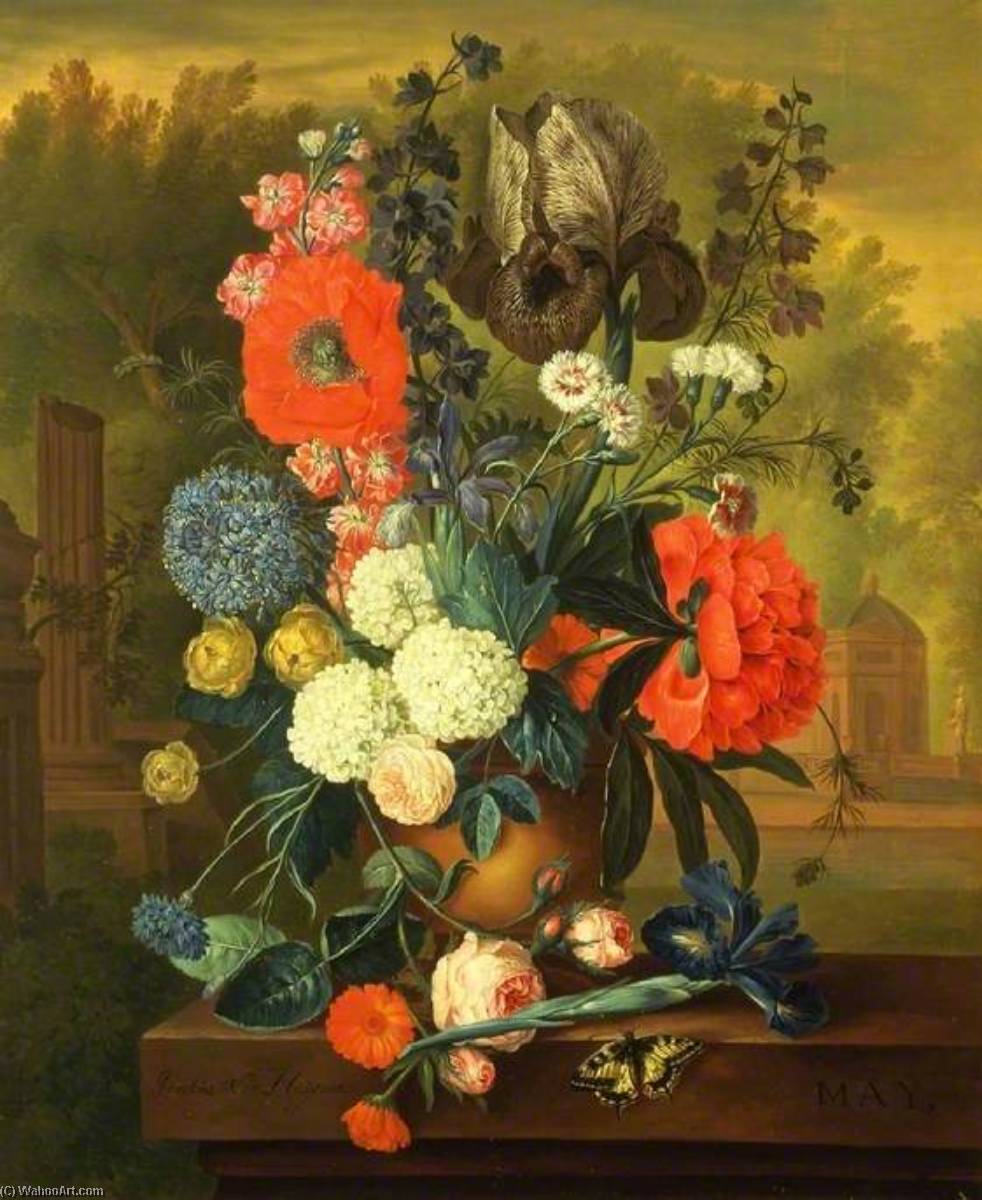
Двенадцать месяцев цветов: Май


 Pročitaj više
Giclee štampa / Umetnički otisak
Giclée štampa ili print na platnu muzejskog kvaliteta uz brzu proizvodnju i fleksibilne opcije završne obrade. ( Kupi ručno naslikanu sliku Kupi digitalnu sliku)




P118B $10

P118H $10

P118W $10

P438Z $10

P508JH $12

P508YH $12

P805H $10

P805Z $10

P919BZ $10

P919G $10

P919XJ $10

P959ZH $10

P968JZ $12

W106C $8

W218G $10

W218JH $8

W218Y $10

W307PJ $10

W316G $10

W316PJ $8

W316Y $10

W398PJ $8

W4111J $10

W500HY $15

W500JH $15

W692G $12

W849H $8

W940BG $15

W953PJ $8




Izaberite jednu od naših unapred definisanih veličina koje odgovaraju originalnim proporcijama umetničkog dela.

Možete uneti sopstvene dimenzije kako biste umetničko delo prilagodili specifičnom okviru ili prostoru. Ako odabrani format ne odgovara proporcijama originalne slike, mi ćemo ili iscrtati deo dela ili proširiti sliku pomoću ogledane ivice ili jednobojnog popunjavanja. Digitalni prikaz će vam biti poslat na odobrenje pre početka proizvodnje.
Imajte na umu da pregled na ekranu ne odražava stvarno iscrtavanje ili proširivanje. Samo će prikaz (mockup) precizno pokazati finalnu kompoziciju.
Iako su prilagođene dimenzije dostupne, preporučujemo da odaberete dimenziju sa unapred definisane liste kako biste očuvali originalne proporcije.
Dostava širom sveta () za 2 nedelje umesto uobičajenih 4/5 nedelja. (24 август)

Besplatna ekspresna dostava širom sveta

Visokokvalitetno laneno platno

Kompletno osiguranje transporta

Garancija povraćaja carine i uvoznih dažbina

Garancija vernosti boja

Politika povrata u roku od 60 dana (samo u slučaju nedostataka)

Garancija povrata novca od 100%

Popust pri grupnoj kupovini
 Opcija sa staklom dostupna je samo za dimenzije manje od 110 cm

Двенадцать месяцев цветов: Май
Giclee štampa / Umetnički otisak
Dimenzije reprodukcije
-


Konačna cena
$ 62
Opis predmeta
A Symphony of Blooms: Exploring Jacob van Huysum’s “Twelve Months of Flowers May”
Jacob van Huysum's "Twelve Months of Flowers May" transcends mere botanical depiction; it embodies the spirit of Dutch Golden Age artistry and stands as a testament to meticulous observation and artistic mastery. Executed around 1730, this stunning still life captures a bouquet of flowers—roses, lilies, and verdant foliage—presented with an unparalleled level of realism that captivated audiences during its time and continues to inspire admiration today. The painting resides within the esteemed collection of The Fitzwilliam Museum in Cambridge, England, offering visitors a glimpse into the artistic sensibilities of the era.The Artist’s Legacy: Familial Influence and Artistic Innovation
Jacob van Huysum's renown stems not only from his exceptional skill but also from his lineage—he was the son of Justus van Huysum, himself a celebrated flower painter who established a tradition of botanical illustration that would endure for generations. This familial connection instilled in Jacob a profound understanding of artistic technique and fostered an unwavering dedication to capturing the beauty of nature with breathtaking accuracy. Like his father, he honed his craft through diligent study and experimentation, developing a distinctive style characterized by luminous colors and painstakingly detailed renderings—a hallmark of Leiden’s artistic heritage.Technical Brilliance: Observation and Rendering Detail
Huysum's technique exemplifies the precision demanded by scientific illustration while simultaneously elevating it to an art form. He employed oil paints on canvas with remarkable patience, meticulously layering glazes to achieve subtle tonal variations that faithfully reproduce the textures of petals, leaves, and stems. The artist’s masterful use of chiaroscuro—the interplay of light and shadow—further enhances the painting's dramatic effect, emphasizing the contours of the flowers and creating a sense of depth that draws the viewer into the scene. This dedication to detail reflects the broader artistic ethos of the period, where artists sought to represent the natural world with uncompromising fidelity.Symbolism Within Beauty: Representing Springtime Perfection
Beyond its technical prowess, “Twelve Months of Flowers May” carries symbolic weight, reflecting the prevailing aesthetic ideals of 18th-century Holland. The bouquet itself symbolizes springtime—a time of renewal and fertility—and embodies the humanist fascination with observing and documenting the natural world. Roses, lilies, and other flowers were frequently employed in still life paintings to convey notions of purity, grace, and divine beauty—themes central to Dutch Baroque art’s exploration of moral virtue and spiritual contemplation.Emotional Resonance: Capturing Transient Beauty
Ultimately, Huysum's masterpiece succeeds in conveying an emotional resonance that transcends its formal elements. The painting invites contemplation on the fleeting nature of beauty—a concept deeply ingrained in Western artistic tradition—and encourages viewers to appreciate the exquisite details of a single moment in time. Like Pieter Casteels III, another Flemish painter who excelled at capturing vibrant floral compositions and bird scenes, Huysum’s work speaks to an enduring desire to preserve and celebrate the splendor of the natural world. Its luminous colors and meticulous rendering continue to captivate audiences today, cementing its place as a cornerstone of Dutch Golden Age art history.Srodna umetnička dela



Biografija umetnika
The Painter of Flowers: The Life and Legacy of Jacob van Huysum
In the grand tapestry of the Dutch Golden Age, few threads shine with as much delicate brilliance as the botanical works of Jacob van Huysim. A master of the ephemeral, he possessed an uncanny ability to freeze the fleeting vitality of a blossom within the permanence of oil on canvas. Born around 1688 in Amsterdam, Jacob was not merely an artist but a scion of a profound artistic dynasty. He descended from a lineage deeply rooted in the Leiden tradition, receiving his formative training under the watchful eye of his father, Justus van Huysum. This early immersion in the meticulous study of nature provided him with more than just technical skill; it instilled a scientific reverence for the natural world that would define his entire professional trajectory.
While his brother, Jan van Huysum, would also achieve immense fame, Jacob carved out a distinctive niche by blending the decorative elegance of still life with the rigorous precision of scientific illustration. His development was marked by an extraordinary command over texture and light, allowing him to render the velvety petal of a rose or the translucent dewdrop on a leaf with startling realism. This mastery was not confined to the borders of the Netherlands. Around 1721, Jacob’s journey took him to London, where his talent caught the attention of the British elite. Under the patronage of influential figures such as Sir Robert Walpole and Mr. Lockyear, he contributed to the opulent decorative schemes of legendary estates like Houghton Hall, bringing a touch of Dutch botanical splendor to the heart of English aristocracy.
A Monumental Contribution to Botanical Science
Beyond the singular beauty of his standalone canvases, Jacob van Huysum’s most enduring historical significance lies in his role as a bridge between art and science. He was a pivotal figure in shaping the visual language used to document the natural world during an era of global exploration. This is most vibrantly realized in his monumental collaboration with John Martyn on the Historia Plantarum Rariorum. This ambitious undertaking, supported by the artistry of Elisha Kirkall, produced fifty meticulously engraved plates that captured exotic flora from distant lands, including the Cape of Good Hope, North America, and Mexico.
Through this work, Jacob’s art transcended mere decoration to become a vital tool for botanical discovery. His ability to translate the complex structures of rare plants into accessible, breathtaking imagery helped fuel the scientific curiosity of the 18th century. The following elements characterize his most celebrated contributions:
- Scientific Precision: An unwavering commitment to anatomical accuracy in every stem, stamen, and leaf.
- Global Perspective: The introduction of exotic, non-European species into the European artistic consciousness.
- Technical Innovation: A sophisticated use of light and shadow that gave three-dimensional life to two-dimensional engravings.
The Eternal Bloom: Artistic Mastery and Enduring Influence
The works of Jacob van Huysum, such as his evocative Twelve Months of Flowers series, continue to captivate audiences with their rhythmic composition and vibrant palettes. Whether depicting the crisp chill of a January frost or the sun-drenched abundance of May, his paintings evoke a sense of seasonal continuity and the inexorable cycle of life. His technique—characterized by fine brushwork and an almost microscopic attention to detail—ensured that each piece functioned as both a feast for the eyes and a record of biological wonder.
Though he passed away in 1740, leaving behind a legacy intertwined with his father and brother, Jacob van Huysum remains a singular figure. He did not merely paint flowers; he celebrated the very essence of life itself. His ability to marry the aesthetic demands of the Baroque period with the burgeoning empirical spirit of the Enlightenment ensures that his work remains a cornerstone of botanical art history, inviting every viewer to pause and admire the intricate, fleeting miracles of the natural world.
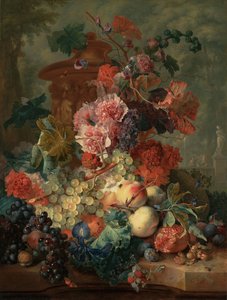
Jacob van Huysum
1687 - 1740
Osnovne informacije
- Artistic Movement Or Style: Botanical painting
- Artists Or Movements Influenced By This Artist: ['William Houstoun']
- Artists Who Influenced This Artist:
- Jan van Huysum
- Georg Dionysius Ehret
- Date Of Birth: 1687
- Date Of Death: 1740
- Full Name: Jacob van Huysum
- Nationality: Dutch
- Notable Artworks:
- Virga aurea
- Abrikozen en pruimen
- Place Of Birth: Amsterdam, Netherlands
Povezani članci

Zlatno doba Holandske umetnosti: Top 10 remek dela za vaš dom
Otkrijte remek dela Holandskog zlatnog doba! Uronite u svet Rembrandta, Vermeera i drugih majstora. 10 ikoničnih slika koje su definisale umetnost. Inspiracija za vaš dom i kolekciju - ekskluzivne reprodukcije na ArtsDot.com!
Jan Jansz Wijnants: A Study in Dutch Golden Age Still Life & Floral Transience
Explore the captivating world of Jan Wijnants and Dutch Golden Age still life painting. Discover symbolism, masterful techniques & lasting influence on floral art history. Learn more!

Golden Age Reflections: Dutch Baroque Painting & Cultural Innovation
Explore the Dutch Golden Age of painting! Discover key artists like Vermeer & ter Borch, their innovative techniques, and the rich cultural context behind these Baroque masterpieces. Learn about collecting & appreciating this iconic art period.

Illuminating Innovation: Exploring the Dutch Golden Age of Painting
Explore the Dutch Golden Age of painting with ArtsDot. Discover Rembrandt, Vermeer & other Masters. Learn about key characteristics, iconic artworks, and lasting influence. Expert insights for collectors & enthusiasts.
Abraham Hendricksz van Beyeren: Pioneering Dutch Still Life & the Banquet Tradition
Explore the captivating world of Dutch Golden Age still life with Abraham van Beyeren. Discover his innovative techniques, symbolic banquet scenes & lasting influence on art history. Learn about collecting these masterpieces.