 Pregledaj u prostoru
 Pošalji
 Podeli
 Detalji o delu

 Преузми
 Slični predmeti
 Rendgenski snimak
 Slajdovi
 Statistika
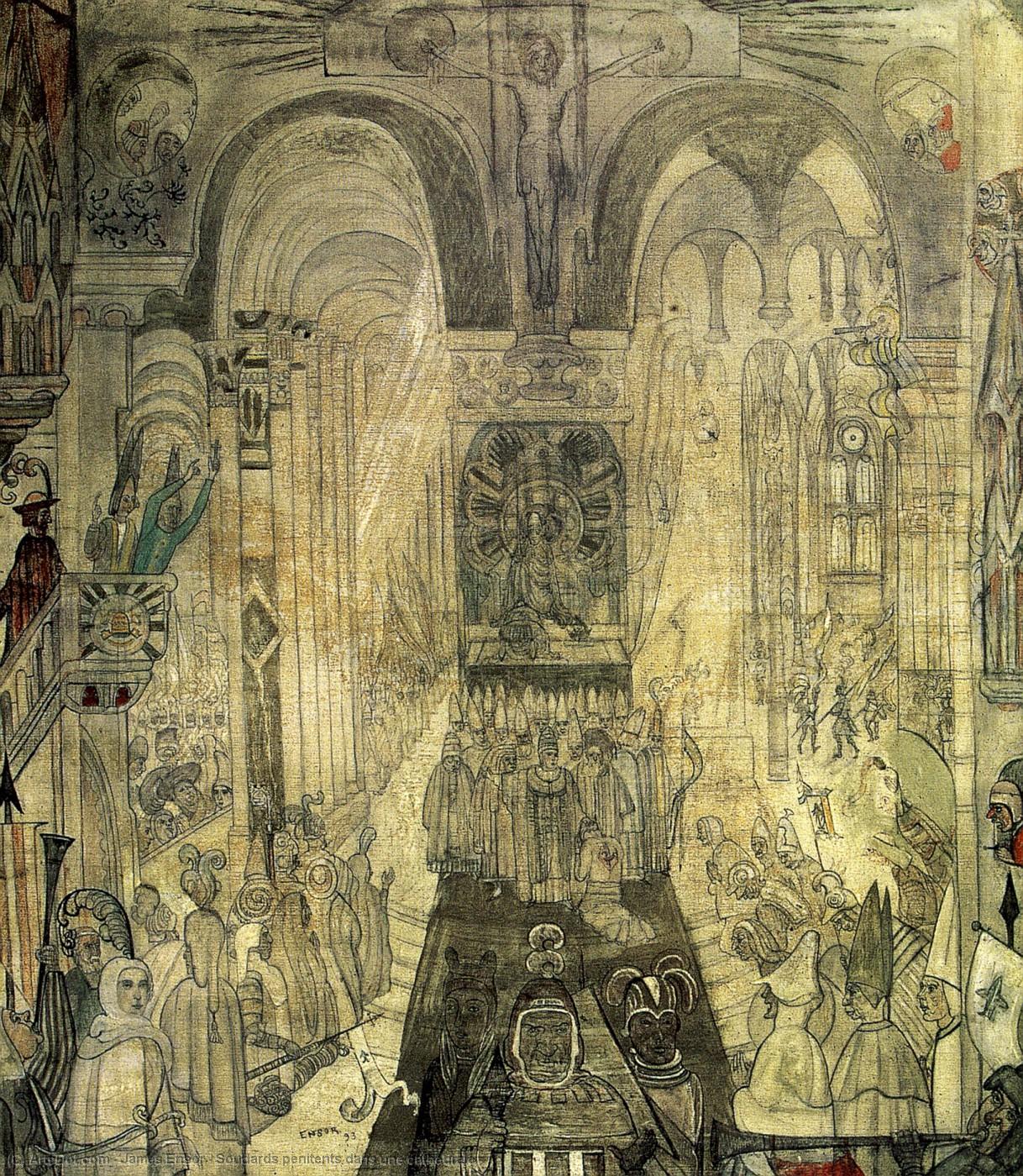
Soudards penitents dans une cathedrale


 Pročitaj više
Giclee štampa / Umetnički otisak
Giclée štampa ili print na platnu muzejskog kvaliteta uz brzu proizvodnju i fleksibilne opcije završne obrade. ( Kupi ručno naslikanu sliku Pređi na digitalnu sliku)




P118B $10

P118H $10

P118W $10

P438Z $10

P508JH $12

P508YH $12

P805H $10

P805Z $10

P919BZ $10

P919G $10

P919XJ $10

P959ZH $10

P968JZ $12

W106C $8

W218G $10

W218JH $8

W218Y $10

W307PJ $10

W316G $10

W316PJ $8

W316Y $10

W398PJ $8

W4111J $10

W500HY $15

W500JH $15

W692G $12

W849H $8

W940BG $15

W953PJ $8




Izaberite jednu od naših unapred definisanih veličina koje odgovaraju originalnim proporcijama umetničkog dela.

Možete uneti sopstvene dimenzije kako biste umetničko delo prilagodili specifičnom okviru ili prostoru. Ako odabrani format ne odgovara proporcijama originalne slike, mi ćemo ili iscrtati deo dela ili proširiti sliku pomoću ogledane ivice ili jednobojnog popunjavanja. Digitalni prikaz će vam biti poslat na odobrenje pre početka proizvodnje.
Imajte na umu da pregled na ekranu ne odražava stvarno iscrtavanje ili proširivanje. Samo će prikaz (mockup) precizno pokazati finalnu kompoziciju.
Iako su prilagođene dimenzije dostupne, preporučujemo da odaberete dimenziju sa unapred definisane liste kako biste očuvali originalne proporcije.
Dostava širom sveta () za 2 nedelje umesto uobičajenih 4/5 nedelja. (10 септембар)

Besplatna ekspresna dostava širom sveta

Visokokvalitetno laneno platno

Kompletno osiguranje transporta

Garancija povraćaja carine i uvoznih dažbina

Garancija vernosti boja

Politika povraćaja u roku od 100 dana (isključivo u slučaju nedostataka)

Garancija povrata novca od 100%

Popust pri grupnoj kupovini
 Opcija sa staklom dostupna je samo za dimenzije manje od 110 cm

Soudards penitents dans une cathedrale
Giclee štampa / Umetnički otisak
Dimenzije reprodukcije
-


Konačna cena
$ 62
A Haunting Reflection on Faith and Mortality
James Ensor's "Soudards penitents dans une cathedrale," completed in 1893, stands as a cornerstone of Symbolist art and a chilling portrayal of spiritual disillusionment. Executed in oil on canvas, this monumental work transcends mere depiction; it is an immersive experience into Ensor’s unsettling vision of the human condition confronting existential anxieties. The painting captures a solemn procession within a cathedral interior—a scene rife with visual metaphors that delve deep into themes of guilt, repentance, and the inescapable shadow of death. As one gazes upon the somber figures moving through the vast, hallowed space, there is an immediate sense of being transported into a psychological landscape where the boundaries between the physical world and the spiritual realm begin to blur.
The atmosphere of the piece is defined by its profound Symbolist aesthetics. Born in Ostend, Belgium, Ensor’s artistic journey was marked by an uncompromising rejection of academic conventions. Influenced profoundly by Nietzsche’s philosophy and the Wagnerian opera Parsifal, Ensor embraced Symbolism as his expressive medium to convey psychological states rather than fleeting moments of beauty. This is evident in the painting's palette, where predominantly somber browns and blacks dominate, creating an atmosphere of oppressive gloom that mirrors the spiritual desolation depicted within the cathedral walls. The artist’s meticulous attention to detail—particularly in rendering the faces of the penitents—highlights his fascination with capturing inner turmoil and conveying unspoken emotions through distorted, haunting forms.
Masterful Technique and Compositional Depth
Ensor's masterful technique contributes significantly to the painting’s visceral impact. He employs a thick impasto brushstroke, layering paint onto the canvas to build up textural surfaces that convey both solidity and vulnerability. This tactile quality underscores the solemnity of the scene and emphasizes the physicality of remorse. The composition is deliberately unsettling; figures are scattered throughout the cathedral, some clustered in tight, anxious groups while others drift toward the edges of the frame, creating a sense of rhythmic but disjointed movement. An ornate clock on one wall and various religious texts scattered through the scene serve as memento mori, reminding the viewer of the relentless passage of time and the weight of tradition.
For the discerning collector or interior designer, this artwork offers more than just visual grandeur; it provides a profound emotional anchor for a space. The painting’s ability to command attention through its dramatic chiaroscuro and heavy textures makes it an ideal centerpiece for a room designed for contemplation and intellectual depth. Whether placed in a private study or a sophisticated gallery setting, a high-quality reproduction of this masterpiece brings with it the weight of history and the evocative power of Ensor's unique, shadow-drenched vision. It is a piece that does not merely decorate a wall but invites a dialogue between the viewer and the eternal mysteries of the human soul.
Srodna umetnička dela
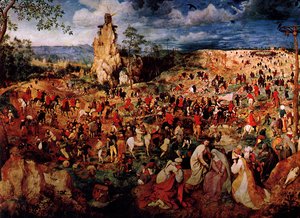

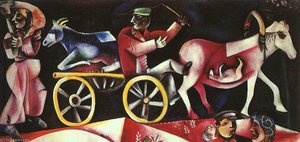
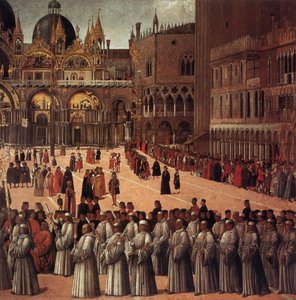
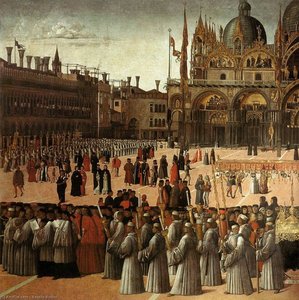
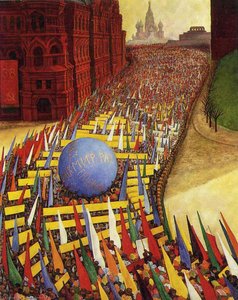


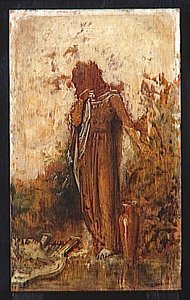
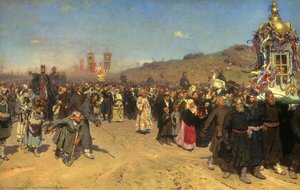
Biografija umetnika
James Ensor: A Pioneer of Expressionism and Surrealism
James Sidney Edouard, Baron Ensor (Ostend, 13 April 1860 – 19 November 1949) was a Belgian painter and printmaker who stands as one of the most influential figures in the development of Expressionism and Surrealism. Born into an English father and Belgian mother amidst the vibrant atmosphere of Ostend’s seaside resort town, Ensor’s upbringing instilled within him a profound fascination with observation and detail—a foundation upon which he would construct his distinctive artistic vision.
Early Influences and Artistic Training
From a young age, Ensor demonstrated an exceptional talent for drawing and painting. Encouraged by his parents' operation of a souvenir shop brimming with curiosities and carnival masks – a veritable cabinet of wonders that ignited his imagination – he pursued formal artistic training at the Académie Royale des Beaux-Arts in Brussels. Despite encountering resistance from the rigid academic conventions of the time, Ensor quickly recognized the necessity of forging his own path, prioritizing experimentation and personal expression above all else.
The Emergence of Grotesque Vision
Around 1886–87, Ensor embarked on a transformative artistic journey, rejecting Impressionistic ideals in favor of a bold embrace of grotesque imagery. Influenced by Rembrandt’s masterful use of chiaroscuro, the unsettling visions of Francisco Goya, and the evocative symbolism of Japanese woodcuts, he developed a highly personal iconography characterized by jarring juxtapositions of color and form.
Major Works and Recurring Themes
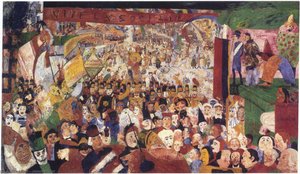
Ensor's oeuvre is marked by an unparalleled exploration of psychological complexity and social critique. Paintings like *The Oyster-eater* (1882) exemplify his meticulous attention to detail and his ability to convey profound emotional resonance, while *Christ’s Entry into Brussels* (1888–89), arguably his magnum opus, remains a monumental satire of religious hypocrisy—a painting initially met with vehement disapproval but now universally recognized as a cornerstone of Expressionist art.
Legacy and Influence
James Ensor's uncompromising artistic vision profoundly impacted subsequent generations of artists. His rejection of academic formalism, coupled with his fearless confrontation of taboo subjects and his masterful manipulation of visual language—particularly the use of bold brushstrokes and vibrant hues—established him as a pivotal figure in the genesis of Expressionism and Surrealism. Today, Ensor’s work continues to inspire awe and provoke contemplation, serving as a timeless reminder that art possesses the capacity to unsettle conventions and illuminate the darkest recesses of human consciousness.
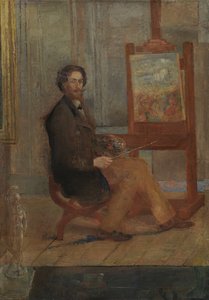
Јемас Енсор
1860 - 1949 , Бележија
Osnovne informacije
- Artistic Movement Or Style: Expressionism, Surrealism
- Artists Who Influenced This Artist:
- Bruegel the Elder
- Francisco Goya
- Whistler
- Date Of Birth: April 13, 1860
- Date Of Death: November 19, 1949
- Full Name: James Sidney Edouard Ensor
- Nationality: Belgian
- Notable Artworks:
- The Scandalized Masks
- Skeletons Fighting...
- Christ's Entry into Brussels
- Place Of Birth: Ostend, Belgium
Povezani članci

Trajnu Ostavština Uljanih Boja na Platnu: Tehnika, Istorija i Savremena Praksa
Istražite bogatu istoriju i savremene tehnike uljanog slikarstva. Saveti stručnjaka, analiza radova velikih majstora i vodiči za biranje kvalitetnih materijala. Otkrijte tajne očuvanja umetničkih dela!

Oil on Canvas: A Historical & Technical Exploration of a Timeless Artistic Medium
Explore the rich history & enduring techniques of oil painting on canvas. Discover the science behind its longevity, conservation practices, and contemporary relevance. Expert insights for art enthusiasts.

The Enduring Legacy of Oil on Canvas: Technique, History & Aesthetic Impact
Explore the rich history & techniques of oil painting – from Renaissance masters to Impressionism. Discover pigments, layering methods, and why this timeless medium endures. Expert insights for artists & art enthusiasts.
The Temporal Dimensions of Artistic Creation: A Detailed Examination of the Oil Painting Process from Commission to Completion
Explore the intricate oil painting process from commission to completion. Discover historical techniques, material selection & expert insights for appreciating—and investing in—fine art reproductions and custom paintings.

The Enduring Power of Painting: A Historical & Contemporary Exploration of Form and Emotion
Explore the rich history & enduring techniques of oil painting with ArtsDot. Discover masterpieces, learn about art collecting, and find authentic handmade reproductions crafted by skilled artists.