

 Pregledaj u prostoru
 Pošalji
 Podeli
 Detalji o delu

 Преузми
 Slični predmeti
 Rendgenski snimak
 Slajdovi
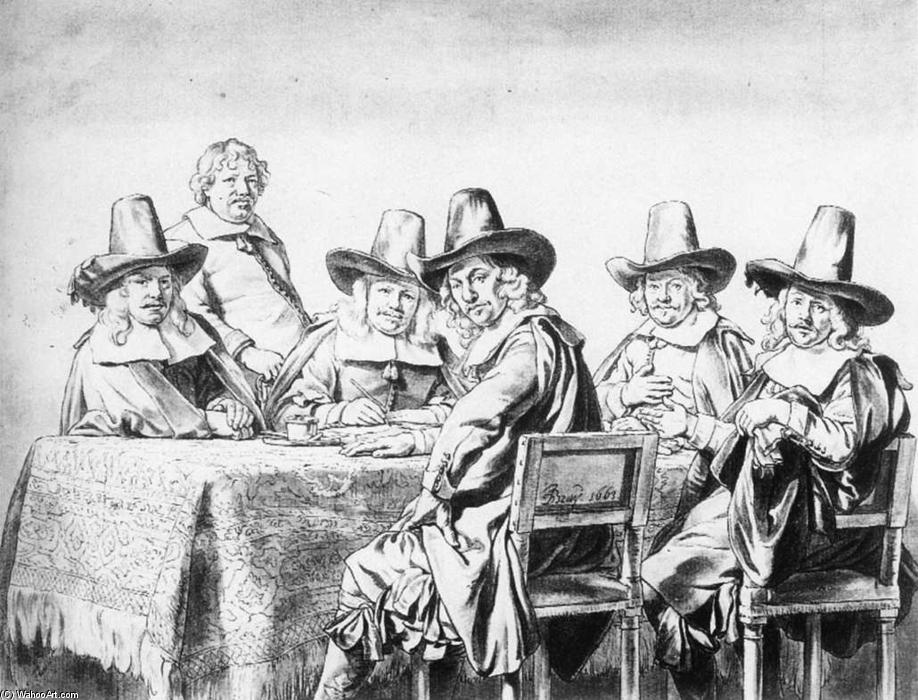
The Regents of the Children's Orphanage in Haarlem
 Oil On Canvas
- WallArt
- Dutch Golden Age
 1663
1663 229.0 x 302.0 cm
 Britanski muzej
 Pročitaj više
Ručno rađena uljana reprodukcija
Ručno oslikano uljanim bojama na platnu u dimenzijama i okviru po vašem izboru, izrađeno po porudžbini od strane naših umetnika. ( Kupi print Kupi digitalnu sliku)




P118B $10

P118H $10

P118W $10

P438Z $10

P508JH $12

P508YH $12

P805H $10

P805Z $10

P919BZ $10

P919G $10

P919XJ $10

P959ZH $10

P968JZ $12

W106C $8

W218G $10

W218JH $8

W218Y $10

W307PJ $10

W316G $10

W316PJ $8

W316Y $10

W398PJ $8

W4111J $10

W500HY $15

W500JH $15

W692G $12

W849H $8

W940BG $15

W953PJ $8




Izaberite jednu od naših unapred definisanih veličina koje odgovaraju originalnim proporcijama umetničkog dela.

Можете унети сопствене димензије како бисте прилагодили дело одређеном оквиру или простору. Ако одабрана величина не одговара пропорцијама оригинала, слика ће бити исечена или проширена додатним елементима који се ручно насликавају. Дигитални prikaz ће вам бити послат на одобрење пре почетка производње.
Имајте на уму да преглед на екрану не одражава стварно исецање или проширење. Само приказ (mockup) ће тачно приказати коначну композицију.
Иако су доступне прилагођене величине, препоручујемо да одаберете димензију из дефинисане листе како бисте сачували оригиналне пропорције.
Nakon narudžbine, tim ArtsDot.com će klijentu putem e-pošte poslati uputstva i dostaviti prikaz predloženog rešenja
Isporuka širom sveta () za 3/4 nedelje umesto uobičajenih 5 nedelja. (2 септембар). Bez kompromisa po pitanju kvaliteta.

Besplatna ekspresna dostava širom sveta

Visokokvalitetno laneno platno

Kompletno osiguranje transporta

Garancija povraćaja carine i uvoznih dažbina

Garancija vernosti boja

Politika povrata u roku od 60 dana (samo u slučaju nedostataka)

Garancija povrata novca od 100%

Popust pri grupnoj kupovini
 Opcija sa staklom dostupna je samo za dimenzije manje od 110 cm

The Regents of the Children's Orphanage in Haarlem
Tehnika reprodukcije
Dimenzije reprodukcije
-


Konačna cena
$ 388
A Window into 17th Century Haarlem: Jan de Bray's Portrait of Civic Duty
Jan de Bray’s “The Regents of the Children’s Orphanage in Haarlem,” painted in 1663, isn’t merely a group portrait; it’s a meticulously crafted tableau vivant – a snapshot of civic responsibility and the quiet dignity of governance within the bustling heart of the Dutch Golden Age. More than three centuries after its creation, this oil on canvas painting continues to exert a powerful pull, inviting us into a carefully constructed scene that speaks volumes about wealth, status, and the role of leadership in 17th-century Haarlem. The work immediately establishes a formal atmosphere, dominated by the imposing presence of the table – a rectangular expanse of patterned cloth, meticulously rendered, which serves as the focal point for the assembled figures. The composition is strikingly symmetrical, reflecting a desire for order and control, qualities highly valued in the Dutch Republic’s burgeoning mercantile society.
De Bray's skill lies not just in his technical proficiency – the subtle gradations of light and shadow, the precise rendering of textures from velvet robes to polished leather – but also in his ability to imbue each figure with a distinct personality. The regents themselves, distinguished by their elaborate attire and carefully positioned gestures, are presented as men of considerable influence and authority. Their faces, rendered with remarkable realism, betray a mixture of seriousness, contemplation, and perhaps even a touch of weariness – the weight of responsibility evident in their expressions. The inclusion of a young boy, likely an orphan under their care, adds a poignant layer to the scene, subtly reminding us of the human cost behind the formal proceedings.
The Context of Civic Leadership in Haarlem
To fully appreciate “The Regents,” it’s crucial to understand the social and political landscape of Haarlem during the mid-17th century. Haarlem was a thriving center of trade, art, and commerce, enjoying a period of remarkable prosperity following the Dutch Revolt against Spanish rule. The city's regents – men appointed to oversee the affairs of the orphanage – represented a vital link between the wealthy merchant class and the vulnerable children under their care. Their role extended beyond mere administration; they were expected to embody civic virtue, demonstrating generosity, wisdom, and a commitment to the well-being of the community. The painting, therefore, serves as a visual testament to this ideal, celebrating the men who upheld these values.
The choice of Jan de Bray himself as the artist is significant. He was deeply rooted in Haarlem’s artistic tradition, influenced by his father, Salomon de Bray, a renowned sculptor and painter, and drawing inspiration from masters like Frans Hals and Bartholomeus van der Helst. De Bray's style – characterized by its meticulous detail, realistic portrayal of human figures, and skillful use of light and shadow – perfectly suited the commission’s demands. His ability to capture not just outward appearances but also subtle nuances of character made him an ideal choice for immortalizing these influential figures.
Symbolism and Artistic Technique
Beyond its straightforward depiction of a formal meeting, “The Regents” is rich in symbolic detail. The table itself, with its elaborate cloth, represents the foundation upon which the orphanage’s operations are built – a symbol of stability and order. The positioning of the figures around it suggests a deliberative process, a careful consideration of matters affecting the children's welfare. The use of dark, rich colors—deep browns, blues, and reds—creates a sense of gravitas and importance, while the carefully controlled lighting emphasizes the faces of the regents, drawing our attention to their expressions and gestures. De Bray’s masterful brushwork reveals an intimate understanding of texture and form, particularly evident in the rendering of the clothing – the heavy velvet robes, the crisp collars, and the intricate details of the hats.
The painting's composition is a carefully orchestrated balance between formality and intimacy. The figures are arranged in a way that invites the viewer to step into the scene, as if witnessing this important meeting firsthand. De Bray’s use of perspective—the subtle diminution of figures in the background—creates a sense of depth and realism, while the overlapping elements contribute to the overall dynamism of the composition. It's a testament to his skill that he manages to convey both the seriousness of the occasion and the quiet dignity of the individuals involved.
A Legacy of Dutch Realism
“The Regents of the Children’s Orphanage in Haarlem” stands as a quintessential example of Dutch Golden Age realism. It reflects the era's fascination with capturing the world around them with unparalleled accuracy and detail, while also exploring profound themes of human nature and civic responsibility. The painting’s enduring appeal lies not only in its technical brilliance but also in its ability to transport us back in time, offering a glimpse into the lives and values of 17th-century Haarlem. Reproductions of this remarkable work continue to captivate audiences today, serving as a powerful reminder of the artistic legacy of the Dutch Golden Age.
Srodna umetnička dela


Biografija umetnika
Jan Siberechts: Premošćivanje jaza između Flandrije i Engleske
Jan Siberechts, rođen u Antverpenu oko 1627. godine i preminuo u Engleskoj oko 1700. godine, predstavlja fascinantan spoj umetničkih uticaja – svedočanstvo dinamične razmene između Nemačke i Britanije tokom kasnog 17. veka. Njegova priča nije priča o pojedinačnom inovatorstvu, već o veštoj sintezi flamanske tradicije pejzaža sa evoluirajućim ukusima engleskih aristokratskih pokrovitelja. Siberechtsova karijera odvijala se u pozadini značajnih političkih i religijskih promena; stigao je u Englesku kao katolik usred perioda sve većih tenzija između protestantizma i katolicizma, što je dodalo još jedan sloj njegovom umetničkom putovanju.- Rano detinjstvo i obuka: Siberechtsov otac bio je vajar, pružajući mu rano izlaganje vizuelnim umetnostima. Formalnu obuku stekao je u esnafu Svetog Luke u Antverpenu, što je bio ključni korak ka uspostavlom statusa profesionalnog umetnika. Ovakva osnova u njemu je utisnula duboko razumevanje klasične kompozicije i umetničke tehnike.
- Italijanski uticaj: Njegova početna dela otkrivaju jasan dug italijanskom pejzažnom slikarstvu – stilskom trendu koji je bio prisutan širom Evrope u tom periodu. Ovi rani komadi pokazuju njegovo proučavanje idealizovanih pejzaža koje su favorizirali umetnici poput Tizijana i Kanaleeta, prikazujući pedantnu pažnju posvećenu detaljima i atmosferskoj perspektivi.
- Flamanski koreni u Engleskoj: Siberechtov stil je postepeno evoluirao tokom boravka u Engleskoj, upijajući uticaje lokalnog pejzaža i prilagođavajući se specifičnim zahtevima njegove engleske klijentele. Razvio je prepoznatljiv pristup koji je spajao flamanske kompozicione tehnike sa prikazima britanske ruralne sredine – posebno regije Peak District.
Oko pokrovitelja: Pejzaži za seoske vile
Najznačajniji doprinos Siberechtsova leži u njegovoj ulozi pejzažnog slikara za bogate engleske landedere. Bio je angažovan da kreira prizore prestižnih seoskih rezidencija, uključujući Longleat, Chevely, Chatsworth i Wollaton – gde svaka slika nudi uvid u veličinu i način života elite. Ovi porudžbine nisu bile samo vežba topografske tačnosti; bile su to pažljivo izrađene reprezentacije dizajnirane da unaprede prestiž i status njihovih pokrovitelja. Siberechts je vešto koristio atmosfersku perspektivu, stvarajući osećaj dubine i udaljenosti koji je naglašavao veličinu i lepotu ovih imanja.- Peak District: Postao je posebno poznat po svojim prikazima suroviih pejzaža regije Peak District, hvatajući njene dramatične litice, talasaste brda i vijugave reke sa izuzetnom preciznošću.
- Kraljevske veze: Siberechtovo delo steklo je naklonost na dvoru Džordža Vilijersa, drugog duketa od Bukinama, koji je prethodno divio nekim od njegovih slika u Antverpenu. Ova veza otvorila je vrata za daljnje porudžbine od uticajnih ličnosti.
- Ogledalo statusa: Pejzaži koje je slikao nisu bili samo prikazi prirode; oni su bili pažljivo konstruisane izjave o bogatstvu, moći i aprecijaciji prirode – što su sve vitalni elementi unutar društvenog tkiva Engleske 17. veka.
Iza samog prizora: Siberechtove umetničke tehnike
Iako se često klasifikuje kao pejzažni slikar, Siberechtovo delo pokazuje sofisticirano razumevanje umetničkih principa koji prevazilaze samu reprezentaciju. Bio je posebno vešt u hvatanju svetlosti i senke, stvarajući osećaj realizma i atmosfere koji su njegove slike izdvojili od drugih. Njegova pedantna pažnja posvećena detaljima—očigledna u prikazivanju lišća, stena i vode—otkriva duboko poštovanje prema prirodnom svetu.-
ica
- Majstorstvo kompozicije: Siberechtove kompozicije karakteriše uravnotežena upotreba prostora, boje i forme, što odražava njegovu obuku u tradiciji flamanskog pejzaža.
- Upotreba boje: Vešto je koristio prigušenu paletu—dominiranu zemljanim tonovima—kako bi stvorio osećaj realizma i atmosferske dubine.
- Tehnike perspektive: Njegovo majstorstvo u perspektivi posebno je evidentno u prikazima udaljenih pejzaža, gde je koristio atmosfersku maglu kako bi sugerisao dubinu i daljinu.
Nasleđe i istorijski kontekst
Delo Jana Siberechtsa zauzima jedinstveno mesto u istoriji britanskog pejzažnog slikarstva. On predstavlja jedan od najranijih primera topografskih prikaza kreiranih u Engleskoj, postavljajući temelje za buduće generacije umetnika koji će istraživati raznolike pejzaže ove zemlje. Njegove slike nude dragocene uvide u društveni i kulturni život Engleske 17. veka, odražavajući ukuse i težnje njenih bogatih vlasnika zemljišta. Siberechtov put od Antverpena do Engleske exemplifikuje povezanost evropskih umetničkih mreža tokom perioda značajnih promena i pokazuje kako su umetnici mogli prilagoditi svoje stilove uz očuvanje svojih osnovnih tradicija. Njegovo nasleđe opstaje kroz njegove pedantno prikazane pejzaže, koji nastavljaju da očaravaju posetioce svojom lepotom i istorijskim značajem.
Jan De Bray
1627 - 1697 , Belgija
Osnovne informacije
- Artistic Movement Or Style: Obučena u Holandiji
- Artists Or Movements Influenced By This Artist: ['Britanska pejzažna slikarstvo']
- Artists Who Influenced This Artist: ['Rembrant van Rajn']
- Date Of Birth: 1627
- Date Of Death: oko 1700.
- Full Name: Jan Siberechts
- Nationality: Holandski
- Notable Artworks:
- Pogled sa brda Richmond
- Kasniji Stjuart pejzaži
- Place Of Birth: Antverp, Belgija
Povezani članci

Zlatno doba Holandske umetnosti: Top 10 remek dela za vaš dom
Otkrijte remek dela Holandskog zlatnog doba! Uronite u svet Rembrandta, Vermeera i drugih majstora. 10 ikoničnih slika koje su definisale umetnost. Inspiracija za vaš dom i kolekciju - ekskluzivne reprodukcije na ArtsDot.com!
Pieter de Hooch: Illuminating Dutch Domestic Life & Golden Age Charm
Explore the captivating world of Pieter de Hooch, a master of Dutch Golden Age painting. Discover his innovative use of light, intimate domestic scenes, and lasting influence on art history. Learn more at ArtsDot.
Jan Steen: A Master of Dutch Genre Painting & the Golden Age
Explore the life & art of Jan Steen, a leading Dutch Golden Age painter renowned for his humorous genre scenes & insightful social commentary. Discover his techniques, legacy, and collecting tips.
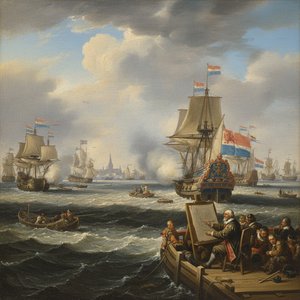
Willem van de Velde the Elder: Master of Maritime Painting & Chronicler of the Dutch Golden Age
Discover the captivating maritime paintings of Willem van de Velde the Elder, a master chronicler of the Dutch Golden Age. Explore his unparalleled realism and lasting influence on naval art history.

Golden Age Reflections: Dutch Baroque Painting & Cultural Innovation
Explore the Dutch Golden Age of painting! Discover key artists like Vermeer & ter Borch, their innovative techniques, and the rich cultural context behind these Baroque masterpieces. Learn about collecting & appreciating this iconic art period.

