Meni
BESPLATNE KONSULTACIJE SA STRUČNJAKOM ZA UMETNOST
Pregledaj u prostoruPregledaj u prostoru AR pregledAR pregled Kupi print Kupi printKupi ručno naslikanu sliku Kupi ručno naslikanu sliku PošaljiPošalji
Detalji o deluDetalji o delu Dodaj u omiljene Dodaj u omiljene ПреузмиПреузми Slični predmetiSlični predmeti Rendgenski snimakRendgenski snimak SlajdoviSlajdovi

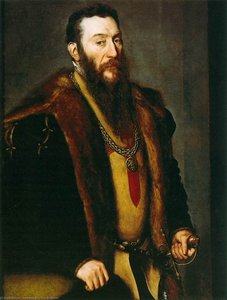
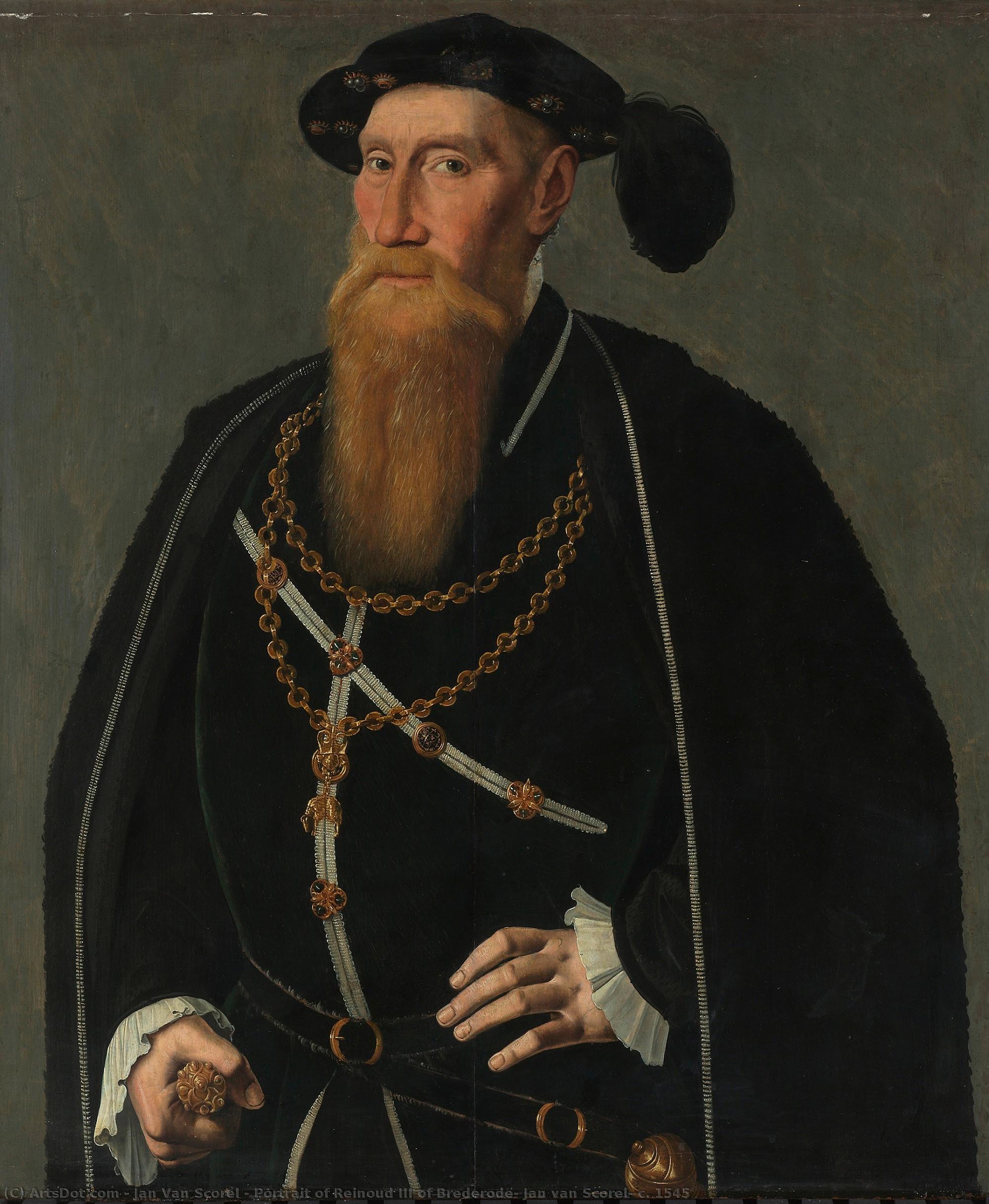
Portrait of Reinoud III of Brederode, Jan van Scorel, c. 1545

Admire Jan van Scorel’s 1545 portrait of Reinoud III of Brederode! A commanding knight depicted in rich detail, showcasing the artist's signature style & Burgundian opulence.

Istražite jedinstveni spoj holandske i italijanske renesansne umetnosti Jana van Scorela! Otkrijte njegov romanistički stil, saradnje i kultna dela poput 'Sippenaltar'. #arthistory #renaissance

Kupite digitalnu sliku visoke rezolucije i poboljšanog kvaliteta, koja je znatno superiornija od onoga što vidite u online prikazu.

Svaka datoteka je pedantno pripremljena od strane naših stručnjaka koristeći napredne alate i profesionalnu ručnu retušu. Osiguravamo da svaka slika ima izuzetnu oštrinu, preciznu reprodukciju boja i fine detalje.

Konačna datoteka se dostavlja putem e-pošte u roku od 72 sata, optimizovana za neposrednu upotrebu u profesionalnim, izdavačkim i štamparskim okruženjima. To je isti kvalitet kojem veruju vrhunski studiji dizajna, izdavači i galerije.

Digitalna slika

Preuzmite datoteku visoke rezolucije za ličnu upotrebu, štampanje i kreativne projekte. (Kupi print Kupi printKupi ručno naslikanu sliku Kupi ručno naslikanu sliku)

Ukupna cena

$ 24,00

Uključeno uz svaku porudžbinu digitalne slike

Profesionalna digitalna isporuka, zagarantovana

Kada odaberete ArtsDot.com, ne dobijate samo sliku – vi primate profesionalno unapređeno digitalno umetničko delo, izrađeno sa najvećom preciznošću i uz garanciju zadovoljstva. Evo svega što automatski dolazi uz vašu porudžbinu:

shipping_icon
Brza dostava putem e-pošte

Vaša digitalna slika visoke rezolucije biće vam poslata putem e-pošte u roku od 72 sata od poručivanja – spremna za trenutnu upotrebu.

canvas_icon
Digitalna datoteka unapređena veštačkom inteligencijom

Vaše umetničko delo je profesionalno optimizovano korišćenjem naprednih AI alata i ručne obrade, čime se osiguravaju maksimalni detalji, oštrina i preciznost boja.

insurance_icon
Besplatna ponovna isporuka doživotno

Slučajno ste obrisali ili izgubili svoju datoteku? Ne brinite – poslaćemo vam je ponovo u bilo kom trenutku, potpuno besplatno.

tax_icon
Bez troškova uvoza – zauvek

Uživajte u svojim umetničkim delima trenutno, bez carine, dažbina ili troškova dostave – digitalni download je uvek bez poreza.

color_icon
Garancija vernosti boja

Uz pomoć profesionalnih alata i upravljanja bojama, osiguravamo da vaša digitalna slika što vernije odražava originalne boje.

return_icon
Garancija zadovoljstva u roku od 60 dana

Ako niste zadovoljni svojom digitalnom slikom, revidirat ćemo je ili vratiti 100% novca u roku od 60 dana – bez ikakvih pitanja.

guarantee_icon
100% garancija povrata novca

Niste zadovoljni? Obezbedite pun povrat novca u roku od 60 dana od trenutka kada ste primili svoju digitalnu datoteku – bez suvišnih pitanja.

discount_icon
Popusti na velike porudžbine

Kupite 3 slike, uštedite 10% - Kupite 5 slika, uštedite 15% - Kupite 10+ slika, uštedite 20%. Odlično za kreativne projekte, galerije i agencije.

Standing before a neutral grey background and portrayed half-length, Reinoud III van Brederode assumes a commanding pose with his left arm akimbo. His proper right hand most likely holds the hilt of a dagger, since a sword hilt - slightly cut off by the panel’s lower edge - can be seen just below his left hand. Although the sitter seems to be portrayed past middle age, Reinoud’s beard has not yet turned completely white.14 He is depicted here as a knight of the Order of the Golden Fleece, having been inducted into the order at the 1531 chapter meeting in Tournai. Hoogewerff states that he is portrayed as dean of the order,15 but Reinoud held this office only for a few months at the very end of his life in 1556.16 He wears a double golden chain from which the insignia of the order are suspended: a fire-steel (the Burgundian briquet), a flint issuing flames, and the golden fleece pendant. Order paraphernalia belonging to Reinoud, the insignia and red, black and white robes, are listed in his 1556 estate inventory.17 The chain was added in paint only and was painted in over the ribbons on Reinoud’s doublet. The doublet, although appearing to be black, must be a dark blue, since the colour could be penetrated by infrared reflectography. The doublet is ornamented with crossed white ribbons to which six pins with alternating floral motifs have been attached. Similar badge-like pins, with clusters of pearls and flame motifs, decorate Reinoud’s black baret, which is of a type that dates to the mid-1540s.18 De Meyere notes that something of Reinoud’s taste can be sensed in this portrait, since the 1556 inventory of his estate listed expensive clothing along with many pearls and precious jewels.19 Reinoud’s cape, draped elegantly over his shoulders, is pure black and has a slight nubby texture. As a Brederode, Reinoud III was a member of the leading family of Holland nobles, and he served in important advisory and military capacities for Charles V.20 This portrait has been attributed more often to Cornelis Anthonisz, because this artist is known to have included a portrait of Reinoud III in a woodcut series of his own design, the Lords of Brederode, c. 1550-51, which he also dedicated to Reinoud III.21 Furthermore, there are two equestrian portraits of Reinoud attributed to Cornelis Anthonisz, one a woodcut (RP-P-BI-126).22 and the other a painting in the Vianen Town Hall.23 None of these portraits, however, have any direct similarities to the Rijksmuseum painting. Both Reinoud III and Jan van Scorel moved in the same court circles (see the biography), and there were any number of occasions when the two could have met. From 1535 to 1545 Scorel owned portions of a house along with Wolfert of Brederode, Lord of Cloetinge (d. 1548), who was Reinoud’s brother.24 During negotiations preceding the impoldering of the Zijpe by Scorel and his partners in 1552, the painter came to an agreement with Reinoud III about the position of one of the proposed dikes.25 In 1546, Scorel is known to have hosted one of the guests at the meeting of the Order of the Golden Fleece in Utrecht,26 an event that may have occasioned the Rijksmuseum portrait. Although the estimates are slightly earlier, dendrochronology does not contradict a date in the mid-1540s. Ultimately, the question of attribution must be decided on the basis of style. The strong silhouette, together with the patterns established by the placement of the hands and decorative features of the costume, stress the two-dimensional aspects of the composition. The planar conception of Scorel’s works is a characteristic that has long been recognised, having been expounded for the first time by Wescher in 1938 when differentiating Scorel’s compositions from Heemskerck’s.27 In this work, Scorel’s presentation is highly schematic, and this tendency can be seen in other official portraits, such as those of the ecclesiastics Joris van Egmond (see SK-C-1618), and Jean II van Carondelet in Brussels.28 Scorel sets heads and shoulders off sharply against the background in another work that is close in date, Five Members of the Utrecht Brotherhood of Jerusalem Pilgrims of circa 1541.29 This painting also relies on a restricted palette and includes half-length figures with elegant hand gestures along the lower edge. The geometric faceting in Reinoud’s face and the contrast of impasto highlights with thin glazes for shade is typical of Scorel’s portrait method, although in this case occasional retouching obscures some of these details.30 It is the underdrawing, however, that secures the attribution (fig. a). For portraiture, Scorel lays out facial features with assuredly drawn contours, such as the circles revealed around Reinoud’s eyes and the long, curvilinear lines in the nose. Scorel uses this type of underdrawing in his portraits almost without exception. M. Faries, 2010 Revised by the author, 2016 (download previous version below)

Biografija umetnika

Rani život i edukacija

Jan van Scorel, istaknuti holandski slikar, rođen je u mestu Schoorl u Holandiji 1495. godine. Iako njegovo rano detinjstvo i proces obrazovanja nisu detaljno dokumentovani, veruje se da je sticao znanje pod okriljem raznih majstora, uključujući Pieter Gerritsza u Haarlemu, Jacoba Cornelisa u Amsterdamu ili Jana Gossaerta u Utrehtu.

Karijera i uticaji

Van Scorelov put kroz Evropu vodio ga je do Italije, gde je s apsolutnom posvećenošću upijao italijanski stil slikarstva, postajući jedan od pionira romanističkog stila. Njegov umetnički izraz bio je duboko prožet uticajem Giorgionea, a ostavio je i značajan trag kroz saradnju sa Maartenom van Heemskerckom. Van Scorelova iskustva u Jerusalimu verno su prikazana u mnogim njegovim kasnijim delima, predstavljajući jedinstveni spoj holandskog i italijanskog umetničkog duha.

Značajna dela i nasleđe

Među najznačajnija ostvarenja ovog umetnika izdvajaju se:
  • Sippenaltar (1520), dovršen u selu Obervellach
  • Portreti, oltari i pejzaži, od kojih su mnogi uništeni tokom ikonoklazme tokom Reformacije
  • Saradnje sa Maartenom van Heemskerckom i Mikelangelom
Van Scorelovo nasleđe obeleženo je njegovim značajnim doprinosom holandskoj renesansi, kroz uvođenje italijanskih elemenata u nederlandsko slikarstvo. Njegova dela su dostupna u brojnim muzejima, uključujući Van Gogh muzej (Holandija), koji čuva i bogatu kolekciju dela samog Van Gogha.

Umetnički stil i značaj

Ključni aspekti Van Scorelovog stila:
  • Sjedinjavanje italijanskih i holandskih uticaja
  • Primena romanističkih stilova u nederlandskom slikarstvu
  • Saradnja sa najistaknutijim umetnicima tog doba
Van Scorelovo delo predstavlja veličanstven svedočanstvo kulturnog razmene i umetničke inovacije renesansnog perioda, čije inspiracije i danas neprestano pokreću ljubitelje umetnosti i istoričare.

Dodatna literatura i izvori

Za više informacija o Janu van Scorelu i njegovim delima, posetite:
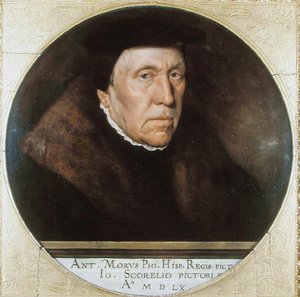
Jan Van Scorel

Jan Van Scorel

1495 - 1562 , Holandija

Kratke činjenice

  • Artistic Movement Or Style: Romanistički, Renesansa
  • Artists Or Movements Influenced By This Artist:
    • Maarten van Heemskerck
    • Italijanska renesansa
  • Artists Who Influenced This Artist:
    • Pieter Gerritsz
    • Jacob Cornelisz
    • Jan Gossaert
    • Giorgione
  • Date Of Birth: 1495-08-01
  • Date Of Death: 1562-12-06
  • Full Name: Jan van Scorel
  • Nationality: Holandski
  • Notable Artworks:
    • Sippenaltar
    • Marija Magdalena (Scorel)
  • Place Of Birth: Shorl, Holandija