

 Pregledaj u prostoru
 Pošalji
 Podeli
 Detalji o delu

 Преузми
 Slični predmeti
 Rendgenski snimak
 Slajdovi
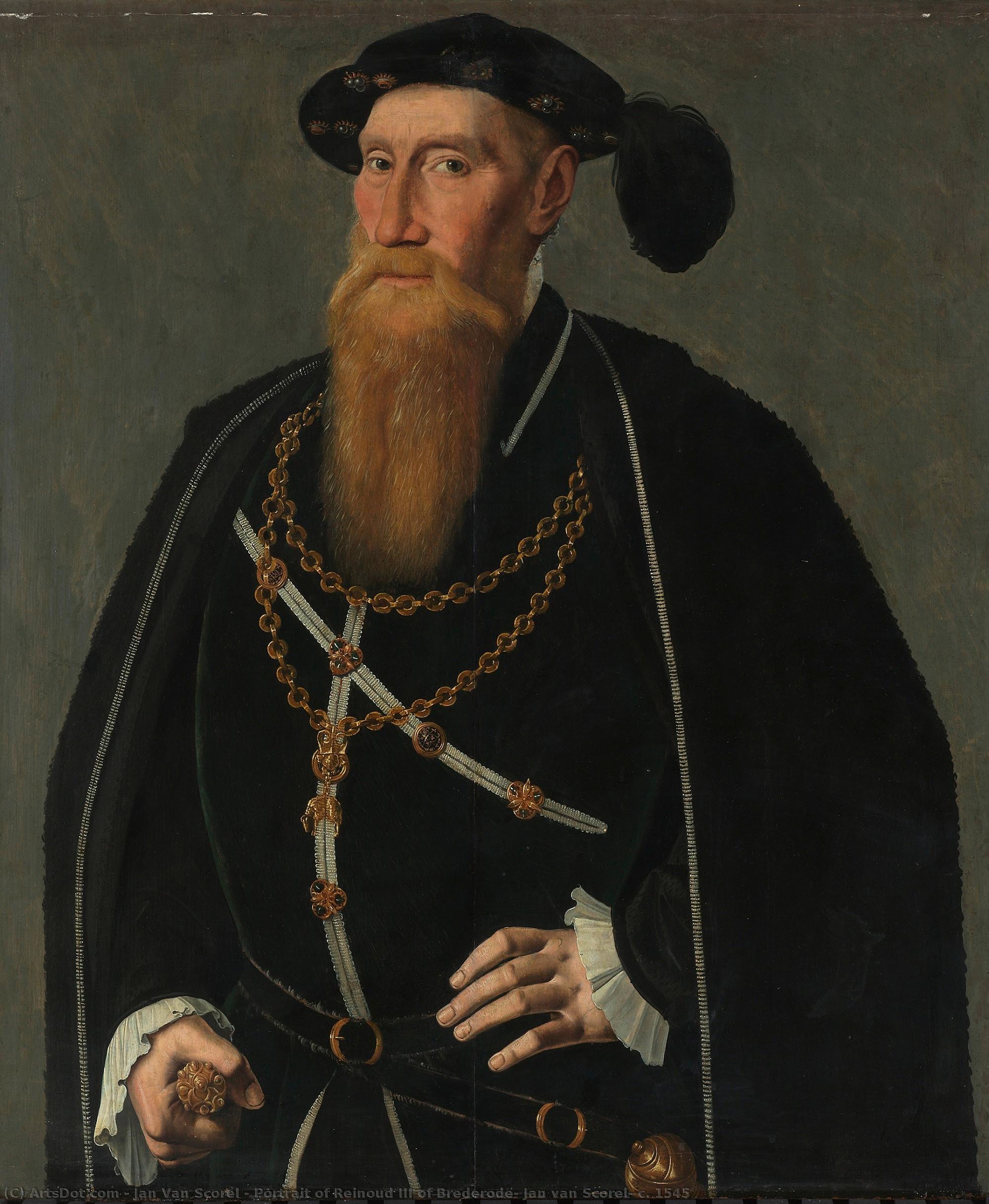
Portrait of Reinoud III of Brederode, Jan van Scorel, c. 1545
 Northern Renaissance
 1545
1545 79.0 x 67.0 cm
 Pročitaj više
Giclee štampa / Umetnički otisak
Giclée štampa ili print na platnu muzejskog kvaliteta uz brzu proizvodnju i fleksibilne opcije završne obrade. ( Kupi ručno naslikanu sliku Kupi digitalnu sliku)




































Izaberite jednu od naših unapred definisanih veličina koje odgovaraju originalnim proporcijama umetničkog dela.

Možete uneti sopstvene dimenzije kako biste umetničko delo prilagodili specifičnom okviru ili prostoru. Ako odabrani format ne odgovara proporcijama originalne slike, mi ćemo ili iscrtati deo dela ili proširiti sliku pomoću ogledane ivice ili jednobojnog popunjavanja. Digitalni prikaz će vam biti poslat na odobrenje pre početka proizvodnje.
Imajte na umu da pregled na ekranu ne odražava stvarno iscrtavanje ili proširivanje. Samo će prikaz (mockup) precizno pokazati finalnu kompoziciju.
Iako su prilagođene dimenzije dostupne, preporučujemo da odaberete dimenziju sa unapred definisane liste kako biste očuvali originalne proporcije.
Dostava širom sveta () za 2 nedelje umesto uobičajenih 4/5 nedelja. (5 септембар)

Besplatna ekspresna dostava širom sveta

Visokokvalitetno laneno platno

Kompletno osiguranje transporta

Garancija povraćaja carine i uvoznih dažbina

Garancija vernosti boja

Politika povrata u roku od 60 dana (samo u slučaju nedostataka)

Garancija povrata novca od 100%

Popust pri grupnoj kupovini
 Opcija sa staklom dostupna je samo za dimenzije manje od 110 cm

Portrait of Reinoud III of Brederode, Jan van Scorel, c. 1545
Giclee štampa / Umetnički otisak
Dimenzije reprodukcije
-


Konačna cena
$ 62
Srodna umetnička dela
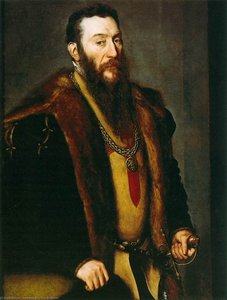
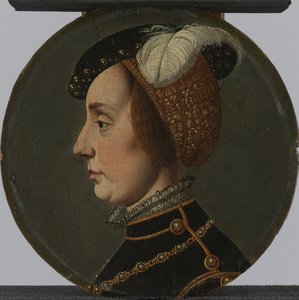
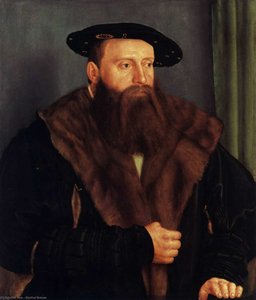
Biografija umetnika
Rani život i edukacija
Jan van Scorel, istaknuti holandski slikar, rođen je u mestu Schoorl u Holandiji 1495. godine. Iako njegovo rano detinjstvo i proces obrazovanja nisu detaljno dokumentovani, veruje se da je sticao znanje pod okriljem raznih majstora, uključujući Pieter Gerritsza u Haarlemu, Jacoba Cornelisa u Amsterdamu ili Jana Gossaerta u Utrehtu.Karijera i uticaji
Van Scorelov put kroz Evropu vodio ga je do Italije, gde je s apsolutnom posvećenošću upijao italijanski stil slikarstva, postajući jedan od pionira romanističkog stila. Njegov umetnički izraz bio je duboko prožet uticajem Giorgionea, a ostavio je i značajan trag kroz saradnju sa Maartenom van Heemskerckom. Van Scorelova iskustva u Jerusalimu verno su prikazana u mnogim njegovim kasnijim delima, predstavljajući jedinstveni spoj holandskog i italijanskog umetničkog duha.Značajna dela i nasleđe
Među najznačajnija ostvarenja ovog umetnika izdvajaju se:- Sippenaltar (1520), dovršen u selu Obervellach
- Portreti, oltari i pejzaži, od kojih su mnogi uništeni tokom ikonoklazme tokom Reformacije
- Saradnje sa Maartenom van Heemskerckom i Mikelangelom
Umetnički stil i značaj
Ključni aspekti Van Scorelovog stila:- Sjedinjavanje italijanskih i holandskih uticaja
- Primena romanističkih stilova u nederlandskom slikarstvu
- Saradnja sa najistaknutijim umetnicima tog doba
Dodatna literatura i izvori
Za više informacija o Janu van Scorelu i njegovim delima, posetite: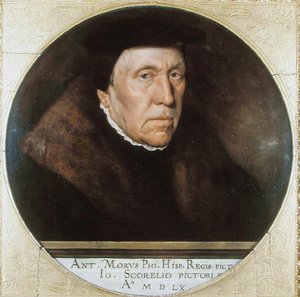
Jan Van Scorel
1495 - 1562 , Holandija
Osnovne informacije
- Artistic Movement Or Style: Romanistički, Renesansa
- Artists Or Movements Influenced By This Artist:
- Maarten van Heemskerck
- Italijanska renesansa
- Artists Who Influenced This Artist:
- Pieter Gerritsz
- Jacob Cornelisz
- Jan Gossaert
- Giorgione
- Date Of Birth: 1495-08-01
- Date Of Death: 1562-12-06
- Full Name: Jan van Scorel
- Nationality: Holandski
- Notable Artworks:
- Sippenaltar
- Marija Magdalena (Scorel)
- Place Of Birth: Shorl, Holandija
Povezani članci

Rembrandt van Rijn: 25 Majstorstava Svetla i Senke za Vaš Dom | ArtsDot
Uronite u svet Rembrandta van Rijna! Otkrijte 25 najlepših dela holandskog majstora – portrete, istorijske scene i biblijska platna. Kvalitetne reprodukcije slika za dekoraciju enterijera dostupne na ArtsDot.com.
Jan van Goyen: Master of Dutch Landscape & Atmospheric Perspective
Discover Jan van Goyen, the master of Dutch landscape painting. Explore his subtle technique, atmospheric realism & lasting influence on art history. Learn about this 17th-century pioneer at ArtsDot.

Early Netherlandish Masters: 10 Paintings That Revolutionized Art & Decor
Journey into the world of Early Netherlandish painting! Explore 10 masterpieces by Jan van Eyck, Rogier van der Weyden & more. Discover stunning detail, symbolism & Renaissance art for your home decor. Find museum-quality reproductions on ArtsDot.com
Adriaen van Ostade: A Master of Dutch Genre Painting & Social Commentary
Explore the life & work of Adriaen van Ostade, a leading Dutch Golden Age painter. Discover his realistic genre scenes, social commentary, and lasting influence on art history. Learn more at ArtsDot.

Dutch Baroque Masters: 10 Paintings That Shaped an Era | ArtsDot
Journey through the Golden Age with our guide to the Top 10 Dutch Baroque masterpieces! Explore iconic paintings by Rembrandt, Vermeer & Frans Hals. Find museum-quality art reproductions and elevate your home decor at ArtsDot.com.

