

 Pregledaj u prostoru
 Pošalji
 Podeli
 Detalji o delu

 Преузми
 Slični predmeti
 Rendgenski snimak
 Slajdovi
 Stats
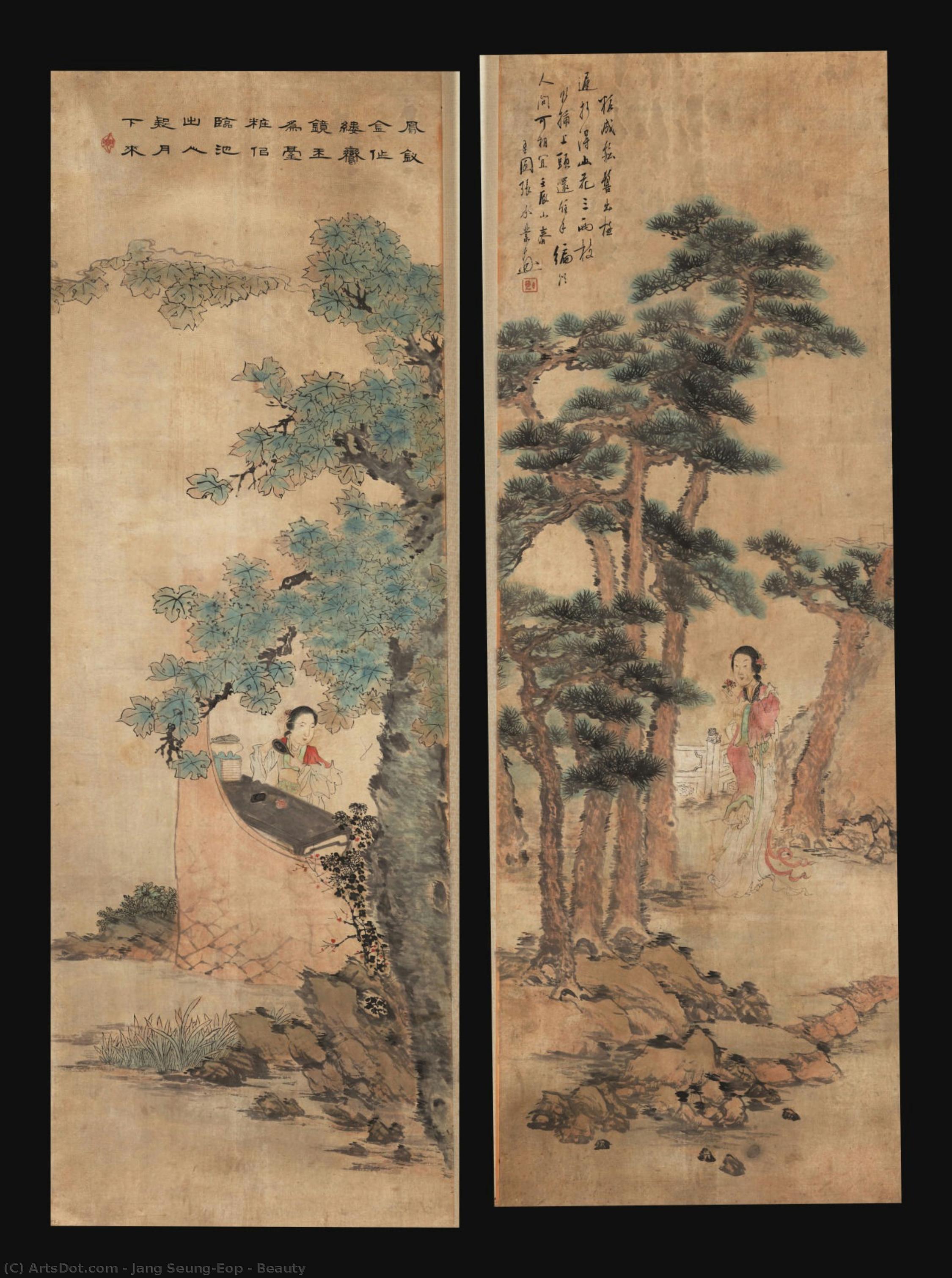
StatsBeauty
 Traditional Chinese Painting
 1892
1892 125.0 x 44.0 cm
 Horim Museum
 Pročitaj više
Ručno rađena uljana reprodukcija
Ručno oslikano uljanim bojama na platnu u dimenzijama i okviru po vašem izboru, izrađeno po porudžbini od strane naših umetnika. ( Switch to Print Switch to Digital Image)




































Izaberite jednu od naših unapred definisanih veličina koje odgovaraju originalnim proporcijama umetničkog dela.

Можете унети сопствене димензије како бисте прилагодили дело одређеном оквиру или простору. Ако одабрана величина не одговара пропорцијама оригинала, слика ће бити исечена или проширена додатним елементима који се ручно насликавају. Дигитални prikaz ће вам бити послат на одобрење пре почетка производње.
Имајте на уму да преглед на екрану не одражава стварно исецање или проширење. Само приказ (mockup) ће тачно приказати коначну композицију.
Иако су доступне прилагођене величине, препоручујемо да одаберете димензију из дефинисане листе како бисте сачували оригиналне пропорције.
Nakon narudžbine, tim ArtsDot.com će klijentu putem e-pošte poslati uputstva i dostaviti prikaz predloženog rešenja
Isporuka širom sveta () za 3/4 nedelje umesto uobičajenih 5 nedelja. (8 септембар). Bez kompromisa po pitanju kvaliteta.

Besplatna ekspresna dostava širom sveta

Visokokvalitetno laneno platno

Kompletno osiguranje transporta

Garancija povraćaja carine i uvoznih dažbina

Garancija vernosti boja

Politika povraćaja u roku od 100 dana (isključivo u slučaju nedostataka)

Garancija povrata novca od 100%

Popust pri grupnoj kupovini
 Opcija sa staklom dostupna je samo za dimenzije manje od 110 cm

Beauty
Tehnika reprodukcije
Dimenzije reprodukcije
-


Konačna cena
$ 288
Srodna umetnička dela
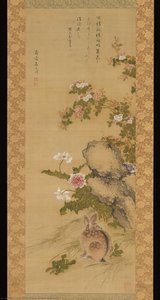
Biografija umetnika
The Brush of a Legend: The Life and Legacy of Jang Seung-eop
In the twilight of the Joseon Dynasty, a period of profound cultural transition in Korea, there emerged a painter whose brush possessed the rare ability to capture both the ephemeral beauty of nature and the enduring dignity of the human spirit. Jang Seung-eop, known more intimately by his art name Owon, was not merely a practitioner of traditional techniques but a transformative force in Korean art history. Born in Seoul in 1843, his life was a tapestry of brilliant artistic triumph and personal turbulence, a narrative so compelling that it was later immortalized in the cinematic masterpiece Chi-hwa-seon. Unlike many of his contemporaries who sought status through lineage, Owon’s ascent was fueled by raw, unadulterated talent, eventually earning him the rare distinction of holding an official rank within the royal court—a testament to a skill that even the highest authorities could not ignore.
The artistry of Owon was characterized by a breathtaking synthesis of realism and the classical aesthetics of the East. While he drew deep inspiration from the sophisticated traditions of Chinese and Japanese landscape painting, he remained steadfastly rooted in the Korean soul. His work avoided the encroaching Western influences of his era, choosing instead to refine the delicate balance of calligraphy and ink wash. He possessed an uncanny ability to breathe life into the inanimate; a single stroke could convey the rugged texture of ancient stone or the soft, translucent petal of a spring blossom. His compositions were masterclasses in harmony, where every element—from the sweeping curves of a mountain range to the minute details of a scholar’s study—contributed to a sense of profound equilibrium.
Mastery of Form and the Spirit of the Joseon Era
Owon’s repertoire was as diverse as the landscapes he depicted, ranging from grand, sweeping vistas to intimate, soul-stirring portraits. He was a master of genre painting, finding extraordinary beauty in the mundane rhythms of everyday life. His canvases often transported viewers to bustling marketplaces or serene, secluded gardens, capturing the vitality of the Korean people with an observant and empathetic eye. This mastery extended into his botanical and animal studies, where works such as Flowers and Animals demonstrated his ability to render organic life with both scientific precision and poetic grace. Through his use of ink and light color on paper, he achieved a luminosity that made his subjects appear to vibrate with life.
Beyond the landscapes, Owon’s portraiture remains some of the most evocative of his era. In works like Portrait of a Beauty, he moved beyond mere physical likeness to capture the internal essence and social grace of his subjects. His ability to render delicate facial features and tranquil gazes allowed him to communicate complex emotions through subtle shifts in line and shade. This period of his development saw him perfecting the art of the screen painting, such as the magnificent Still Life with Bronze Vessels and Flowering Plants, where he utilized the expansive format to create intricate, multi-layered narratives of elegance and abundance.
A Lasting Impression on Korean Artistry
The historical significance of Jang Seung-eop cannot be overstated. As one of the "Three Wons" of late Joseon painting, he served as a bridge between the rigid traditions of the past and a more expressive, realistic approach to subject matter. His legacy is not found merely in the museums that house his delicate scrolls, but in the very foundation of modern Korean aesthetic identity. He proved that tradition could be revitalized through observation and emotion without losing its cultural essence. Today, as we look upon his works, we see more than just ink on paper; we see the heartbeat of a bygone era, preserved through the masterful hand of an artist who saw the divine in the details of the world around him.
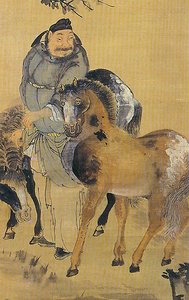
jang seung-eop
1843 - 1897 , South Korea
Osnovne informacije
- Artistic Movement Or Style: Realism; Harmony; Chinese & Japanese art influence
- Artists Or Movements Influenced By This Artist: ['Genre paintings']
- Artists Who Influenced This Artist: ['Kim Hong-do']
- Date Of Birth: Seoul, South Korea (1843)
- Date Of Death: 1897
- Full Name: Jang Seung-eop
- Nationality: Korean
- Notable Artworks:
- Portrait of a Beauty
- Still life with bronze vessels and flowering plants
- Place Of Birth: Seoul
Povezani članci
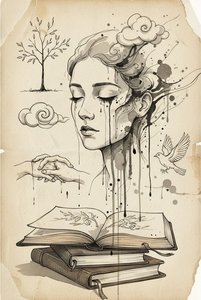
Ephemeral Lines: Exploring Emotional Resonance in Ink Sketching Traditions
Explore the profound art of ink sketching! Discover techniques to express emotion, master line work, and cultivate artistic sensitivity. Learn from historical masters & unlock your creative potential.
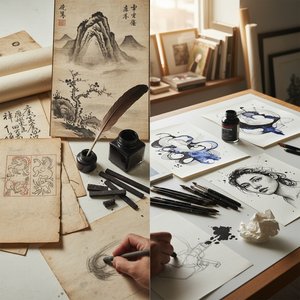
Ephemeral Expressions: Exploring the Nuances of Ink on Paper Through History & Contemporary Art
Explore the captivating world of ink wash painting – from its ancient origins to contemporary masters. Discover techniques, symbolism & conservation insights with ArtsDot.com.
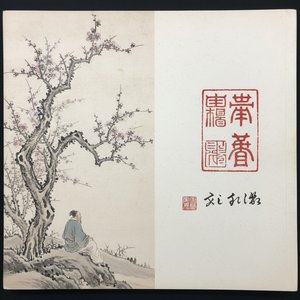
Xie Zhiliu: A Legacy of Ink Wash Painting & Modern Chinese Literati Tradition
Explore the legacy of Xie Zhiliu, a master of Chinese ink wash painting & prominent figure in modern art. Discover his techniques, influences, and contributions to literati tradition. A guide for discerning collectors.
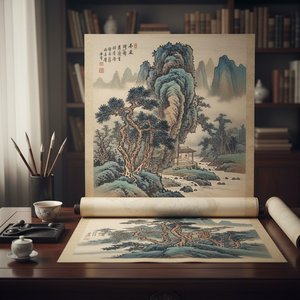
Pu Xinyu's 'Puru': A Legacy of Literati Painting & Emotional Resonance
Explore the captivating world of Pu Xinyu (Puru), the last great literati painter. Discover his imperial heritage, masterful ink wash techniques & enduring legacy – a valuable addition to any discerning art collection.
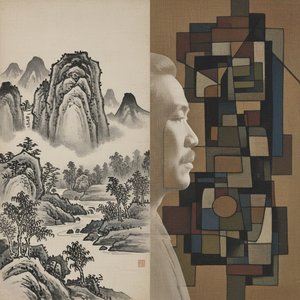
Yi Eungro: Bridging East & West in the Landscape of Korean Modernism
Explore the captivating world of Yi Eungro (Lee Ungno), a pivotal figure in Korean modernism. Discover his unique fusion of Eastern and Western artistic traditions, abstract masterpieces, and lasting legacy. A must-read for discerning art collectors.