

 Pošalji
 Podeli
 Detalji o delu

 Преузми
 Slični predmeti
 Slajdovi
 Statistika
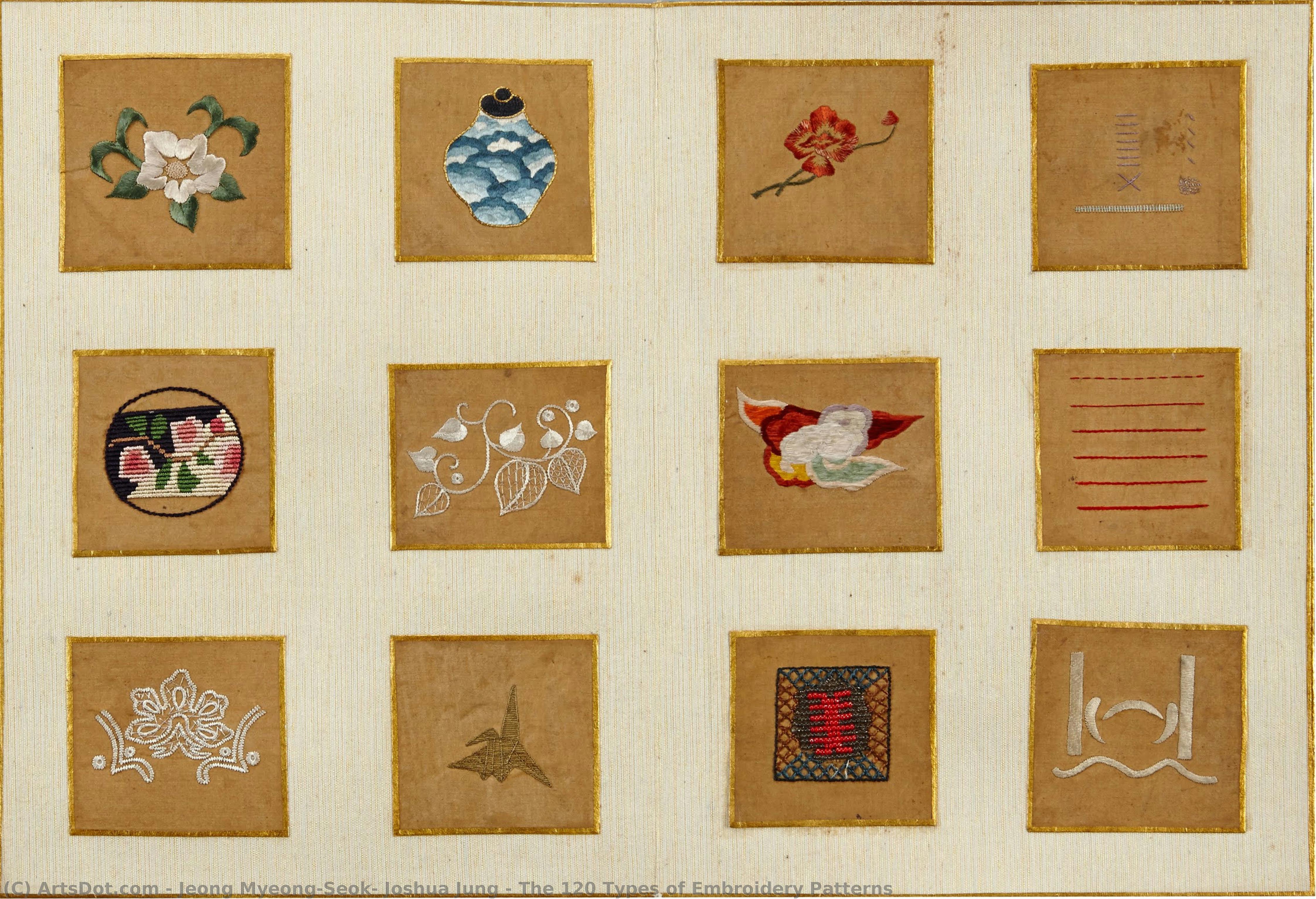
The 120 Types of Embroidery Patterns


 Pročitaj više
Giclee štampa / Umetnički otisak
Giclée štampa ili print na platnu muzejskog kvaliteta uz brzu proizvodnju i fleksibilne opcije završne obrade. ( Kupi ručno naslikanu sliku Pređi na digitalnu sliku)




































Izaberite jednu od naših unapred definisanih veličina koje odgovaraju originalnim proporcijama umetničkog dela.

Možete uneti sopstvene dimenzije kako biste umetničko delo prilagodili specifičnom okviru ili prostoru. Ako odabrani format ne odgovara proporcijama originalne slike, mi ćemo ili iscrtati deo dela ili proširiti sliku pomoću ogledane ivice ili jednobojnog popunjavanja. Digitalni prikaz će vam biti poslat na odobrenje pre početka proizvodnje.
Imajte na umu da pregled na ekranu ne odražava stvarno iscrtavanje ili proširivanje. Samo će prikaz (mockup) precizno pokazati finalnu kompoziciju.
Iako su prilagođene dimenzije dostupne, preporučujemo da odaberete dimenziju sa unapred definisane liste kako biste očuvali originalne proporcije.
Dostava širom sveta () za 2 nedelje umesto uobičajenih 4/5 nedelja. (9 септембар)

Besplatna ekspresna dostava širom sveta

Visokokvalitetno laneno platno

Kompletno osiguranje transporta

Garancija povraćaja carine i uvoznih dažbina

Garancija vernosti boja

Politika povraćaja u roku od 100 dana (isključivo u slučaju nedostataka)

Garancija povrata novca od 100%

Popust pri grupnoj kupovini
 Opcija sa staklom dostupna je samo za dimenzije manje od 110 cm

The 120 Types of Embroidery Patterns
Giclee štampa / Umetnički otisak
Dimenzije reprodukcije
-


Konačna cena
$ 62
A Tapestry of Precision: The Intricate World of Embroidery Patterns
In the quiet intersection of textile mastery and visual storytelling lies "The 120 Types of Embroidery Patterns," a breathtaking achievement from 1931 by the South Korean artist Jeong Myeong-seok (Joshua Jung). At first glance, the viewer is met with a mesmerizing grid, a rhythmic arrangement of delicate motifs that dance across a pristine white expanse. This work is not merely a collection of designs but a masterclass in meticulous detail, where each of the 120 individual patterns serves as a window into a world of profound craftsmanship. The composition functions like a botanical and zoological encyclopedia, yet it breathes with an organic vitality that transcends mere documentation.
The artistry within this piece is defined by its extraordinary technical precision. Each pattern, ranging in scale and complexity, showcases the artist's ability to manipulate fine lines and subtle color gradations to evoke the soft plumage of birds and the tender petals of flowers. The technique suggests a deep reverence for the medium of embroidery, translating the tactile sensation of thread and needle into a visual language that feels both weightless and incredibly dense with information. For the collector or interior designer, this work offers a unique geometric elegance; its structured grid provides a sense of order and calm, while the individual flourishes offer moments of unexpected delight and organic movement.
Beyond its surface beauty, the piece carries a heavy layer of historical and symbolic resonance. Created during a transformative era in Korean history, the work reflects a period where traditional craftsmanship met an evolving modern aesthetic. The motifs—delicate birds and blooming flora—are timeless symbols of nature's ephemeral beauty, rebirth, and the interconnectedness of life. When viewed through the lens of Jeong Myeong-seok’s broader body of work, which often explores spiritual and religious themes, these patterns can be seen as meditative icons, each one a small, concentrated prayer of symmetry and grace.
Integrating a high-quality reproduction of this masterpiece into a contemporary space allows for a sophisticated dialogue between history and modernity. Whether placed in a minimalist gallery setting or used as a focal point in a richly textured room, the artwork commands attention through its sheer complexity and quiet dignity. It invites the observer to slow down, to lean in, and to lose themselves in the labyrinthine beauty of a hundred and twenty different stories, all woven into a single, unforgettable visual symphony.
Srodna umetnička dela
Biografija umetnika
A Tapestry of Faith and Controversy: The Visionary Art of Jeong Myeong-seok
In the delicate intersection of textile artistry and spiritual devotion lies the work of Jeong Myeong-seok, an artist whose name evokes a complex tapestry of profound creativity and deep-seated controversy. Born in 1945 in the serene landscape of Wolmyeon-dong, South Korea, Jeong—often known by his religious moniker, Joshua Jung—has crafted a legacy that is as much about the meticulous precision of the needle as it is about the turbulent narratives of his personal life. His oeuvre serves as a window into a world where every stitch is an act of prayer and every pattern a vessel for divine symbolism.
The essence of Jeong’s artistic contribution is found in his mastery of embroidery, a medium that demands unparalleled patience and a meditative focus. His work often transcends mere decoration, moving into the realm of visual theology. Through the painstaking application of thread, he explores themes of redemption, grace, and the human condition, frequently utilizing motifs of birds and flowers to represent the blossoming of spiritual truth. These intricate patterns are not merely aesthetic choices; they are a deliberate language designed to invite the viewer into a state of contemplation, mirroring the very devotion that fuels his creative process.
The Convergence of Art and Movement
To understand the depth of Jeong’s work, one must navigate the complex landscape of the Providence religious movement, which he founded. As both an artist and a spiritual leader—sometimes referred to as Pastor Joshua Lee—his creative output is inextricably linked to his religious convictions. His art functions as a visual extension of his teachings, where the "Collection of Letters" and works like St. Mary act as storytelling tools for his faith. This connection creates a unique, albeit polarizing, historical significance; his pieces are viewed by some as sacred relics of a personal mission and by others through the lens of the religious movement's broader social impact.
The development of his style is characterized by an increasing complexity in symbolic layering. In masterpieces such as The 120 Types of Embroidery Patterns, one finds a mesmerizing grid of detail that showcases a masterclass in textile artistry. These works demonstrate a profound ability to organize vast amounts of intricate information into a cohesive, breathtaking whole. The use of neutral tones punctuated by vivid color intensities allows the natural beauty of the floral and avian subjects to emerge with a lifelike, almost ethereal quality.
A Legacy Defined by Duality
The historical narrative of Jeong Myeong-seok is undeniably marked by a profound duality. While his technical skill in embroidery has earned him recognition within specialized art circles and museum collections—such as the Hwajeong Museum and Sookmyung Women's University Museum—his life has been shadowed by significant legal challenges. The accusations of sexual assault involving female devotees between 2018 and 2022 have cast a long shadow over his artistic reputation, complicating the way his work is perceived in a contemporary global context.
Despite these turbulent developments, the technical brilliance of his embroidery remains an undeniable facet of South Korean modern textile history. His ability to transform simple thread into complex religious narratives continues to fascinate scholars and collectors alike. As we examine his contributions, we are faced with the challenge of separating the sublime beauty of the craft from the controversial life of its creator, a task that makes the study of Jeong Myeong-seok's art an essential, if unsettling, journey through the power of visual devotion.

jeong myeong-seok, joshua jung
1945 - , South Korea
Osnovne informacije
- Artistic Movement Or Style: Embroidery art
- Date Of Birth: 1945
- Full Name: jeong myeong-seok (joshua jung)
- Nationality: South Korean
- Notable Artworks:
- St. Mary
- Collection of Letters
- The 120 Types of Embroidery Patterns
- Place Of Birth: Wolmyeon-dong, South Korea
Povezani članci
Gustav Klimt: 25 Remek-Dela Koje Očaravaju Svet – Reprodukcije za Vaš Dom
Uronite u svet Gustava Klimta! Otkrijte 25 remek-dela bečkog secesiona, od 'Poljupca' do portreta Adele Bloch-Bauer. Reprodukcije slika vrhunskog kvaliteta za luksuzni enterijer – inspiracija i dekoracija na ArtsDot.com.
Mariano Fortuny: A Fusion of Art, Fashion & Design – Exploring a Venetian Innovator's Legacy
Explore the captivating world of Mariano Fortuny – artist, designer & innovator. Discover his revolutionary textiles, iconic Delphos gown, and lasting influence on art, fashion & interiors. A collector's guide to a Venetian master.
Feathered Visions: A Historical & Artistic Exploration of Birds in Painting
Explore the rich history of birds in painting! Discover symbolism, artistic movements & master artists like Audubon. High-quality reproductions available at ArtsDot.
Remek-dela Alte Pinakotek: 25 slika koje definišu renesansu i barok (umetnost, dekoracija doma)
Otkrijte 25 remek-dela Alte Pinakotek u Minhenu! Istražite priče iza slika Leonarda, Rafaela i Rembrandta. Inspiracija za dekoraciju doma & reprodukcije vrhunskog kvaliteta na ArtsDot.com.

Woven Wonders: A Beginner's Guide to Elevating Your New Home with Timeless Textile Art
Discover how to transform your new home with the warmth of textile art. Our expert guide for newlyweds explores handwoven tapestries, tactile fibers, and timeless ways to curate a soulful, sophisticated interior through beautiful woven wonders.