

 Pregledaj u prostoru
 Pošalji
 Podeli
 Detalji o delu

 Преузми
 Slični predmeti
 Rendgenski snimak
 Slajdovi
 Statistika
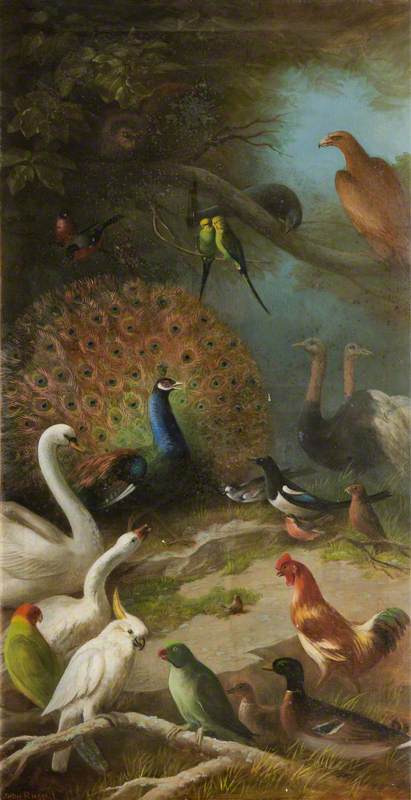
The Parliament of Birds
 Naturalism
 146.0 x 72.0 cm
 The National Trust For Scotland
 Pročitaj više
Ručno rađena uljana reprodukcija
Ručno oslikano uljanim bojama na platnu u dimenzijama i okviru po vašem izboru, izrađeno po porudžbini od strane naših umetnika. ( Pređi na štampu Pređi na digitalnu sliku)




































Izaberite jednu od naših unapred definisanih veličina koje odgovaraju originalnim proporcijama umetničkog dela.

Можете унети сопствене димензије како бисте прилагодили дело одређеном оквиру или простору. Ако одабрана величина не одговара пропорцијама оригинала, слика ће бити исечена или проширена додатним елементима који се ручно насликавају. Дигитални prikaz ће вам бити послат на одобрење пре почетка производње.
Имајте на уму да преглед на екрану не одражава стварно исецање или проширење. Само приказ (mockup) ће тачно приказати коначну композицију.
Иако су доступне прилагођене величине, препоручујемо да одаберете димензију из дефинисане листе како бисте сачували оригиналне пропорције.
Nakon narudžbine, tim ArtsDot.com će klijentu putem e-pošte poslati uputstva i dostaviti prikaz predloženog rešenja
Isporuka širom sveta () za 3/4 nedelje umesto uobičajenih 5 nedelja. (8 септембар). Bez kompromisa po pitanju kvaliteta.

Besplatna ekspresna dostava širom sveta

Visokokvalitetno laneno platno

Kompletno osiguranje transporta

Garancija povraćaja carine i uvoznih dažbina

Garancija vernosti boja

Politika povraćaja u roku od 100 dana (isključivo u slučaju nedostataka)

Garancija povrata novca od 100%

Popust pri grupnoj kupovini
 Opcija sa staklom dostupna je samo za dimenzije manje od 110 cm

The Parliament of Birds
Tehnika reprodukcije
Dimenzije reprodukcije
-


Konačna cena
$ 263
Srodna umetnička dela
Biografija umetnika
A Voice from the American Vernacular: The Life and Legacy of John Bucknell Russell
John Bucknell Russell, born in 1819 and passing in 1893, remains a fascinating, if often overlooked, figure in the landscape of 19th-century American intellectual life. He wasn’t a painter himself, but his pen wielded an influence that profoundly shaped how art was perceived – and *should* be perceived – within the burgeoning United States. Russell emerged as a pivotal critic at a time when America was striving to define its own cultural identity, separate from the established traditions of Europe. His writings weren’t merely reviews; they were passionate arguments for a distinctly American aesthetic, rooted in the nation's unique experiences and landscapes. He believed that art should reflect the spirit of the people, their struggles, and their triumphs, rather than simply imitating European masters.The Seeds of Nationalism: Early Life and Intellectual Formation
Details surrounding Russell’s early life are somewhat scarce, adding to his enigmatic persona. What is known is that he came from a background steeped in the ideals of the young republic. He was deeply affected by the Romantic movement sweeping across both Europe and America, but unlike many of his contemporaries who sought to replicate its forms, Russell focused on finding an *American* expression of its core principles – individualism, emotional intensity, and reverence for nature. This led him to champion artists who depicted scenes of everyday life, rural landscapes, and the burgeoning industrial world, subjects often dismissed by the more conservative art establishment as lacking in “high” artistic merit. He saw beauty not in idealized forms but in the raw, unvarnished truth of American existence. His early essays, published in various periodicals, began to articulate a vision of literary and artistic nationalism that would become his defining characteristic.Championing Women and Regional Voices
Russell’s commitment extended beyond simply advocating for an American style; he was also a staunch supporter of marginalized voices within the art world. He was one of the first prominent critics to actively champion the work of women artists, recognizing their talent and potential at a time when they faced significant barriers to recognition and professional advancement. His writings provided crucial platforms for female painters and sculptors, challenging prevailing societal norms and advocating for equal opportunities. Furthermore, Russell’s regionalism – his belief in the importance of celebrating diverse artistic expressions from across the country – was groundbreaking. He actively sought out artists working outside of major urban centers like New York and Boston, recognizing that true American art wasn't confined to a single geographic location or aesthetic tradition.The Power of Perspective: Russell’s Critical Approach
Russell’s critical style was characterized by its passionate intensity and unwavering conviction. He didn’t shy away from controversy, often launching scathing critiques of works he deemed derivative or lacking in originality. However, his criticisms were never simply destructive; they were always grounded in a clear articulation of his aesthetic principles. He believed that art should be judged not on its technical skill alone but on its ability to evoke emotion, convey meaning, and reflect the spirit of the nation. He famously argued against slavish imitation of European styles, urging artists to look inward for inspiration and to embrace their own unique cultural heritage. His essays were often lengthy and philosophical, delving into broader questions about the role of art in society and the nature of American identity. He saw himself not merely as a critic but as a cultural advocate, actively shaping public taste and promoting a more inclusive and democratic vision of art.A Lasting Influence: Russell’s Historical Significance
While perhaps not a household name today, John Bucknell Russell's impact on the development of American art criticism is undeniable. He laid the groundwork for future generations of critics who sought to define an authentic American aesthetic and champion diverse artistic voices. His writings helped to legitimize regionalism as a valid artistic expression and paved the way for greater recognition of women artists. His emphasis on emotional intensity and individual expression resonated with the Transcendentalist movement, further solidifying his place within the broader intellectual landscape of 19th-century America. Russell’s legacy is not found in any single artwork he championed, but rather in the shift in perspective he fostered – a shift that encouraged Americans to look inward, embrace their own cultural heritage, and celebrate the unique beauty of their nation's artistic spirit.- Pioneered literary nationalism, advocating for art reflecting American experiences.
- Early supporter of women’s rights in the art world, providing platforms for female artists.
- Championed art criticism focused on regionalism, recognizing diverse artistic expressions across the USA.
- Influenced Transcendentalist movement with his emphasis on emotional intensity and individualism.
john bucknell russell
1819 - 1893
Osnovne informacije
- Artistic Movement Or Style: Victorian Art
- Artists Or Movements Influenced By This Artist: ['Pre-Raphaelite Brotherhood']
- Artists Who Influenced This Artist: ['William Holman Hunt']
- Date Of Birth: 1819
- Date Of Death: 1893
- Full Name: John Bucknell Russell
- Nationality: British
- Notable Artworks:
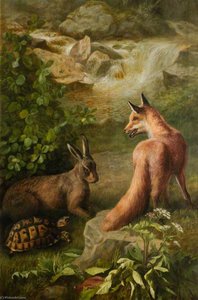
- The Fox and the Grapes
- Larder
- The Parliament of Birds
- Place Of Birth: Bournemouth
Povezani članci
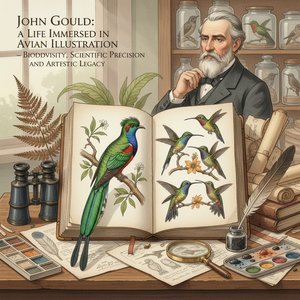
John Gould: A Life Immersed in Avian Illustration – Biodiversity, Scientific Precision, and Artistic Legacy
Explore the life & legacy of John Gould, pioneering ornithologist & artist. Discover his stunning bird illustrations, the impact of chromolithography, and investment opportunities for collectors. Learn more now!

Oil on Canvas: A Historical & Technical Exploration of a Timeless Artistic Medium
Explore the rich history & enduring techniques of oil painting on canvas. Discover the science behind its longevity, conservation practices, and contemporary relevance. Expert insights for art enthusiasts.

The Enduring Legacy of Oil on Canvas: Technique, History & Aesthetic Impact
Explore the rich history & techniques of oil painting – from Renaissance masters to Impressionism. Discover pigments, layering methods, and why this timeless medium endures. Expert insights for artists & art enthusiasts.
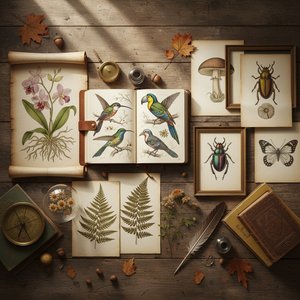
The Evocative Detail of Nature: A History of Naturalistic Illustration
Explore the rich history of botanical illustration! Discover pioneering artists like Maria Sibylla Merian & Marianne North. Learn about scientific precision, artistic expression, and find museum-quality reproductions at ArtsDot.
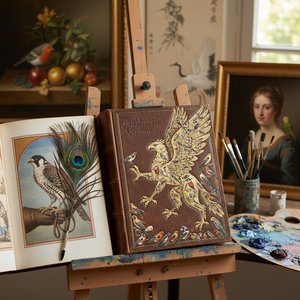
Feathered Visions: A Historical & Artistic Exploration of Birds in Painting
Explore the rich history of birds in painting! Discover symbolism, artistic movements & master artists like Audubon. High-quality reproductions available at ArtsDot.