

 Pregledaj u prostoru
 Pošalji
 Podeli
 Detalji o delu

 Преузми
 Slični predmeti
 Rendgenski snimak
 Slajdovi
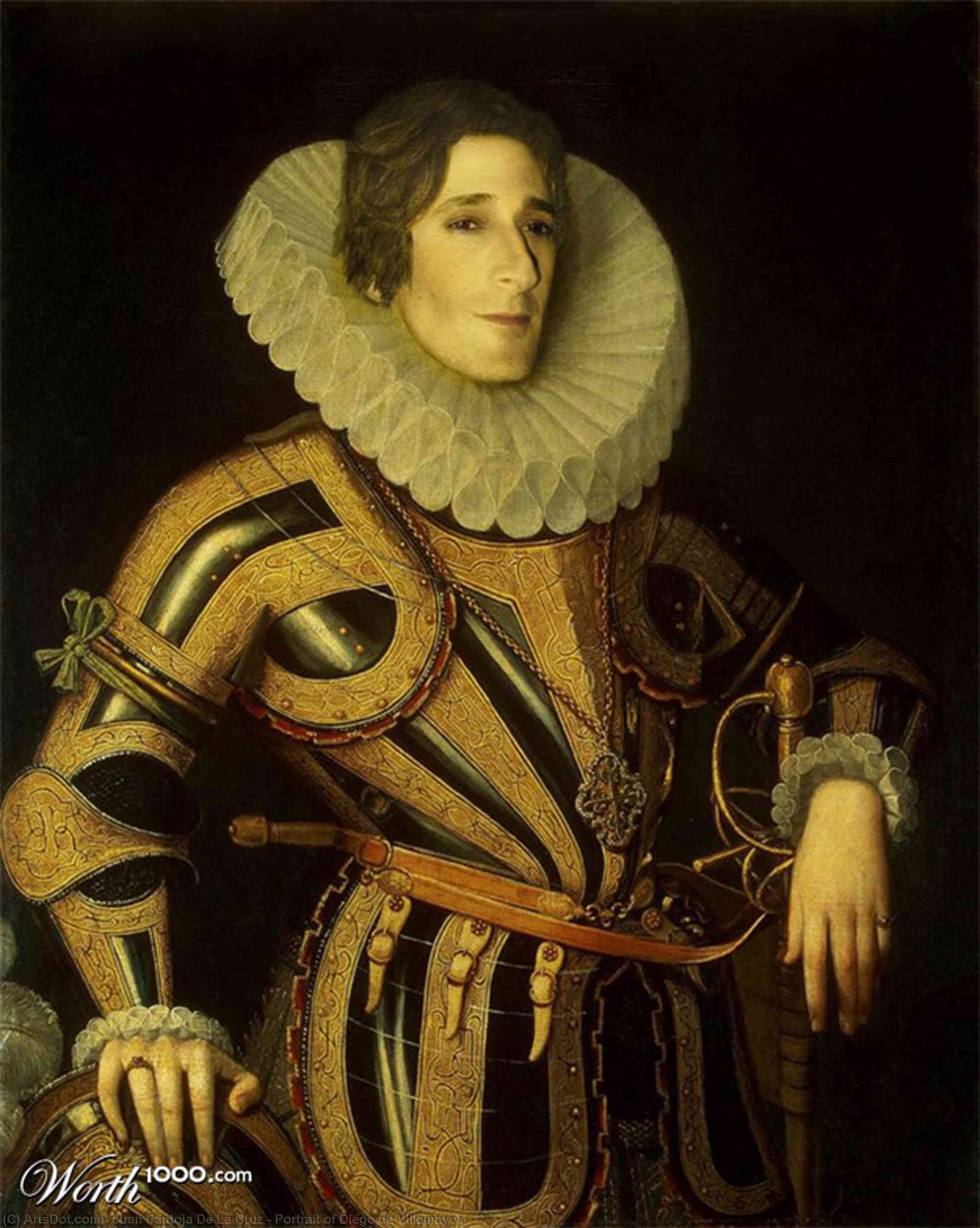
Portrait of Diego de Villamayor
 Oil On Canvas
- WallArt
- Mannerism
 1605
1605 89.0 x 71.0 cm
 Hermitage Museum
 Pročitaj više
Kupite digitalnu sliku visoke rezolucije i poboljšanog kvaliteta, koja je znatno superiornija od onoga što vidite u online prikazu.
Svaka datoteka je pedantno pripremljena od strane naših stručnjaka koristeći napredne alate i profesionalnu ručnu retušu. Osiguravamo da svaka slika ima izuzetnu oštrinu, preciznu reprodukciju boja i fine detalje.
Konačna datoteka se dostavlja putem e-pošte u roku od 72 sata, optimizovana za neposrednu upotrebu u profesionalnim, izdavačkim i štamparskim okruženjima. To je isti kvalitet kojem veruju vrhunski studiji dizajna, izdavači i galerije.
Digitalna slika
Preuzmite datoteku visoke rezolucije za ličnu upotrebu, štampanje i kreativne projekte. ( Kupi print Kupi ručno naslikanu sliku)
Uključeno uz svaku porudžbinu digitalne slike
Profesionalna digitalna isporuka, zagarantovana
Kada odaberete ArtsDot.com, ne dobijate samo sliku – vi primate profesionalno unapređeno digitalno umetničko delo, izrađeno sa najvećom preciznošću i uz garanciju zadovoljstva. Evo svega što automatski dolazi uz vašu porudžbinu:

Brza dostava putem e-pošte
Vaša digitalna slika visoke rezolucije biće vam poslata putem e-pošte u roku od 72 sata od poručivanja – spremna za trenutnu upotrebu.

Digitalna datoteka unapređena veštačkom inteligencijom
Vaše umetničko delo je profesionalno optimizovano korišćenjem naprednih AI alata i ručne obrade, čime se osiguravaju maksimalni detalji, oštrina i preciznost boja.

Besplatna ponovna isporuka doživotno
Slučajno ste obrisali ili izgubili svoju datoteku? Ne brinite – poslaćemo vam je ponovo u bilo kom trenutku, potpuno besplatno.

Bez troškova uvoza – zauvek
Uživajte u svojim umetničkim delima trenutno, bez carine, dažbina ili troškova dostave – digitalni download je uvek bez poreza.

Garancija vernosti boja
Uz pomoć profesionalnih alata i upravljanja bojama, osiguravamo da vaša digitalna slika što vernije odražava originalne boje.

Garancija zadovoljstva u roku od 60 dana
Ako niste zadovoljni svojom digitalnom slikom, revidirat ćemo je ili vratiti 100% novca u roku od 60 dana – bez ikakvih pitanja.

100% garancija povrata novca
Niste zadovoljni? Obezbedite pun povrat novca u roku od 60 dana od trenutka kada ste primili svoju digitalnu datoteku – bez suvišnih pitanja.

Popusti na velike porudžbine
Kupite 3 slike, uštedite 10% - Kupite 5 slika, uštedite 15% - Kupite 10+ slika, uštedite 20%. Odlično za kreativne projekte, galerije i agencije.
A Study in Regal Restraint: Juan Pantoja de la Cruz's Portrait of Diego de Villamayor
The year is 1605. Within the opulent confines of a Spanish court, Juan Pantoja de la Cruz meticulously rendered a portrait – ‘Portrait of Diego de Villamayor,’ a work that transcends mere likeness and embodies the very essence of Spanish power and aristocratic dignity. More than just a depiction of an individual, this painting is a carefully constructed statement about status, authority, and the subtle art of visual persuasion, reflecting the stylistic trends of the Mannerist period while firmly rooted in the traditions of royal portraiture.
Pantoja, a master painter working within the service of Philip III, was renowned for his ability to capture the gravitas of royalty. Unlike the more flamboyant styles favored by some contemporaries, Pantoja’s approach leaned towards a controlled severity – a deliberate restraint that amplified the subject's presence and projected an aura of timeless power. This portrait is no exception; it speaks volumes through its carefully considered composition and masterful use of light and shadow.
The Anatomy of Authority: Composition and Technique
The painting’s strength lies in its balanced, almost geometric arrangement. Diego de Villamayor stands against a dark, undefined background – a strategic choice that immediately draws the viewer's eye to the figure himself. His posture is impeccable, conveying an air of self-assuredness and command. The folds of his richly embroidered clothing are rendered with painstaking detail, showcasing not only Pantoja’s technical skill but also the immense wealth and status associated with the subject. Note the subtle variations in tone – a delicate highlighting of the lace collar, a deeper shadow across the chest – that create a sense of volume and texture.
Pantoja's technique is characterized by its meticulous realism combined with a subtly stylized approach. He employed a layering of glazes to achieve a remarkable level of detail, capturing the sheen of metal, the texture of velvet, and the intricate patterns of the fabrics. The use of chiaroscuro – the dramatic contrast between light and dark – further emphasizes the figure’s form and creates a sense of depth and drama. The sword held in his hand is not merely an accessory; it's a potent symbol of authority and readiness for action, reinforcing the image of a man accustomed to wielding power.
Historical Context: The Spanish Golden Age
To fully appreciate ‘Portrait of Diego de Villamayor,’ one must consider the broader context of the Spanish Golden Age – a period of immense wealth, artistic flourishing, and political ambition. Philip III’s court was a hub of cultural activity, attracting artists, scholars, and diplomats from across Europe. Royal portraits played a crucial role in projecting an image of strength and stability—a visual declaration of Spain's dominance on the world stage. Pantoja’s work exemplifies this tradition, serving as a powerful representation of the Habsburg dynasty’s authority.
The portrait also reflects the influence of earlier Mannerist painters like Alonso Sánchez Coello, under whom Pantoja had apprenticed. This lineage is evident in the painting's formal composition and its emphasis on idealized beauty—though Pantoja tempered this with a more restrained palette and a greater attention to detail than his predecessor. The inclusion of Diego de Villamayor’s badge of the order of Alcántara further emphasizes his noble status, solidifying his position within the Spanish hierarchy.
A Legacy of Majesty: Symbolism and Emotional Impact
Beyond its technical brilliance, ‘Portrait of Diego de Villamayor’ resonates with a profound sense of dignity and gravitas. The subject's gaze is direct and unwavering, conveying an air of self-possession and confidence. The painting doesn’t offer overt displays of emotion; instead, it communicates power through posture, gesture, and the carefully chosen details of his attire. It’s a portrait that invites contemplation—a reminder of the enduring legacy of Spanish artistry and its ability to capture the essence of human character within the framework of historical grandeur.
Srodna umetnička dela
Biografija umetnika
A Master of Spanish Majesty: The Life and Art of Juan Pantoja de la Cruz
Juan Pantoja de la Cruz, born in Valladolid in 1553, stands as a pivotal figure in the evolution of Spanish portraiture during the Golden Age. Though often overshadowed by later masters like Velázquez, Pantoja’s contribution to establishing a distinctly Spanish visual language for royal power and aristocratic presence is undeniable. His career unfolded primarily within the courts of Philip II and Philip III, demanding an artistic approach that balanced regal formality with subtle psychological insight. Little is known about his early training beyond his apprenticeship under Alonso Sánchez Coello, the court painter to Philip II, a formative experience that instilled in him the meticulous detail and dignified composure characteristic of Spanish royal portraiture. He likely assisted Coello in fulfilling the constant demand for images of the king, absorbing the techniques and conventions of representing power through paint. Upon Coello’s death in 1588, Pantoja seamlessly assumed his master's workshop and position, becoming a central figure in shaping the visual identity of the Spanish monarchy.The Court Painter: Duty, Detail, and Defining a Dynasty
Pantoja de la Cruz’s artistic life was inextricably linked to the demands of the court. He wasn’t merely recording likenesses; he was crafting symbols of authority and lineage. His portraits weren't intended as intimate glimpses into personality but rather as carefully constructed representations of status, power, and divine right. The portrait of Philip II in black, painted around 1594 for the Escorial, exemplifies this approach. It’s a masterful study in somber dignity, where the king is presented not as an individual but as an almost remote embodiment of Spanish majesty. The stark contrast between the dark attire and pale complexion, combined with the rigid pose, conveys a sense of unassailable authority. This wasn't simply about capturing physical resemblance; it was about constructing an image that reinforced the ideological foundations of the monarchy. Pantoja’s workshop became a prolific engine for producing these state portraits, often relying on assistants to manage the sheer volume of commissions. He painted Prince Philip (the future Philip III) multiple times, carefully documenting his transition from heir apparent to king. Beyond royalty, he also portrayed members of the high aristocracy, solidifying his reputation as the premier portraitist of his time.Beyond Portraits: Religious Works and Artistic Versatility
While celebrated for his portraits, Pantoja de la Cruz was a versatile artist who engaged with various genres. Commissioned by Queen Margaret of Austria, wife of Philip III, he produced numerous religious works. These paintings often incorporated portraits of members of the royal family as secondary figures, subtly reinforcing their piety and connection to divine grace. The Birth of the Virgin, painted in 1603, is a prime example, featuring the Queen’s mother amongst the attending figures. This practice wasn't merely decorative; it served to integrate the monarchy into religious narratives, bolstering its legitimacy. Though few survive today, Pantoja also experimented with still lifes and frescoes, demonstrating his willingness to explore emerging artistic trends. Contemporary accounts suggest he was highly regarded as an animal painter, a skill that added another layer of realism and detail to his compositions. His range extended beyond the confines of courtly commissions, revealing a genuine curiosity and adaptability as an artist.Legacy and Historical Significance
For centuries, Pantoja de la Cruz’s work was often dismissed by art historians prejudiced against non-Italian artistic traditions. He was labeled “uninspired” and “dull,” despite his undeniable technical skill and productivity. However, modern scholarship has begun to reassess his contribution, recognizing him as a crucial link in the development of Spanish portraiture. His compositional formulas, particularly his use of stark lighting and formal posing, directly influenced later masters like Diego Velázquez. While Velázquez ultimately surpassed Pantoja in psychological depth and painterly innovation, he built upon the foundations laid by his predecessor. Pantoja’s meticulous attention to detail, his ability to convey status through visual cues, and his mastery of geometric abstraction all contributed to a distinctly Spanish aesthetic that resonated throughout the 17th century. He represents one of the highest points in Mannerism within the context of portrait painting, skillfully blending Italianate influences with uniquely Spanish sensibilities. His work remains a testament to the power of art to shape perceptions of authority and define an era.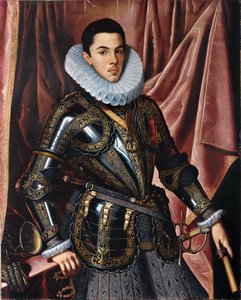
Juan Pantoja de la Cruz
1553 - 1608 , Spain
Kratke činjenice
- Artistic Movement Or Style: Mannerism
- Artists Or Movements Influenced By This Artist: ['Diego Velázquez']
- Artists Who Influenced This Artist:
- Alonso Sánchez Coello
- Antonis Mor
- Titian
- Date Of Birth: 1553
- Date Of Death: 1608
- Full Name: Juan Pantoja de la Cruz
- Nationality: Spanish
- Notable Artworks:
- Philip II portrait
- Philip III portrait
- Birth of the Virgin
- Place Of Birth: Valladolid, Spain

