

 Pregledaj u prostoru
 Pošalji
 Podeli
 Detalji o delu

 Преузми
 Slični predmeti
 Rendgenski snimak
 Slajdovi
 Statistika
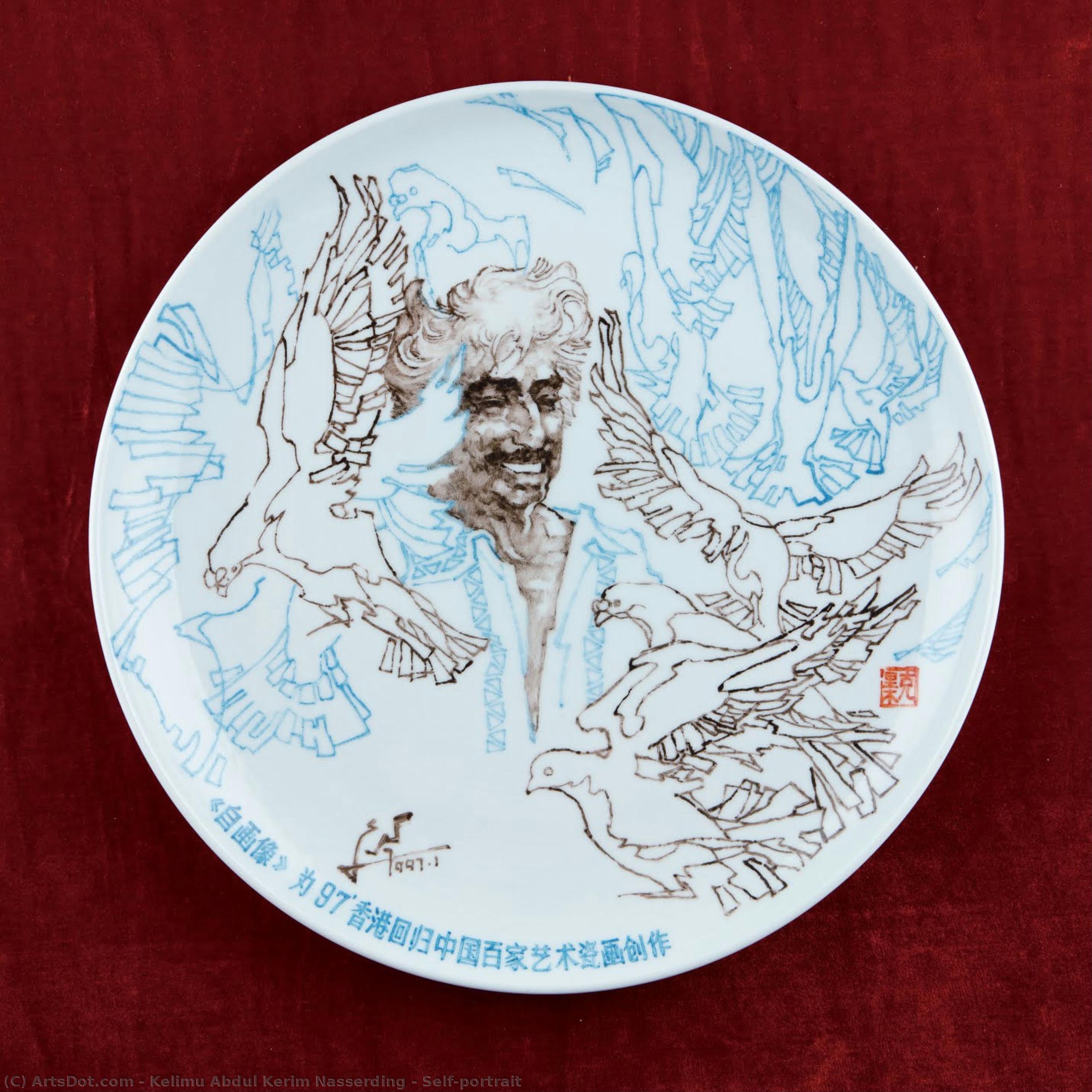
Self-portrait


 Pročitaj više
Ručno rađena uljana reprodukcija
Ručno oslikano uljanim bojama na platnu u dimenzijama i okviru po vašem izboru, izrađeno po porudžbini od strane naših umetnika. ( Pređi na štampu Pređi na digitalnu sliku)




































Izaberite jednu od naših unapred definisanih veličina koje odgovaraju originalnim proporcijama umetničkog dela.

Можете унети сопствене димензије како бисте прилагодили дело одређеном оквиру или простору. Ако одабрана величина не одговара пропорцијама оригинала, слика ће бити исечена или проширена додатним елементима који се ручно насликавају. Дигитални prikaz ће вам бити послат на одобрење пре почетка производње.
Имајте на уму да преглед на екрану не одражава стварно исецање или проширење. Само приказ (mockup) ће тачно приказати коначну композицију.
Иако су доступне прилагођене величине, препоручујемо да одаберете димензију из дефинисане листе како бисте сачували оригиналне пропорције.
Nakon narudžbine, tim ArtsDot.com će klijentu putem e-pošte poslati uputstva i dostaviti prikaz predloženog rešenja
Isporuka širom sveta () za 3/4 nedelje umesto uobičajenih 5 nedelja. (9 септембар). Bez kompromisa po pitanju kvaliteta.

Besplatna ekspresna dostava širom sveta

Visokokvalitetno laneno platno

Kompletno osiguranje transporta

Garancija povraćaja carine i uvoznih dažbina

Garancija vernosti boja

Politika povraćaja u roku od 100 dana (isključivo u slučaju nedostataka)

Garancija povrata novca od 100%

Popust pri grupnoj kupovini
 Opcija sa staklom dostupna je samo za dimenzije manje od 110 cm

Self-portrait
Tehnika reprodukcije
Dimenzije reprodukcije
-


Konačna cena
$ 263
Srodna umetnička dela
Biografija umetnika
A Life Etched in Clay: The Ceramic Portraits of Kelimu Abdul Kerim Nasserding
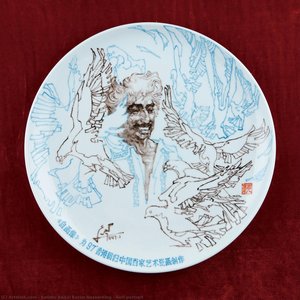
Kelimu Abdul Kerim Nasserding (1947-2014) was a singular voice within contemporary Chinese art, an Uyghur artist whose deeply personal and technically masterful ceramic paintings offered a rare glimpse into the complexities of identity, resilience, and the search for peace. Born in China, his life unfolded against a backdrop of cultural shifts and political currents that profoundly shaped his artistic vision. Nasserding’s journey began with formal training at the Art Department of the Xinjiang Academy of Arts and Design, laying the foundation for his unique approach to ceramic art. He wasn't simply painting *on* porcelain; he was transforming it into an intimate canvas for self-expression, utilizing ceramic glazes as his primary medium—a choice that would become his defining characteristic.The Language of Self-Portraiture
Nasserding’s oeuvre is most powerfully recognized for its series of self-portraits rendered on porcelain plaques. These are not conventional likenesses; they are deeply introspective studies, often depicting the artist with a quiet dignity and an almost melancholic gaze. The faces he created weren't idealized representations but rather honest reflections of his inner world—a world marked by both profound beauty and subtle sorrow. He employed a distinctive style blending realism with stylized linework, creating images that are simultaneously grounded in tangible form and imbued with a dreamlike quality. The use of ceramic glazes allowed for a rich palette and nuanced textures, enhancing the emotional depth of each portrait. His self-portraits became more than just depictions of an individual; they were explorations of Uyghur identity within a rapidly changing society.Technical Mastery and Artistic Influences
Nasserding’s skill as a ceramic artist was exceptional. He possessed a deep understanding of glaze chemistry, firing techniques, and the inherent properties of porcelain. This technical prowess allowed him to achieve remarkable effects—subtle gradations of color, delicate details, and a luminosity that drew viewers into his work. While rooted in traditional Chinese ceramic practices, Nasserding’s art wasn't simply a continuation of established forms. He synthesized elements from various sources, including classical portraiture and the expressive power of East Asian calligraphy. His work stands as a testament to the enduring legacy of Chinese artistic traditions while simultaneously forging new paths. He was particularly adept at using the medium to convey psychological states, employing color and texture to evoke feelings of peace, contemplation, and resilience.Themes of Identity and Resilience
The historical context surrounding Nasserding’s life is crucial to understanding his art. As a Uyghur artist living in Xinjiang, he navigated a complex cultural landscape marked by political tensions and social change. His work often subtly addressed themes of identity, displacement, and the preservation of cultural heritage. His self-portraits can be interpreted as acts of resistance—affirmations of individuality in the face of homogenization. The quiet dignity with which he depicted himself and his subjects speaks to a deep sense of inner strength and an unwavering commitment to artistic expression. He wasn’t creating overt political statements, but rather offering poignant reflections on the human condition within a specific cultural context.Legacy and Historical Significance
Kelimu Abdul Kerim Nasserding's untimely death in 2014 marked a loss for the art world. However, his legacy continues to inspire artists and viewers alike. His ceramic paintings stand as powerful testaments to the enduring power of self-expression and the importance of preserving cultural identity.- His work has been exhibited internationally, bringing Uyghur art to a wider audience.
- He is recognized as a pioneer in contemporary Chinese ceramic painting.
- Nasserding’s self-portraits offer valuable insights into the complexities of identity and resilience.
kelimu abdul kerim nasserding
1947 - 2014 , China
Osnovne informacije
- Artistic Movement Or Style: Ceramic Painting
- Date Of Death: 2014
- Full Name: Kelimu Abdul Kerim Nasserding
- Nationality: Uyghur
- Notable Artworks: ['Self-portrait']
- Place Of Birth: Xinjiang, China
Povezani članci
The Beauty of Ink Wash: Discover Serene & Soulful Art for Your Home
Discover the tranquil beauty of ink wash painting. Explore how Sumi-e and monochrome landscapes bring Zen-inspired serenity and soulful elegance to your home decor through expert curation and timeless East Asian aesthetics.
Ephemeral Expressions: Exploring the Nuances of Ink on Paper Through History & Contemporary Art
Explore the captivating world of ink wash painting – from its ancient origins to contemporary masters. Discover techniques, symbolism & conservation insights with ArtsDot.com.
The Alchemy of Clay: A Collector's Guide to the Mastery, Texture, and Timeless Form of Ceramic Art
Discover the profound beauty of ceramic art. Our expert guide explores the alchemy of clay, texture, and glaze, offering collectors deep insights into mastering earth and fire to create timeless, sculptural masterpieces for any curated collection.
Reflecting the Self: A History of Portraiture & Psychological Insight
Explore the fascinating history of self-portraiture from Renaissance masters like Dürer & Rembrandt to modern interpretations. Discover the psychological insights and artistic techniques behind these iconic works. Expert analysis for art enthusiasts.
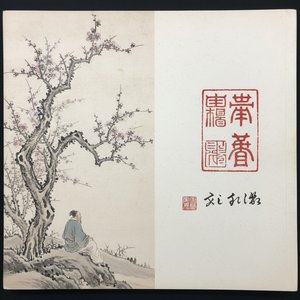
Xie Zhiliu: A Legacy of Ink Wash Painting & Modern Chinese Literati Tradition
Explore the legacy of Xie Zhiliu, a master of Chinese ink wash painting & prominent figure in modern art. Discover his techniques, influences, and contributions to literati tradition. A guide for discerning collectors.