

 Pregledaj u prostoru
 Pošalji
 Podeli
 Detalji o delu

 Преузми
 Slični predmeti
 Rendgenski snimak
 Slajdovi
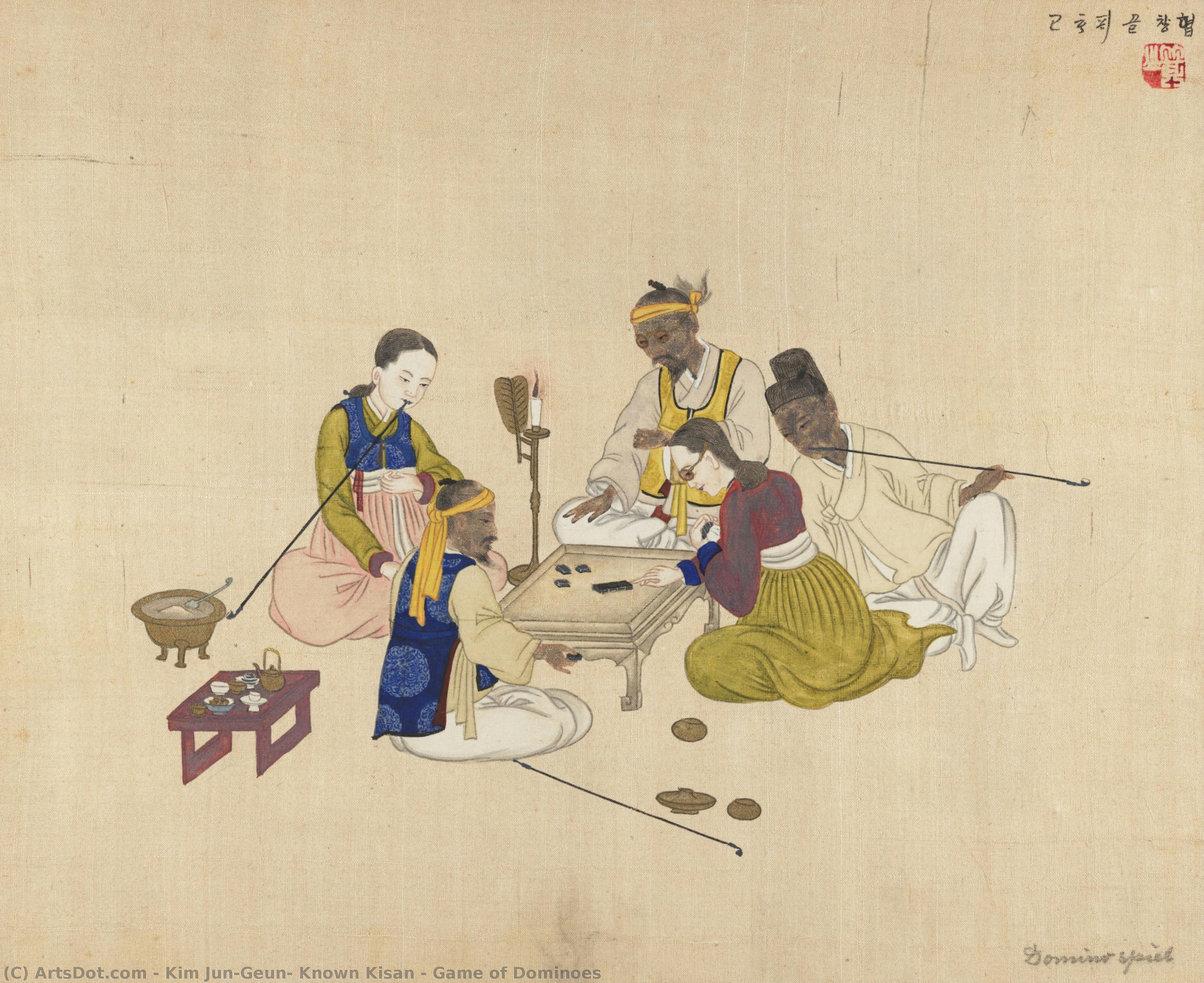
Game of Dominoes
 Watercolor
- WallArt
- Genre Painting
 1800
1800- 19th Century
 5.0 x 56.0 cm
 Museu do Oriente
 Pročitaj više
Ručno rađena uljana reprodukcija
Ručno oslikano uljanim bojama na platnu u dimenzijama i okviru po vašem izboru, izrađeno po porudžbini od strane naših umetnika. ( Kupi print Kupi digitalnu sliku)




P118B $10

P118H $10

P118W $10

P438Z $10

P508JH $12

P508YH $12

P805H $10

P805Z $10

P919BZ $10

P919G $10

P919XJ $10

P959ZH $10

P968JZ $12

W106C $8

W218G $10

W218JH $8

W218Y $10

W307PJ $10

W316G $10

W316PJ $8

W316Y $10

W398PJ $8

W4111J $10

W500HY $15

W500JH $15

W692G $12

W849H $8

W940BG $15

W953PJ $8




Izaberite jednu od naših unapred definisanih veličina koje odgovaraju originalnim proporcijama umetničkog dela.

Можете унети сопствене димензије како бисте прилагодили дело одређеном оквиру или простору. Ако одабрана величина не одговара пропорцијама оригинала, слика ће бити исечена или проширена додатним елементима који се ручно насликавају. Дигитални prikaz ће вам бити послат на одобрење пре почетка производње.
Имајте на уму да преглед на екрану не одражава стварно исецање или проширење. Само приказ (mockup) ће тачно приказати коначну композицију.
Иако су доступне прилагођене величине, препоручујемо да одаберете димензију из дефинисане листе како бисте сачували оригиналне пропорције.
Nakon narudžbine, tim ArtsDot.com će klijentu putem e-pošte poslati uputstva i dostaviti prikaz predloženog rešenja
Isporuka širom sveta () za 3/4 nedelje umesto uobičajenih 5 nedelja. (25 август). Bez kompromisa po pitanju kvaliteta.

Besplatna ekspresna dostava širom sveta

Visokokvalitetno laneno platno

Kompletno osiguranje transporta

Garancija povraćaja carine i uvoznih dažbina

Garancija vernosti boja

Politika povrata u roku od 60 dana (samo u slučaju nedostataka)

Garancija povrata novca od 100%

Popust pri grupnoj kupovini
 Opcija sa staklom dostupna je samo za dimenzije manje od 110 cm

Game of Dominoes
Tehnika reprodukcije
Dimenzije reprodukcije
-


Konačna cena
$ 263
Opis umetničkog dela
Srodna umetnička dela

Biografija umetnika
Kim Jun-geun (Kisan): A Chronicle of Rural Korea
The world of late 19th and early 20th century Korean art is often viewed through the lens of grand imperial narratives or political upheaval. Yet, within this context, a quiet revolution was unfolding – one captured with remarkable sensitivity and detail by Kim Jun-geun, more commonly known as Kisan. Born in a time of increasing Western influence and social change, Kisan’s work offers an intimate glimpse into the daily lives and traditions of rural Korea, revealing a profound connection to the land and its people. His paintings aren't merely depictions; they are windows into a vanishing world, imbued with a poignant beauty that continues to resonate today.
Kisan’s life remains somewhat shrouded in mystery, adding to the allure surrounding his art. He emerged as an artist during a period of significant transformation for Korea, navigating the complexities of modernization and the pressures of foreign intervention. While precise details about his early years are scarce, it's understood that he was a self-taught painter, developing his distinctive style largely independently. He adopted the name Kisan – literally “farmer” – reflecting his subject matter and likely symbolizing a commitment to representing the lives of ordinary Koreans. This deliberate choice underscores the importance of portraying the working class and rural communities, often overlooked in official artistic representations.
The World of Genre Painting
Kisan’s primary focus was on genre painting – a style that meticulously documented everyday scenes from common life. Unlike grand historical or religious paintings, his works centered on the routines, customs, and occupations of rural Koreans. His subjects ranged from humble farmers tending their fields to skilled artisans engaged in traditional crafts, from families sharing meals to children playing games. These weren’t idealized portrayals; Kisan presented a realistic, unvarnished view of Korean life, capturing both its hardships and its joys.
His technique was characterized by a remarkable attention to detail. Employing watercolor on paper – a medium particularly well-suited for capturing the nuances of light and texture – he meticulously rendered every element of his scenes. The brushstrokes are often loose and expressive, conveying a sense of immediacy and spontaneity. He skillfully used color to evoke atmosphere and mood, employing earthy tones to depict the landscapes and clothing worn by his subjects. The compositions are typically balanced and carefully arranged, drawing the viewer’s eye through each scene.
Key Works and Recurring Themes
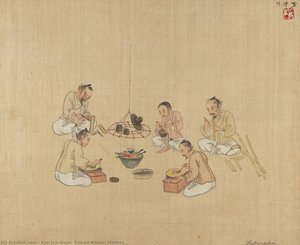
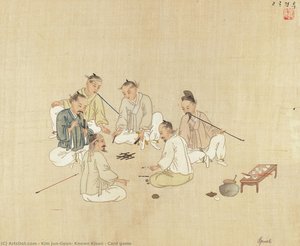
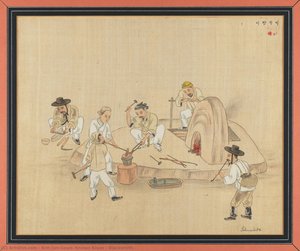
Among Kisan's most celebrated works is “Blacksmith,” a captivating watercolor depicting a Korean metalworker at his forge. The painting vividly portrays the physicality of labor, capturing the intensity of the blacksmith’s movements and the heat radiating from the flames. Similarly, "Game of Dominoes" offers a charming snapshot of domestic life, showcasing a family gathered around a table playing this traditional game. These scenes, alongside depictions of traditional Korean wrestling, noodle making, and other everyday activities, provide a rich tapestry of rural Korean culture.
Recurring themes in Kisan’s work include the importance of family, the connection to the land, and the value of tradition. He consistently portrays Koreans as hardworking, resilient individuals deeply rooted in their community and customs. His paintings also subtly highlight the challenges faced by rural communities – poverty, hardship, and the encroachment of modernization – without resorting to sentimentality or melodrama.
Historical Significance and Legacy
Kisan’s work holds significant historical value as a visual record of late 19th-century Korea. His paintings offer invaluable insights into the lives of ordinary Koreans during a period of profound change, documenting customs and traditions that were rapidly disappearing. They stand as a testament to his commitment to representing the experiences of those often marginalized in official narratives.
While Kisan’s work was largely appreciated by Western travelers and collectors during his lifetime, it wasn't until relatively recently that his art gained wider recognition within Korea. Today, his paintings are celebrated for their artistic merit and historical significance, serving as a powerful reminder of the rich cultural heritage of rural Korea. His legacy continues to inspire artists and scholars alike, ensuring that the stories of ordinary Koreans are preserved and shared through the enduring beauty of his work.
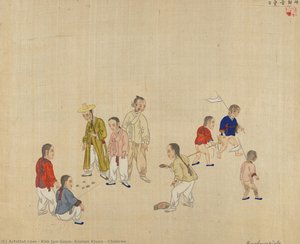
kim jun-geun, known kisan
South Korea
Osnovne informacije
- Artistic Movement Or Style: Genre painting
- Full Name: Kim Jun-geun (Kisan)
- Nationality: Korean
- Notable Artworks:
- Blacksmith
- Game of Dominoes
- Traditional wrestling
- Place Of Birth: South Korea
Povezani članci

Watercolor Wonders: 10 Masterpieces That Redefined Art History | ArtsDot
Journey through 10 legendary watercolor masterpieces by Sargent, Turner & Homer! Explore iconic landscapes, portraits & floral art that redefined history. Find museum-quality reproductions and curated decor ideas at ArtsDot.com.

Ephemeral Visions: Exploring the Artistic Legacy & Contemporary Practice of Watercolor Painting
Explore the captivating world of watercolor painting! Discover its rich history, essential techniques, influential artists & collecting tips. A comprehensive guide for art enthusiasts from ArtsDot.
Pixelated Prestige: Exploring Scarcity, Value, and Cultural Impact in Limited Edition Gaming Paintings
Explore the world of limited edition gaming paintings! Discover investment strategies, artist insights & preservation tips for collectors. Trusted expertise in rare video game art.
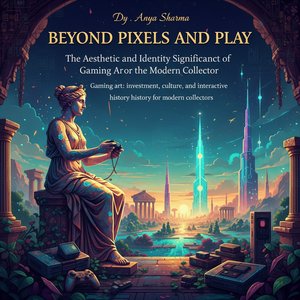
Iznad Piksela i Igre: Estetski i Identitetski Značaj Gejming Umetnosti za Modernog Kolekcionara
Istražite svet gejming umetnosti! Ekskluzivna analiza kolekcionarskih predmeta, trendova i investicionih mogućnosti. Saveti stručnjaka za modernog kolekcionara.
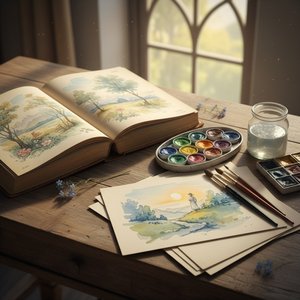
Ephemeral Visions: Exploring the History & Emotional Resonance of Watercolor Painting
Explore the captivating history of watercolor painting, from ancient techniques to modern masters like Kandinsky & Blake. Discover essential artists, collecting tips & the emotional power of this luminous medium. Expert insights for art enthusiasts.

