

 Pregledaj u prostoru
 Pošalji
 Podeli
 Detalji o delu

 Преузми
 Slični predmeti
 Rendgenski snimak
 Slajdovi
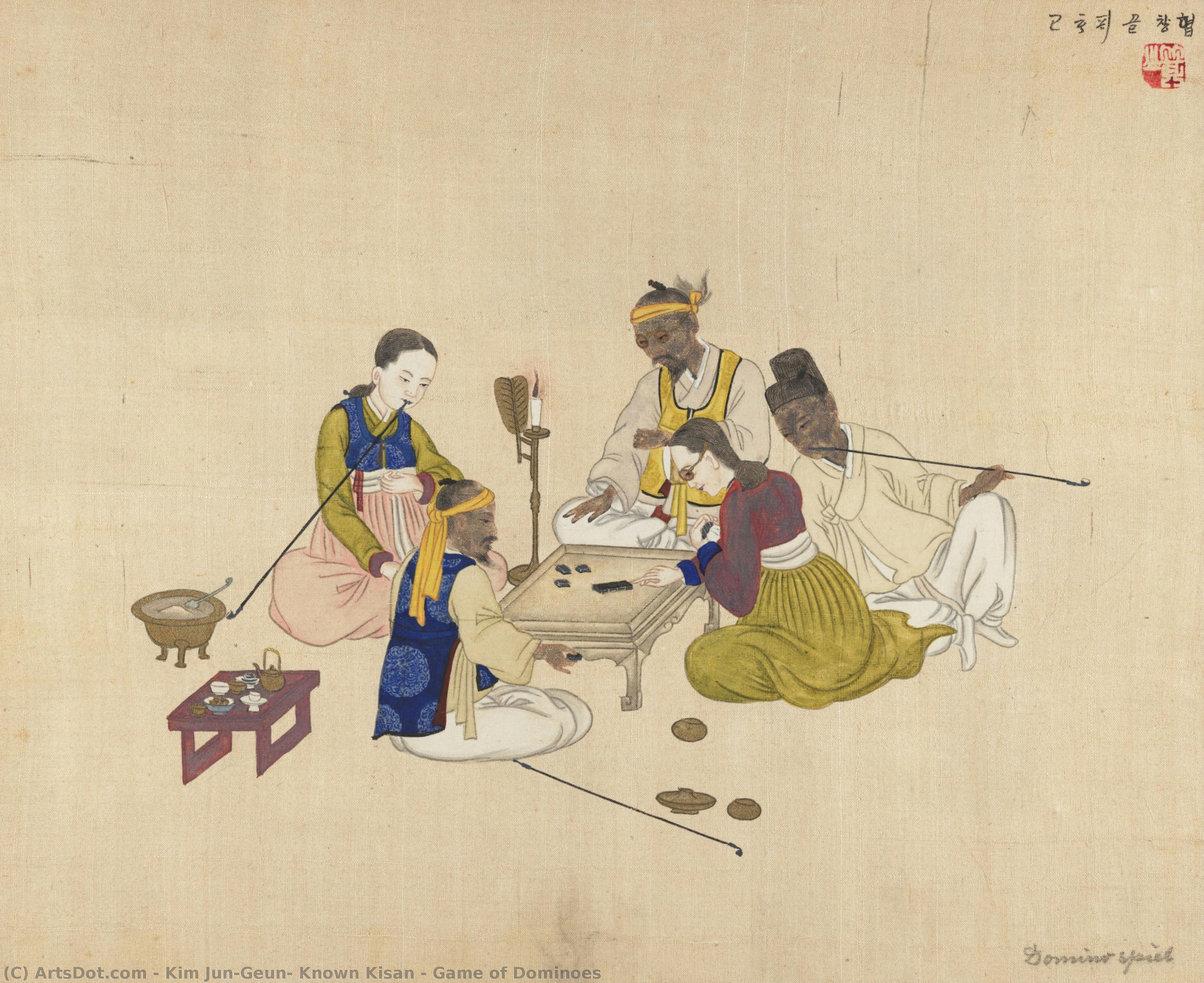
Game of Dominoes
 Watercolor
- WallArt
- Genre Painting
 1800
1800- 19th Century
 5.0 x 56.0 cm
 Museu do Oriente
 Pročitaj više
Kupite digitalnu sliku visoke rezolucije i poboljšanog kvaliteta, koja je znatno superiornija od onoga što vidite u online prikazu.
Svaka datoteka je pedantno pripremljena od strane naših stručnjaka koristeći napredne alate i profesionalnu ručnu retušu. Osiguravamo da svaka slika ima izuzetnu oštrinu, preciznu reprodukciju boja i fine detalje.
Konačna datoteka se dostavlja putem e-pošte u roku od 72 sata, optimizovana za neposrednu upotrebu u profesionalnim, izdavačkim i štamparskim okruženjima. To je isti kvalitet kojem veruju vrhunski studiji dizajna, izdavači i galerije.
Digitalna slika
Preuzmite datoteku visoke rezolucije za ličnu upotrebu, štampanje i kreativne projekte. ( Kupi print Kupi ručno naslikanu sliku)
Uključeno uz svaku porudžbinu digitalne slike
Profesionalna digitalna isporuka, zagarantovana
Kada odaberete ArtsDot.com, ne dobijate samo sliku – vi primate profesionalno unapređeno digitalno umetničko delo, izrađeno sa najvećom preciznošću i uz garanciju zadovoljstva. Evo svega što automatski dolazi uz vašu porudžbinu:

Brza dostava putem e-pošte
Vaša digitalna slika visoke rezolucije biće vam poslata putem e-pošte u roku od 72 sata od poručivanja – spremna za trenutnu upotrebu.

Digitalna datoteka unapređena veštačkom inteligencijom
Vaše umetničko delo je profesionalno optimizovano korišćenjem naprednih AI alata i ručne obrade, čime se osiguravaju maksimalni detalji, oštrina i preciznost boja.

Besplatna ponovna isporuka doživotno
Slučajno ste obrisali ili izgubili svoju datoteku? Ne brinite – poslaćemo vam je ponovo u bilo kom trenutku, potpuno besplatno.

Bez troškova uvoza – zauvek
Uživajte u svojim umetničkim delima trenutno, bez carine, dažbina ili troškova dostave – digitalni download je uvek bez poreza.

Garancija vernosti boja
Uz pomoć profesionalnih alata i upravljanja bojama, osiguravamo da vaša digitalna slika što vernije odražava originalne boje.

Garancija zadovoljstva u roku od 60 dana
Ako niste zadovoljni svojom digitalnom slikom, revidirat ćemo je ili vratiti 100% novca u roku od 60 dana – bez ikakvih pitanja.

100% garancija povrata novca
Niste zadovoljni? Obezbedite pun povrat novca u roku od 60 dana od trenutka kada ste primili svoju digitalnu datoteku – bez suvišnih pitanja.

Popusti na velike porudžbine
Kupite 3 slike, uštedite 10% - Kupite 5 slika, uštedite 15% - Kupite 10+ slika, uštedite 20%. Odlično za kreativne projekte, galerije i agencije.
Opis kolekcionarskog dela
Srodna umetnička dela

Biografija umetnika
Kim Jun-geun (Kisan): A Chronicle of Rural Korea
The world of late 19th and early 20th century Korean art is often viewed through the lens of grand imperial narratives or political upheaval. Yet, within this context, a quiet revolution was unfolding – one captured with remarkable sensitivity and detail by Kim Jun-geun, more commonly known as Kisan. Born in a time of increasing Western influence and social change, Kisan’s work offers an intimate glimpse into the daily lives and traditions of rural Korea, revealing a profound connection to the land and its people. His paintings aren't merely depictions; they are windows into a vanishing world, imbued with a poignant beauty that continues to resonate today.
Kisan’s life remains somewhat shrouded in mystery, adding to the allure surrounding his art. He emerged as an artist during a period of significant transformation for Korea, navigating the complexities of modernization and the pressures of foreign intervention. While precise details about his early years are scarce, it's understood that he was a self-taught painter, developing his distinctive style largely independently. He adopted the name Kisan – literally “farmer” – reflecting his subject matter and likely symbolizing a commitment to representing the lives of ordinary Koreans. This deliberate choice underscores the importance of portraying the working class and rural communities, often overlooked in official artistic representations.
The World of Genre Painting
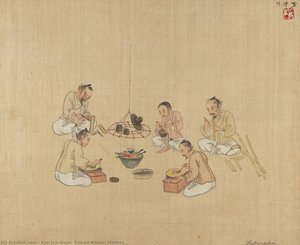
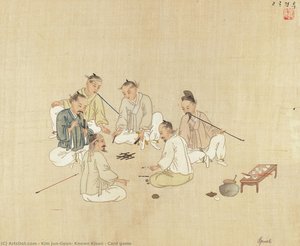
Kisan’s primary focus was on genre painting – a style that meticulously documented everyday scenes from common life. Unlike grand historical or religious paintings, his works centered on the routines, customs, and occupations of rural Koreans. His subjects ranged from humble farmers tending their fields to skilled artisans engaged in traditional crafts, from families sharing meals to children playing games. These weren’t idealized portrayals; Kisan presented a realistic, unvarnished view of Korean life, capturing both its hardships and its joys.
His technique was characterized by a remarkable attention to detail. Employing watercolor on paper – a medium particularly well-suited for capturing the nuances of light and texture – he meticulously rendered every element of his scenes. The brushstrokes are often loose and expressive, conveying a sense of immediacy and spontaneity. He skillfully used color to evoke atmosphere and mood, employing earthy tones to depict the landscapes and clothing worn by his subjects. The compositions are typically balanced and carefully arranged, drawing the viewer’s eye through each scene.
Key Works and Recurring Themes
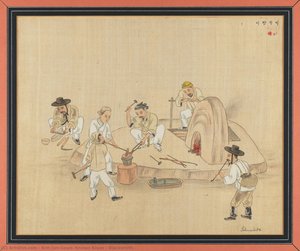
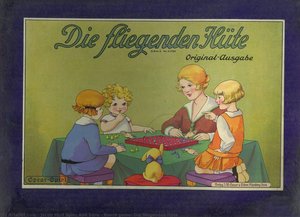
Among Kisan's most celebrated works is “Blacksmith,” a captivating watercolor depicting a Korean metalworker at his forge. The painting vividly portrays the physicality of labor, capturing the intensity of the blacksmith’s movements and the heat radiating from the flames. Similarly, "Game of Dominoes" offers a charming snapshot of domestic life, showcasing a family gathered around a table playing this traditional game. These scenes, alongside depictions of traditional Korean wrestling, noodle making, and other everyday activities, provide a rich tapestry of rural Korean culture.
Recurring themes in Kisan’s work include the importance of family, the connection to the land, and the value of tradition. He consistently portrays Koreans as hardworking, resilient individuals deeply rooted in their community and customs. His paintings also subtly highlight the challenges faced by rural communities – poverty, hardship, and the encroachment of modernization – without resorting to sentimentality or melodrama.
Historical Significance and Legacy
Kisan’s work holds significant historical value as a visual record of late 19th-century Korea. His paintings offer invaluable insights into the lives of ordinary Koreans during a period of profound change, documenting customs and traditions that were rapidly disappearing. They stand as a testament to his commitment to representing the experiences of those often marginalized in official narratives.
While Kisan’s work was largely appreciated by Western travelers and collectors during his lifetime, it wasn't until relatively recently that his art gained wider recognition within Korea. Today, his paintings are celebrated for their artistic merit and historical significance, serving as a powerful reminder of the rich cultural heritage of rural Korea. His legacy continues to inspire artists and scholars alike, ensuring that the stories of ordinary Koreans are preserved and shared through the enduring beauty of his work.
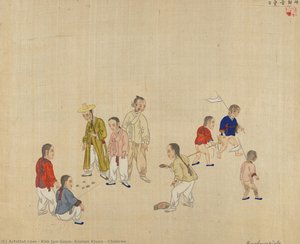
kim jun-geun, known kisan
South Korea
Kratke činjenice
- Artistic Movement Or Style: Genre painting
- Full Name: Kim Jun-geun (Kisan)
- Nationality: Korean
- Notable Artworks:
- Blacksmith
- Game of Dominoes
- Traditional wrestling
- Place Of Birth: South Korea

