

 Pregledaj u prostoru
 Pošalji
 Podeli
 Detalji o delu

 Преузми
 Slični predmeti
 Rendgenski snimak
 Slajdovi
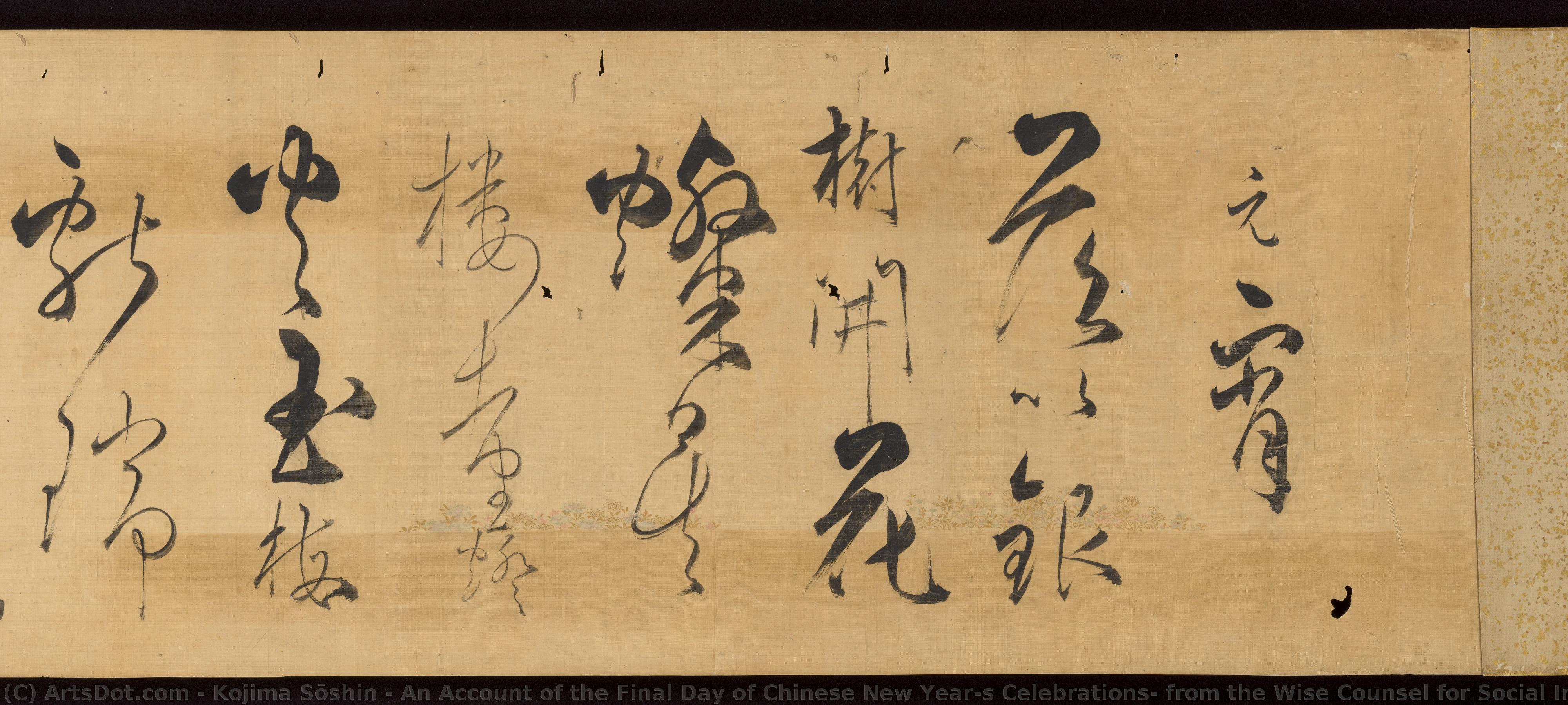
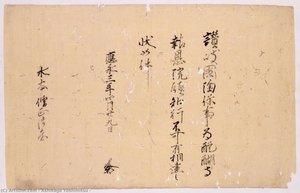
An Account of the Final Day of Chinese New Year’s Celebrations, from the Wise Counsel for Social Intercourse
 Momoyama Period
 1657
1657 28.0 x 397.0 cm
 Pročitaj više
Kupite digitalnu sliku visoke rezolucije i poboljšanog kvaliteta, koja je znatno superiornija od onoga što vidite u online prikazu.
Svaka datoteka je pedantno pripremljena od strane naših stručnjaka koristeći napredne alate i profesionalnu ručnu retušu. Osiguravamo da svaka slika ima izuzetnu oštrinu, preciznu reprodukciju boja i fine detalje.
Konačna datoteka se dostavlja putem e-pošte u roku od 72 sata, optimizovana za neposrednu upotrebu u profesionalnim, izdavačkim i štamparskim okruženjima. To je isti kvalitet kojem veruju vrhunski studiji dizajna, izdavači i galerije.
Digitalna slika
Preuzmite datoteku visoke rezolucije za ličnu upotrebu, štampanje i kreativne projekte. ( Kupi print Kupi ručno naslikanu sliku)
Uključeno uz svaku porudžbinu digitalne slike
Profesionalna digitalna isporuka, zagarantovana
Kada odaberete ArtsDot.com, ne dobijate samo sliku – vi primate profesionalno unapređeno digitalno umetničko delo, izrađeno sa najvećom preciznošću i uz garanciju zadovoljstva. Evo svega što automatski dolazi uz vašu porudžbinu:

Brza dostava putem e-pošte
Vaša digitalna slika visoke rezolucije biće vam poslata putem e-pošte u roku od 72 sata od poručivanja – spremna za trenutnu upotrebu.

Digitalna datoteka unapređena veštačkom inteligencijom
Vaše umetničko delo je profesionalno optimizovano korišćenjem naprednih AI alata i ručne obrade, čime se osiguravaju maksimalni detalji, oštrina i preciznost boja.

Besplatna ponovna isporuka doživotno
Slučajno ste obrisali ili izgubili svoju datoteku? Ne brinite – poslaćemo vam je ponovo u bilo kom trenutku, potpuno besplatno.

Bez troškova uvoza – zauvek
Uživajte u svojim umetničkim delima trenutno, bez carine, dažbina ili troškova dostave – digitalni download je uvek bez poreza.

Garancija vernosti boja
Uz pomoć profesionalnih alata i upravljanja bojama, osiguravamo da vaša digitalna slika što vernije odražava originalne boje.

Garancija zadovoljstva u roku od 60 dana
Ako niste zadovoljni svojom digitalnom slikom, revidirat ćemo je ili vratiti 100% novca u roku od 60 dana – bez ikakvih pitanja.

100% garancija povrata novca
Niste zadovoljni? Obezbedite pun povrat novca u roku od 60 dana od trenutka kada ste primili svoju digitalnu datoteku – bez suvišnih pitanja.

Popusti na velike porudžbine
Kupite 3 slike, uštedite 10% - Kupite 5 slika, uštedite 15% - Kupite 10+ slika, uštedite 20%. Odlično za kreativne projekte, galerije i agencije.
Srodna umetnička dela
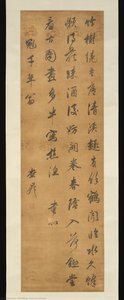
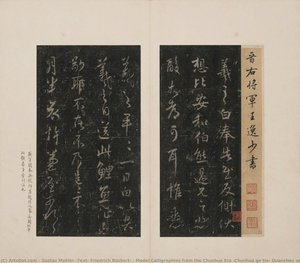
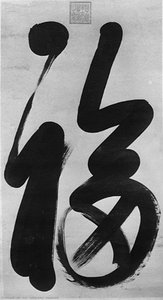
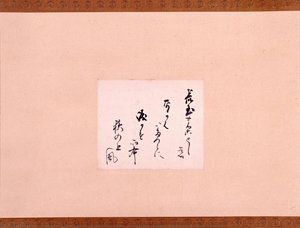
Biografija umetnika
Kojima Sōshin: A Master of Flow and Echoes
Kojima Sōshin (小島宗真), a name now deeply respected within the annals of Japanese art history, was more than simply a calligrapher; he was a weaver of atmosphere, a conduit for poetic expression, and a student of both ancient Chinese aesthetics and the evolving sensibilities of his time. Born in Japan – details of his early life remain somewhat elusive, though he is known to have been nurtured within the vibrant cultural landscape of Kyoto during the Momoyama period (late sixteenth and early seventeenth centuries) – Sōshin’s legacy rests upon a foundation of rigorous training and an unmistakable artistic voice. He emerged as one of the great calligraphers following in the footsteps of luminaries like Hon’ami Kōetsu, Karasumaru Mitsuhiro, and others who shaped the artistic currents of their era, establishing himself through his distinctive style characterized by flowing kana (Japanese syllabic characters) interwoven with kanji (Chinese characters), often accompanied by deeply resonant poetic texts. His work was immediately recognizable by its signature and two seals, subtle markers of authenticity and personal connection to each piece.Early Influences and Artistic Development
Sōshin’s artistic journey began under the tutelage of Hon’ami Kōetsu, a pivotal figure in Momoyama art known for his innovative approach to design and his patronage of numerous artists. This formative period instilled within him a deep appreciation for balance, harmony, and the integration of diverse artistic disciplines – a hallmark of the era. His style was profoundly influenced by *suiboku ga*, a Chinese ink brush painting technique that emerged during the Tang Dynasty (618–907 CE). *Suiboku ga* relies on the skillful manipulation of black ink in varying concentrations, creating a monochrome palette rich with texture and depth. This foundational understanding informed Sōshin’s approach to calligraphy, where he masterfully employed variations in brush pressure and ink flow to evoke subtle shifts in tone and mood. Furthermore, his work reflects the impact of *bunjinga*, a style of Japanese painting that flourished during the Edo period (1603-1868). Unlike the meticulous techniques emphasized by earlier schools, *bunjinga* prioritized individual expression and personal interpretation, allowing for greater emotional resonance and a more intimate connection between artist and subject. This emphasis on subjective experience is clearly evident in Sōshin’s work, particularly his poetic texts which seem to breathe with emotion.Signature Style and Notable Works
Sōshin's artistic style was immediately recognizable by its elegant fluidity and the careful balance between traditional Japanese aesthetics and Chinese influences. He frequently combined kana and kanji in a way that created a dynamic visual rhythm, drawing upon the inherent beauty of both scripts. His compositions were often characterized by a sense of spaciousness and tranquility, achieved through the strategic use of negative space and subtle variations in ink density. A prime example of this style is his “soeki nari” tea bowl, a remarkable piece of *raku ware* – a celebrated ceramic style of the Momoyama period known for its distinctive crackled glaze. This bowl exemplifies Sōshin’s ability to imbue an everyday object with artistic significance and emotional depth. Another significant work is "Dragon in the Clouds," currently housed at the Fukuoka Art Museum in Kyoto, a masterpiece that showcases his technical skill and poetic sensibility. The piece's dynamic composition and evocative imagery demonstrate Sōshin’s mastery of capturing movement and atmosphere through calligraphy.Legacy and Recognition
Kojima Sōshin’s influence extends far beyond the individual works he created. He was a respected member of the Japan Botanical Art Association, demonstrating his commitment to artistic exploration across various mediums. His dedication to his craft led to numerous exhibitions in both Japan and China, receiving widespread acclaim for his unique vision and technical proficiency. These exhibitions, including “The Edo Period: Art and Culture in Japan, 1603-1868” at the Museum of Modern Art, Japan, served as a testament to his enduring legacy. His work continues to inspire artists today, solidifying his place as a pivotal figure in Japanese art history.Continuing Influence
Sōshin’s artistic principles and techniques have resonated through generations of calligraphers and artists. His exploration of the interplay between kana and kanji, combined with his deep understanding of *suiboku ga* and *bunjinga*, established a distinctive style that remains highly valued for its elegance, subtlety, and emotional depth. His dedication to watercolor pencil artwork further broadened his artistic horizons, showcasing his versatility and commitment to pushing the boundaries of traditional techniques. The echoes of Sōshin’s work can be found in contemporary calligraphy and painting, demonstrating the lasting impact of this remarkable artist on the Japanese art world.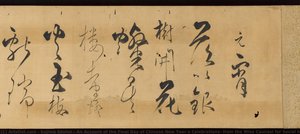
kojima sōshin
Japan
Kratke činjenice
- Artistic Movement Or Style: Momoyama calligraphy, Suiboku ga, Bunjinga
- Artists Or Movements Influenced By This Artist: ['Suihogaku']
- Artists Who Influenced This Artist: ['Hon’ami Kōetsu']
- Date Of Death: Living
- Full Name: Kojima Sōshin
- Nationality: Japanese
- Notable Artworks:
- Soeki nari
- Dragon in the clouds
- Place Of Birth: Japan

