

 Pregledaj u prostoru
 Pošalji
 Podeli
 Detalji o delu

 Преузми
 Slični predmeti
 Rendgenski snimak
 Slajdovi
 Statistika
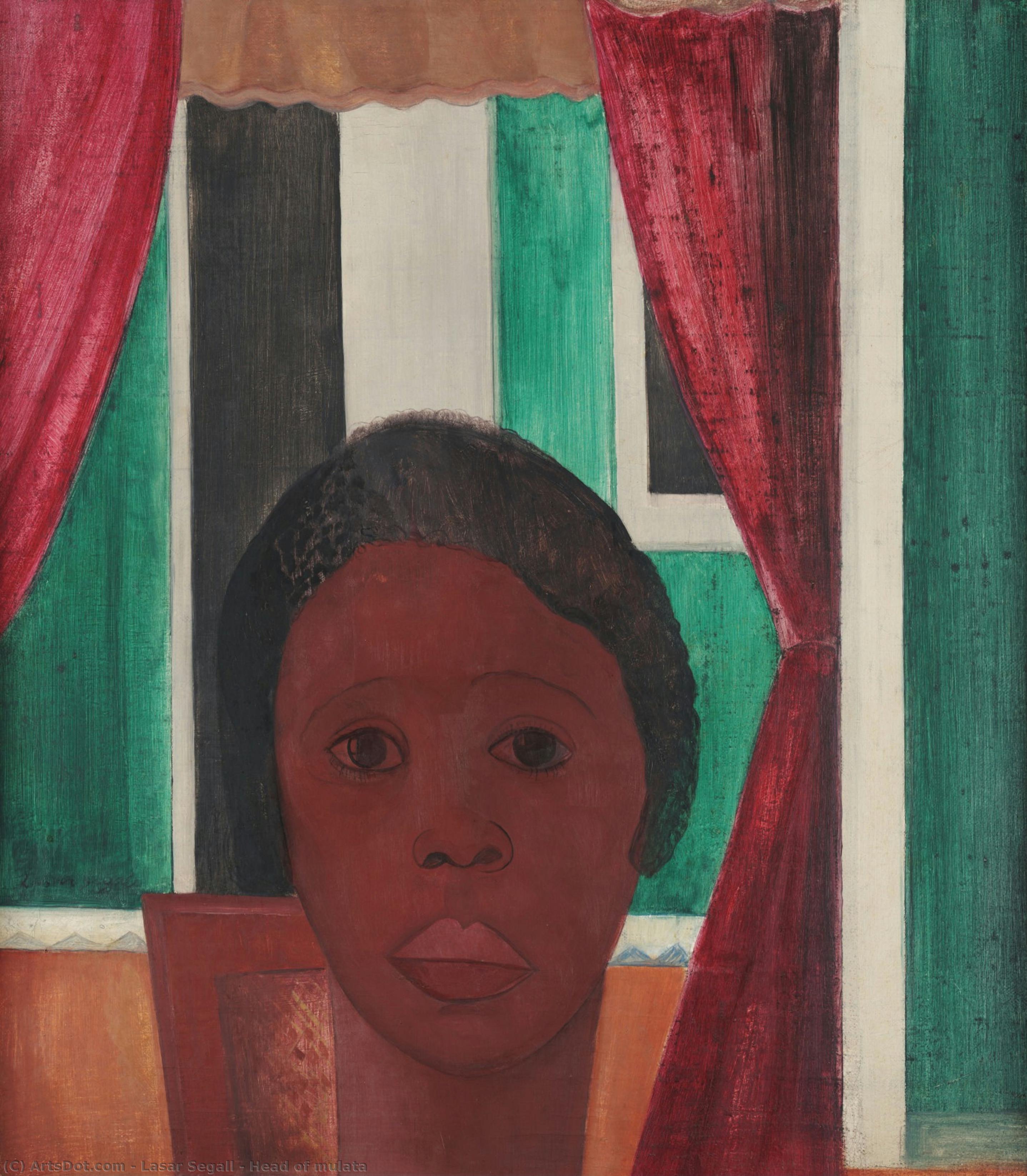
Head of mulata


 Pročitaj više
Giclee štampa / Umetnički otisak
Giclée štampa ili print na platnu muzejskog kvaliteta uz brzu proizvodnju i fleksibilne opcije završne obrade. ( Kupi ručno naslikanu sliku Pređi na digitalnu sliku)




P118B $10

P118H $10

P118W $10

P438Z $10

P508JH $12

P508YH $12

P805H $10

P805Z $10

P919BZ $10

P919G $10

P919XJ $10

P959ZH $10

P968JZ $12

W106C $8

W218G $10

W218JH $8

W218Y $10

W307PJ $10

W316G $10

W316PJ $8

W316Y $10

W398PJ $8

W4111J $10

W500HY $15

W500JH $15

W692G $12

W849H $8

W940BG $15

W953PJ $8




Izaberite jednu od naših unapred definisanih veličina koje odgovaraju originalnim proporcijama umetničkog dela.

Možete uneti sopstvene dimenzije kako biste umetničko delo prilagodili specifičnom okviru ili prostoru. Ako odabrani format ne odgovara proporcijama originalne slike, mi ćemo ili iscrtati deo dela ili proširiti sliku pomoću ogledane ivice ili jednobojnog popunjavanja. Digitalni prikaz će vam biti poslat na odobrenje pre početka proizvodnje.
Imajte na umu da pregled na ekranu ne odražava stvarno iscrtavanje ili proširivanje. Samo će prikaz (mockup) precizno pokazati finalnu kompoziciju.
Iako su prilagođene dimenzije dostupne, preporučujemo da odaberete dimenziju sa unapred definisane liste kako biste očuvali originalne proporcije.
Dostava širom sveta () za 2 nedelje umesto uobičajenih 4/5 nedelja. (11 септембар)

Besplatna ekspresna dostava širom sveta

Visokokvalitetno laneno platno

Kompletno osiguranje transporta

Garancija povraćaja carine i uvoznih dažbina

Garancija vernosti boja

Politika povraćaja u roku od 100 dana (isključivo u slučaju nedostataka)

Garancija povrata novca od 100%

Popust pri grupnoj kupovini
 Opcija sa staklom dostupna je samo za dimenzije manje od 110 cm

Head of mulata
Giclee štampa / Umetnički otisak
Dimenzije reprodukcije
-


Konačna cena
$ 62
A Moment Frozen in Expression
In the evocative portrait Head of mulata, painted in 1927, we are invited into a private, almost breathless moment of human connection. The subject, a woman of striking dark complexion, is captured mid-breath, her mouth slightly parted as if caught in the fleeting transition between a sigh and a spoken word. This sense of immediacy creates an intimate dialogue between the sitter and the viewer, pulling us into her personal space. Lasar Segall, a master of capturing the raw essence of the human condition, utilizes this portrait to explore the vulnerability and vitality of life. The composition is anchored by a profound sense of atmosphere; the background, featuring a window draped with soft curtains, suggests an interior sanctuary, a quiet corner of a world that feels both mysterious and deeply lived-in.
The setting plays a crucial role in establishing the painting's psychological depth. By placing two chairs in the foreground—one flanking the left and another on the right—Segall introduces a structural rhythm that guides the eye toward the central figure. These objects do more than merely suggest a domestic living space; they act as silent witnesses to the scene, adding layers of dimension and suggesting the presence of others who might have recently departed or are about to arrive. This arrangement creates a stage-like quality, where the stillness of the furniture contrasts beautifully with the kinetic energy of the woman's expression, making the painting feel like a single frame captured from a much larger, unfolding drama.
The Mastery of Light and Emotion
Technically, the work reflects Segall’s unique ability to blend expressive line work with a sensitive approach to light and shadow. The interplay between the dark tones of the subject's skin and the soft, diffused light filtering through the window creates a chiaroscuro effect that lends the piece a sculptural quality. Every brushstroke seems calculated to evoke warmth and texture, from the heavy presence of the chairs to the delicate folds of the curtains. For collectors and interior designers alike, this painting offers a sophisticated balance of tonal depth and emotional resonance, making it a centerpiece capable of anchoring a room with its quiet intensity.
Beyond its visual beauty, Head of mulata carries a profound historical and symbolic weight. Created during a period of Segall's life marked by movement and the exploration of new cultural landscapes, the painting embodies the artist's fascination with identity and the universal language of emotion. The piece does not merely depict a person; it depicts a feeling—the tension between solitude and communication, the beauty found in the mundane, and the enduring strength of the human spirit. It is an exquisite choice for those seeking to adorn their spaces with art that provokes thought, invites contemplation, and brings a touch of timeless, soulful elegance to any modern or classical interior.
Srodna umetnička dela

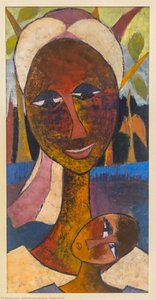
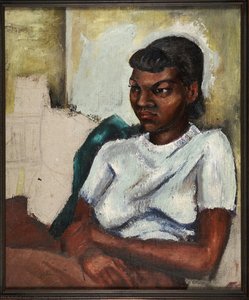
Biografija umetnika
A Life Forged in Displacement: The Journey of Lasar Segall
Lasar Segall’s life was a testament to the power of art born from displacement and suffering, a narrative etched onto canvas with raw emotion and innovative technique. Born on July 21, 1891, in Vilnius, Lithuania—then part of the Russian Empire—Segall inherited a profound connection to his Jewish heritage through his father, a Torah scribe. This early immersion in tradition would become a recurring undercurrent throughout his artistic explorations, even as he navigated a world increasingly defined by upheaval and change. His formative years were steeped in the anxieties of a society grappling with political unrest and religious persecution, themes that would later dominate his work. The seeds of an artist acutely sensitive to human vulnerability were sown early, nurtured by a childhood shadowed by uncertainty.From Berlin to Brazil: A Blossoming Artistic Voice
At fifteen, Segall embarked on a journey that would irrevocably shape his artistic trajectory, moving to Berlin in 1906 to study at the Königliche Akademie der Künste. This immersion into the vibrant German art scene proved pivotal, exposing him to new ideas and techniques while simultaneously solidifying his commitment to self-expression. He continued his studies in Dresden, becoming a “Meisterschüler” at the Kunstakademie, where he began developing a distinctive style characterized by troubled figures inhabiting claustrophobic spaces, their features often exaggerated to convey profound emotional distress. These early works were not merely representations of form; they were visceral expressions of alienation and suffering, influenced by African tribal art and foreshadowing the Expressionist movement that would soon claim him as one of its own. Segall’s involvement with the Dresden Secession Gruppe in 1919, alongside artists like Otto Dix and Conrad Felixmüller, marked a significant step toward artistic independence and a rejection of conventional norms. However, the turbulence of post-war Europe fueled his desire for a new beginning. In 1923, he made the momentous decision to relocate to São Paulo, Brazil, joining siblings who had already established themselves in the country. This move proved transformative, not only offering him refuge but also exposing him to a culture brimming with vibrant colors, diverse influences, and a unique energy that would infuse his art with new life.Brazilian Rhythms and Modernist Visions
Brazil became more than just a haven for Segall; it was a catalyst for artistic reinvention. He quickly embraced the country’s multifaceted identity, drawing inspiration from its bustling cities, lush landscapes, and diverse population. The red-light districts of Rio de Janeiro, the lives of plantation workers, and the vibrant energy of the favelas all found their way onto his canvases. His participation in the pivotal Semana de Arte Moderna (Modern Art Week) in 1922 solidified his position as a leading figure in the Brazilian modernist movement, challenging traditional artistic conventions and paving the way for a new era of creative expression. While retaining elements of Expressionism, Segall’s style evolved towards a more Cubist-influenced approach, reflecting the dynamic forms and bold colors of Brazilian life. He became a Brazilian citizen, fully immersing himself in the cultural landscape while continuing to explore universal themes of human suffering, displacement, and identity.A Legacy of Empathy and Social Commentary
The mature phase of Segall’s career was marked by a deepening exploration of portraiture, landscapes imbued with social commentary, and a continued commitment to portraying the marginalized and oppressed. His portraits, such as “Portrait of Lucy” (1937) and “Lucy with Flower” (1942), are particularly poignant, capturing not just physical likeness but also the inner lives and emotional complexities of his subjects. These works demonstrate an extraordinary ability to convey empathy and understanding through expressive brushwork and a keen sensitivity to human emotion. His landscapes often served as vehicles for social critique, reflecting on the realities of poverty, inequality, and injustice in Brazil. Throughout his life, Segall remained deeply connected to his Jewish heritage and experiences as an immigrant, themes that consistently resurfaced in his art. He died on August 2, 1957, leaving behind a rich artistic legacy that continues to resonate with audiences today. The Museu Lasar Segall in São Paulo, housed in his former residence and studio, stands as a testament to his enduring influence and provides invaluable insight into the life and work of this remarkable artist—a pivotal figure who bridged European traditions with Brazilian realities, leaving an indelible mark on the landscape of modern art. His work remains a powerful reminder of the importance of empathy, social consciousness, and artistic integrity.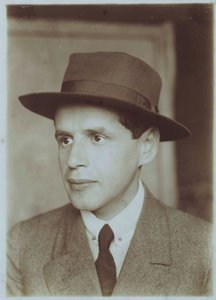
Lasar Segall
1891 - 1957 , Lithuania
Osnovne informacije
- Artistic Movement Or Style: Expressionism, Modernism
- Artists Or Movements Influenced By This Artist: ['Brazilian modern artists']
- Artists Who Influenced This Artist: ['African tribal art']
- Date Of Birth: July 21, 1891
- Date Of Death: August 2, 1957
- Full Name: Lasar Segall
- Nationality: Lithuanian-Brazilian
- Notable Artworks:
- Lucy with Flower
- Portrait of Lucy
- Place Of Birth: Vilnius, Lithuania
Povezani članci
The Enduring Gaze: A Historical & Artistic Exploration of Portraiture Across Cultures
Explore the rich history of portraiture with ArtsDot.com! Discover symbolism, techniques & master artists from antiquity to modern times. Expert insights for art collectors.
The Enduring Gaze: A Historical & Artistic Exploration of Portraiture Across Movements
Explore the rich history of portraiture with ArtsDot.com! Discover iconic masterpieces, influential artists & movements. Expert analysis for collectors and enthusiasts. Find your perfect artwork today.

June Mendoza: A Legacy of Intimate Realism & Emotional Depth in Contemporary Portraiture
Explore the captivating world of June Mendoza (1924-2024), a master of intimate realism in contemporary portraiture. Discover her iconic works, including the poignant Chelsea Pensioners series, and delve into her artistic legacy.
The Enduring Legacy of Formal Portraiture: Power, Identity & Artistic Exploration
Explore the rich history of formal portraiture & its enduring power to capture identity and shape perception. Discover investment-worthy artworks, expert appraisals, and custom reproduction services at ArtsDot.
The Grandeur of Presence: Exploring Representations of Stately Bearing in Western Portraiture
Explore the art of stately bearing in Western portraiture with expert analysis of Renaissance & Baroque masterpieces. Discover symbolism, techniques, and the legacy of iconic portraits – a guide for discerning collectors.