

 Pregledaj u prostoru
 Pošalji
 Podeli
 Detalji o delu

 Преузми
 Slični predmeti
 Rendgenski snimak
 Slajdovi
 Statistika
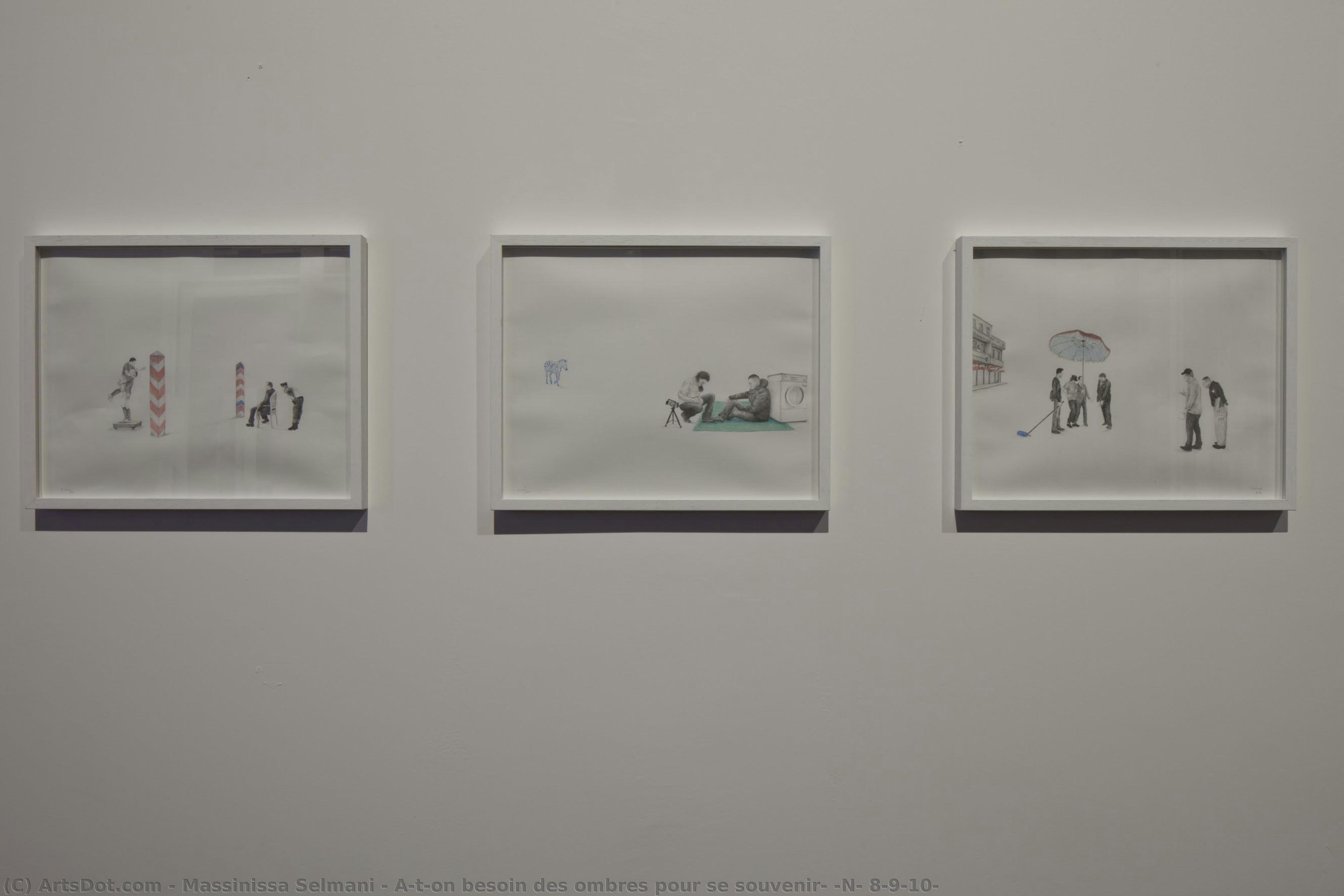
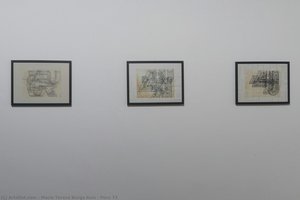
A-t-on besoin des ombres pour se souvenir? (N° 8-9-10)


 Pročitaj više
Giclee štampa / Umetnički otisak
Giclée štampa ili print na platnu muzejskog kvaliteta uz brzu proizvodnju i fleksibilne opcije završne obrade. ( Kupi ručno naslikanu sliku Pređi na digitalnu sliku)




































Izaberite jednu od naših unapred definisanih veličina koje odgovaraju originalnim proporcijama umetničkog dela.

Možete uneti sopstvene dimenzije kako biste umetničko delo prilagodili specifičnom okviru ili prostoru. Ako odabrani format ne odgovara proporcijama originalne slike, mi ćemo ili iscrtati deo dela ili proširiti sliku pomoću ogledane ivice ili jednobojnog popunjavanja. Digitalni prikaz će vam biti poslat na odobrenje pre početka proizvodnje.
Imajte na umu da pregled na ekranu ne odražava stvarno iscrtavanje ili proširivanje. Samo će prikaz (mockup) precizno pokazati finalnu kompoziciju.
Iako su prilagođene dimenzije dostupne, preporučujemo da odaberete dimenziju sa unapred definisane liste kako biste očuvali originalne proporcije.
Dostava širom sveta () za 2 nedelje umesto uobičajenih 4/5 nedelja. (10 септембар)

Besplatna ekspresna dostava širom sveta

Visokokvalitetno laneno platno

Kompletno osiguranje transporta

Garancija povraćaja carine i uvoznih dažbina

Garancija vernosti boja

Politika povraćaja u roku od 100 dana (isključivo u slučaju nedostataka)

Garancija povrata novca od 100%

Popust pri grupnoj kupovini
 Opcija sa staklom dostupna je samo za dimenzije manje od 110 cm

A-t-on besoin des ombres pour se souvenir? (N° 8-9-10)
Giclee štampa / Umetnički otisak
Dimenzije reprodukcije
-


Konačna cena
$ 62
Srodna umetnička dela
Biografija umetnika
Massinissa Selmani: A Cartographer of Memory and Political Echoes
Born in Constantine, Algeria, in 1980, Massinissa Selmani’s artistic journey is deeply rooted in the landscapes and histories of his homeland. Initially pursuing a degree in computer science – a seemingly disparate path that would later inform his unique approach to image-making – he found himself drawn to the power of visual representation as a means of confronting complex social and political realities. His work isn't simply about depicting scenes; it’s an intricate process of excavation, layering fragments of information—photographs from newspapers, architectural blueprints, handwritten texts—to construct narratives that resonate with both personal memory and broader historical currents.
Selmani’s artistic development is marked by a deliberate rejection of traditional representational techniques. He eschews polished surfaces and idealized forms, favoring instead the raw materiality of found images and the inherent ambiguity of collage. This approach reflects a critical engagement with the mechanisms of media dissemination and the ways in which history is constructed through selective imagery. Early influences include the work of artists who utilized archival materials – particularly those exploring themes of memory and documentation—as well as the socio-political context of Algeria’s post-colonial era, where questions of identity, displacement, and national narrative remain profoundly relevant.
The Language of Disruption: Drawings, Installations, and Found Objects
Selmani's practice is characterized by a fascinating interplay between seemingly disparate elements. His work frequently combines drawings—often rendered in meticulous detail—with collaged photographs and textual fragments. These aren’t simply juxtaposed; they are interwoven, creating layered compositions that invite the viewer to actively participate in constructing meaning. Architectural diagrams, for instance, might be overlaid with images of rural landscapes or political slogans, generating a sense of disorientation and challenging conventional modes of perception.
The use of found objects—particularly architectural blueprints and maps—is central to his process. These documents, representing both the tangible and the abstract, serve as points of departure for exploring themes of power, control, and the construction of space. Selmani’s installations often transform these materials into evocative environments that blur the boundaries between reality and representation, inviting viewers to contemplate the fragility of memory and the complexities of historical interpretation.
Venice Biennale and Beyond: Recognition and Critical Acclaim
Selmani's international recognition began with his inclusion in the 2015 Venice Biennale, where he presented “*A-t-on besoin des ombres pour se souvenir?*” (Does one need shadows to remember?) and “*1000 villages*.” The latter work, a poignant meditation on the failed agrarian experiment of 1973 in Algeria, garnered particular attention for its meticulous reconstruction of a lost history through fragmented images and handwritten notes. This selection marked a significant turning point in his career, bringing him to the forefront of contemporary art discourse.
Since Venice, Selmani’s work has been exhibited extensively across Europe and beyond, including at Palais de Tokyo (Paris), Centre Pompidou (Paris), Frac Centre Val de Loire (Orléans), and numerous other prestigious institutions. He has received several awards and accolades, including the Marcel Duchamp Prize in 2023 and a special mention at the 56th Venice Biennale for his “modest medium’s capacity to act beyond its scale.” His work is now held in significant collections, reflecting its growing recognition within the international art world.
Exploring Memory, History, and Identity
At the core of Selmani's artistic practice lies a profound engagement with themes of memory, history, and identity. He doesn’t offer simple narratives or definitive answers; instead, he presents viewers with a series of fragmented images and ambiguous symbols that prompt reflection on the complexities of the past and its ongoing influence on the present. His work often explores the ways in which collective memory is shaped by political forces, media representations, and personal experiences.
Furthermore, Selmani’s Algerian heritage—his birth in Constantine and his upbringing within a context marked by both colonial legacies and post-independence struggles—is inextricably linked to his artistic vision. His work serves as a critical examination of national identity, displacement, and the enduring impact of historical events on individual lives. Through his distinctive visual language, Selmani invites us to confront uncomfortable truths about the past while simultaneously questioning our own understanding of history and memory.
Current Projects & Legacy
Currently, Massinissa Selmani is engaged in a solo exhibition at Aranya Center North in China, titled “*Distances*,” exploring themes of ambiguity and fragility. His work continues to be exhibited internationally, solidifying his position as a leading voice in contemporary art. Selmani’s legacy lies not only in the evocative imagery he creates but also in his innovative approach to combining archival materials with drawing and collage—a method that challenges traditional notions of representation and invites viewers to actively participate in constructing meaning.
Massinissa Selmani
1980 - , Algeria
Osnovne informacije
- Artistic Movement Or Style: Contemporary art
- Artists Who Influenced This Artist: ['None],\n "Artists or movements influenced by this artist": [None']
- Date Of Birth: 1980
- Full Name: Massinissa Selmani
- Nationality: Algerian
- Notable Artworks:
- On a Rock, a Brief Circle of sun
- Untitled
- Le vent ne veut jamais rester dehors
- Place Of Birth: Constantine, Algeria