

 Pregledaj u prostoru
 Pošalji
 Podeli
 Detalji o delu

 Преузми
 Slični predmeti
 Rendgenski snimak
 Slajdovi
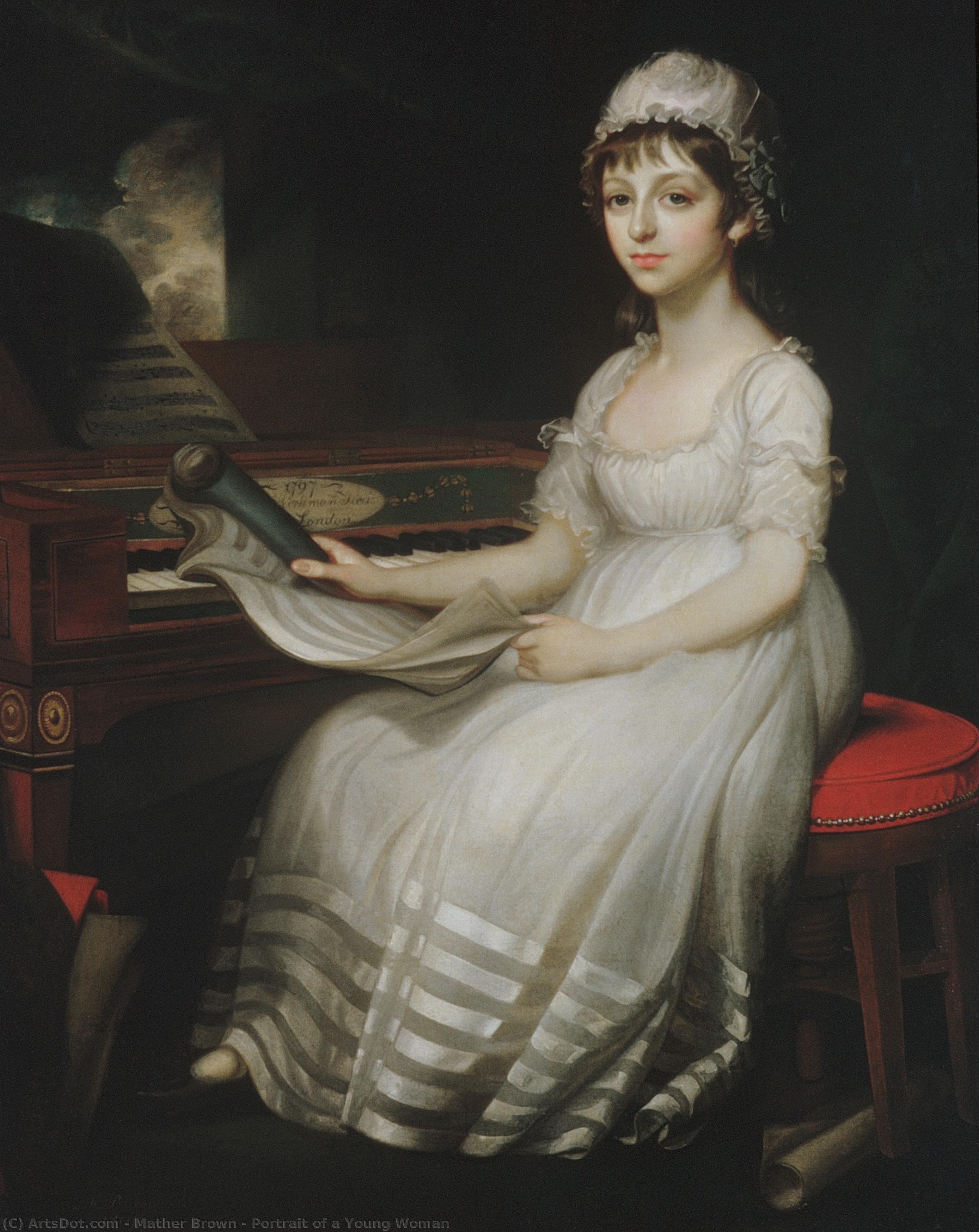
Portrait of a Young Woman
 Oil On Canvas
- WallArt
- Neoclassicism
 1801
1801 127.0 x 102.0 cm
 Metropolitan Museum of Art
 Pročitaj više
Kupite digitalnu sliku visoke rezolucije i poboljšanog kvaliteta, koja je znatno superiornija od onoga što vidite u online prikazu.
Svaka datoteka je pedantno pripremljena od strane naših stručnjaka koristeći napredne alate i profesionalnu ručnu retušu. Osiguravamo da svaka slika ima izuzetnu oštrinu, preciznu reprodukciju boja i fine detalje.
Konačna datoteka se dostavlja putem e-pošte u roku od 72 sata, optimizovana za neposrednu upotrebu u profesionalnim, izdavačkim i štamparskim okruženjima. To je isti kvalitet kojem veruju vrhunski studiji dizajna, izdavači i galerije.
Digitalna slika
Preuzmite datoteku visoke rezolucije za ličnu upotrebu, štampanje i kreativne projekte. ( Kupi print Kupi ručno naslikanu sliku)
Uključeno uz svaku porudžbinu digitalne slike
Profesionalna digitalna isporuka, zagarantovana
Kada odaberete ArtsDot.com, ne dobijate samo sliku – vi primate profesionalno unapređeno digitalno umetničko delo, izrađeno sa najvećom preciznošću i uz garanciju zadovoljstva. Evo svega što automatski dolazi uz vašu porudžbinu:

Brza dostava putem e-pošte
Vaša digitalna slika visoke rezolucije biće vam poslata putem e-pošte u roku od 72 sata od poručivanja – spremna za trenutnu upotrebu.

Digitalna datoteka unapređena veštačkom inteligencijom
Vaše umetničko delo je profesionalno optimizovano korišćenjem naprednih AI alata i ručne obrade, čime se osiguravaju maksimalni detalji, oštrina i preciznost boja.

Besplatna ponovna isporuka doživotno
Slučajno ste obrisali ili izgubili svoju datoteku? Ne brinite – poslaćemo vam je ponovo u bilo kom trenutku, potpuno besplatno.

Bez troškova uvoza – zauvek
Uživajte u svojim umetničkim delima trenutno, bez carine, dažbina ili troškova dostave – digitalni download je uvek bez poreza.

Garancija vernosti boja
Uz pomoć profesionalnih alata i upravljanja bojama, osiguravamo da vaša digitalna slika što vernije odražava originalne boje.

Garancija zadovoljstva u roku od 60 dana
Ako niste zadovoljni svojom digitalnom slikom, revidirat ćemo je ili vratiti 100% novca u roku od 60 dana – bez ikakvih pitanja.

100% garancija povrata novca
Niste zadovoljni? Obezbedite pun povrat novca u roku od 60 dana od trenutka kada ste primili svoju digitalnu datoteku – bez suvišnih pitanja.

Popusti na velike porudžbine
Kupite 3 slike, uštedite 10% - Kupite 5 slika, uštedite 15% - Kupite 10+ slika, uštedite 20%. Odlično za kreativne projekte, galerije i agencije.
Opis kolekcionarskog dela
Portrait of a Young Woman: A Window into Early American Elegance
Mather Brown’s “Portrait of a Young Woman,” painted in 1801, is more than just a likeness; it's a carefully constructed tableau of Neoclassical grace and burgeoning Romantic sentiment. Born in Boston to a family steeped in New England intellectual history – tracing back to the influential Cotton and Increase Mather – Brown’s artistic journey led him from itinerant portraiture across New England to the vibrant, cosmopolitan world of London, where he honed his skills under the tutelage of Benjamin West. This particular painting, now housed within The Metropolitan Museum of Art in New York City, offers a captivating glimpse into the refined tastes and evolving artistic sensibilities of early 19th-century America.
The subject herself remains somewhat enigmatic, though art historians largely believe she represents Simonetta Vespucci, an idealized figure inspired by Botticelli’s “Portrait of a Young Woman” (circa 1470), specifically the version housed in Frankfurt. This deliberate echo of a Renaissance masterpiece immediately establishes a lineage of beauty and classical ideals. The young woman, posed with a quiet dignity, is seated at a grand piano – a Kirkman instrument bearing the London date stamp of 1797 – suggesting an atmosphere of domestic refinement and intellectual engagement. Her attire, indicative of the fashionable styles of the era, speaks to her social standing and access to cultural pursuits.
Brown’s masterful technique reveals a sophisticated understanding of light, shadow, and texture. The oil on canvas medium allows for rich color saturation and subtle gradations, particularly evident in the delicate rendering of the young woman's skin and the luxurious folds of her gown. Notice the meticulous attention to detail – the intricate embroidery, the carefully arranged jewelry, and the precise depiction of the piano keys all contribute to a sense of realism tempered by an idealized aesthetic. The composition is balanced and harmonious, reflecting the principles of Neoclassicism, yet there’s a nascent softness in the brushstrokes that hints at the emerging Romanticism influencing Brown's work.
Symbolism and Context: Bridging Eras
Beyond its purely visual appeal, “Portrait of a Young Woman” is laden with symbolic meaning. The inclusion of the piano, a relatively new instrument gaining popularity in aristocratic circles, represents progress and enlightenment. It’s not merely an object; it's a symbol of intellectual curiosity and social connection. The cameo medallion she wears, a copy of Botticelli’s “Nero’s Seal,” adds another layer of significance – referencing classical antiquity and linking the subject to a tradition of artistic excellence. The presence of the other figures in the background—a man on the left and another on the right—suggests a domestic scene, perhaps a family portrait or a representation of social interaction within an affluent household.
Painted in 1801, the work sits at a pivotal moment in art history. Neoclassicism, with its emphasis on order, reason, and classical forms, was still dominant, yet Romanticism—characterized by emotion, individualism, and a fascination with nature—was beginning to gain momentum. Brown skillfully navigated this transition, incorporating elements of both styles into his work. The formal composition and refined technique align with Neoclassicism, while the subtle emotional expression and heightened sense of atmosphere hint at the burgeoning influence of Romanticism.
A Legacy in Reproduction: Bringing Beauty Home
Today, “Portrait of a Young Woman” is readily available as a high-quality reproduction through various art print providers. The choice of material – whether a luxurious canvas print, a gleaming acrylic glass panel, or a durable poster on canvas – allows you to bring this captivating artwork into your own home and immerse yourself in its timeless beauty. Consider framing the piece within a classic wooden frame to further enhance its Neoclassical elegance, or opt for a more contemporary setting to juxtapose the historical subject with modern design.
This painting offers a rare opportunity to connect with the artistic sensibilities of early America and appreciate the enduring power of portraiture as a means of capturing both likeness and character. It’s a testament to Mather Brown's skill, his understanding of art history, and his ability to create a work that continues to resonate with viewers centuries later.
Srodna umetnička dela

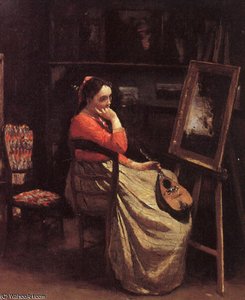

Biografija umetnika
The Transatlantic Legacy of Mather Brown
Mather Brown stands as a fascinating bridge between two eras, a painter whose life and work embodied the shifting tides of the late 18th and early 19th centuries. Born in Boston in 1761, his artistic identity was forged in the intellectual crucible of colonial America before finding its ultimate expression in the grand studios of London. His journey represents more than just a personal career; it reflects the movement of artistic ideals from the rigorous, structured principles of Neoclassicism toward the emotive, dramatic spirit of Romanticism. This transition allowed Brown to become a versatile storyteller, capable of capturing both the quiet dignity of an individual portrait and the chaotic grandeur of historical conflict.
The foundation of Brown’s mastery can be traced back to his early mentorship under the legendary John Singleton Copley. Under Copley’s watchful eye, Brown learned the importance of meticulous detail and a profound understanding of classical form. This training provided him with the technical discipline required to navigate the competitive European art market. When he relocated to London in 1790, he did not merely arrive as an outsider but as a prepared professional, quickly earning his place within the prestigious Royal Academy. This membership was a defining achievement, signaling his acceptance into the highest echelons of the British art establishment and providing him with a platform to interact with the most influential figures of his age.
A Master of Portraiture and Historical Narrative
Brown’s body of work is characterized by an extraordinary ability to adapt his technique to the needs of his subject matter. In his portraiture, he possessed a remarkable gift for rendering the subtle nuances of character and social standing. His portraits of luminaries such as Thomas Jefferson and Benjamin West demonstrate a keen eye for the political and social currents of the era, imbuing his subjects with a sense of permanence and gravitas. Whether capturing the refined elegance in Lady with a Dog or the dignified presence in his portrait of Thomas Lowton, Brown utilized light and texture to create lifelike, breathing presences on canvas.
Beyond the intimate scale of portraiture, Brown sought to capture the epic. He was a painter of great ambition, often turning his attention to historical canvases that demanded a command of complex composition and dramatic movement. His work The Battle of the Nile serves as a pinnacle of this approach, where he moved away from static classical forms to embrace the swirling energy and visceral intensity of naval warfare. In these larger works, one can see the emergence of a Romantic sensibility—a focus on the sublime, the powerful, and the transformative nature of historical events.
Artistic Significance and Enduring Impression
The significance of Mather Brown lies in his role as a cultural conduit. By blending the precision of his American training with the stylistic innovations of the London art scene, he helped shape the visual language of an era defined by revolution and transition. His ability to navigate between the formal requirements of commissioned portraiture and the narrative demands of history painting allowed him to leave a lasting mark on both the British and American artistic consciousness.
Today, his works remain vital touchstones for understanding the evolution of Western art. Through his canvases, we witness:
- The intersection of styles: The seamless blending of Neoclassical structure with Romantic emotion.
- Historical documentation: The preservation of the likenesses and legacies of the Enlightenment's most important figures.
- Technical mastery: An enduring excellence in the rendering of fabric, light, and human expression that continues to captivate modern viewers.
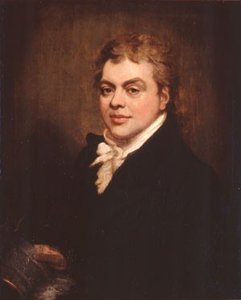
Mather Brown
1761 - 1831 , United States of America
Kratke činjenice
- Artistic Movement Or Style: Neoclassical/Romantic
- Artists Or Movements Influenced By This Artist: ['Royal Academy']
- Artists Who Influenced This Artist: ['Benjamin West']
- Date Of Birth: 1761
- Full Name: Mather Brown
- Nationality: American
- Notable Artworks:
- Romeo And Juliet
- The Reverend Alban Thomas Gwynne
- Place Of Birth: Boston, United States of America

