

 Pregledaj u prostoru
 Pošalji
 Podeli
 Detalji o delu

 Преузми
 Slični predmeti
 Rendgenski snimak
 Slajdovi
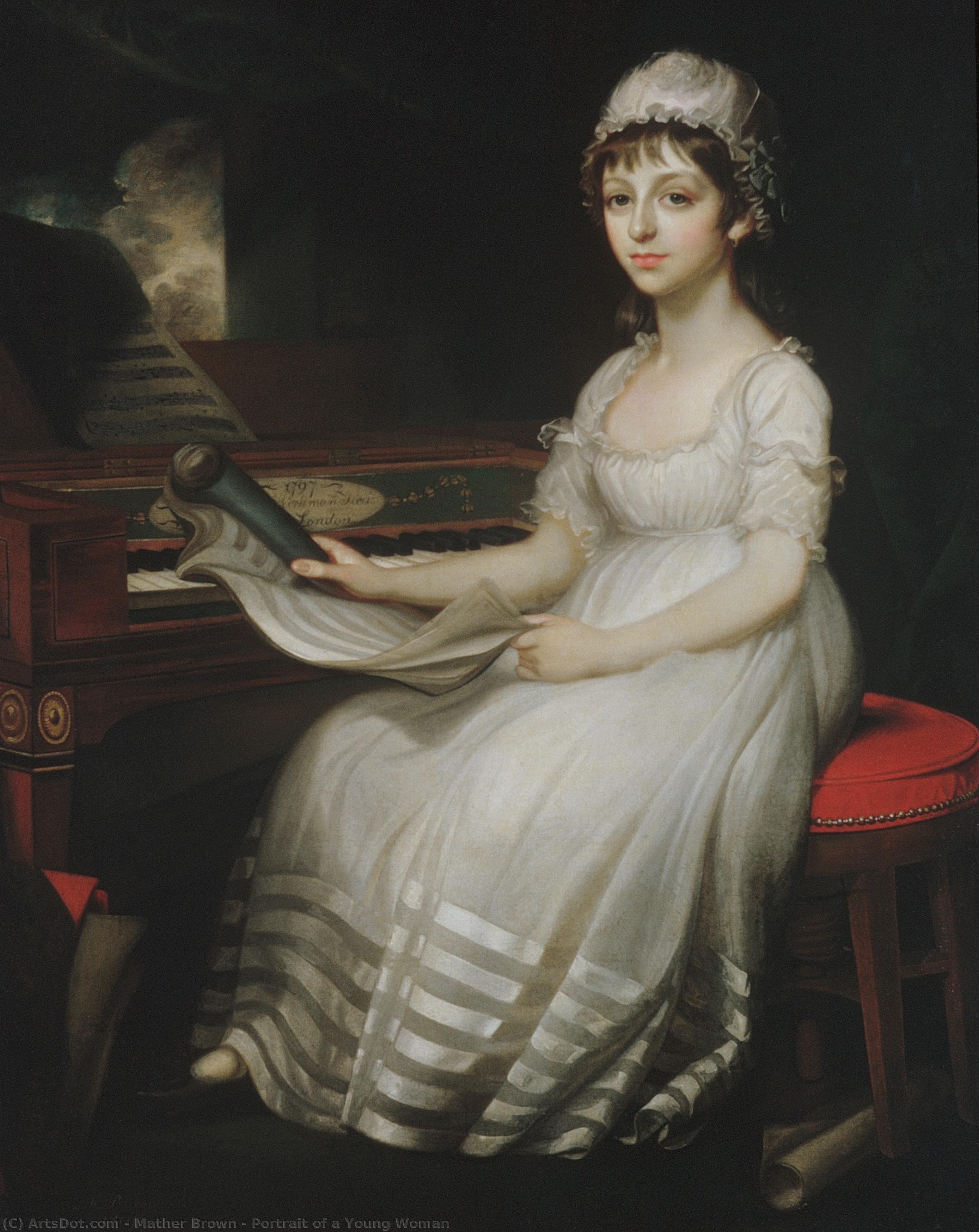
Portrait of a Young Woman
 Oil On Canvas
- WallArt
- Neoclassicism
 1801
1801 127.0 x 102.0 cm
 Metropolitan Museum of Art
 Pročitaj više
Giclee štampa / Umetnički otisak
Giclée štampa ili print na platnu muzejskog kvaliteta uz brzu proizvodnju i fleksibilne opcije završne obrade. ( Kupi ručno naslikanu sliku Kupi digitalnu sliku)




P118B $10

P118H $10

P118W $10

P438Z $10

P508JH $12

P508YH $12

P805H $10

P805Z $10

P919BZ $10

P919G $10

P919XJ $10

P959ZH $10

P968JZ $12

W106C $8

W218G $10

W218JH $8

W218Y $10

W307PJ $10

W316G $10

W316PJ $8

W316Y $10

W398PJ $8

W4111J $10

W500HY $15

W500JH $15

W692G $12

W849H $8

W940BG $15

W953PJ $8




Izaberite jednu od naših unapred definisanih veličina koje odgovaraju originalnim proporcijama umetničkog dela.

Možete uneti sopstvene dimenzije kako biste umetničko delo prilagodili specifičnom okviru ili prostoru. Ako odabrani format ne odgovara proporcijama originalne slike, mi ćemo ili iscrtati deo dela ili proširiti sliku pomoću ogledane ivice ili jednobojnog popunjavanja. Digitalni prikaz će vam biti poslat na odobrenje pre početka proizvodnje.
Imajte na umu da pregled na ekranu ne odražava stvarno iscrtavanje ili proširivanje. Samo će prikaz (mockup) precizno pokazati finalnu kompoziciju.
Iako su prilagođene dimenzije dostupne, preporučujemo da odaberete dimenziju sa unapred definisane liste kako biste očuvali originalne proporcije.
Dostava širom sveta () za 2 nedelje umesto uobičajenih 4/5 nedelja. (24 август)

Besplatna ekspresna dostava širom sveta

Visokokvalitetno laneno platno

Kompletno osiguranje transporta

Garancija povraćaja carine i uvoznih dažbina

Garancija vernosti boja

Politika povrata u roku od 60 dana (samo u slučaju nedostataka)

Garancija povrata novca od 100%

Popust pri grupnoj kupovini
 Opcija sa staklom dostupna je samo za dimenzije manje od 110 cm

Portrait of a Young Woman
Giclee štampa / Umetnički otisak
Dimenzije reprodukcije
-


Konačna cena
$ 62
Opis predmeta
Portrait of a Young Woman: A Window into Early American Elegance
Mather Brown’s “Portrait of a Young Woman,” painted in 1801, is more than just a likeness; it's a carefully constructed tableau of Neoclassical grace and burgeoning Romantic sentiment. Born in Boston to a family steeped in New England intellectual history – tracing back to the influential Cotton and Increase Mather – Brown’s artistic journey led him from itinerant portraiture across New England to the vibrant, cosmopolitan world of London, where he honed his skills under the tutelage of Benjamin West. This particular painting, now housed within The Metropolitan Museum of Art in New York City, offers a captivating glimpse into the refined tastes and evolving artistic sensibilities of early 19th-century America.
The subject herself remains somewhat enigmatic, though art historians largely believe she represents Simonetta Vespucci, an idealized figure inspired by Botticelli’s “Portrait of a Young Woman” (circa 1470), specifically the version housed in Frankfurt. This deliberate echo of a Renaissance masterpiece immediately establishes a lineage of beauty and classical ideals. The young woman, posed with a quiet dignity, is seated at a grand piano – a Kirkman instrument bearing the London date stamp of 1797 – suggesting an atmosphere of domestic refinement and intellectual engagement. Her attire, indicative of the fashionable styles of the era, speaks to her social standing and access to cultural pursuits.
Brown’s masterful technique reveals a sophisticated understanding of light, shadow, and texture. The oil on canvas medium allows for rich color saturation and subtle gradations, particularly evident in the delicate rendering of the young woman's skin and the luxurious folds of her gown. Notice the meticulous attention to detail – the intricate embroidery, the carefully arranged jewelry, and the precise depiction of the piano keys all contribute to a sense of realism tempered by an idealized aesthetic. The composition is balanced and harmonious, reflecting the principles of Neoclassicism, yet there’s a nascent softness in the brushstrokes that hints at the emerging Romanticism influencing Brown's work.
Symbolism and Context: Bridging Eras
Beyond its purely visual appeal, “Portrait of a Young Woman” is laden with symbolic meaning. The inclusion of the piano, a relatively new instrument gaining popularity in aristocratic circles, represents progress and enlightenment. It’s not merely an object; it's a symbol of intellectual curiosity and social connection. The cameo medallion she wears, a copy of Botticelli’s “Nero’s Seal,” adds another layer of significance – referencing classical antiquity and linking the subject to a tradition of artistic excellence. The presence of the other figures in the background—a man on the left and another on the right—suggests a domestic scene, perhaps a family portrait or a representation of social interaction within an affluent household.
Painted in 1801, the work sits at a pivotal moment in art history. Neoclassicism, with its emphasis on order, reason, and classical forms, was still dominant, yet Romanticism—characterized by emotion, individualism, and a fascination with nature—was beginning to gain momentum. Brown skillfully navigated this transition, incorporating elements of both styles into his work. The formal composition and refined technique align with Neoclassicism, while the subtle emotional expression and heightened sense of atmosphere hint at the burgeoning influence of Romanticism.
A Legacy in Reproduction: Bringing Beauty Home
Today, “Portrait of a Young Woman” is readily available as a high-quality reproduction through various art print providers. The choice of material – whether a luxurious canvas print, a gleaming acrylic glass panel, or a durable poster on canvas – allows you to bring this captivating artwork into your own home and immerse yourself in its timeless beauty. Consider framing the piece within a classic wooden frame to further enhance its Neoclassical elegance, or opt for a more contemporary setting to juxtapose the historical subject with modern design.
This painting offers a rare opportunity to connect with the artistic sensibilities of early America and appreciate the enduring power of portraiture as a means of capturing both likeness and character. It’s a testament to Mather Brown's skill, his understanding of art history, and his ability to create a work that continues to resonate with viewers centuries later.
Srodna umetnička dela


Biografija umetnika
The Transatlantic Legacy of Mather Brown
Mather Brown stands as a fascinating bridge between two eras, a painter whose life and work embodied the shifting tides of the late 18th and early 19th centuries. Born in Boston in 1761, his artistic identity was forged in the intellectual crucible of colonial America before finding its ultimate expression in the grand studios of London. His journey represents more than just a personal career; it reflects the movement of artistic ideals from the rigorous, structured principles of Neoclassicism toward the emotive, dramatic spirit of Romanticism. This transition allowed Brown to become a versatile storyteller, capable of capturing both the quiet dignity of an individual portrait and the chaotic grandeur of historical conflict.
The foundation of Brown’s mastery can be traced back to his early mentorship under the legendary John Singleton Copley. Under Copley’s watchful eye, Brown learned the importance of meticulous detail and a profound understanding of classical form. This training provided him with the technical discipline required to navigate the competitive European art market. When he relocated to London in 1790, he did not merely arrive as an outsider but as a prepared professional, quickly earning his place within the prestigious Royal Academy. This membership was a defining achievement, signaling his acceptance into the highest echelons of the British art establishment and providing him with a platform to interact with the most influential figures of his age.
A Master of Portraiture and Historical Narrative
Brown’s body of work is characterized by an extraordinary ability to adapt his technique to the needs of his subject matter. In his portraiture, he possessed a remarkable gift for rendering the subtle nuances of character and social standing. His portraits of luminaries such as Thomas Jefferson and Benjamin West demonstrate a keen eye for the political and social currents of the era, imbuing his subjects with a sense of permanence and gravitas. Whether capturing the refined elegance in Lady with a Dog or the dignified presence in his portrait of Thomas Lowton, Brown utilized light and texture to create lifelike, breathing presences on canvas.
Beyond the intimate scale of portraiture, Brown sought to capture the epic. He was a painter of great ambition, often turning his attention to historical canvases that demanded a command of complex composition and dramatic movement. His work The Battle of the Nile serves as a pinnacle of this approach, where he moved away from static classical forms to embrace the swirling energy and visceral intensity of naval warfare. In these larger works, one can see the emergence of a Romantic sensibility—a focus on the sublime, the powerful, and the transformative nature of historical events.
Artistic Significance and Enduring Impression
The significance of Mather Brown lies in his role as a cultural conduit. By blending the precision of his American training with the stylistic innovations of the London art scene, he helped shape the visual language of an era defined by revolution and transition. His ability to navigate between the formal requirements of commissioned portraiture and the narrative demands of history painting allowed him to leave a lasting mark on both the British and American artistic consciousness.
Today, his works remain vital touchstones for understanding the evolution of Western art. Through his canvases, we witness:
- The intersection of styles: The seamless blending of Neoclassical structure with Romantic emotion.
- Historical documentation: The preservation of the likenesses and legacies of the Enlightenment's most important figures.
- Technical mastery: An enduring excellence in the rendering of fabric, light, and human expression that continues to captivate modern viewers.
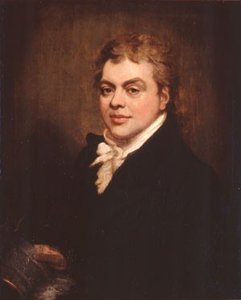
Mather Brown
1761 - 1831 , United States of America
Osnovne informacije
- Artistic Movement Or Style: Neoclassical/Romantic
- Artists Or Movements Influenced By This Artist: ['Royal Academy']
- Artists Who Influenced This Artist: ['Benjamin West']
- Date Of Birth: 1761
- Full Name: Mather Brown
- Nationality: American
- Notable Artworks:
- Romeo And Juliet
- The Reverend Alban Thomas Gwynne
- Place Of Birth: Boston, United States of America
Povezani članci

John George Brown: Capturing American Life & Sentiment in 19th-Century Genre Painting
Explore the captivating genre paintings of John George Brown, celebrated for his realistic depictions of 19th-century American life. Discover his legacy & find museum-quality reproductions at ArtsDot.

Grant Wood & American Regionalism: Identity, Myth & the Rural Landscape
Explore the world of Grant Wood & American Regionalism with ArtsDot. Discover the symbolism behind 'American Gothic', recurring themes, and the movement's lasting impact on art history. High-quality reproductions available.
American Realism's Defining Works: 10 Masterpieces for Your Home
Explore 10 defining American Realism masterpieces – Hopper, Homer & more. Discover the stories behind these iconic paintings and bring timeless art to your home with ArtsDot's museum-quality reproductions. Explore the full collection online.

The Enduring Legacy of Oil on Canvas: Technique, History & Aesthetic Impact
Explore the rich history & techniques of oil painting – from Renaissance masters to Impressionism. Discover pigments, layering methods, and why this timeless medium endures. Expert insights for artists & art enthusiasts.

Oil on Canvas: A Historical & Technical Exploration of a Timeless Artistic Medium
Explore the rich history & enduring techniques of oil painting on canvas. Discover the science behind its longevity, conservation practices, and contemporary relevance. Expert insights for art enthusiasts.

