

 Pregledaj u prostoru
 Pošalji
 Podeli
 Detalji o delu

 Преузми
 Slični predmeti
 Rendgenski snimak
 Slajdovi
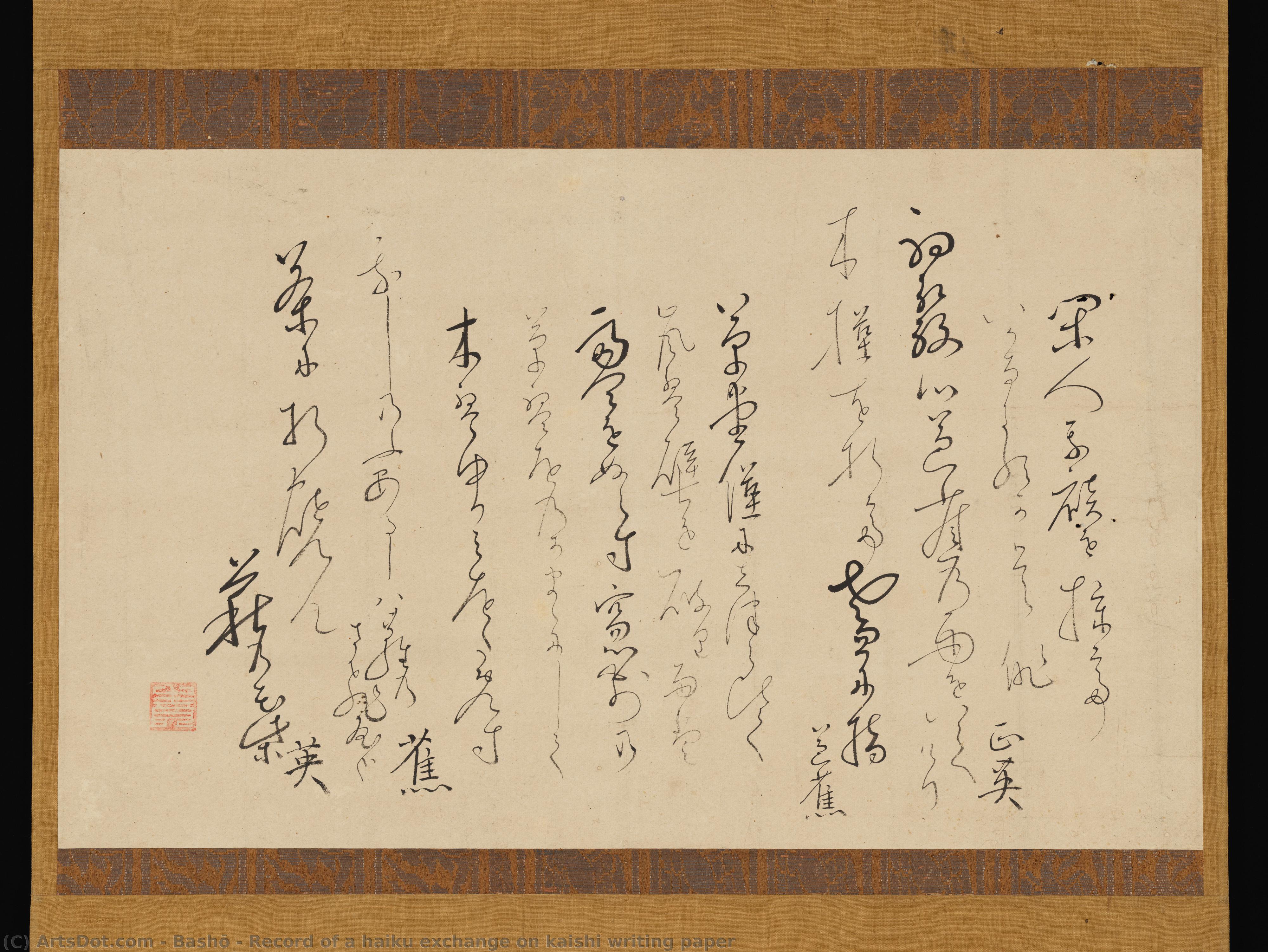
Record of a haiku exchange on kaishi writing paper
 Ink On Paper
 601
601- Early Modern
 29.0cm x 47.0cm
 Pročitaj više
Kupite digitalnu sliku visoke rezolucije i poboljšanog kvaliteta, koja je znatno superiornija od onoga što vidite u online prikazu.
Svaka datoteka je pedantno pripremljena od strane naših stručnjaka koristeći napredne alate i profesionalnu ručnu retušu. Osiguravamo da svaka slika ima izuzetnu oštrinu, preciznu reprodukciju boja i fine detalje.
Konačna datoteka se dostavlja putem e-pošte u roku od 72 sata, optimizovana za neposrednu upotrebu u profesionalnim, izdavačkim i štamparskim okruženjima. To je isti kvalitet kojem veruju vrhunski studiji dizajna, izdavači i galerije.
Digitalna slika
Preuzmite datoteku visoke rezolucije za ličnu upotrebu, štampanje i kreativne projekte. ( Kupi print Kupi ručno naslikanu sliku)
Uključeno uz svaku porudžbinu digitalne slike
Profesionalna digitalna isporuka, zagarantovana
Kada odaberete ArtsDot.com, ne dobijate samo sliku – vi primate profesionalno unapređeno digitalno umetničko delo, izrađeno sa najvećom preciznošću i uz garanciju zadovoljstva. Evo svega što automatski dolazi uz vašu porudžbinu:

Brza dostava putem e-pošte
Vaša digitalna slika visoke rezolucije biće vam poslata putem e-pošte u roku od 72 sata od poručivanja – spremna za trenutnu upotrebu.

Digitalna datoteka unapređena veštačkom inteligencijom
Vaše umetničko delo je profesionalno optimizovano korišćenjem naprednih AI alata i ručne obrade, čime se osiguravaju maksimalni detalji, oštrina i preciznost boja.

Besplatna ponovna isporuka doživotno
Slučajno ste obrisali ili izgubili svoju datoteku? Ne brinite – poslaćemo vam je ponovo u bilo kom trenutku, potpuno besplatno.

Bez troškova uvoza – zauvek
Uživajte u svojim umetničkim delima trenutno, bez carine, dažbina ili troškova dostave – digitalni download je uvek bez poreza.

Garancija vernosti boja
Uz pomoć profesionalnih alata i upravljanja bojama, osiguravamo da vaša digitalna slika što vernije odražava originalne boje.

Garancija zadovoljstva u roku od 60 dana
Ako niste zadovoljni svojom digitalnom slikom, revidirat ćemo je ili vratiti 100% novca u roku od 60 dana – bez ikakvih pitanja.

100% garancija povrata novca
Niste zadovoljni? Obezbedite pun povrat novca u roku od 60 dana od trenutka kada ste primili svoju digitalnu datoteku – bez suvišnih pitanja.

Popusti na velike porudžbine
Kupite 3 slike, uštedite 10% - Kupite 5 slika, uštedite 15% - Kupite 10+ slika, uštedite 20%. Odlično za kreativne projekte, galerije i agencije.
Opis kolekcionarskog dela
The Artist: Matsuo Bashō
Matsuo Bashō (1644-1694) is widely recognized as one of the four great masters of haiku, alongside Kobayashi Issa, Masaoka Shiki, and Kawahigashi Hekigoto. Born in Ueno, Japan, Bashō's poetry is internationally renowned, and, in Japan, many of his poems are reproduced on monuments and traditional sites.The Painting: Record of a Haiku Exchange on Kaishi Writing Paper
This sheet of kaishi writing paper is inscribed with verse by Japan’s most famous haiku poet, Matsuo Bashō, and one of his pupils in the teacher’s own handwriting. When this work was first publically displayed at Seattle Asian Art Museum in 2015, it created a small sensation among literary specialists in Japan because not only were the Bashō poems recorded here previously unknown, the work must date to relatively early in his career as a poet, before he turned forty.Significance in Japanese Literature and Culture
Bashō's haiku is considered one of the most significant contributions to Japanese literature. His writing "The Narrow Road to the Deep North" is the most famous haiku collection in Japan. Among the haiku poems, Bashō's "old pond and frog" (Furuike ya/ Kawazu tobikomu/ Mizu no oto) is one of the most well-known and celebrated haiku in Japanese literature. The painting 'Record of a Haiku Exchange on Kaishi Writing Paper' holds great significance as it contains previously unknown Bashō poems, discovered only recently. This discovery has added to the understanding and appreciation of Bashō's early career and his development as a poet.Availability at ArtsDot.com
At ArtsDot.com, we offer high-quality hand-made oil painting reproductions of famous artworks, including those by Matsuo Bashō. Our collection includes 'Record of a Haiku Exchange on Kaishi Writing Paper', allowing art enthusiasts and collectors to own a piece of Japanese literary history.Conclusion
Matsuo Bashō's haiku poetry has left an indelible mark on Japanese literature and culture. The painting 'Record of a Haiku Exchange on Kaishi Writing Paper' offers a unique glimpse into the early career of this revered poet, showcasing his mastery of the haiku form. At ArtsDot.com, we are proud to offer hand-made oil painting reproductions of this significant artwork, allowing art lovers to appreciate and cherish Bashō's legacy for generations to come. Note: For more information about Matsuo Bashō and his haiku poetry, please refer to the following resources:Srodna umetnička dela
Biografija umetnika
Matsuo Bashō: Life and Legacy
Early Life and Background
- Born Matsuo Kinsaku in 1644 near Ueno, Iga Province, Japan.
- Came from a family with samurai roots, though his father was likely a low-ranking retainer.
- Received an early education and showed an aptitude for poetry.
- Served as a page to Tōdō Yoshitada, fostering his interest in *haikai no renga* (linked verse).
Artistic Development and Influences
- Initially focused on collaborative poetry forms like *renga*.
- The death of his patron, Tōdō Yoshitada, in 1666 marked a turning point, leading him to dedicate himself fully to poetry.
- Influenced by Zen Buddhism, which emphasized simplicity, mindfulness, and connection with nature.
- Early works showed conventional styles but gradually evolved towards a more minimalist and evocative approach.
- Chinese poetry also played a role in shaping his aesthetic sensibilities.
The Rise of Haiku and Bashō’s Style
- Bashō is credited with elevating the *hokku* (the opening verse of a *renga*) to an independent poetic form, later known as haiku.
- His haiku are characterized by their concise language, vivid imagery, and focus on nature.
- He sought to capture fleeting moments and evoke deep emotions with minimal words.
- Emphasized *sabi* – the beauty of transience, imperfection, and age – in his work.
Travels and Major Works
- Bashō embarked on several journeys throughout Japan, seeking inspiration for his poetry.
- His most famous travelogue is Oku no Hosomichi (The Narrow Road to the Deep North), published in 1694.
- Other notable works include *Nozarashi kikō* (Records of a Weather-Exposed Skeleton) and numerous collections of haiku and *renga*.
- His travel writings blended poetry with prose, creating a unique literary style known as haibun.
Achievements and Historical Significance
- Widely regarded as the greatest master of haiku in Japanese history.
- Revolutionized the art of *haikai no renga* by emphasizing naturalness and emotional depth.
- His work influenced generations of poets and continues to be studied and admired today.
- Bashō’s poetry is often reproduced on monuments and traditional sites throughout Japan, demonstrating his enduring cultural impact.
- He helped establish haiku as a major art form, recognized for its ability to capture the essence of life in a few carefully chosen words.
Legacy
- Bashō’s emphasis on direct experience and observation continues to resonate with artists and writers worldwide.
- His minimalist style has influenced modern poetry and other art forms.
- He remains a symbol of Japanese artistic excellence and spiritual depth.
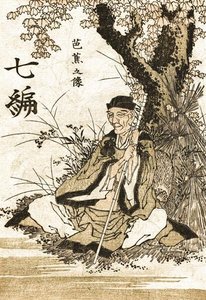
matsuo bashō
1644 - 1694 , Japan
Kratke činjenice
- Birth Date: 1644
- Birth Place: Ueno, Japan
- Death Date: 1694
- Movement: Haiku, Edo period literature
- Name: Matsuo Bashō
- Nationality: Japanese
- Notable Works: Oku no Hosomichi (The Narrow Road to the Deep North)

