

 Pregledaj u prostoru
 Pošalji
 Podeli
 Detalji o delu

 Преузми
 Slični predmeti
 Rendgenski snimak
 Slajdovi
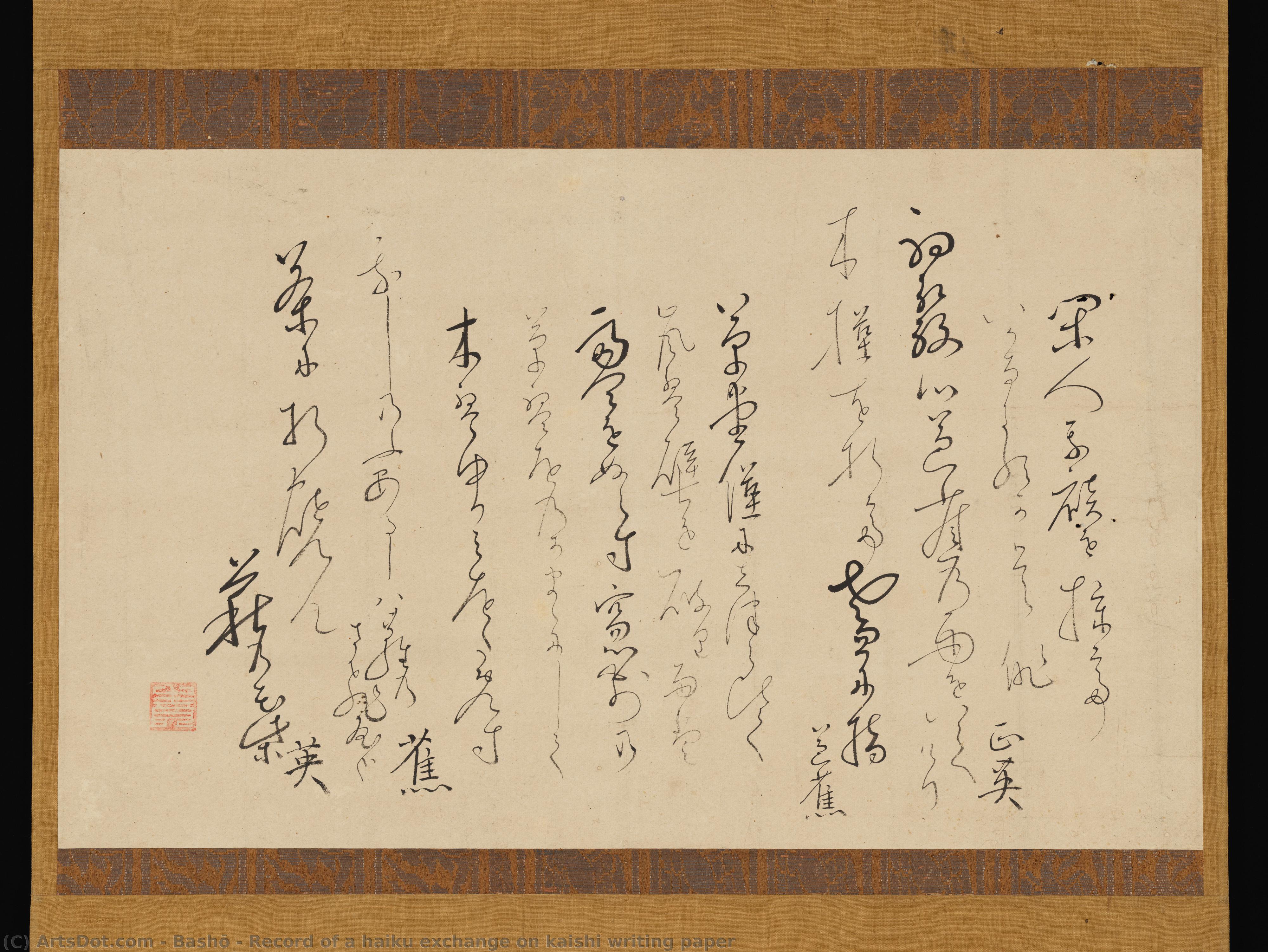
Record of a haiku exchange on kaishi writing paper
 Ink On Paper
 601
601- Early Modern
 29.0cm x 47.0cm
 Pročitaj više
Giclee štampa / Umetnički otisak
Giclée štampa ili print na platnu muzejskog kvaliteta uz brzu proizvodnju i fleksibilne opcije završne obrade. ( Kupi ručno naslikanu sliku Kupi digitalnu sliku)




P118B $10

P118H $10

P118W $10

P438Z $10

P508JH $12

P508YH $12

P805H $10

P805Z $10

P919BZ $10

P919G $10

P919XJ $10

P959ZH $10

P968JZ $12

W106C $8

W218G $10

W218JH $8

W218Y $10

W307PJ $10

W316G $10

W316PJ $8

W316Y $10

W398PJ $8

W4111J $10

W500HY $15

W500JH $15

W692G $12

W849H $8

W940BG $15

W953PJ $8




Izaberite jednu od naših unapred definisanih veličina koje odgovaraju originalnim proporcijama umetničkog dela.

Možete uneti sopstvene dimenzije kako biste umetničko delo prilagodili specifičnom okviru ili prostoru. Ako odabrani format ne odgovara proporcijama originalne slike, mi ćemo ili iscrtati deo dela ili proširiti sliku pomoću ogledane ivice ili jednobojnog popunjavanja. Digitalni prikaz će vam biti poslat na odobrenje pre početka proizvodnje.
Imajte na umu da pregled na ekranu ne odražava stvarno iscrtavanje ili proširivanje. Samo će prikaz (mockup) precizno pokazati finalnu kompoziciju.
Iako su prilagođene dimenzije dostupne, preporučujemo da odaberete dimenziju sa unapred definisane liste kako biste očuvali originalne proporcije.
Dostava širom sveta () za 2 nedelje umesto uobičajenih 4/5 nedelja. (25 август)

Besplatna ekspresna dostava širom sveta

Visokokvalitetno laneno platno

Kompletno osiguranje transporta

Garancija povraćaja carine i uvoznih dažbina

Garancija vernosti boja

Politika povrata u roku od 60 dana (samo u slučaju nedostataka)

Garancija povrata novca od 100%

Popust pri grupnoj kupovini
 Opcija sa staklom dostupna je samo za dimenzije manje od 110 cm

Record of a haiku exchange on kaishi writing paper
Giclee štampa / Umetnički otisak
Dimenzije reprodukcije
-


Konačna cena
$ 62
Opis predmeta
The Artist: Matsuo Bashō
Matsuo Bashō (1644-1694) is widely recognized as one of the four great masters of haiku, alongside Kobayashi Issa, Masaoka Shiki, and Kawahigashi Hekigoto. Born in Ueno, Japan, Bashō's poetry is internationally renowned, and, in Japan, many of his poems are reproduced on monuments and traditional sites.The Painting: Record of a Haiku Exchange on Kaishi Writing Paper
This sheet of kaishi writing paper is inscribed with verse by Japan’s most famous haiku poet, Matsuo Bashō, and one of his pupils in the teacher’s own handwriting. When this work was first publically displayed at Seattle Asian Art Museum in 2015, it created a small sensation among literary specialists in Japan because not only were the Bashō poems recorded here previously unknown, the work must date to relatively early in his career as a poet, before he turned forty.Significance in Japanese Literature and Culture
Bashō's haiku is considered one of the most significant contributions to Japanese literature. His writing "The Narrow Road to the Deep North" is the most famous haiku collection in Japan. Among the haiku poems, Bashō's "old pond and frog" (Furuike ya/ Kawazu tobikomu/ Mizu no oto) is one of the most well-known and celebrated haiku in Japanese literature. The painting 'Record of a Haiku Exchange on Kaishi Writing Paper' holds great significance as it contains previously unknown Bashō poems, discovered only recently. This discovery has added to the understanding and appreciation of Bashō's early career and his development as a poet.Availability at ArtsDot.com
At ArtsDot.com, we offer high-quality hand-made oil painting reproductions of famous artworks, including those by Matsuo Bashō. Our collection includes 'Record of a Haiku Exchange on Kaishi Writing Paper', allowing art enthusiasts and collectors to own a piece of Japanese literary history.Conclusion
Matsuo Bashō's haiku poetry has left an indelible mark on Japanese literature and culture. The painting 'Record of a Haiku Exchange on Kaishi Writing Paper' offers a unique glimpse into the early career of this revered poet, showcasing his mastery of the haiku form. At ArtsDot.com, we are proud to offer hand-made oil painting reproductions of this significant artwork, allowing art lovers to appreciate and cherish Bashō's legacy for generations to come. Note: For more information about Matsuo Bashō and his haiku poetry, please refer to the following resources:Srodna umetnička dela
Biografija umetnika
Matsuo Bashō: Life and Legacy
Early Life and Background
- Born Matsuo Kinsaku in 1644 near Ueno, Iga Province, Japan.
- Came from a family with samurai roots, though his father was likely a low-ranking retainer.
- Received an early education and showed an aptitude for poetry.
- Served as a page to Tōdō Yoshitada, fostering his interest in *haikai no renga* (linked verse).
Artistic Development and Influences
- Initially focused on collaborative poetry forms like *renga*.
- The death of his patron, Tōdō Yoshitada, in 1666 marked a turning point, leading him to dedicate himself fully to poetry.
- Influenced by Zen Buddhism, which emphasized simplicity, mindfulness, and connection with nature.
- Early works showed conventional styles but gradually evolved towards a more minimalist and evocative approach.
- Chinese poetry also played a role in shaping his aesthetic sensibilities.
The Rise of Haiku and Bashō’s Style
- Bashō is credited with elevating the *hokku* (the opening verse of a *renga*) to an independent poetic form, later known as haiku.
- His haiku are characterized by their concise language, vivid imagery, and focus on nature.
- He sought to capture fleeting moments and evoke deep emotions with minimal words.
- Emphasized *sabi* – the beauty of transience, imperfection, and age – in his work.
Travels and Major Works
- Bashō embarked on several journeys throughout Japan, seeking inspiration for his poetry.
- His most famous travelogue is Oku no Hosomichi (The Narrow Road to the Deep North), published in 1694.
- Other notable works include *Nozarashi kikō* (Records of a Weather-Exposed Skeleton) and numerous collections of haiku and *renga*.
- His travel writings blended poetry with prose, creating a unique literary style known as haibun.
Achievements and Historical Significance
- Widely regarded as the greatest master of haiku in Japanese history.
- Revolutionized the art of *haikai no renga* by emphasizing naturalness and emotional depth.
- His work influenced generations of poets and continues to be studied and admired today.
- Bashō’s poetry is often reproduced on monuments and traditional sites throughout Japan, demonstrating his enduring cultural impact.
- He helped establish haiku as a major art form, recognized for its ability to capture the essence of life in a few carefully chosen words.
Legacy
- Bashō’s emphasis on direct experience and observation continues to resonate with artists and writers worldwide.
- His minimalist style has influenced modern poetry and other art forms.
- He remains a symbol of Japanese artistic excellence and spiritual depth.
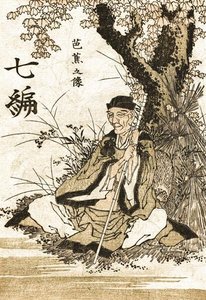
matsuo bashō
1644 - 1694 , Japan
Osnovne informacije
- Birth Date: 1644
- Birth Place: Ueno, Japan
- Death Date: 1694
- Movement: Haiku, Edo period literature
- Name: Matsuo Bashō
- Nationality: Japanese
- Notable Works: Oku no Hosomichi (The Narrow Road to the Deep North)
Povezani članci
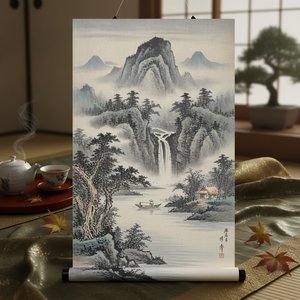
Serenity on Canvas: A Guide to the Timeless Beauty of Japanese Landscape Painting
Discover the serene beauty of Japanese landscape painting. From Hokusai's iconic woodblock prints to meditative sumi-e ink washes, explore a visual journey through the 'floating world' and learn how to bring this timeless Zen aesthetic into your modern home decor.

Katsushika Hokusai: 25 Remek-dela Japanskog Umetnika za Vaš Dom | ArtsDot
Uronite u svet Katsushike Hokusaija! Otkrijte 25 remek-dela japanskog umetnika, uključujući čuveni 'Veliki talas'. Ukiyo-e štampe, pejzaži i istorija iza svakog dela. Pronađite inspiraciju za dekor enterijera i kupite reprodukcije slika vrhunskog kvaliteta na ArtsDot.com.
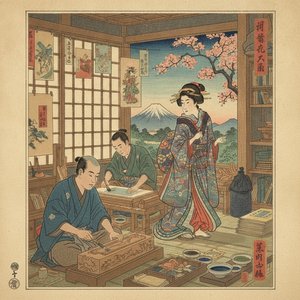
Floating World: The Captivating Art and Legacy of Japanese Ukiyo-e
Explore the profound beauty of Japanese Ukiyo-e. Discover the history, masters like Hokusai, and the enduring legacy of the 'Floating World' through an expert art-historical lens.
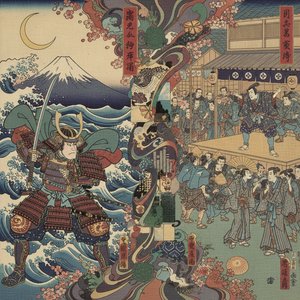
Utagawa Kuniyoshi: A Master of Japanese Ukiyo-e – Narrative Innovation & the Fusion of Tradition with Popular Culture
Explore the captivating world of Utagawa Kuniyoshi, a master of Japanese ukiyo-e woodblock prints. Discover his innovative warrior scenes, vibrant landscapes & lasting legacy in 19th-century art history.
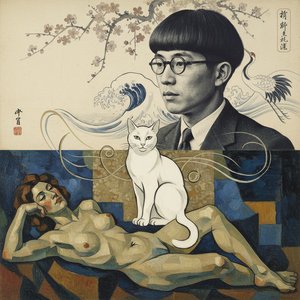
Léonard Foujita: A Poetic Synthesis of Japanese Sensibility & European Modernism
Discover the captivating world of Léonard Foujita, a master bridging Japanese aesthetics & European Modernism. Explore his signature style, diverse works, and enduring legacy – essential reading for discerning art collectors.

