

 Pregledaj u prostoru
 Pošalji
 Podeli
 Detalji o delu

 Преузми
 Slični predmeti
 Rendgenski snimak
 Slajdovi
 Statistika
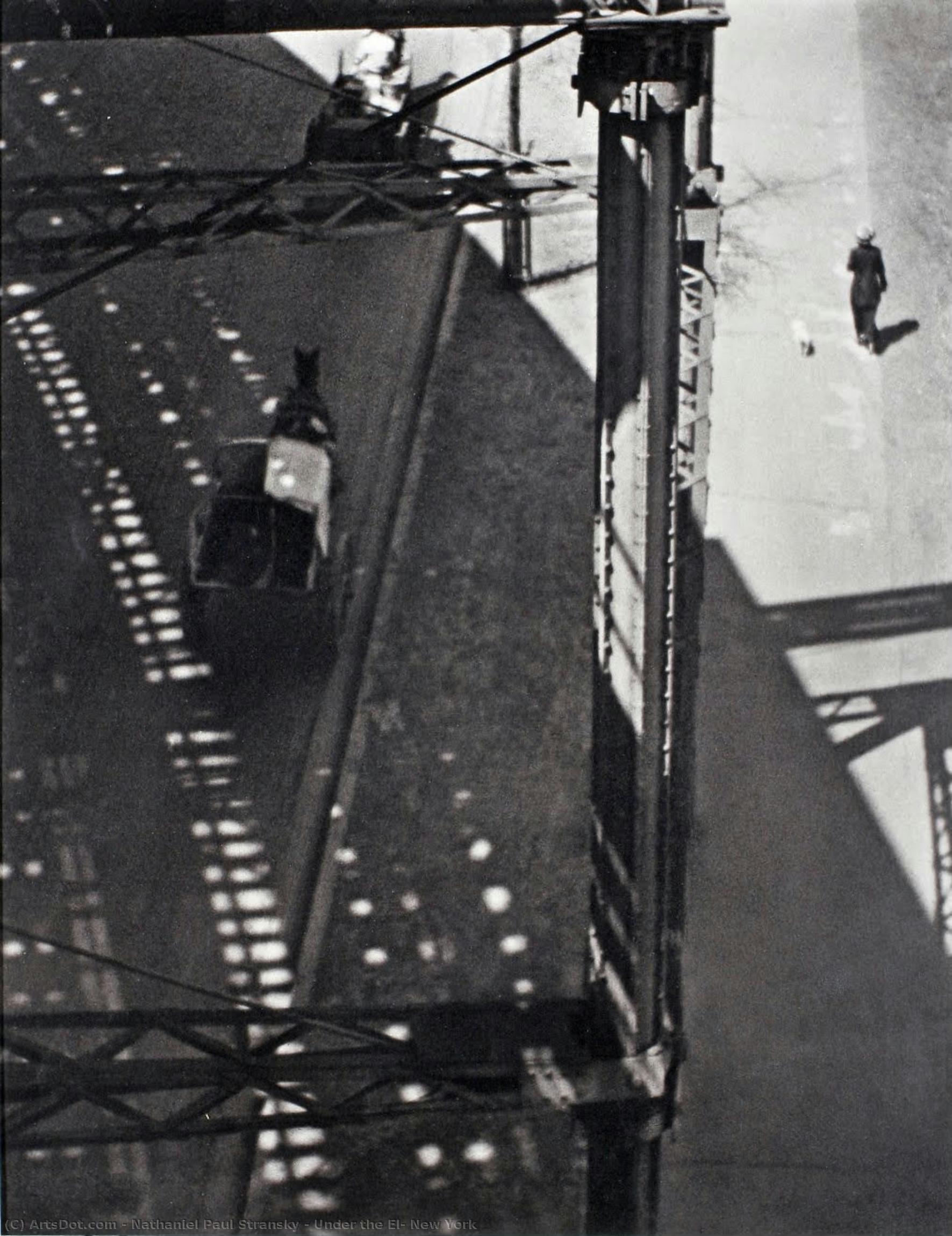
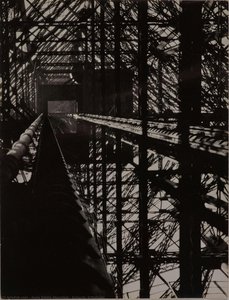
Under the El, New York


 Pročitaj više
Ručno rađena uljana reprodukcija
Ručno oslikano uljanim bojama na platnu u dimenzijama i okviru po vašem izboru, izrađeno po porudžbini od strane naših umetnika. ( Pređi na štampu Pređi na digitalnu sliku)




































Izaberite jednu od naših unapred definisanih veličina koje odgovaraju originalnim proporcijama umetničkog dela.

Можете унети сопствене димензије како бисте прилагодили дело одређеном оквиру или простору. Ако одабрана величина не одговара пропорцијама оригинала, слика ће бити исечена или проширена додатним елементима који се ручно насликавају. Дигитални prikaz ће вам бити послат на одобрење пре почетка производње.
Имајте на уму да преглед на екрану не одражава стварно исецање или проширење. Само приказ (mockup) ће тачно приказати коначну композицију.
Иако су доступне прилагођене величине, препоручујемо да одаберете димензију из дефинисане листе како бисте сачували оригиналне пропорције.
Nakon narudžbine, tim ArtsDot.com će klijentu putem e-pošte poslati uputstva i dostaviti prikaz predloženog rešenja
Isporuka širom sveta () za 3/4 nedelje umesto uobičajenih 5 nedelja. (10 септембар). Bez kompromisa po pitanju kvaliteta.

Besplatna ekspresna dostava širom sveta

Visokokvalitetno laneno platno

Kompletno osiguranje transporta

Garancija povraćaja carine i uvoznih dažbina

Garancija vernosti boja

Politika povraćaja u roku od 100 dana (isključivo u slučaju nedostataka)

Garancija povrata novca od 100%

Popust pri grupnoj kupovini
 Opcija sa staklom dostupna je samo za dimenzije manje od 110 cm

Under the El, New York
Tehnika reprodukcije
Dimenzije reprodukcije
-


Konačna cena
$ 263
Srodna umetnička dela






Biografija umetnika
Early Life and Pictorialist Beginnings
Nathaniel Paul Stransky, born in New York City on October 16, 1890, to Bohemian Jewish immigrant parents, embarked on a journey that would fundamentally reshape the landscape of American photography. Though initially known as Nathaniel, he became Paul Strand, a name synonymous with artistic vision and social consciousness. His father, Jacob Stransky, a merchant, gifted him a camera at age twelve, igniting a passion that would blossom into a lifelong pursuit. This early exposure wasn’t merely about capturing images; it was the genesis of a quest to understand and represent the world around him.
Strand's formal education at the Ethical Culture Fieldston School proved pivotal. There, he encountered Lewis Hine, whose commitment to social reform through documentary photography deeply influenced the young Strand. A field trip to Alfred Stieglitz’s 291 gallery—a haven for modernist art and photography—was a watershed moment. Immersed in the works of pioneering photographers and painters like Matisse, Rodin, Cézanne, and Picasso, Strand began to explore his own artistic voice within the Pictorialist movement. This early phase involved manipulating images to resemble paintings, striving for aesthetic beauty and acceptance within established art circles.
The Birth of Straight Photography
However, Strand soon grew disillusioned with the artificiality of Pictorialism. He yearned for a purer form of photographic expression—one that embraced the camera’s unique ability to capture reality directly, without embellishment. This marked the birth of “Straight Photography,” a style characterized by sharp focus, precise compositions, and an unwavering commitment to representing subjects as they were. His iconic 1915 photograph, *Wall Street*, exemplifies this shift. The image, with its stark contrasts and geometric forms, wasn’t merely a depiction of a bustling financial district; it was a bold statement about modernity, abstraction, and the power of photography itself.
Strand believed that the camera possessed an unparalleled capacity to reveal truth—to freeze moments in time and space with unmatched clarity. He drew inspiration from the formalist paintings of Cézanne, Braque, and Picasso, experimenting with composition and perspective to create images that were both visually striking and intellectually stimulating. This approach challenged conventional notions of photographic art, elevating it from a mere technical process to a legitimate form of creative expression.
Social Consciousness and the Photo League
Unlike some of his contemporaries who prioritized aesthetics above all else, Strand believed that art should engage with the world on a deeper level—spiritually and socially. This conviction led him to become a founding member of the Photo League in 1936, a cooperative dedicated to using photography as a tool for social change. Alongside Elizabeth McCausland, Ansel Adams, and Nancy Newhall, Strand championed documentary photography that addressed issues of poverty, injustice, and political oppression.
The Photo League became a powerful voice for the marginalized, documenting the struggles of working-class Americans during the Great Depression and beyond. Strand’s involvement reflected his growing sympathy for Marxist ideas and his unwavering belief in the power of collective action. His work with the League—and his broader commitment to social reform—solidified his reputation as not just an artist but also a passionate advocate for a more equitable world.
Filmmaking and Later Years
Strand’s artistic exploration extended beyond still photography into the realm of filmmaking. In 1921, he collaborated with painter Charles Sheeler on *Manhatta*, a silent film that captured the energy and dynamism of New York City. This early foray into motion pictures demonstrated his ability to translate his photographic sensibilities to a new medium.
Throughout the 1930s and 40s, Strand continued to work in both photography and film, traveling extensively throughout the Americas, Europe, and Africa. His films, such as *Redes* (1936) and *Native Land* (1942), tackled complex social and political issues with unflinching honesty. Despite facing scrutiny during the McCarthy era—the Photo League was labeled a subversive organization in 1947—Strand remained committed to his artistic vision.
In his later years, Strand continued to produce powerful and evocative work, leaving behind a legacy that continues to inspire photographers today. His archive of nearly 4,000 prints stands as a testament to his unwavering dedication to the art form and his profound understanding of the human condition. Paul Strand, more than just a photographer, was a visionary artist who used his craft to challenge conventions, promote social justice, and capture the beauty and complexity of the world around him. His influence resonates through generations of photographers, solidifying his place as a true master of modern photography.
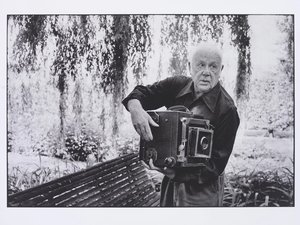
nathaniel paul stransky
1890 - 1976 , United States of America
Osnovne informacije
- Artistic Movement Or Style: Straight Photography
- Artists Or Movements Influenced By This Artist:
- Edward Hopper
- f/64 Group
- Artists Who Influenced This Artist:
- Alfred Stieglitz
- Lewis Hine
- Date Of Birth: October 16, 1890
- Date Of Death: March 31, 1976
- Full Name: Nathaniel Paul Strand
- Nationality: American
- Notable Artworks:
- Wall Street
- Manhatta
- Place Of Birth: New York City, USA