

 Pregledaj u prostoru
 Pošalji
 Podeli
 Detalji o delu

 Преузми
 Slični predmeti
 Rendgenski snimak
 Slajdovi
 Statistika
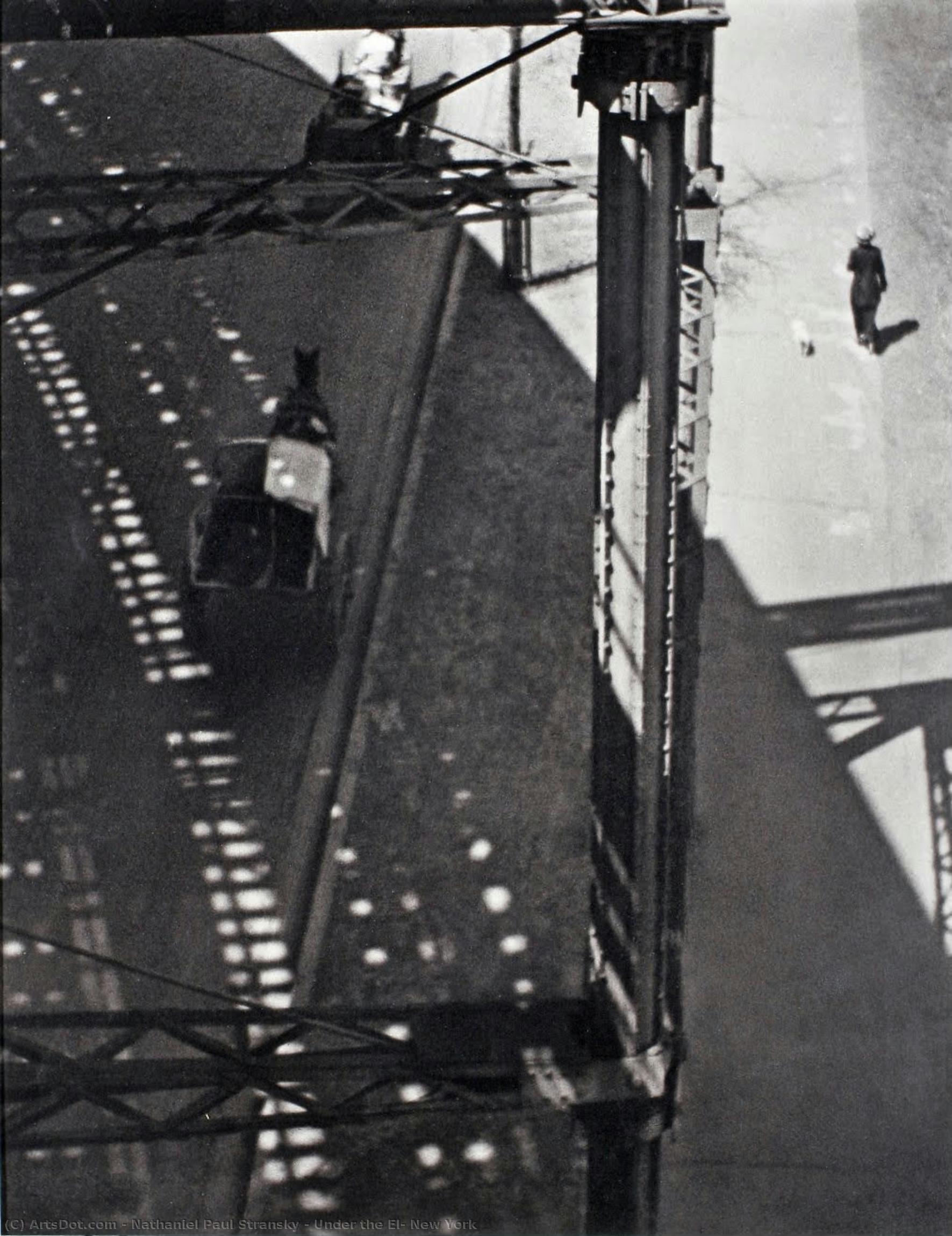
Under the El, New York


 Pročitaj više
Kupite digitalnu sliku visoke rezolucije i poboljšanog kvaliteta, koja je znatno superiornija od onoga što vidite u online prikazu.
Svaka datoteka je pedantno pripremljena od strane naših stručnjaka koristeći napredne alate i profesionalnu ručnu retušu. Osiguravamo da svaka slika ima izuzetnu oštrinu, preciznu reprodukciju boja i fine detalje.
Konačna datoteka se dostavlja putem e-pošte u roku od 72 sata, optimizovana za neposrednu upotrebu u profesionalnim, izdavačkim i štamparskim okruženjima. To je isti kvalitet kojem veruju vrhunski studiji dizajna, izdavači i galerije.
Digitalna slika
Preuzmite datoteku visoke rezolucije za ličnu upotrebu, štampanje i kreativne projekte. ( Pređi na štampu Kupi ručno naslikanu sliku)
Uključeno uz svaku porudžbinu digitalne slike
Profesionalna digitalna isporuka, zagarantovana
Kada odaberete ArtsDot.com, ne dobijate samo sliku – vi primate profesionalno unapređeno digitalno umetničko delo, izrađeno sa najvećom preciznošću i uz garanciju zadovoljstva. Evo svega što automatski dolazi uz vašu porudžbinu:

Brza dostava putem e-pošte
Vaša digitalna slika visoke rezolucije biće vam poslata putem e-pošte u roku od 72 sata od poručivanja – spremna za trenutnu upotrebu.

Digitalna datoteka unapređena veštačkom inteligencijom
Vaše umetničko delo je profesionalno optimizovano korišćenjem naprednih AI alata i ručne obrade, čime se osiguravaju maksimalni detalji, oštrina i preciznost boja.

Besplatna ponovna isporuka doživotno
Slučajno ste obrisali ili izgubili svoju datoteku? Ne brinite – poslaćemo vam je ponovo u bilo kom trenutku, potpuno besplatno.

Bez troškova uvoza – zauvek
Uživajte u svojim umetničkim delima trenutno, bez carine, dažbina ili troškova dostave – digitalni download je uvek bez poreza.

Garancija vernosti boja
Uz pomoć profesionalnih alata i upravljanja bojama, osiguravamo da vaša digitalna slika što vernije odražava originalne boje.

Garancija zadovoljstva od 100 dana
Ako niste zadovoljni svojom digitalnom slikom, izvršićemo reviziju ili ćemo vam vratiti 100% novca u roku od 100 dana – bez ikakvih pitanja.

100% garancija povrata novca
Niste zadovoljni? Dobijte puni povraćaj novca u roku od 100 dana od prijema digitalne datoteke – bez suvišnih pitanja.

Popusti na velike porudžbine
Kupite 3 slike, uštedite 10% - Kupite 5 slika, uštedite 15% - Kupite 10+ slika, uštedite 20%. Odlično za kreativne projekte, galerije i agencije.
Srodna umetnička dela







Biografija umetnika
Early Life and Pictorialist Beginnings
Nathaniel Paul Stransky, born in New York City on October 16, 1890, to Bohemian Jewish immigrant parents, embarked on a journey that would fundamentally reshape the landscape of American photography. Though initially known as Nathaniel, he became Paul Strand, a name synonymous with artistic vision and social consciousness. His father, Jacob Stransky, a merchant, gifted him a camera at age twelve, igniting a passion that would blossom into a lifelong pursuit. This early exposure wasn’t merely about capturing images; it was the genesis of a quest to understand and represent the world around him.
Strand's formal education at the Ethical Culture Fieldston School proved pivotal. There, he encountered Lewis Hine, whose commitment to social reform through documentary photography deeply influenced the young Strand. A field trip to Alfred Stieglitz’s 291 gallery—a haven for modernist art and photography—was a watershed moment. Immersed in the works of pioneering photographers and painters like Matisse, Rodin, Cézanne, and Picasso, Strand began to explore his own artistic voice within the Pictorialist movement. This early phase involved manipulating images to resemble paintings, striving for aesthetic beauty and acceptance within established art circles.
The Birth of Straight Photography
However, Strand soon grew disillusioned with the artificiality of Pictorialism. He yearned for a purer form of photographic expression—one that embraced the camera’s unique ability to capture reality directly, without embellishment. This marked the birth of “Straight Photography,” a style characterized by sharp focus, precise compositions, and an unwavering commitment to representing subjects as they were. His iconic 1915 photograph, *Wall Street*, exemplifies this shift. The image, with its stark contrasts and geometric forms, wasn’t merely a depiction of a bustling financial district; it was a bold statement about modernity, abstraction, and the power of photography itself.
Strand believed that the camera possessed an unparalleled capacity to reveal truth—to freeze moments in time and space with unmatched clarity. He drew inspiration from the formalist paintings of Cézanne, Braque, and Picasso, experimenting with composition and perspective to create images that were both visually striking and intellectually stimulating. This approach challenged conventional notions of photographic art, elevating it from a mere technical process to a legitimate form of creative expression.
Social Consciousness and the Photo League
Unlike some of his contemporaries who prioritized aesthetics above all else, Strand believed that art should engage with the world on a deeper level—spiritually and socially. This conviction led him to become a founding member of the Photo League in 1936, a cooperative dedicated to using photography as a tool for social change. Alongside Elizabeth McCausland, Ansel Adams, and Nancy Newhall, Strand championed documentary photography that addressed issues of poverty, injustice, and political oppression.
The Photo League became a powerful voice for the marginalized, documenting the struggles of working-class Americans during the Great Depression and beyond. Strand’s involvement reflected his growing sympathy for Marxist ideas and his unwavering belief in the power of collective action. His work with the League—and his broader commitment to social reform—solidified his reputation as not just an artist but also a passionate advocate for a more equitable world.
Filmmaking and Later Years
Strand’s artistic exploration extended beyond still photography into the realm of filmmaking. In 1921, he collaborated with painter Charles Sheeler on *Manhatta*, a silent film that captured the energy and dynamism of New York City. This early foray into motion pictures demonstrated his ability to translate his photographic sensibilities to a new medium.
Throughout the 1930s and 40s, Strand continued to work in both photography and film, traveling extensively throughout the Americas, Europe, and Africa. His films, such as *Redes* (1936) and *Native Land* (1942), tackled complex social and political issues with unflinching honesty. Despite facing scrutiny during the McCarthy era—the Photo League was labeled a subversive organization in 1947—Strand remained committed to his artistic vision.
In his later years, Strand continued to produce powerful and evocative work, leaving behind a legacy that continues to inspire photographers today. His archive of nearly 4,000 prints stands as a testament to his unwavering dedication to the art form and his profound understanding of the human condition. Paul Strand, more than just a photographer, was a visionary artist who used his craft to challenge conventions, promote social justice, and capture the beauty and complexity of the world around him. His influence resonates through generations of photographers, solidifying his place as a true master of modern photography.
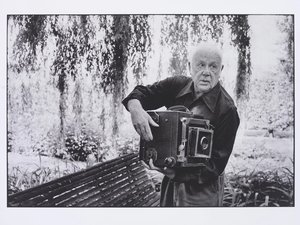
nathaniel paul stransky
1890 - 1976 , United States of America
Kratke činjenice
- Artistic Movement Or Style: Straight Photography
- Artists Or Movements Influenced By This Artist:
- Edward Hopper
- f/64 Group
- Artists Who Influenced This Artist:
- Alfred Stieglitz
- Lewis Hine
- Date Of Birth: October 16, 1890
- Date Of Death: March 31, 1976
- Full Name: Nathaniel Paul Strand
- Nationality: American
- Notable Artworks:
- Wall Street
- Manhatta
- Place Of Birth: New York City, USA