

 Pregledaj u prostoru
 Pošalji
 Podeli
 Detalji o delu

 Преузми
 Slični predmeti
 Rendgenski snimak
 Slajdovi
 Statistika
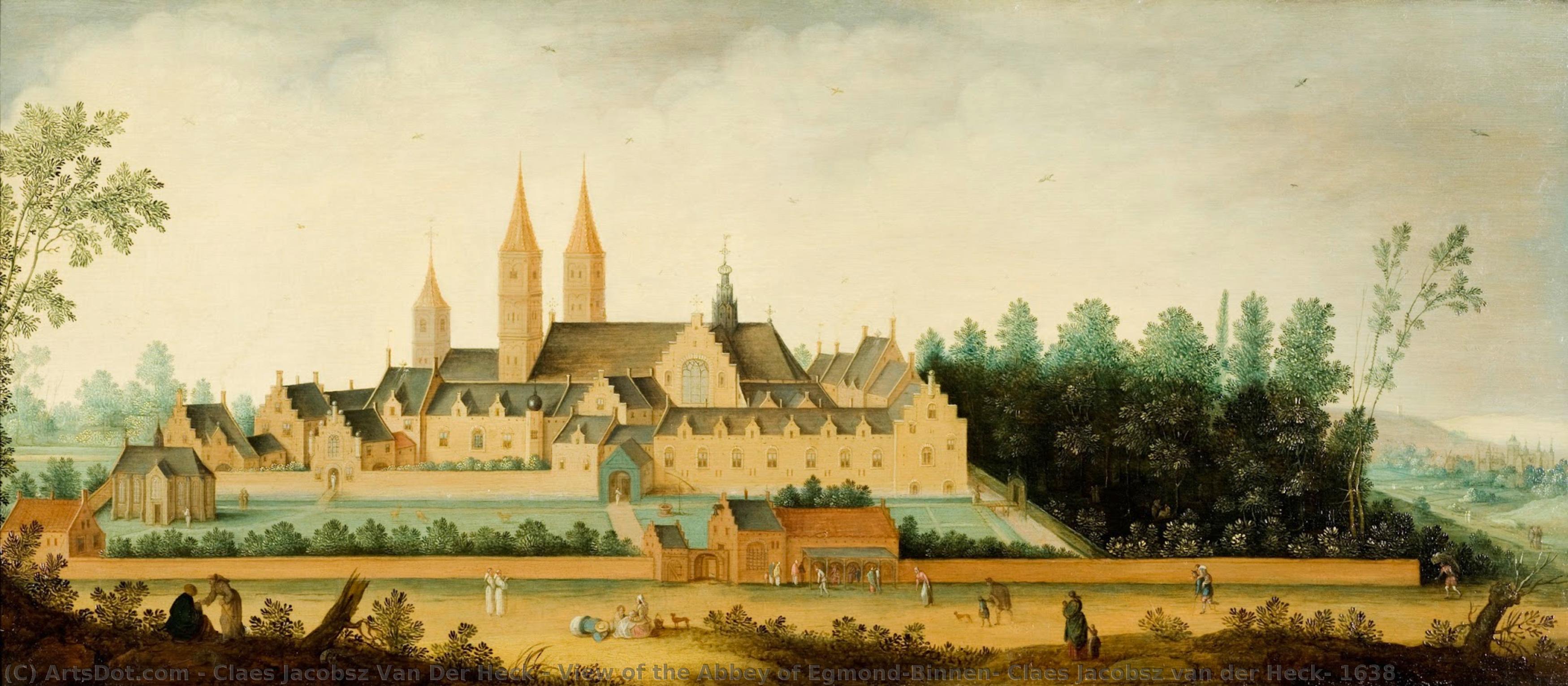
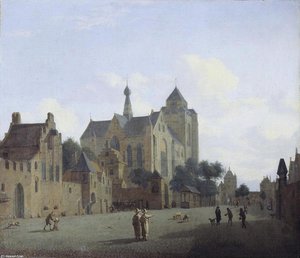
View of the Abbey of Egmond-Binnen, Claes Jacobsz van der Heck, 1638
 Dutch Golden Age
 1638
1638 31.0 x 72.0 cm
 Pročitaj više
Giclee štampa / Umetnički otisak
Giclée štampa ili print na platnu muzejskog kvaliteta uz brzu proizvodnju i fleksibilne opcije završne obrade. ( Kupi ručno naslikanu sliku Pređi na digitalnu sliku)




































Izaberite jednu od naših unapred definisanih veličina koje odgovaraju originalnim proporcijama umetničkog dela.

Možete uneti sopstvene dimenzije kako biste umetničko delo prilagodili specifičnom okviru ili prostoru. Ako odabrani format ne odgovara proporcijama originalne slike, mi ćemo ili iscrtati deo dela ili proširiti sliku pomoću ogledane ivice ili jednobojnog popunjavanja. Digitalni prikaz će vam biti poslat na odobrenje pre početka proizvodnje.
Imajte na umu da pregled na ekranu ne odražava stvarno iscrtavanje ili proširivanje. Samo će prikaz (mockup) precizno pokazati finalnu kompoziciju.
Iako su prilagođene dimenzije dostupne, preporučujemo da odaberete dimenziju sa unapred definisane liste kako biste očuvali originalne proporcije.
Dostava širom sveta () za 2 nedelje umesto uobičajenih 4/5 nedelja. (9 септембар)

Besplatna ekspresna dostava širom sveta

Visokokvalitetno laneno platno

Kompletno osiguranje transporta

Garancija povraćaja carine i uvoznih dažbina

Garancija vernosti boja

Politika povraćaja u roku od 100 dana (isključivo u slučaju nedostataka)

Garancija povrata novca od 100%

Popust pri grupnoj kupovini
 Opcija sa staklom dostupna je samo za dimenzije manje od 110 cm

View of the Abbey of Egmond-Binnen, Claes Jacobsz van der Heck, 1638
Giclee štampa / Umetnički otisak
Dimenzije reprodukcije
-


Konačna cena
$ 62
Srodna umetnička dela

Biografija umetnika
The Visionary Landscapes of Nicolaes Jacobsz van der Heck
In the golden era of Dutch painting, few artists possessed the ability to weave together the serene beauty of the natural world with the unsettling shadows of the supernatural as masterfully as Nicolaes Jacobsz van der Heck. Born in the historic city of Alkmaar around 1575, Van der Heck was a painter whose lineage and training placed him at the very heart of the Dutch Golden Age. As the grand-nephew of the celebrated painter Maarten van Heemskerck, he inherited a profound artistic legacy that would inform his approach to composition and narrative. His early development was further refined under the guidance of Jan Nagel, a respected landscape specialist whose influence is evident in Van der Heck’s meticulous attention to atmospheric perspective and the grand, sweeping vistas that became his hallmark.
The artistry of Van der Heck is defined by a remarkable duality. On one hand, he was a virtuoso of the Dutch countryside, capable of capturing the quiet majesty of the Netherlands with an almost tactile realism. His works often feature the soft, diffused light characteristic of the northern lowlands, illuminating rolling hills, shimmering waters, and the architectural dignity of monastic life. His View of the Abbey of Egmond-Binnen stands as a testament to this skill, presenting a tranquil scene where monastic architecture is harmoniously integrated into a lush, detailed landscape. Through his use of tonal gradation and spatial depth, he invited viewers to step into a world that felt both physically present and spiritually resonant.
A Tapestry of Mysticism and Allegory
Yet, beneath the tranquil surface of his landscapes often lay a more complex and darker psychological layer. Van der Heck was not merely an observer of nature; he was a chronicler of the era's deeper anxieties and fascinations. He frequently ventured into the realm of historical allegory and the grotesque, drawing inspiration from the fantastical repertoires of Hieronymus Bosch and Pieter Brueghel the Elder. His depictions of Witches' Sabbaths are particularly striking, presenting panoramic landscapes that serve as stages for chaotic, symbolic dramas. In these works, the familiar elements of the Dutch landscape—ruins, forests, and skies—are populated by demons, monsters, and sorcerers, creating a palpable sense of unease.
This ability to manipulate chiaroscuro allowed him to heighten the drama within these supernatural scenes. By skillfully directing light to illuminate specific, often unsettling, details—such as a crowned demon or a procession of witches—he could guide the viewer's eye through a labyrinth of symbolic imagery. These paintings reflected the broader cultural tensions of the 17th century, where the boundaries between the seen and unseen worlds were often perceived as thin. Whether he was painting the peaceful Abbey of Egmond or a night of occult ritual, his work remained deeply rooted in an expressive brushwork that breathed life into both the mundane and the monstrous.
Legacy and Historical Significance
Throughout his long career, which spanned several decades until his death in 1652, Van der Heck maintained a reputation as a versatile and technically proficient master. His oeuvre was diverse, ranging from portraits and historical allegories to his specialized views of castles and abbeys. The presence of his works in significant collections, such as the Rijksmuseum, ensures that his contribution to the Dutch tradition remains a vital subject of study for art historians today. He did not merely replicate the landscapes of his peers; he imbued them with a unique, mystical spirit that distinguished him from the more purely naturalistic painters of his time.
The enduring impact of Nicolaes Jacobsz van der Heck lies in his capacity to bridge the gap between reality and imagination. His legacy is found in:
- Technical Mastery: His sophisticated use of atmospheric perspective and light to create depth and emotion.
- Narrative Depth: The seamless integration of complex, often dark, allegorical themes within traditional landscape formats.
- Cultural Reflection: His ability to capture the dual nature of the Dutch Golden Age—a period of both immense prosperity and profound spiritual questioning.

nicolaes jacobsz van der heck
1652 , Netherlands
Osnovne informacije
- Artistic Movement Or Style: Dutch Golden Age
- Artists Or Movements Influenced By This Artist: ['']
- Artists Who Influenced This Artist: ['Jan Nagel']
- Date Of Death: 1652
- Full Name: Claes Jacobsz van der Heck
- Nationality: Dutch
- Notable Artworks:
- View of the Abbey of Egmond-Binnen
- Witches’ Sabbath
- Place Of Birth: Alkmaar, Netherlands
Povezani članci
Willem van de Velde the Elder: Master of Maritime Painting & Chronicler of the Dutch Golden Age
Discover the captivating maritime paintings of Willem van de Velde the Elder, a master chronicler of the Dutch Golden Age. Explore his unparalleled realism and lasting influence on naval art history.

Zlatno doba Holandske umetnosti: Top 10 remek dela za vaš dom
Otkrijte remek dela Holandskog zlatnog doba! Uronite u svet Rembrandta, Vermeera i drugih majstora. 10 ikoničnih slika koje su definisale umetnost. Inspiracija za vaš dom i kolekciju - ekskluzivne reprodukcije na ArtsDot.com!

Rembrandt van Rijn: 25 Majstorstava Svetla i Senke za Vaš Dom | ArtsDot
Uronite u svet Rembrandta van Rijna! Otkrijte 25 najlepših dela holandskog majstora – portrete, istorijske scene i biblijska platna. Kvalitetne reprodukcije slika za dekoraciju enterijera dostupne na ArtsDot.com.

Illuminating Innovation: Exploring the Dutch Golden Age of Painting
Explore the Dutch Golden Age of painting with ArtsDot. Discover Rembrandt, Vermeer & other Masters. Learn about key characteristics, iconic artworks, and lasting influence. Expert insights for collectors & enthusiasts.

Golden Age Reflections: Dutch Baroque Painting & Cultural Innovation
Explore the Dutch Golden Age of painting! Discover key artists like Vermeer & ter Borch, their innovative techniques, and the rich cultural context behind these Baroque masterpieces. Learn about collecting & appreciating this iconic art period.