

 Pregledaj u prostoru
 Pošalji
 Podeli
 Detalji o delu

 Преузми
 Slični predmeti
 Rendgenski snimak
 Slajdovi
 Statistika
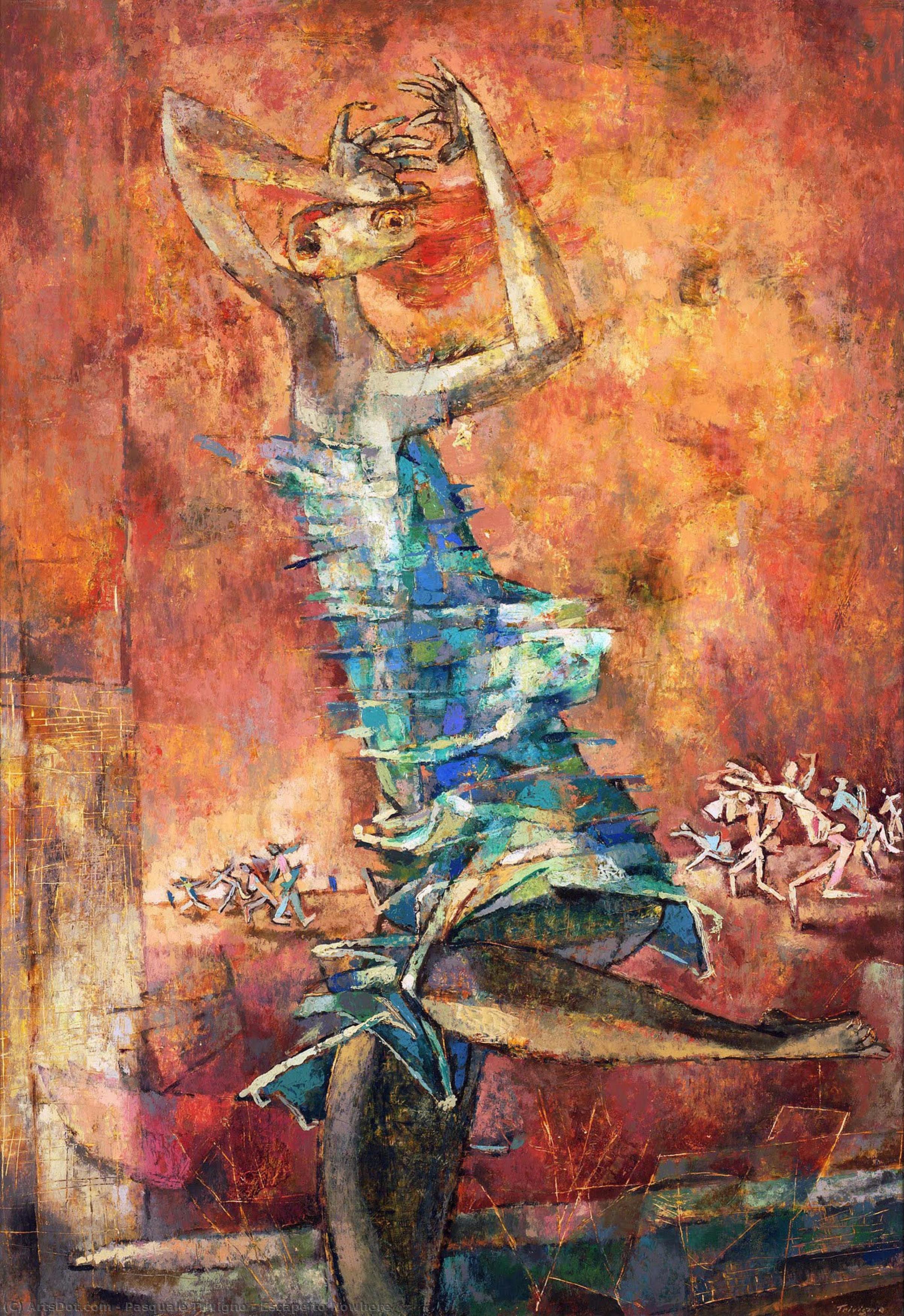
Escape to Nowhere


 Pročitaj više
Kupite digitalnu sliku visoke rezolucije i poboljšanog kvaliteta, koja je znatno superiornija od onoga što vidite u online prikazu.
Svaka datoteka je pedantno pripremljena od strane naših stručnjaka koristeći napredne alate i profesionalnu ručnu retušu. Osiguravamo da svaka slika ima izuzetnu oštrinu, preciznu reprodukciju boja i fine detalje.
Konačna datoteka se dostavlja putem e-pošte u roku od 72 sata, optimizovana za neposrednu upotrebu u profesionalnim, izdavačkim i štamparskim okruženjima. To je isti kvalitet kojem veruju vrhunski studiji dizajna, izdavači i galerije.
Digitalna slika
Preuzmite datoteku visoke rezolucije za ličnu upotrebu, štampanje i kreativne projekte. ( Pređi na štampu Kupi ručno naslikanu sliku)
Uključeno uz svaku porudžbinu digitalne slike
Profesionalna digitalna isporuka, zagarantovana
Kada odaberete ArtsDot.com, ne dobijate samo sliku – vi primate profesionalno unapređeno digitalno umetničko delo, izrađeno sa najvećom preciznošću i uz garanciju zadovoljstva. Evo svega što automatski dolazi uz vašu porudžbinu:

Brza dostava putem e-pošte
Vaša digitalna slika visoke rezolucije biće vam poslata putem e-pošte u roku od 72 sata od poručivanja – spremna za trenutnu upotrebu.

Digitalna datoteka unapređena veštačkom inteligencijom
Vaše umetničko delo je profesionalno optimizovano korišćenjem naprednih AI alata i ručne obrade, čime se osiguravaju maksimalni detalji, oštrina i preciznost boja.

Besplatna ponovna isporuka doživotno
Slučajno ste obrisali ili izgubili svoju datoteku? Ne brinite – poslaćemo vam je ponovo u bilo kom trenutku, potpuno besplatno.

Bez troškova uvoza – zauvek
Uživajte u svojim umetničkim delima trenutno, bez carine, dažbina ili troškova dostave – digitalni download je uvek bez poreza.

Garancija vernosti boja
Uz pomoć profesionalnih alata i upravljanja bojama, osiguravamo da vaša digitalna slika što vernije odražava originalne boje.

Garancija zadovoljstva od 100 dana
Ako niste zadovoljni svojom digitalnom slikom, izvršićemo reviziju ili ćemo vam vratiti 100% novca u roku od 100 dana – bez ikakvih pitanja.

100% garancija povrata novca
Niste zadovoljni? Dobijte puni povraćaj novca u roku od 100 dana od prijema digitalne datoteke – bez suvišnih pitanja.

Popusti na velike porudžbine
Kupite 3 slike, uštedite 10% - Kupite 5 slika, uštedite 15% - Kupite 10+ slika, uštedite 20%. Odlično za kreativne projekte, galerije i agencije.
Srodna umetnička dela






Biografija umetnika
Lucian Freud: A Portrait of the Soul
Lucian Michael Freud (1922-2011) remains one of the most compelling and challenging figures in 20th-century British art. More than simply a portrait painter, he offered profound psychological explorations through his intensely intimate depictions of friends, family, and occasionally, strangers. His work, characterized by its thick impasto, unsettling interiors, and often ambiguous gazes, continues to provoke debate and admiration, cementing his legacy as a master of observation and emotional resonance.
Born in Berlin during the turbulent years of the Weimar Republic, Freud’s early life was shaped by the intellectual currents of his family. His father, Ernst L. Freud, was the fourth child of Sigmund Freud, the renowned psychoanalyst, and his mother, Lucie Brasch, was a German Jewish woman. This lineage imbued him with a complex relationship to history, identity, and the weight of familial legacy. The family’s emigration to London in 1933, fleeing the rising tide of Nazism, profoundly impacted Freud's perspective and ultimately influenced his artistic trajectory. He attended Dartington Hall School and Bryanston School before being expelled for disruptive behavior – a characteristic that would later be reflected in the intensity of his portraits.
Freud’s early artistic development was initially influenced by Surrealism, a movement he embraced during his time in Paris in the late 1940s. However, he quickly moved beyond this initial phase, developing a distinctly realist style that prioritized direct observation and psychological depth. He began to focus on capturing not just the outward appearance of his subjects but also their inner lives – their anxieties, vulnerabilities, and unspoken thoughts. This shift was further solidified by his exposure to the work of artists like Cedric Morris and David Bomberg, who encouraged him to develop a more independent and expressive approach.
The Language of Portraiture
Freud’s portraits are not merely likenesses; they are investigations into the human condition. He famously demanded extended sittings from his models – sometimes for days on end – creating an atmosphere of intimacy and vulnerability. His technique involved working directly onto the canvas, often applying paint with a palette knife to build up layers of thick impasto. This textured surface not only created a sense of physicality but also served to emphasize the contours of the face and body, drawing attention to every wrinkle, pore, and expression.
His subjects were typically people he knew well – friends, family members, and occasional acquaintances. These relationships informed his approach, allowing him to capture not just physical features but also a sense of familiarity and trust. However, this intimacy was often juxtaposed with an underlying tension or discomfort. His portraits frequently depict figures in awkward poses, caught in moments of introspection or vulnerability. The lighting is typically subdued, casting long shadows that heighten the sense of mystery and psychological depth.
A key element of Freud’s style is his use of color – or rather, his deliberate avoidance of it. He largely restricted himself to a palette of browns, greys, and blacks, creating a somber and melancholic atmosphere. This restrained approach allowed the textures and forms of his subjects to take center stage, emphasizing their physicality and emotional weight.
Key Works and Influences
Freud’s career spanned over six decades, during which he produced an extraordinary body of work. Some of his most celebrated paintings include *Portrait of Kitty* (1948-49), a haunting depiction of his young lover; *Benefits Supervisor Sleeping* (1995), a monumental portrait that captured the quiet dignity of a homeless woman; and numerous portraits of his family, including his son, Leo. His work was influenced by a diverse range of sources, from Rembrandt’s masterful use of light and shadow to the psychological insights of Sigmund Freud himself.
The 1922 Group, a small circle of artists he met during his time in Paris, also played a significant role in shaping his artistic vision. This group challenged the established art world and sought to create a space for experimentation and innovation. Freud’s association with this group helped him develop a more independent approach to painting and solidified his commitment to capturing the complexities of human experience.
Legacy and Significance
Lucian Freud died in 2011, leaving behind a remarkable legacy as one of Britain's most important artists. His portraits continue to be exhibited around the world and are held in major collections, including the Tate Collection in London. Freud’s work is admired for its psychological depth, technical mastery, and unflinching honesty. He challenged conventional notions of portraiture, moving beyond mere likenesses to create images that capture the essence of his subjects' souls.
His influence on subsequent generations of artists is undeniable. Freud’s willingness to confront difficult emotions and explore the darker aspects of human experience paved the way for a new era of psychological realism in art. He remains a powerful reminder of the transformative potential of painting – its ability to reveal, challenge, and ultimately, connect us to one another.
pasquale trivigno
1922 - 2013 , United States of America
Kratke činjenice
- Artistic Movement Or Style: Figurative art, Portraiture
- Artists Or Movements Influenced By This Artist:
- David Hockney
- Francis Bacon
- Artists Who Influenced This Artist:
- Surrealism
- Expressionism
- Date Of Birth: 8 December 1922
- Date Of Death: 20 July 2011
- Full Name: Lucian Michael Freud
- Nationality: British
- Notable Artworks:
- Benefits Supervisor Sleeping
- Portrait of Kitty
- Figure with a Dog
- Place Of Birth: Berlin, Germany