Pregledaj u prostoru
 Pošalji
 Podeli
 Detalji o delu

 Преузми
 Slični predmeti
 Rendgenski snimak
 Slajdovi
 Statistika
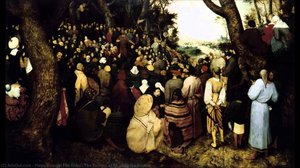
Propoved Svetog Jovana Krstitelja
 Ulje na panelu
- Umetnost za zidove
- Северна ренесанса
 1566
1566- Renesansa
 95.0 x 160.0 cm
 Музеј личних уметности Будимпешта
 Pročitaj više
Giclee štampa / Umetnički otisak
Giclée štampa ili print na platnu muzejskog kvaliteta uz brzu proizvodnju i fleksibilne opcije završne obrade. ( Kupi ručno naslikanu sliku Pređi na digitalnu sliku)




P118B $10

P118H $10

P118W $10

P438Z $10

P508JH $12

P508YH $12

P805H $10

P805Z $10

P919BZ $10

P919G $10

P919XJ $10

P959ZH $10

P968JZ $12

W106C $8

W218G $10

W218JH $8

W218Y $10

W307PJ $10

W316G $10

W316PJ $8

W316Y $10

W398PJ $8

W4111J $10

W500HY $15

W500JH $15

W692G $12

W849H $8

W940BG $15

W953PJ $8
Izaberite jednu od naših unapred definisanih veličina koje odgovaraju originalnim proporcijama umetničkog dela.

Možete uneti sopstvene dimenzije kako biste umetničko delo prilagodili specifičnom okviru ili prostoru. Ako odabrani format ne odgovara proporcijama originalne slike, mi ćemo ili iscrtati deo dela ili proširiti sliku pomoću ogledane ivice ili jednobojnog popunjavanja. Digitalni prikaz će vam biti poslat na odobrenje pre početka proizvodnje.
Imajte na umu da pregled na ekranu ne odražava stvarno iscrtavanje ili proširivanje. Samo će prikaz (mockup) precizno pokazati finalnu kompoziciju.
Iako su prilagođene dimenzije dostupne, preporučujemo da odaberete dimenziju sa unapred definisane liste kako biste očuvali originalne proporcije.
Dostava širom sveta () za 2 nedelje umesto uobičajenih 4/5 nedelja. (17 септембар)

Besplatna ekspresna dostava širom sveta

Visokokvalitetno laneno platno

Kompletno osiguranje transporta

Garancija povraćaja carine i uvoznih dažbina

Garancija vernosti boja

Politika povraćaja u roku od 100 dana (isključivo u slučaju nedostataka)

Garancija povrata novca od 100%

Popust pri grupnoj kupovini
 Opcija sa staklom dostupna je samo za dimenzije manje od 110 cm

Propoved Svetog Jovana Krstitelja
Giclee štampa / Umetnički otisak
Dimenzije reprodukcije
-


Konačna cena
$ 62
Tapiserija vere i zemaljskog života
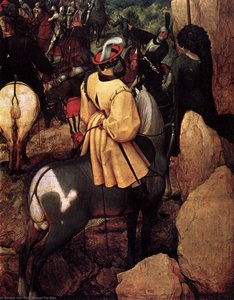
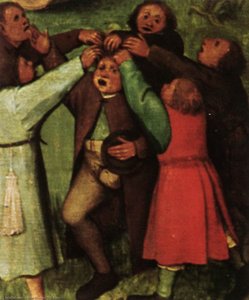
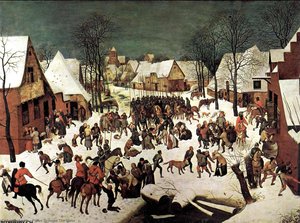
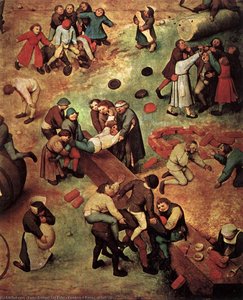
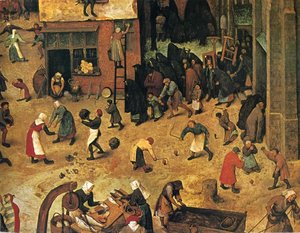
U prostranim pejzažima severnog renesansnog doba, malo je dela koja tako izvrsno dočaravaju duboku presek između božanskog i svetovnog kao Propoved Svetog Jovana Krstitelja Pieter Bruegela Staršeg. Naslikano 1566. godine, ovo remek-delo služi kao zadivljujući prozor u svet u kojem se duhovni žar susreće sa surovom stvarnošću seljačkog života. Dok posmatrač luta pogledom preko ovog impresivnog ulja na drvenoj podlozi, javlja se trenutni osećaj prenosa u vlačno, atmosfersko popodne u šesnaestovečnim Nederlandima. Bruegel ne prikazuje samo biblijski događaj; on orkestrira živu, dišuću zajednicu. Scena je ispunjena energijom gomile okupljene na otvorenom, čija je pažnja usredsređena na autoritativno prisustvo Svetog Jovana. Ipak, dok se propoved odvija, oko je pozvano da luta kroz teksturirani pejzaž, otkrivajući tihe, ritmične detalje svakodnevice koje je Bruegel tako majstorski integrisao u svoju svetu naraciju.
Kompozicija predstavlja trijumf renesansne strukturne inteligencije. Koristeći sofisticiran piramidalni raspored, Bruegel usmerava pogled posmatrača nagore, osiguravajući da Sveti Jovan ostane duhovna i vizuelna polazišna tačka. Međutim, ova klasična stabilnost prelepo je suprotstavljena širokom, panoramskom pogledu na masu ljudi ispod njega. Umetnik koristi majstorski chiaroscuro, dopuštajući dramatičnoj svetlosti da probije kroz oblačno i maglovito nebo, klesajući lica slušalaca sa gotovo taktilnom intimnošću. Možete gotovo osetiti vlagu vazduha i težinu debelih tkanina koje nose seljaci. Ova igra svetlosti i senke radi više od stvaranja dubine; ona svakoj figuri daje osećaj individualnog promišljanja, pretvarajući gomilu ljudi u skup duša uhvaćenih u trenutku dubokog duhovnog obračuna.
Simbolizam i duh doba
Pored svog vizuelnog sjaja, slika je prožeta suptilnim istorijskim i simboličkim odsjajima koji govore o turbulentnoj eri Reformacije. Iako je tema očigledno religiozna, mnogi istoričari umetnosti sugerišu dublji, subverzivniji sloj značenja. Okupljanje ljudi na otvorenom prostoru, izvan formalnih okvira crkve, može suptilno aludirati na "propovedi u žbunju" koje su držali kalvinistički propovednici koji su nastojali da vrše obred van domašaja španskih vlasti. Bruegel utkano ove političke tenzije u samu tkaninu pejzaža. Uključivanje kišobrana i prigušena, zemljana paleta sugerišu svet koji je istovremeno fizički grub i duhovno tražent. Svaki element, od udaljenih drveća do razbacane publike, doprinosi osećaju ljudske nesavršenosti i neprestanoj potrazi za istinom usred haosa koji je prožimao menjajuću se Evropu.
Za iznajmljivača ili dizajnera enterijera, ovo delo nudi mnogo više od same dekoracije; ono pruža duboko emocionalno sidro. Sposobnost slike da balansira velike istorijske teme sa intimnim ljudskim emocijama čini je svestranim centralnim elementom svakog sofisticiranog prostora. Bilo da je postavljena u radnu sobu poput galerije ili kao dominantna karakteristika u savremenom dnevnom boravku, reprodukcija ovako značajnog dela unosi vazduh intelektualne dubine i vanvremenosti. To je delo koje poziva na razgovor, podstičući posetioce da razmisle o sopstvenoj povezanosti sa istorijom, prirodom i trajnom moći vere. Posedovati visokokvalitetnu reprodukciju ovog Bruegelovog remek-dela znači držati fragment duha renesanse, beležeći trenutak u kojem su nebo i zemlja bili trenutno, i prelepo, jedno.
Biografija umetnika
Pieter Bruegel the Elder (c. 1525-1569): Renaissance Master of Landscapes & Peasant Life
Pieter Bruegel the Elder emerged during a period of profound change, a time when the artistic landscape of Europe was shifting from the High Renaissance ideals of Italy towards the burgeoning complexities of Northern European expression. Born sometime between 1525 and 1530, likely in Breda – though details surrounding his early life remain somewhat elusive – Bruegel’s formative years unfolded amidst religious upheaval and a flourishing merchant culture. He began his artistic journey around 1545 as an apprentice to Pieter Coecke van Aelst, a respected Antwerp painter known for both his artistry and his designs for tapestries. This apprenticeship provided Bruegel with a solid grounding in the technical skills of oil painting and drawing, but perhaps more importantly, it exposed him to the humanist currents that were beginning to permeate intellectual circles. Van Aelst’s workshop was not merely a place of artistic instruction; it was a crucible where traditional techniques met new ideas, shaping Bruegel's future vision.Early Influences & Artistic Training
Bruegel’s initial artistic training took place under the tutelage of Pieter Coecke van Aelst, a figure who embodied the spirit of Antwerp’s artistic dynamism during this transitional era. Van Aelst’s workshop wasn’t simply focused on mastering painting; it fostered an environment where artists wrestled with emerging humanist philosophies and experimented with innovative compositional strategies. This exposure to humanist thought – particularly the emphasis on observation and rational analysis – would profoundly influence Bruegel's subsequent artistic endeavors. Furthermore, he honed his skills in drawing and etching, disciplines that complemented his painting practice and broadened his artistic repertoire. The Antwerp Guild of Saint Luke recognized Bruegel’s talent early on, granting him admittance as a free master in 1553 – a pivotal moment signifying his professional independence and establishing him as a respected artist within the city's thriving artistic community.Travels & Transformation: Exploring Diverse Cultures
Following his apprenticeship, Bruegel embarked on extensive travels that would irrevocably shape his artistic worldview. Between 1551 and 1553, he ventured into France, Switzerland, and Italy – journeys undertaken not merely for pleasure but as expeditions of intellectual and sensory exploration. These explorations yielded invaluable insights into the artistic traditions of other European nations, particularly Italy, where he encountered the monumental works of Leonardo da Vinci and Michelangelo. However, Bruegel’s artistic temperament remained distinctly Northern European; he didn't simply emulate Italian styles but rather absorbed their influence while retaining his own unique sensibility. The Alps captivated him with their dramatic grandeur, informing the compositional structure and atmospheric perspective found in many of his later landscapes. He meticulously documented these vistas, capturing both their beauty and their inherent complexity—a characteristic that would define his artistic legacy.A Revolutionary Vision: Landscapes Beyond Imitation
What distinguished Bruegel from his contemporaries was his audacious departure from prevailing artistic conventions. While Renaissance painters often idealized nature – striving to represent it in an aesthetically pleasing manner – Bruegel confronted it head-on, portraying it with unflinching realism and a keen awareness of its inherent contradictions. He rejected the notion that art should merely reflect beauty; instead, he sought to illuminate truth—often uncomfortable truths—about human existence and the natural world. His landscapes weren’t simply decorative backgrounds; they were active participants in the narrative, imbued with symbolic meaning and reflecting a deep understanding of nature's power and vulnerability. Consider Landscape with the Flight into Egypt: Bruegel doesn’t depict the biblical scene as a serene pilgrimage but rather presents it as a perilous journey through wintry terrain—a subtle commentary on the challenges faced by pilgrims throughout history.Iconic Masterpieces & Enduring Influence
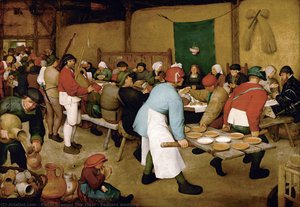
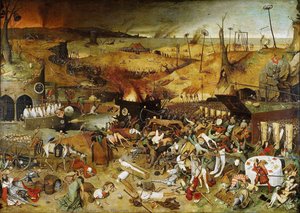
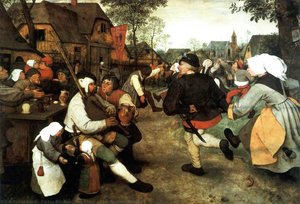
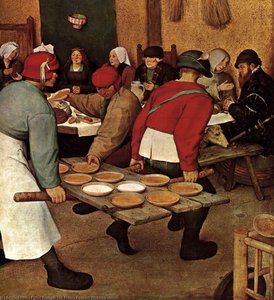
Bruegel's artistic output produced some of the most recognizable and influential images of the sixteenth century. Paintings like The Triumph of Death – a terrifying depiction of mortality populated by grotesque figures—and Peasant Wedding – a vibrant celebration of rural life brimming with detail and humor—remain enduring symbols of Northern Renaissance art. These works stand apart from many of their contemporaries due to Bruegel’s masterful use of chiaroscuro—the dramatic interplay of light and shadow—which lends depth, realism, and emotional resonance to his compositions. His scenes weren't necessarily didactic; they were honest observations, capturing both the joys and sorrows inherent in human experience. Furthermore, Bruegel’s influence extended far beyond painting, inspiring artists across disciplines – including printmakers and filmmakers – who sought to capture the spirit of his time. He cemented his place as one of the foremost figures in art history—a testament to his unwavering commitment to artistic innovation and his profound understanding of the human condition.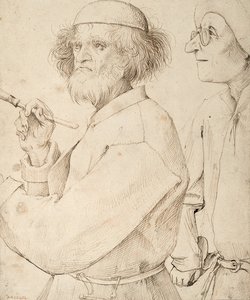
Пијетр Бругел Старији
1525 - 1569 , Није спецификовано
Osnovne informacije
- Artistic Movement Or Style: Renaissance painting
- Artists Who Influenced This Artist: ['Hieronymus Bosch']
- Date Of Birth: c. 1525
- Date Of Death: 1569
- Full Name: Pieter Bruegel the Elder
- Nationality: Flemish
- Notable Artworks:
- Landscape with the Flight into Egypt
- The Triumph of Death
- Peasant Wedding
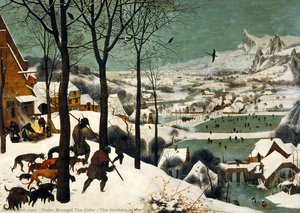
- Hunters in the Snow
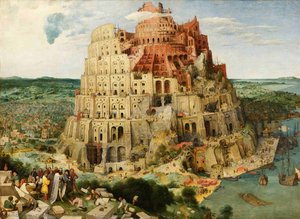
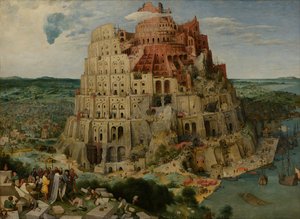
- The Tower of Babel
- Place Of Birth: Breda, Netherlands
Povezani članci
Glavna dela Severne Renesanse: 10 remek-dela koja su obeležila epohu (i vaš dom)
Otkrijte 10 remek dela Severne Renesanse koja su obeležila epohu! Jan van Eyck, Dürer i Bruegel – istražite priče iza ovih umetničkih majstorstava. Inspiracija za vaš dom i vrhunske reprodukcije na ArtsDot.com!
The Northern Renaissance: A Flourishing of Realism, Religious Reform & Artistic Innovation
Explore the Northern Renaissance! Discover Jan van Eyck's innovations, religious shifts, & key artists of this influential period. Expert analysis and insights into Early Netherlandish painting at ArtsDot.
Gwen John: Intimacy, Modernity & the Quiet Power of Welsh Portraiture
Explore the captivating world of Gwen John, a pioneering Welsh artist renowned for her intimate portraits & subtle style. Discover her life, legacy, and how to bring her timeless beauty into your home with ArtsDot.

25 Remek-dela Džona Singera Sargenta: Portreti Elegancije i Svetlosti | ArtsDot
Uronite u svet Džona Singera Sargenta! Otkrijte 25 remek-dela impresionizma i realizma, od portreta Madame X do fascinantnih akvarela. Inspiracija za dekoraciju enterijera & luksuzne reprodukcije slika na ArtsDot.com.

25 Remek-dela Džona Konstebla: Lepota Engleske na Platnu | ArtsDot
Uronite u svet Džona Konstebla! Otkrijte 25 remek-dela engleskog pejzaža, romantizma i seoske idile. Kupite reprodukcije slika vrhunskog kvaliteta za dekoraciju enterijera na ArtsDot.com.