 Pregledaj u prostoru
 Pošalji
 Podeli
 Detalji o delu

 Преузми
 Slični predmeti
 Rendgenski snimak
 Slajdovi
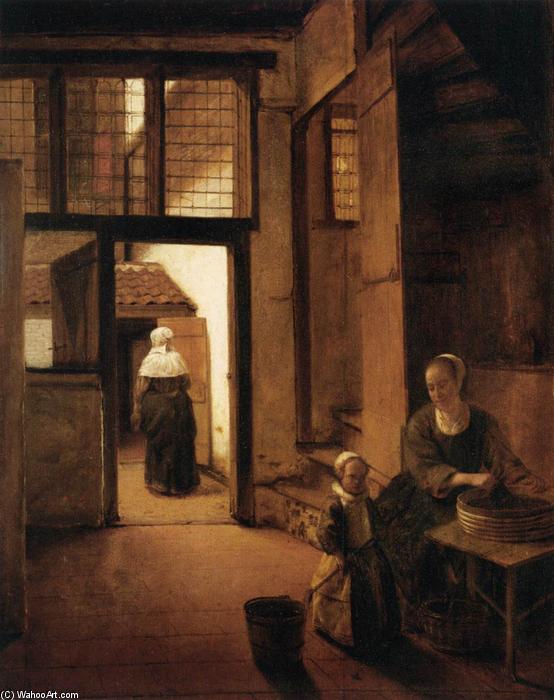
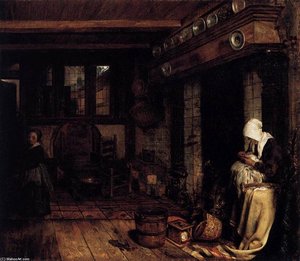
Woman Peeling Vegetables in the Back Room of a Dutch House
 Oil On Canvas
- WallArt
- Dutch Golden Age
 1657
1657- Early Modern
 60.0 x 49.0 cm
 Louvre
 Pročitaj više
Giclee štampa / Umetnički otisak
Giclée štampa ili print na platnu muzejskog kvaliteta uz brzu proizvodnju i fleksibilne opcije završne obrade. ( Kupi ručno naslikanu sliku Kupi digitalnu sliku)




P118B $10

P118H $10

P118W $10

P438Z $10

P508JH $12

P508YH $12

P805H $10

P805Z $10

P919BZ $10

P919G $10

P919XJ $10

P959ZH $10

P968JZ $12

W106C $8

W218G $10

W218JH $8

W218Y $10

W307PJ $10

W316G $10

W316PJ $8

W316Y $10

W398PJ $8

W4111J $10

W500HY $15

W500JH $15

W692G $12

W849H $8

W940BG $15

W953PJ $8




Izaberite jednu od naših unapred definisanih veličina koje odgovaraju originalnim proporcijama umetničkog dela.

Možete uneti sopstvene dimenzije kako biste umetničko delo prilagodili specifičnom okviru ili prostoru. Ako odabrani format ne odgovara proporcijama originalne slike, mi ćemo ili iscrtati deo dela ili proširiti sliku pomoću ogledane ivice ili jednobojnog popunjavanja. Digitalni prikaz će vam biti poslat na odobrenje pre početka proizvodnje.
Imajte na umu da pregled na ekranu ne odražava stvarno iscrtavanje ili proširivanje. Samo će prikaz (mockup) precizno pokazati finalnu kompoziciju.
Iako su prilagođene dimenzije dostupne, preporučujemo da odaberete dimenziju sa unapred definisane liste kako biste očuvali originalne proporcije.
Dostava širom sveta () za 2 nedelje umesto uobičajenih 4/5 nedelja. (30 август)

Besplatna ekspresna dostava širom sveta

Visokokvalitetno laneno platno

Kompletno osiguranje transporta

Garancija povraćaja carine i uvoznih dažbina

Garancija vernosti boja

Politika povrata u roku od 60 dana (samo u slučaju nedostataka)

Garancija povrata novca od 100%

Popust pri grupnoj kupovini
 Opcija sa staklom dostupna je samo za dimenzije manje od 110 cm

Woman Peeling Vegetables in the Back Room of a Dutch House
Giclee štampa / Umetnički otisak
Dimenzije reprodukcije
-


Konačna cena
$ 62
Pieter de Hooch’s Quiet Domestic Narrative: “Woman Peeling Vegetables in the Back Room of a Dutch House”
Pieter de Hooch's "Woman Peeling Vegetables in the Back Room of a Dutch House," painted around 1657, stands as an emblem of Dutch Golden Age artistry—a masterful distillation of observation and emotion within the confines of a seemingly simple domestic scene. More than just a depiction of daily life, this painting delves into themes of family, labor, and the subtle beauty found in ordinary moments, cementing De Hooch’s place among the foremost painters of his era.
- Subject Matter: The artwork portrays a woman diligently peeling vegetables within a dimly lit kitchen interior. Alongside her are two children observing intently, creating an intimate tableau that captures the essence of family life during the mid-17th century.
- Style & Technique: De Hooch’s signature style is characterized by its remarkable realism and luminous chiaroscuro—the dramatic interplay between light and shadow—a technique perfected under the tutelage of Nicolaes Berchem. He employs a muted palette dominated by earthy tones, skillfully rendering textures and capturing atmospheric depth with meticulous detail.
- Historical Context: Painted during the Dutch Golden Age, “Woman Peeling Vegetables” reflects the burgeoning bourgeois culture of Amsterdam and Delft. The painting speaks to the values of industriousness, domestic harmony, and the aspiration for a comfortable existence—values central to the emerging middle class.
- Composition & Symbolism: De Hooch’s compositional choices are deliberate; the open doorway framing the scene invites viewers into this private space, symbolizing openness and connection. The placement of bowls and furniture contributes to the sense of spatial realism, while the woman's focused activity embodies the quiet dignity of labor—a motif frequently explored by artists of the period.
- Emotional Impact: Despite its understated appearance, “Woman Peeling Vegetables” evokes a profound feeling of warmth and tranquility. De Hooch’s masterful use of light creates an atmosphere of intimacy and invites contemplation on themes of motherhood, childhood innocence, and the beauty inherent in everyday life. It's a painting that speaks to the human condition—a reminder that grandeur can be found not only in monumental achievements but also in the quiet rituals of domestic existence.
This artwork exemplifies De Hooch’s ability to elevate commonplace subjects into enduring symbols of artistic excellence and humanist values. Its legacy continues to inspire artists today, demonstrating the power of observation and sensitivity to convey complex emotions within a restrained visual language.
Srodna umetnička dela



Biografija umetnika
rani život i umetničko obrazovanje
Pieter de Hooch, istaknuta figura holandskog zlatnog doba, rođen je 20. decembra 1629. godine u Roterdamu, u Holandiji. Bio je najstariji od petoro dece Hendrika Hendricksza de Hoocha, zidarа, i Anetge Pieters, koja je bila pratilja pri porođaju. Iako su detalji o njegovom ranom životu retki, veruje se da je stvarao u Rotterdamu, Delftu i Amsterdamu. Njegovo umetničko obrazovanje odvijalo se u Haarlemu pod mentorstvom pejzažnog slikara Nicolaesa Berchema, zajedno sa Jacobom Ochterveltom. Upravo je ovaj period postavio temelje za njegov budući uspeh kao majstora tihih, porodičnih scena koje krase otvorena vrata i prolazi.umetnički stil i teme
De Hoochovo delo prepoznatljivo je po neverovatnoj pažnji posvećenoj detaljima, naturalizmu i virtuoznom korišćenju svetlosti. Njegova slika često su prikazivala svakodnevni život, odražavajući vrednosti i težnje tadašnje uspensvene srednje klase. Izuzetan primer ovog stila je "Dvorište kuće u Delftu" (1658), koje svedoči o njegovoj sposobnosti da uhvati najobičnije detalje svakodnevice. Iako njegovo delo deli teme i kompozicije sa radom umetnika kao što je Emanuel de Witte, fokus na ljude i njihove međusobne odnose izdvaja ga od ostalih. To je jasno vidljivo u delima kao što su "Žena koja doji" (1658) i "Žena sa bebom u krilu" (1658), koja demonstriraju njegov duboki interes za intimne, kućne prizore.značajna dela i nasleđe
Njegov umetnički trag ostao je zabeležen kroz neka od najupečatljivijih dela koja uključuju:- "Vesele piće" (oko 1650.)
- "Igrači karata u sunčano osvetljenoj sobi" (1658)
- "Žena koja priprema hleb i puter za dečaka" (1661)
muzeji i kolekcije
Dela ovog majstora mogu se pronaći u brojnim svetskim muzejima, uključujući Koninklijk Museum voor Schone Kunsten u Antverpenu, Belgija, koji čuva ogromnu kolekciju evropske umetnosti od 15. do 20. veka. Otkrijte više o Pieteru de Hoochu i njegovim delima na ArtsDot: [https://ArtsDot.com/@/pieter-de-hooch](https://ArtsDot.com/@/pieter-de-hooch) /sr/art/show/art-d3b4kt-sr/ (istražite remek-dela iz Koninklijk Museum voor Schone Kunsten, Belgija)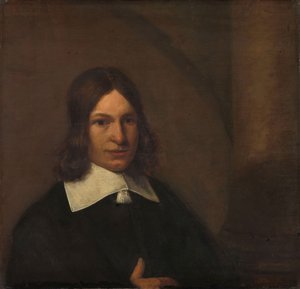
Питер Де Хух
1629 - 1694 , Србија
Osnovne informacije
- Artistic Movement Or Style: Делфтска школа
- Artists Or Movements Influenced By This Artist: ['Јан Вермер']
- Artists Who Influenced This Artist: ['Николас Беркем']
- Date Of Birth: 20. децембар 1629.
- Date Of Death: 1694.
- Full Name: Питер Хендриксзон де Хоох
- Nationality: Холандски
- Notable Artworks:
- Весели пијач
- Карташи у соби
- Жена спрема хлеб
- Place Of Birth (City And Country): Ротердам, Холандија
Povezani članci
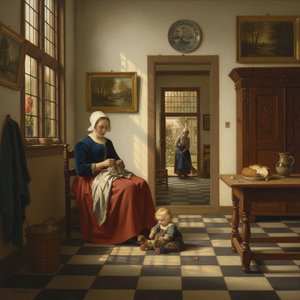
Pieter de Hooch: Illuminating Dutch Domestic Life & Golden Age Charm
Explore the captivating world of Pieter de Hooch, a master of Dutch Golden Age painting. Discover his innovative use of light, intimate domestic scenes, and lasting influence on art history. Learn more at ArtsDot.

Francisco Goya: 25 Remek-dela Španskog Majstora za Vaš Dom | ArtsDot
Istražite 25 remek-dela Francisca Goya, španskog slikara romantizma i impresionizma. Portreti, tamne slike & istorija umetnosti na ArtsDot.com! Kupite reprodukcije slika vrhunskog kvaliteta za dekoraciju enterijera. Otkrijte celu kolekciju online.

Zlatno doba Holandske umetnosti: Top 10 remek dela za vaš dom
Otkrijte remek dela Holandskog zlatnog doba! Uronite u svet Rembrandta, Vermeera i drugih majstora. 10 ikoničnih slika koje su definisale umetnost. Inspiracija za vaš dom i kolekciju - ekskluzivne reprodukcije na ArtsDot.com!

Willem van de Velde the Elder: Master of Maritime Painting & Chronicler of the Dutch Golden Age
Discover the captivating maritime paintings of Willem van de Velde the Elder, a master chronicler of the Dutch Golden Age. Explore his unparalleled realism and lasting influence on naval art history.

Golden Age Reflections: Dutch Baroque Painting & Cultural Innovation
Explore the Dutch Golden Age of painting! Discover key artists like Vermeer & ter Borch, their innovative techniques, and the rich cultural context behind these Baroque masterpieces. Learn about collecting & appreciating this iconic art period.