

 Pregledaj u prostoru
 Pošalji
 Podeli
 Detalji o delu

 Преузми
 Slični predmeti
 Rendgenski snimak
 Slajdovi
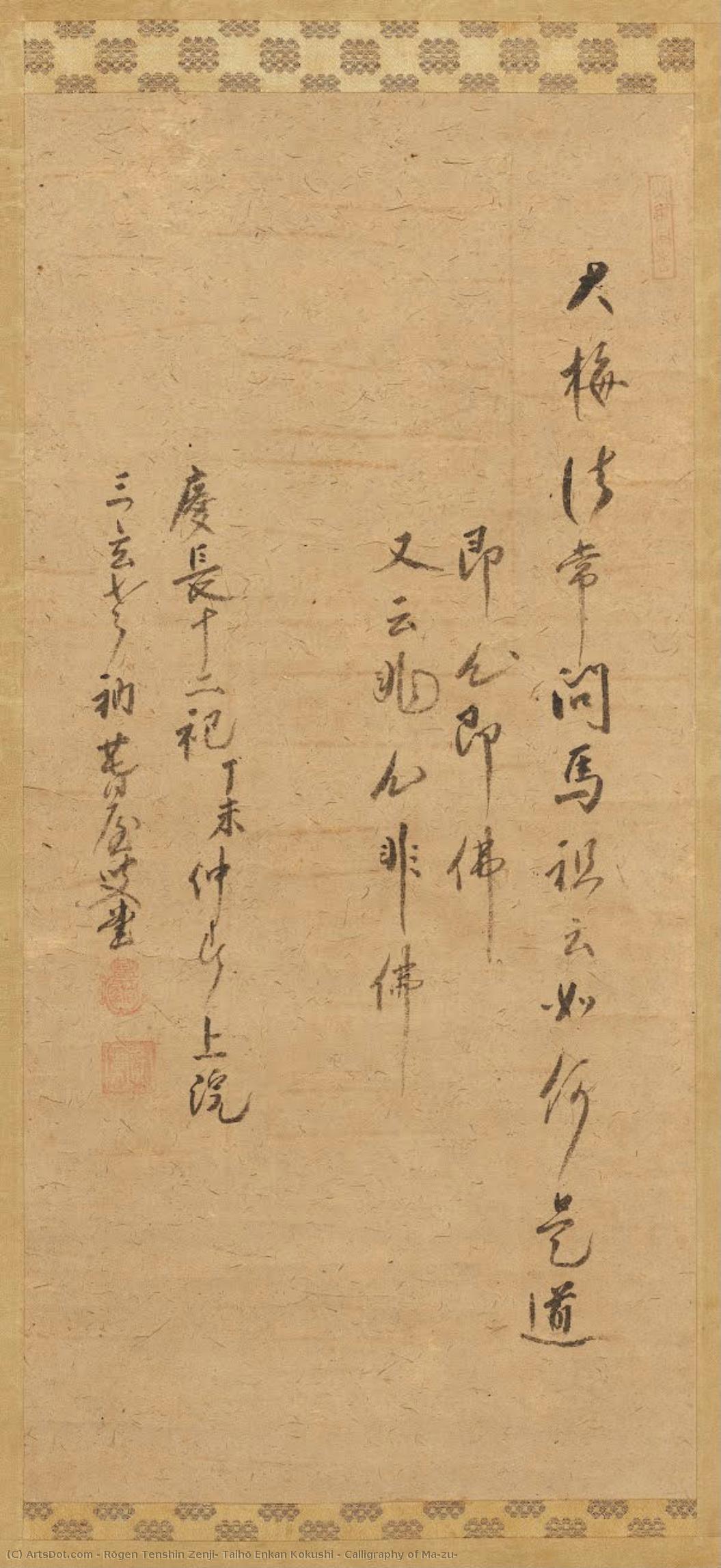
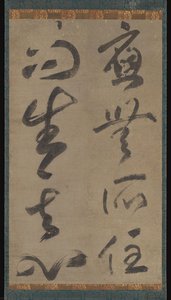
Calligraphy of Ma-zu


 Pročitaj više
Kupite digitalnu sliku visoke rezolucije i poboljšanog kvaliteta, koja je znatno superiornija od onoga što vidite u online prikazu.
Svaka datoteka je pedantno pripremljena od strane naših stručnjaka koristeći napredne alate i profesionalnu ručnu retušu. Osiguravamo da svaka slika ima izuzetnu oštrinu, preciznu reprodukciju boja i fine detalje.
Konačna datoteka se dostavlja putem e-pošte u roku od 72 sata, optimizovana za neposrednu upotrebu u profesionalnim, izdavačkim i štamparskim okruženjima. To je isti kvalitet kojem veruju vrhunski studiji dizajna, izdavači i galerije.
Digitalna slika
Preuzmite datoteku visoke rezolucije za ličnu upotrebu, štampanje i kreativne projekte. ( Kupi print Kupi ručno naslikanu sliku)
Uključeno uz svaku porudžbinu digitalne slike
Profesionalna digitalna isporuka, zagarantovana
Kada odaberete ArtsDot.com, ne dobijate samo sliku – vi primate profesionalno unapređeno digitalno umetničko delo, izrađeno sa najvećom preciznošću i uz garanciju zadovoljstva. Evo svega što automatski dolazi uz vašu porudžbinu:

Brza dostava putem e-pošte
Vaša digitalna slika visoke rezolucije biće vam poslata putem e-pošte u roku od 72 sata od poručivanja – spremna za trenutnu upotrebu.

Digitalna datoteka unapređena veštačkom inteligencijom
Vaše umetničko delo je profesionalno optimizovano korišćenjem naprednih AI alata i ručne obrade, čime se osiguravaju maksimalni detalji, oštrina i preciznost boja.

Besplatna ponovna isporuka doživotno
Slučajno ste obrisali ili izgubili svoju datoteku? Ne brinite – poslaćemo vam je ponovo u bilo kom trenutku, potpuno besplatno.

Bez troškova uvoza – zauvek
Uživajte u svojim umetničkim delima trenutno, bez carine, dažbina ili troškova dostave – digitalni download je uvek bez poreza.

Garancija vernosti boja
Uz pomoć profesionalnih alata i upravljanja bojama, osiguravamo da vaša digitalna slika što vernije odražava originalne boje.

Garancija zadovoljstva u roku od 60 dana
Ako niste zadovoljni svojom digitalnom slikom, revidirat ćemo je ili vratiti 100% novca u roku od 60 dana – bez ikakvih pitanja.

100% garancija povrata novca
Niste zadovoljni? Obezbedite pun povrat novca u roku od 60 dana od trenutka kada ste primili svoju digitalnu datoteku – bez suvišnih pitanja.

Popusti na velike porudžbine
Kupite 3 slike, uštedite 10% - Kupite 5 slika, uštedite 15% - Kupite 10+ slika, uštedite 20%. Odlično za kreativne projekte, galerije i agencije.
Srodna umetnička dela
Biografija umetnika
Rōgen Tenshin Zenji, Taihō Enkan Kokushi: A Legacy of Brush and Tea
Rōgen Tenshin Zenji, also known as Shunoku Soen, emerged from the heart of Yamashiro Province in Japan during a pivotal era – 1529. His life unfolded against a backdrop of burgeoning cultural shifts, marked by both political upheaval and an intense re-evaluation of artistic traditions. Initially trained as a monk at a young age, he embarked on a path deeply intertwined with Zen Buddhism and the evolving world of Japanese tea ceremony. His journey wasn’t merely one of religious devotion; it was a profound immersion into the aesthetics and philosophies that would define his enduring legacy. He ultimately became the 111th head priest of Daitoku-ji Temple in 1569, a position of immense responsibility and influence within the Rinzai Zen school. This elevation solidified his standing as a respected master, culminating in the prestigious titles of Zen Master Rōgen Tenshin bestowed upon him by Emperor Ōgimachi in 1586, and then the highest national honor, Taihō Enkan Kokushi, awarded by Emperor Go-Yōzei in 1600 – a testament to his profound contributions to Japanese culture.The Tea Master’s Circle: A Network of Influence
Rōgen Tenshin Zenji's life was inextricably linked with the vibrant world of tea ceremony, and he cultivated an extraordinary network of relationships with some of Japan’s most influential figures in this domain. He wasn’t simply a participant; he actively shaped its evolution. His association with legendary tea masters like Sen no Rikyū, Furuta Oribe, Ueda Sōko, Kobori Enshū, Sen Dōan, Sen Sōtan, Yabunouchi Jōchi, and Imai Sōkyū represents a remarkable confluence of artistic minds. These encounters weren’t merely social; they were deeply collaborative, each master influencing the other's approach to *wabi-cha* – the aesthetic principles underpinning the tea ceremony. Rikyū, in particular, is considered by many as the most influential figure in shaping the formalization of the tea ceremony, and Tenshin’s close relationship with him undoubtedly played a significant role in this process. His influence extended beyond individual interactions; he fostered an environment where innovative ideas and techniques could flourish, contributing to the refinement and expansion of *wabi-cha* ideals.Calligraphy and Brushwork: A Reflection of Zen
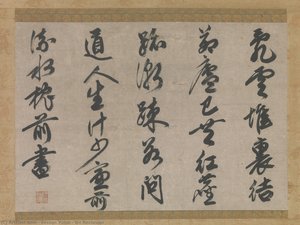
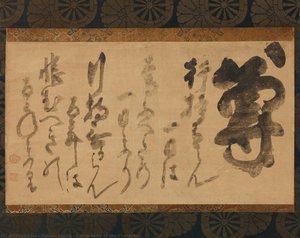
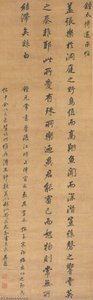
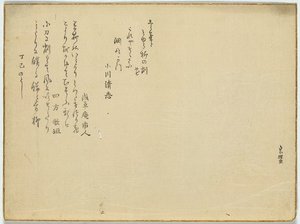
Beyond his role as a tea master, Rōgen Tenshin Zenji was a highly accomplished calligrapher. His work is characterized by a profound understanding of brush technique and an ability to imbue each stroke with meaning – reflecting the core tenets of Zen Buddhism. The piece “Calligraphy of Ma-zu,” created in 1607, exemplifies this perfectly. The serene ink wash scroll painting showcases masterful brushwork and embodies traditional Chinese aesthetics. The deliberate use of angular branches, reminiscent of a plum tree, speaks to themes of resilience and renewal – key concepts within Zen philosophy. The intensity of the brushstrokes, described as “martial precision,” suggests a connection between artistic expression and disciplined training, mirroring the samurai ethos that valued both skill and restraint. His calligraphy wasn’t merely decorative; it was a visual representation of his spiritual journey and a powerful embodiment of Zen principles.Historical Context: The Momoyama Period and Artistic Renaissance
Rōgen Tenshin Zenji's life unfolded during the Momoyama period (1568-1615), a time of remarkable artistic flourishing in Japan. This era, marked by the ambition of powerful warlords like Oda Nobunaga, Toyotomi Hideyoshi, and Tokugawa Ieyasu, witnessed an unprecedented investment in the arts. The warlords sought to impress visitors with lavish displays of wealth and power, commissioning elaborate castles and commissioning works of art that reflected their status and patronage. This period saw a synthesis of influences – incorporating elements from Chinese art while developing distinctly Japanese aesthetics. The influence of Western artistic concepts was also beginning to be felt, albeit cautiously. Rōgen Tenshin Zenji’s work reflects this complex interplay of tradition and innovation, embodying the spirit of a nation grappling with its identity and embracing new possibilities. As Robert Hughes noted in “Art: Japan's Renaissance,” the Momoyama period represented "a military creation" that simultaneously fostered austerity and refined taste.Legacy and Enduring Significance
Rōgen Tenshin Zenji died in 1611, leaving behind a profound legacy as both a Zen monk and a tea master. His influence on the development of Japanese aesthetics – particularly within the context of the tea ceremony – is undeniable. His association with figures like Sen no Rikyū cemented his place as a pivotal figure in shaping the formalization of *wabi-cha*. Furthermore, his calligraphy continues to be studied and admired for its technical mastery and spiritual depth. He stands as an icon of cultural refinement, embodying the harmonious blend of discipline, artistry, and philosophical insight that defined Japan’s Golden Age. His story serves as a reminder of how art can reflect and shape not only aesthetic values but also broader social and political landscapes.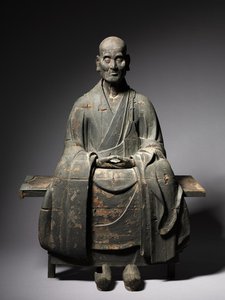
rōgen tenshin zenji, taihō enkan kokushi
1529 - 1611 , Japan
Kratke činjenice
- Artistic Movement Or Style: Rinzai Zen Buddhism, Tea Ceremony Arts
- Artists Or Movements Influenced By This Artist: ['Sen no Rikyū']
- Artists Who Influenced This Artist: ['Kaihō Yūshō']
- Date Of Birth: 1529, Yamashiro Province, Japan
- Date Of Death: 1611
- Full Name: rōgen tenshin zenji, taihō enkan kokushi
- Nationality: Japanese
- Notable Artworks:
- Calligraphy of Ma-zu
- Six Principles for the Composition of Poems
- Place Of Birth: Yamashiro Province, Japan

