Pošalji
 Podeli
 Detalji o delu

 Преузми
 Slični predmeti
 Slajdovi
 Statistika
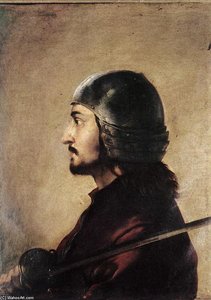
Tobie Et L'ange


 Pročitaj više
Giclee štampa / Umetnički otisak
Giclée štampa ili print na platnu muzejskog kvaliteta uz brzu proizvodnju i fleksibilne opcije završne obrade. ( Kupi ručno naslikanu sliku Pređi na digitalnu sliku)




































Izaberite jednu od naših unapred definisanih veličina koje odgovaraju originalnim proporcijama umetničkog dela.

Možete uneti sopstvene dimenzije kako biste umetničko delo prilagodili specifičnom okviru ili prostoru. Ako odabrani format ne odgovara proporcijama originalne slike, mi ćemo ili iscrtati deo dela ili proširiti sliku pomoću ogledane ivice ili jednobojnog popunjavanja. Digitalni prikaz će vam biti poslat na odobrenje pre početka proizvodnje.
Imajte na umu da pregled na ekranu ne odražava stvarno iscrtavanje ili proširivanje. Samo će prikaz (mockup) precizno pokazati finalnu kompoziciju.
Iako su prilagođene dimenzije dostupne, preporučujemo da odaberete dimenziju sa unapred definisane liste kako biste očuvali originalne proporcije.
Dostava širom sveta () za 2 nedelje umesto uobičajenih 4/5 nedelja. (14 септембар)

Besplatna ekspresna dostava širom sveta

Visokokvalitetno laneno platno

Kompletno osiguranje transporta

Garancija povraćaja carine i uvoznih dažbina

Garancija vernosti boja

Politika povraćaja u roku od 100 dana (isključivo u slučaju nedostataka)

Garancija povrata novca od 100%

Popust pri grupnoj kupovini
 Opcija sa staklom dostupna je samo za dimenzije manje od 110 cm

Tobie Et L'ange
Giclee štampa / Umetnički otisak
Dimenzije reprodukcije
-


Konačna cena
$ 62
The Dramatic Embrace: Salvator Rosa’s “Tobie Et L'Ange”
Salvator Rosa’s “Tobie Et L'Ange,” a captivating Baroque masterpiece, isn’t merely a depiction of two celestial figures; it’s an invitation into a world brimming with allegory, emotion, and the untamed beauty of nature. Painted likely around 1670 in Rome, this work stands as a testament to Rosa’s unique artistic vision – a rejection of rigid academic conventions in favor of a deeply personal and often unsettling exploration of human experience within the grand scheme of the cosmos. The painting immediately draws the eye with its dynamic composition: two angels, rendered with a palpable sense of urgency and interaction, dominate the scene. One gently touches the head of the other, an intimate gesture that belies their divine status, while the central focus – a shimmering fish – becomes a potent symbol of both sustenance and potential danger. This isn’t a serene, idealized portrayal of heaven; it's imbued with a raw energy and a hint of unease, reflecting Rosa’s characteristic penchant for portraying the darker aspects of human nature alongside moments of grace.A Baroque Tapestry: Style, Technique, and Influences
Rosa’s style is instantly recognizable as deeply rooted in the Baroque period, yet he forged his own distinctive path. He absorbed influences from artists like Ribera – particularly his masterful use of tenebrism (strong contrasts between light and dark) – and Poussin, evident in the careful rendering of classical forms and landscapes. However, unlike these contemporaries who often adhered to established rules, Rosa deliberately embraced a more expressive and emotionally charged approach. His brushwork is loose and gestural, conveying movement and immediacy. Notice how he uses thick impasto—layers of paint applied with considerable texture—to build up the figures and landscape, creating a sense of physicality and drama. The color palette leans towards rich earth tones – ochres, browns, and deep reds – punctuated by flashes of silver and gold, contributing to the painting’s overall intensity. Rosa's background in printmaking also profoundly shaped his artistic practice; he frequently employed techniques borrowed from engraving, such as hatching and cross-hatching, to create intricate details and textures within his paintings.Mythic Resonance: Symbolism and Narrative
“Tobie Et L'Ange” is rich with symbolic meaning, drawing upon the biblical story of Tobias and the Angel. The fish itself represents divine providence and sustenance, a gift from God delivered through the angel’s intervention. The touch on the head signifies guidance and protection – a subtle reminder of the spiritual realm influencing earthly affairs. Beyond this immediate narrative, however, the painting operates on multiple levels. The turbulent landscape—a dramatic vista of cliffs, rocks, and swirling clouds—suggests the chaotic nature of human existence and the constant struggle between order and disorder. The presence of smaller figures in the foreground – a man on the left and another on the right – adds to this sense of complexity, hinting at other characters or elements within the larger story. Some art historians suggest that these figures represent the challenges and temptations faced by humanity, while the angels embody divine wisdom and compassion.A Legacy of Romanticism: Rosa’s Enduring Influence
Salvator Rosa's work was hugely influential in shaping the development of Romanticism, a movement that prioritized emotion, individualism, and the sublime beauty of nature. His depictions of wild landscapes—often rendered with a sense of foreboding and danger—challenged the classical emphasis on idealized beauty and harmony. Rosa’s willingness to portray humanity within these untamed environments – often as vulnerable and insignificant in comparison to the power of nature – resonated deeply with Romantic artists like Caspar David Friedrich and J.M.W. Turner. His legacy lies not just in his technical skill, but also in his courageous rejection of convention and his profound engagement with the complexities of human experience. Today, reproductions of “Tobie Et L'Ange” continue to captivate viewers with their dramatic intensity and evocative symbolism, offering a glimpse into the visionary world of one of Baroque art’s most compelling figures.Srodna umetnička dela
Biografija umetnika
**Почетак живота и образовање**
Салватор Роза, италијански барокни сликар, песник и графичар, рођен је у Аренели, код Напуља, 20. јуна или 21. јула 1615. године. Његова мајка, Ђулија Грека Роза, била је из породице грчких досељеника са Сицилије. Иако је отац желео да постане адвокат или свештеник, Салватор је од раног узраста показивао склоност према уметности. Његов бунтарски дух се манифестовао и у томе што је избегавао конвенционални пут карејере, посвећујући се страсти за сликањем уместо професија које су му били предвиђене. Рани период његовог живота био је обележен самосталним учењем и упорном потрагом за сопственим стилом, често у супротности са очекивањима друштва.**Уметничка каријера и карактеристике рада**
Салватор Роза је био познат по свом неконвенционалном и екстравагантном стилу, који га је издвојио од савременика. Активно је радио у Напуљу, Риму и Фиренци, а на његов рад су утицали реализам Рибере и класицизам Пусена. Међутим, он се трудио да не буде везан за ниједан посебан стил или покрет, развијајући свој јединствени израз. Његови пејзажи су често мрачни и драматични, испуњени бурима, рушевинама и дивљим природним сценама које одражавају његов романтичарски дух и филозофска размишљања. Радови попут "Пирогора излази из Подземног света" (Kimbell Art Museum, Форт Ворт, Сједињене Државе) показују његову способност да споји философске теме са уметничким елементима на импресиван начин. "Крштење евнуха" (Chrysler Museum of Art, Норфолк, Сједињене Државе) демонстрира његов таленат за уношење драме и интензитета чак и у мале библијске приче. Његова техника је била карактеристична по смелој употреби светла и сенке, као и динамичним композицијама које су често укључивале фигуре у акцији.**Утицаји и наслеђе**
Салватор Роза је имао значајан утицај на развој барокне уметности, посебно у области пејзажа. Његов рад је инспирисао касније уметнике, попут Луке Ђордана, који су наставили да померају границе уметничког израза. Розин бунтарски дух и његова способност да споји филозофију са уметношћу оставили су трајан утисак на генерације уметника. Његов рад је био претеча романтизма, а његови пејзажи су често интерпретирани као симболи човекове борбе против природе и судбине. Розин утицај се може видети и у делима многих других сликара који су тежили да изразе своје емоције и идеје кроз драматичне и импресивне сцене.**Важна дела и достигнућа**
Поред већ поменутих "Пирогора излази из Подземног света" и "Крштења евнуха", Салватор Роза је створио многа друга значајна дела. Међу њима су и "Призор залива Салерно", који одликује реалистичан приказ природе, као и студија за "Генија Розе", која показује његову мајсторску употребу цртежа. Роза је био плодан графичар, а његови отисци су били веома популарни у своје време. Његова способност да споји различите жанрове – сликање, поезију и графику – учинила га је изузетно свестраним и оригиналним уметником.**Историјски значај и закључак**
Салватор Роза је остао запамћен као један од најзначајнијих представника барокне уметности, познат по свом бунтарском духу, неконвенционалном стилу и филозофским размишљањима. Његов рад је био претеча романтизма, а његови пејзажи су често интерпретирани као симболи човекове борбе против природе и судбине. Као сликар, песник и графичар, Салватор Роза остаје загонетна фигура чији рад наставља да инспирише нове генерације уметника и љубитеља уметности. Музеј Kimbell Art Museum и Chrysler Museum of Art су само неки од музеја који чувају његова ремек-дела, сведочећи о трајној вредности његовог опуса.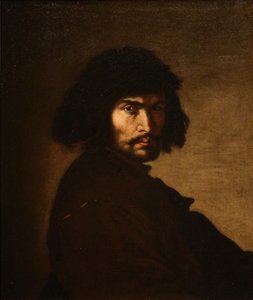
Сальватор Роза
1615 - 1673 , Италија
Osnovne informacije
- Artistic Movement Or Style: Barokna umetnost
- Artists Or Movements Influenced By This Artist: ['Luca Giordano']
- Artists Who Influenced This Artist: ['José de Ribera']
- Date Of Birth: 20. jun 1615.
- Date Of Death: 1673.
- Full Name: Salvator Rosa
- Nationality: Italijan
- Notable Artworks:
- Pitagora izlazi iz pakla
- Krštenje eunoha
- Place Of Birth (City And Country): Arenella, Italija
Povezani članci
Celestial Messengers: A Comprehensive Exploration of Angelic Representation in Art History
Explore the captivating history of angels in art! Discover symbolism, iconic Renaissance masterpieces & renowned artists. Expert insights for art lovers & collectors at ArtsDot.

Evocations of Place: A Historical Journey Through Landscape Art
Explore the rich history of landscape art with ArtsDot. Discover renowned artists, movements like Impressionism & Romanticism, and expert guidance for collecting timeless pieces. Find your perfect serene escape today!

Glavna dela koja su definisala Romantični pejzaž: 10 remek-dela za vaš dom
Otkrijte 10 remek-dela romantičnog pejzažnog slikarstva! Uronite u svet Claude Lorraina, Caspara David Friedricha i Turnera. Ispričane priče umetnosti, inspiracija za dekoraciju doma. Kvalitetne reprodukcije na ArtsDot.com – istražite celu kolekciju online!
Celestial Messengers: Angels in Painting – A Historical & Artistic Exploration
Explore the captivating history of angels in painting! Discover symbolism, iconic Renaissance & Byzantine masterpieces, and renowned artists. Expert insights for art lovers & collectors at ArtsDot.
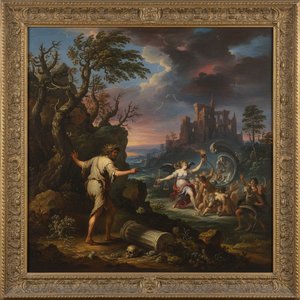
Salvator Rosa: A Baroque Rebel's Vision of Landscape, Allegory & the Human Condition
Explore the captivating world of Salvator Rosa, a rebellious Baroque master. Discover his dramatic landscapes, allegorical paintings & lasting influence on Romanticism. Hand-painted reproductions available at ArtsDot.