

 Pregledaj u prostoru
 Pošalji
 Podeli
 Detalji o delu

 Преузми
 Slični predmeti
 Rendgenski snimak
 Slajdovi
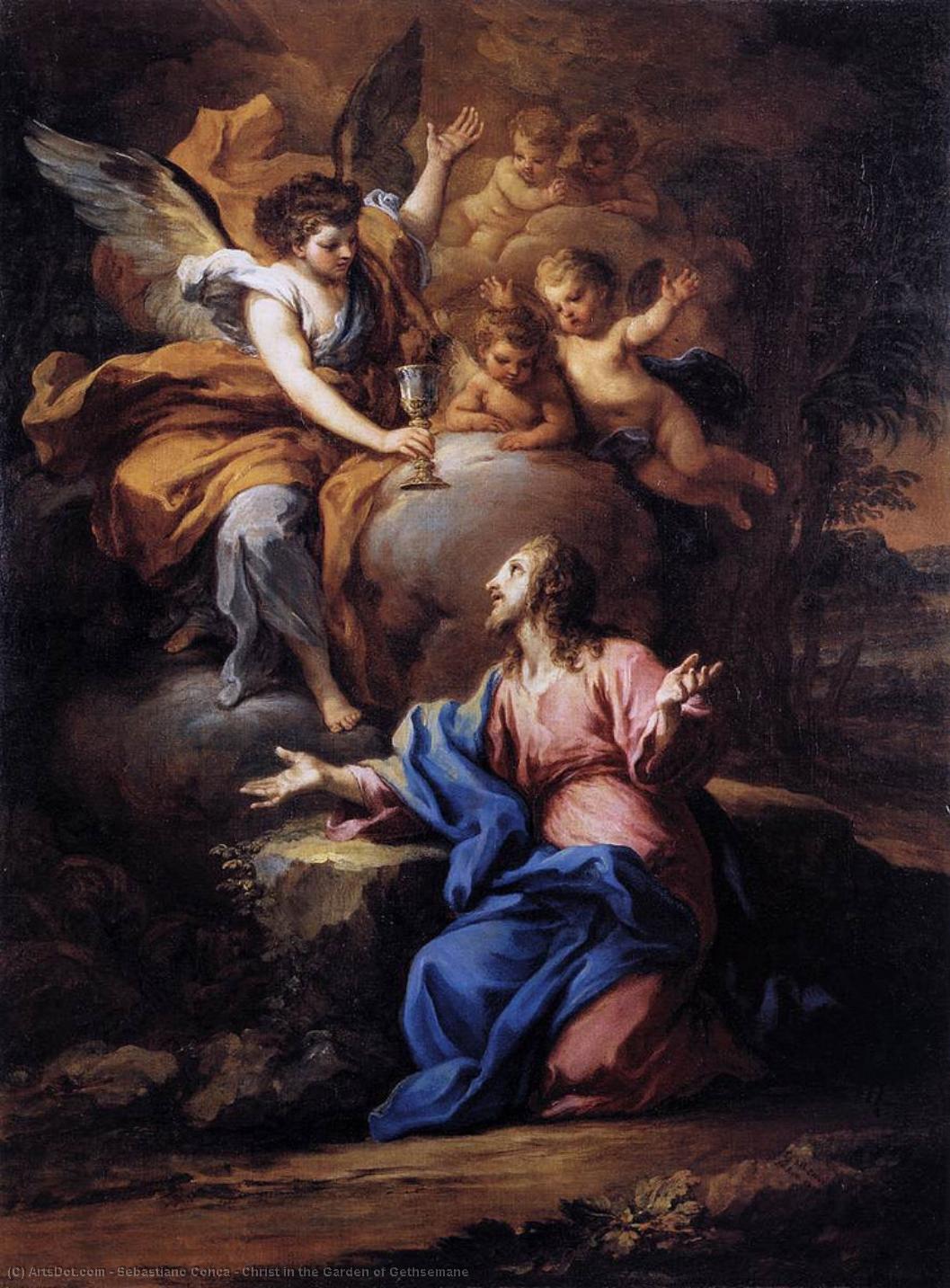
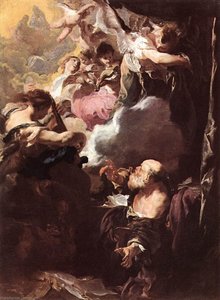
Christ in the Garden of Gethsemane
 Acrylic On Canvas
- WallArt
- Baroque
 1746
1746 64.0 x 47.0 cm
 Pinakoteca
 Pročitaj više
Kupite digitalnu sliku visoke rezolucije i poboljšanog kvaliteta, koja je znatno superiornija od onoga što vidite u online prikazu.
Svaka datoteka je pedantno pripremljena od strane naših stručnjaka koristeći napredne alate i profesionalnu ručnu retušu. Osiguravamo da svaka slika ima izuzetnu oštrinu, preciznu reprodukciju boja i fine detalje.
Konačna datoteka se dostavlja putem e-pošte u roku od 72 sata, optimizovana za neposrednu upotrebu u profesionalnim, izdavačkim i štamparskim okruženjima. To je isti kvalitet kojem veruju vrhunski studiji dizajna, izdavači i galerije.
Digitalna slika
Preuzmite datoteku visoke rezolucije za ličnu upotrebu, štampanje i kreativne projekte. ( Kupi print Kupi ručno naslikanu sliku)
Uključeno uz svaku porudžbinu digitalne slike
Profesionalna digitalna isporuka, zagarantovana
Kada odaberete ArtsDot.com, ne dobijate samo sliku – vi primate profesionalno unapređeno digitalno umetničko delo, izrađeno sa najvećom preciznošću i uz garanciju zadovoljstva. Evo svega što automatski dolazi uz vašu porudžbinu:

Brza dostava putem e-pošte
Vaša digitalna slika visoke rezolucije biće vam poslata putem e-pošte u roku od 72 sata od poručivanja – spremna za trenutnu upotrebu.

Digitalna datoteka unapređena veštačkom inteligencijom
Vaše umetničko delo je profesionalno optimizovano korišćenjem naprednih AI alata i ručne obrade, čime se osiguravaju maksimalni detalji, oštrina i preciznost boja.

Besplatna ponovna isporuka doživotno
Slučajno ste obrisali ili izgubili svoju datoteku? Ne brinite – poslaćemo vam je ponovo u bilo kom trenutku, potpuno besplatno.

Bez troškova uvoza – zauvek
Uživajte u svojim umetničkim delima trenutno, bez carine, dažbina ili troškova dostave – digitalni download je uvek bez poreza.

Garancija vernosti boja
Uz pomoć profesionalnih alata i upravljanja bojama, osiguravamo da vaša digitalna slika što vernije odražava originalne boje.

Garancija zadovoljstva u roku od 60 dana
Ako niste zadovoljni svojom digitalnom slikom, revidirat ćemo je ili vratiti 100% novca u roku od 60 dana – bez ikakvih pitanja.

100% garancija povrata novca
Niste zadovoljni? Obezbedite pun povrat novca u roku od 60 dana od trenutka kada ste primili svoju digitalnu datoteku – bez suvišnih pitanja.

Popusti na velike porudžbine
Kupite 3 slike, uštedite 10% - Kupite 5 slika, uštedite 15% - Kupite 10+ slika, uštedite 20%. Odlično za kreativne projekte, galerije i agencije.
Opis kolekcionarskog dela
Sebastiano Conca: A Baroque Vision of Spiritual Sorrow
The canvas before you holds a profound meditation on faith and suffering – “Christ in the Garden of Gethsemane” by Sebastiano Conca, painted in 1746. This monumental fresco, currently residing within the Vatican Museums’ Pio Monte Carlo Chapel, stands as a testament to the enduring power of Baroque art to convey complex emotions and spiritual truths.
Style and Technique: Bridging High Baroque and Rococo
Conca's artistic lineage traces back to Luca Giordano, a pivotal figure in Naples’ Baroque movement, yet he deftly navigated the stylistic shifts toward Rococo. The fresco exemplifies this transitional period through its delicate handling of color and form—a departure from the monumental grandeur favored by earlier masters. Conca employed tempera on plaster, a technique known for its luminosity and permanence, ensuring that the painting retains its vibrancy across centuries.
Historical Context: Devotion and Patronage in Eighteenth-Century Rome
Painted during the reign of Pope Benedict XIV, “Christ in the Garden of Gethsemane” reflects the fervent piety characteristic of the era. The chapel itself was conceived as a space for prayerful contemplation, and Conca’s commission underscored the importance of religious iconography within papal patronage. This project exemplifies how artists responded to papal directives by creating works intended to inspire spiritual devotion.
Symbolism: Angels, Light, and Contemplative Sorrow
The painting's symbolism is rich with references to Christian theology. The central figure of Jesus is depicted in agonizing repose, surrounded by angels who offer solace—a visual representation of Christ’s prayerful struggle before his crucifixion. Conca skillfully utilized chiaroscuro – dramatic contrasts between light and dark – to heighten the emotional impact of the scene and emphasize the spiritual significance of the moment. The soft hues of brown and green contribute to an atmosphere of solemn serenity, inviting viewers into a contemplative state.
Emotional Impact: A Moment of Vulnerability and Divine Comfort
"Christ in the Garden of Gethsemane" transcends mere visual representation; it communicates profound sorrow mingled with unwavering faith. Conca’s masterful execution captures the essence of human vulnerability confronted by divine compassion—a timeless theme that continues to resonate with audiences today. Its enduring beauty lies not only in its technical brilliance but also in its ability to evoke empathy and inspire reflection on matters of spiritual importance.
- Artist: Sebastiano Conca (1680-1764)
- Medium: Tempera on Plaster
- Location: Pio Monte Carlo Chapel, Vatican Museums
- Date: 1746
This remarkable fresco serves as a poignant reminder of the Baroque tradition's capacity to express profound spiritual emotion and its enduring legacy in art history.
Srodna umetnička dela

Biografija umetnika
Early Life and Artistic Formation
Sebastiano Conca emerged into the vibrant artistic landscape of late 17th-century Italy, born in Gaeta, a coastal city within the Kingdom of Naples, in 1680. His initial exposure to the world of art came through his apprenticeship with Francesco Solimena, a leading figure of Neapolitan painting. This formative period deeply ingrained in Conca an understanding of Baroque principles – dramatic compositions, dynamic movement, and rich color palettes that would become hallmarks of his early style. Solimena’s influence provided a solid foundation upon which Conca would build his own unique artistic voice, one that would eventually bridge the gap between the grandeur of the High Baroque and the more delicate sensibilities of the Rococo era. The young artist absorbed not only technical skills but also an appreciation for narrative storytelling within painting, a talent he would hone throughout his prolific career.Roman Ascendancy and Patronage
In 1706, Conca embarked on a pivotal journey to Rome alongside his brother Giovanni, who served as a valuable assistant in his artistic endeavors. The Eternal City proved to be the crucible where Conca’s talent truly blossomed. Initially, he dedicated himself to mastering drawing, diligently practicing with chalk and honing his observational skills. This period of focused study soon attracted attention, leading to patronage from Cardinal Ottoboni, a powerful figure who facilitated introductions to Pope Clement XI. Commissions followed swiftly – notably “Jeremiah” and the “Assunta,” works that were well-received and established Conca’s reputation within Roman artistic circles. Recognition came in the form of knighthood bestowed by the Pope himself, solidifying his position as an artist of considerable promise. A significant milestone arrived with his collaboration on the "Coronation of Santa Cecilia" (1721–24) alongside Carlo Maratta, a project that showcased Conca’s ability to work within a larger artistic vision while contributing his own distinctive style. His standing within the Roman art community was further cemented by multiple terms as director of the Accademia di San Luca (1729–1731 and 1739–1741), demonstrating both his artistic prowess and leadership qualities.A Synthesis of Styles: Influences and Artistic Development
Conca’s artistic style was not born in a vacuum; it represented a careful synthesis of influences, most notably the dramatic flair of Luca Giordano. The vibrant colors, energetic compositions, and theatrical lighting characteristic of Giordano's work are readily apparent in Conca’s earlier paintings. However, as his career progressed, Conca’s aesthetic sensibilities began to evolve, embracing elements of the emerging Rococo style. This transition manifested in lighter tones, more graceful figures, and an increased emphasis on decorative details. A recurring motif throughout his oeuvre is the use of allegorical figures – particularly *putti*, or cherubic beings – employed not merely as ornamentation but as vehicles for conveying deeper symbolic meanings. Critics have occasionally noted a tendency towards elaborate detail and sometimes overwrought allegory, even within more intimate scenes, suggesting a desire to imbue every aspect of his work with significance. This meticulous approach, while sometimes criticized, speaks to Conca’s intellectual engagement with the subject matter and his commitment to creating paintings that were both visually stunning and conceptually rich.Major Commissions and Enduring Legacy
Throughout his career, Sebastiano Conca enjoyed widespread official acclaim and secured prestigious commissions from a diverse range of patrons. His talents were sought after by the Savoy family in Turin, where he undertook projects including the Oratory of San Filippo and Santa Teresa in Venaria (1721–1725) and the Basilica di Superga (1726). He also left his mark on Siena with frescoes at the Ospedale di Santa Maria della Scala, depicting “Probatica” (Pool of Siloam), a testament to his skill in large-scale decorative painting. In Genoa, he created expansive allegorical canvases for Palazzo Lomellini-Doria (1738–1740), showcasing his mastery of composition and narrative storytelling. Upon returning to Naples in 1752 under the patronage of Charles III, Conca produced significant works such as frescoes at the Church of Santa Chiara (1752–1754) and canvases for Caserta Palace, further solidifying his reputation as one of Italy’s leading artists. Beyond his paintings, Conca's influence extended to education; he mentored numerous aspiring artists, including Pompeo Battoni, Andrea Casali, and Corrado Giaquinto, shaping the next generation of Italian painters. His “Ammonimenti” (Admonishments), published in 1739, offered valuable insights into his artistic philosophy and techniques, providing a lasting contribution to art theory. Sebastiano Conca’s ability to navigate the complex world of patronage while consistently producing works of exceptional quality cemented his place as a pivotal figure bridging the late Baroque and Rococo periods, leaving an indelible mark on Italian art history.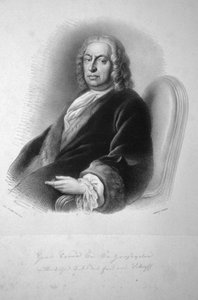
Sebastiano Conca
1680 - 1764

