

 Pregledaj u prostoru
 Pošalji
 Podeli
 Detalji o delu

 Преузми
 Slični predmeti
 Rendgenski snimak
 Slajdovi
 Stats
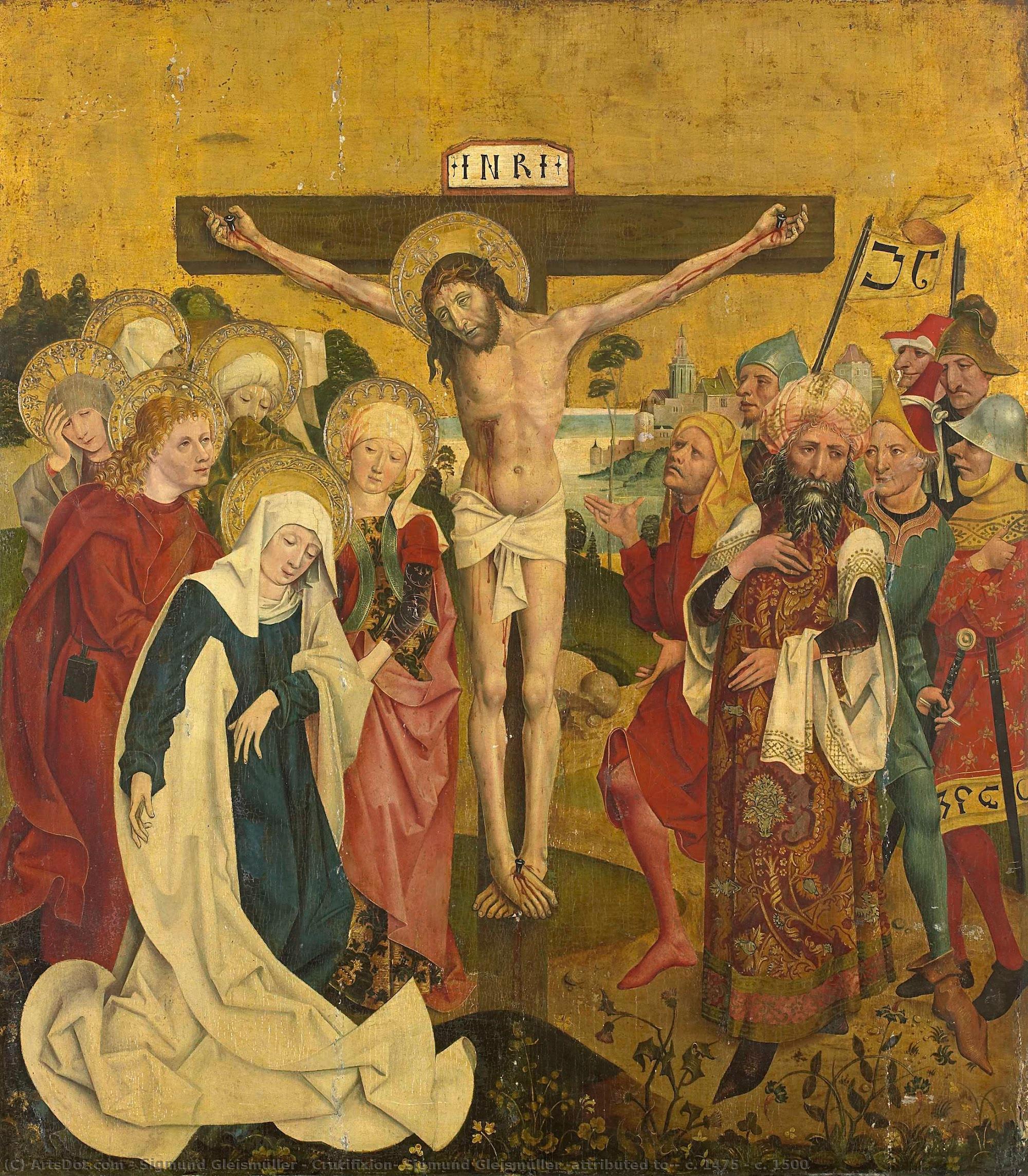
StatsCrucifixion, Sigmund Gleismüller (attributed to), c. 1475 - c. 1500
 Early Renaissance
 1500
1500 124.0 x 108.0 cm
 Pročitaj više
Kupite digitalnu sliku visoke rezolucije i poboljšanog kvaliteta, koja je znatno superiornija od onoga što vidite u online prikazu.
Svaka datoteka je pedantno pripremljena od strane naših stručnjaka koristeći napredne alate i profesionalnu ručnu retušu. Osiguravamo da svaka slika ima izuzetnu oštrinu, preciznu reprodukciju boja i fine detalje.
Konačna datoteka se dostavlja putem e-pošte u roku od 72 sata, optimizovana za neposrednu upotrebu u profesionalnim, izdavačkim i štamparskim okruženjima. To je isti kvalitet kojem veruju vrhunski studiji dizajna, izdavači i galerije.
Digitalna slika
Preuzmite datoteku visoke rezolucije za ličnu upotrebu, štampanje i kreativne projekte. ( Switch to Print Kupi ručno naslikanu sliku)
Uključeno uz svaku porudžbinu digitalne slike
Profesionalna digitalna isporuka, zagarantovana
Kada odaberete ArtsDot.com, ne dobijate samo sliku – vi primate profesionalno unapređeno digitalno umetničko delo, izrađeno sa najvećom preciznošću i uz garanciju zadovoljstva. Evo svega što automatski dolazi uz vašu porudžbinu:

Brza dostava putem e-pošte
Vaša digitalna slika visoke rezolucije biće vam poslata putem e-pošte u roku od 72 sata od poručivanja – spremna za trenutnu upotrebu.

Digitalna datoteka unapređena veštačkom inteligencijom
Vaše umetničko delo je profesionalno optimizovano korišćenjem naprednih AI alata i ručne obrade, čime se osiguravaju maksimalni detalji, oštrina i preciznost boja.

Besplatna ponovna isporuka doživotno
Slučajno ste obrisali ili izgubili svoju datoteku? Ne brinite – poslaćemo vam je ponovo u bilo kom trenutku, potpuno besplatno.

Bez troškova uvoza – zauvek
Uživajte u svojim umetničkim delima trenutno, bez carine, dažbina ili troškova dostave – digitalni download je uvek bez poreza.

Garancija vernosti boja
Uz pomoć profesionalnih alata i upravljanja bojama, osiguravamo da vaša digitalna slika što vernije odražava originalne boje.

Garancija zadovoljstva od 100 dana
Ako niste zadovoljni svojom digitalnom slikom, izvršićemo reviziju ili ćemo vam vratiti 100% novca u roku od 100 dana – bez ikakvih pitanja.

100% garancija povrata novca
Niste zadovoljni? Dobijte puni povraćaj novca u roku od 100 dana od prijema digitalne datoteke – bez suvišnih pitanja.

Popusti na velike porudžbine
Kupite 3 slike, uštedite 10% - Kupite 5 slika, uštedite 15% - Kupite 10+ slika, uštedite 20%. Odlično za kreativne projekte, galerije i agencije.
Srodna umetnička dela
Biografija umetnika
The Enigmatic Vision of Sigmund Gleismüller
Sigmund Gleismüller remains a somewhat shadowy figure in the landscape of late 15th-century German art, yet his surviving works—particularly the compelling ‘Crucifixion’ attributed to him—offer a poignant glimpse into the devotional sensibilities and artistic currents of the period. Born sometime around the mid-15th century, Gleismüller's life details are frustratingly sparse; historical records offer little beyond the existence of this talented painter who flourished during a time of significant transition in religious art. He is believed to have been active primarily in Southern Germany, though pinpointing his exact geographical center remains elusive. This lack of biographical certainty only adds to the mystique surrounding his oeuvre, inviting speculation and deeper contemplation of the emotional power embedded within his paintings.A Master of Late Gothic Devotion
Gleismüller’s artistic style is firmly rooted in the late Gothic tradition, characterized by its emphasis on detailed realism, vibrant color palettes, and a profound sense of religious fervor. However, he wasn't merely a replicator of established forms; within this framework, Gleismüller demonstrated a unique ability to convey raw emotion and psychological depth. His figures are not simply representations of biblical characters but rather intensely human portrayals grappling with faith, suffering, and redemption. The ‘Crucifixion,’ his most well-known work, exemplifies this perfectly. The composition is dynamic, the scene filled with a palpable sense of grief and anguish. Christ’s body, rendered with meticulous anatomical accuracy, hangs heavy on the cross, while surrounding figures—Mary Magdalene, John the Evangelist, and other mourners—express their sorrow through expressive gestures and deeply etched facial features.Influences and Artistic Development
Tracing Gleismüller’s influences is a complex undertaking given the limited scope of his known works. Scholars suggest connections to the broader artistic milieu of Upper Rhine painting, particularly the influence of artists like Hans Holbein the Elder and Martin Schongauer. The meticulous detail in his work echoes the Northern Renaissance masters' preoccupation with realism, while the emotional intensity aligns with the devotional fervor prevalent in Southern German art of the period. It’s likely that Gleismüller benefited from a workshop environment, absorbing techniques and stylistic elements from various sources before forging his own distinctive voice. His development appears to have focused on refining his ability to depict human anatomy and emotion, moving beyond purely decorative or symbolic representations towards a more psychologically nuanced approach.The ‘Crucifixion’ and Lasting Significance
The attributed ‘Crucifixion,’ dating from approximately 1475-1500, stands as Gleismüller's most significant surviving achievement. This altarpiece is not merely a depiction of a biblical event; it’s an immersive experience designed to evoke empathy and spiritual contemplation in the viewer. The painting’s power lies in its ability to convey both the physical suffering of Christ and the profound emotional impact of his sacrifice on those who witnessed it. The use of color is particularly striking, with rich reds, blues, and golds creating a visually arresting composition that draws the eye and amplifies the scene's dramatic intensity. The work’s historical significance lies in its representation of a pivotal moment in religious art—the transition from the stylized forms of the Gothic period to the more naturalistic depictions of the Renaissance. While Gleismüller may not be as widely recognized as some of his contemporaries, his ‘Crucifixion’ serves as a testament to his skill and artistic vision, offering a compelling glimpse into the devotional world of late medieval Germany. It is a work that continues to resonate with viewers today, reminding us of the enduring power of faith, suffering, and redemption.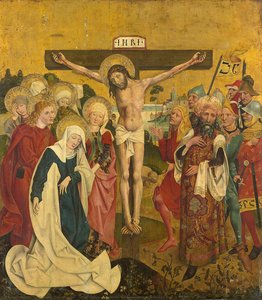
Kratke činjenice
- Artistic Movement Or Style: Renaissance
- Date Of Death: Living
- Full Name: Sigmund Gleismüller
- Notable Artworks: ['Crucifixion (attributed)']