

 Pregledaj u prostoru
 Pošalji
 Podeli
 Detalji o delu

 Преузми
 Slični predmeti
 Rendgenski snimak
 Slajdovi
 Stats
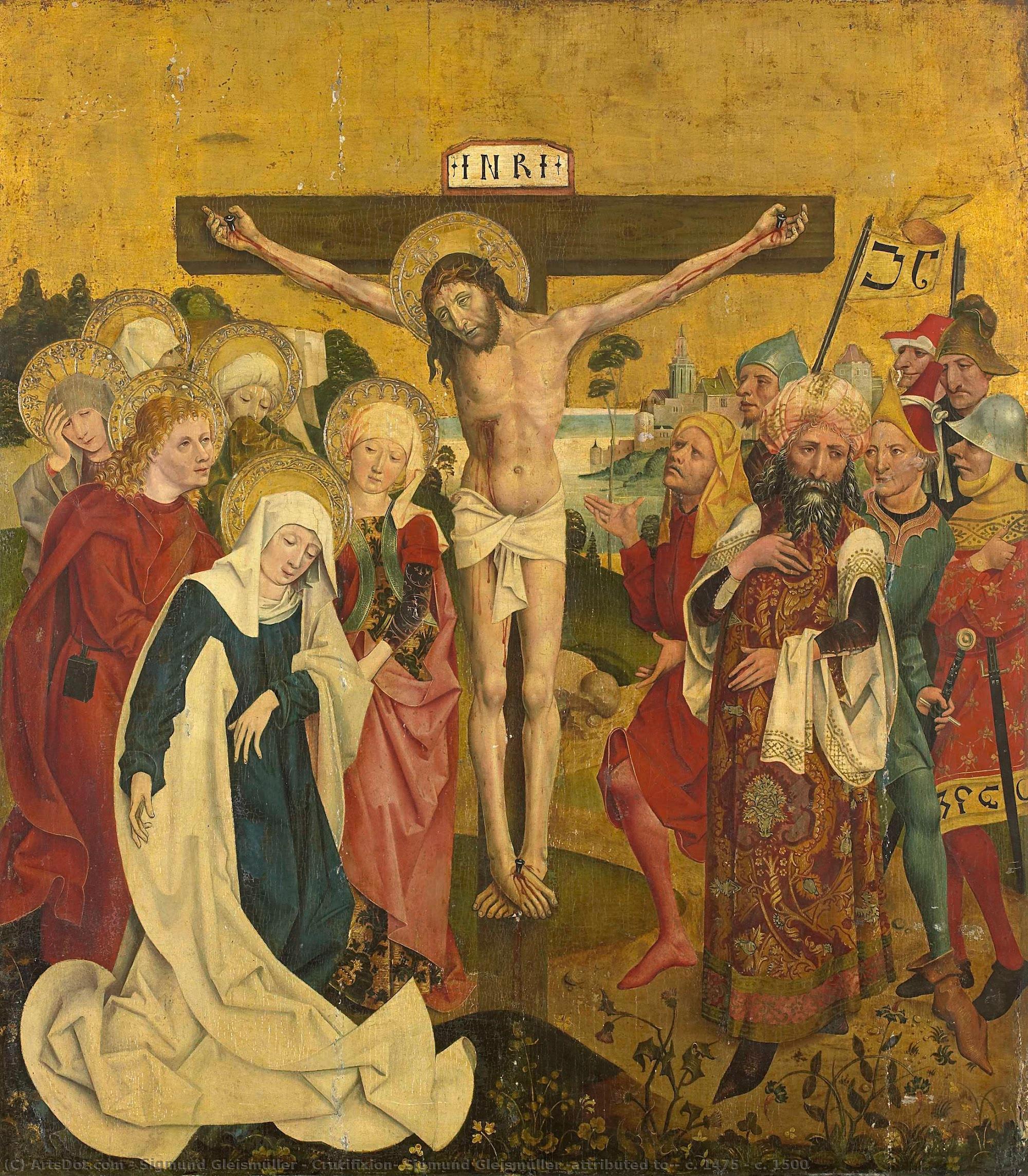
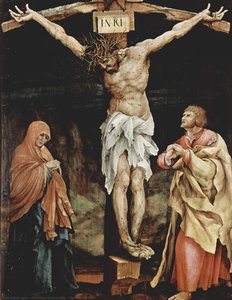
StatsCrucifixion, Sigmund Gleismüller (attributed to), c. 1475 - c. 1500
 Early Renaissance
 1500
1500 124.0 x 108.0 cm
 Pročitaj više
Ručno rađena uljana reprodukcija
Ručno oslikano uljanim bojama na platnu u dimenzijama i okviru po vašem izboru, izrađeno po porudžbini od strane naših umetnika. ( Switch to Print Switch to Digital Image)




P118B $10

P118H $10

P118W $10

P438Z $10

P508JH $12

P508YH $12

P805H $10

P805Z $10

P919BZ $10

P919G $10

P919XJ $10

P959ZH $10

P968JZ $12

W106C $8

W218G $10

W218JH $8

W218Y $10

W307PJ $10

W316G $10

W316PJ $8

W316Y $10

W398PJ $8

W4111J $10

W500HY $15

W500JH $15

W692G $12

W849H $8

W940BG $15

W953PJ $8




Izaberite jednu od naših unapred definisanih veličina koje odgovaraju originalnim proporcijama umetničkog dela.

Можете унети сопствене димензије како бисте прилагодили дело одређеном оквиру или простору. Ако одабрана величина не одговара пропорцијама оригинала, слика ће бити исечена или проширена додатним елементима који се ручно насликавају. Дигитални prikaz ће вам бити послат на одобрење пре почетка производње.
Имајте на уму да преглед на екрану не одражава стварно исецање или проширење. Само приказ (mockup) ће тачно приказати коначну композицију.
Иако су доступне прилагођене величине, препоручујемо да одаберете димензију из дефинисане листе како бисте сачували оригиналне пропорције.
Nakon narudžbine, tim ArtsDot.com će klijentu putem e-pošte poslati uputstva i dostaviti prikaz predloženog rešenja
Isporuka širom sveta () za 3/4 nedelje umesto uobičajenih 5 nedelja. (8 септембар). Bez kompromisa po pitanju kvaliteta.

Besplatna ekspresna dostava širom sveta

Visokokvalitetno laneno platno

Kompletno osiguranje transporta

Garancija povraćaja carine i uvoznih dažbina

Garancija vernosti boja

Politika povraćaja u roku od 100 dana (isključivo u slučaju nedostataka)

Garancija povrata novca od 100%

Popust pri grupnoj kupovini
 Opcija sa staklom dostupna je samo za dimenzije manje od 110 cm

Crucifixion, Sigmund Gleismüller (attributed to), c. 1475 - c. 1500
Tehnika reprodukcije
Dimenzije reprodukcije
-


Konačna cena
$ 263
Srodna umetnička dela
Biografija umetnika
The Enigmatic Vision of Sigmund Gleismüller
Sigmund Gleismüller remains a somewhat shadowy figure in the landscape of late 15th-century German art, yet his surviving works—particularly the compelling ‘Crucifixion’ attributed to him—offer a poignant glimpse into the devotional sensibilities and artistic currents of the period. Born sometime around the mid-15th century, Gleismüller's life details are frustratingly sparse; historical records offer little beyond the existence of this talented painter who flourished during a time of significant transition in religious art. He is believed to have been active primarily in Southern Germany, though pinpointing his exact geographical center remains elusive. This lack of biographical certainty only adds to the mystique surrounding his oeuvre, inviting speculation and deeper contemplation of the emotional power embedded within his paintings.A Master of Late Gothic Devotion
Gleismüller’s artistic style is firmly rooted in the late Gothic tradition, characterized by its emphasis on detailed realism, vibrant color palettes, and a profound sense of religious fervor. However, he wasn't merely a replicator of established forms; within this framework, Gleismüller demonstrated a unique ability to convey raw emotion and psychological depth. His figures are not simply representations of biblical characters but rather intensely human portrayals grappling with faith, suffering, and redemption. The ‘Crucifixion,’ his most well-known work, exemplifies this perfectly. The composition is dynamic, the scene filled with a palpable sense of grief and anguish. Christ’s body, rendered with meticulous anatomical accuracy, hangs heavy on the cross, while surrounding figures—Mary Magdalene, John the Evangelist, and other mourners—express their sorrow through expressive gestures and deeply etched facial features.Influences and Artistic Development
Tracing Gleismüller’s influences is a complex undertaking given the limited scope of his known works. Scholars suggest connections to the broader artistic milieu of Upper Rhine painting, particularly the influence of artists like Hans Holbein the Elder and Martin Schongauer. The meticulous detail in his work echoes the Northern Renaissance masters' preoccupation with realism, while the emotional intensity aligns with the devotional fervor prevalent in Southern German art of the period. It’s likely that Gleismüller benefited from a workshop environment, absorbing techniques and stylistic elements from various sources before forging his own distinctive voice. His development appears to have focused on refining his ability to depict human anatomy and emotion, moving beyond purely decorative or symbolic representations towards a more psychologically nuanced approach.The ‘Crucifixion’ and Lasting Significance
The attributed ‘Crucifixion,’ dating from approximately 1475-1500, stands as Gleismüller's most significant surviving achievement. This altarpiece is not merely a depiction of a biblical event; it’s an immersive experience designed to evoke empathy and spiritual contemplation in the viewer. The painting’s power lies in its ability to convey both the physical suffering of Christ and the profound emotional impact of his sacrifice on those who witnessed it. The use of color is particularly striking, with rich reds, blues, and golds creating a visually arresting composition that draws the eye and amplifies the scene's dramatic intensity. The work’s historical significance lies in its representation of a pivotal moment in religious art—the transition from the stylized forms of the Gothic period to the more naturalistic depictions of the Renaissance. While Gleismüller may not be as widely recognized as some of his contemporaries, his ‘Crucifixion’ serves as a testament to his skill and artistic vision, offering a compelling glimpse into the devotional world of late medieval Germany. It is a work that continues to resonate with viewers today, reminding us of the enduring power of faith, suffering, and redemption.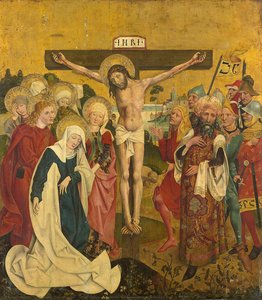
Osnovne informacije
- Artistic Movement Or Style: Renaissance
- Date Of Death: Living
- Full Name: Sigmund Gleismüller
- Notable Artworks: ['Crucifixion (attributed)']
Povezani članci

The Enduring Power of Painting: A Historical & Contemporary Exploration of Form and Emotion
Explore the rich history & enduring techniques of oil painting with ArtsDot. Discover masterpieces, learn about art collecting, and find authentic handmade reproductions crafted by skilled artists.

Oil on Canvas: A Historical & Technical Exploration of a Timeless Artistic Medium
Explore the rich history & enduring techniques of oil painting on canvas. Discover the science behind its longevity, conservation practices, and contemporary relevance. Expert insights for art enthusiasts.
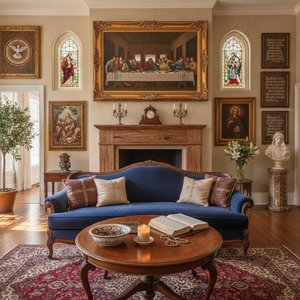
Timeless Christian Art: Inspiring Sacred Masterpieces to Transform Your Home with Grace and Devotion
Discover the profound beauty of timeless Christian art. From Renaissance tenderness to Baroque grandeur, explore inspiring sacred masterpieces designed to transform your home into a peaceful sanctuary through exquisite hand-painted reproductions and expert art consultation.

Trajnu Ostavština Uljanih Boja na Platnu: Tehnika, Istorija i Savremena Praksa
Istražite bogatu istoriju i savremene tehnike uljanog slikarstva. Saveti stručnjaka, analiza radova velikih majstora i vodiči za biranje kvalitetnih materijala. Otkrijte tajne očuvanja umetničkih dela!

The Enduring Legacy of Oil on Canvas: Technique, History & Aesthetic Impact
Explore the rich history & techniques of oil painting – from Renaissance masters to Impressionism. Discover pigments, layering methods, and why this timeless medium endures. Expert insights for artists & art enthusiasts.