period
pokret
vibe
teme
ton
primarna boja
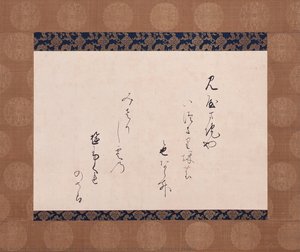
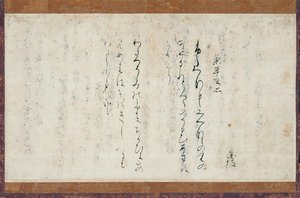
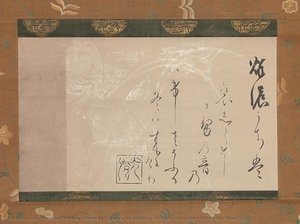
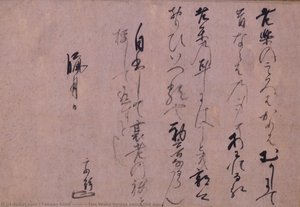
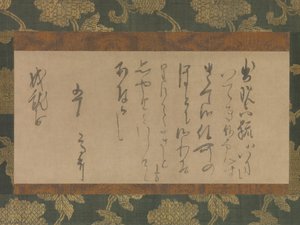
- Japanese poem on kaishi paper. By Emperor Reigen
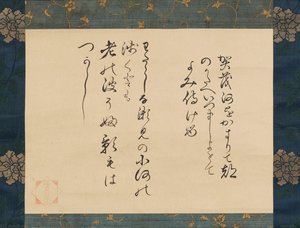
- Waka poem
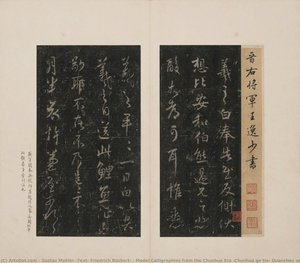
- Model Calligraphies from the Chunhua Era (Chunhua ge tie) Quanzhou version, part of juan 6-8\n\nImage 1
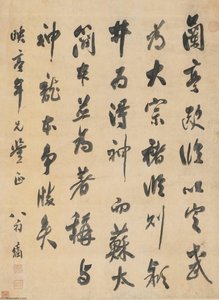
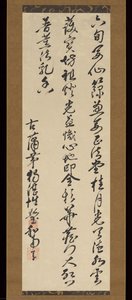
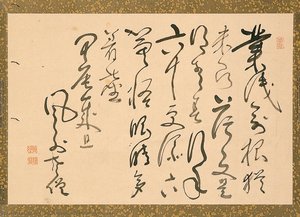
- CALLIGRAPHY IN RUNNING SCRIPT
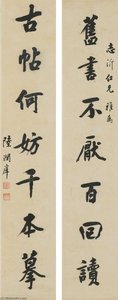
- CALLIGRAPHY COUPLET IN REGULAR SCRIPT
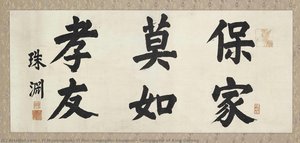
- Calligraphy of King Gojong
- Ippongyō waka kaishi (Poems on the Chapters of the Lotus Sutra)
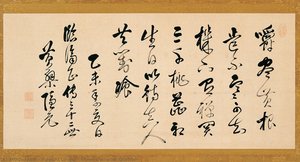
- Chinese Poem to Celebrate a Senior Monk’s Sixtieth Birthday
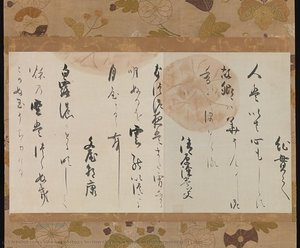
- Poem by Fujiwara no Norinaga on Paper Decorated with Butterflies
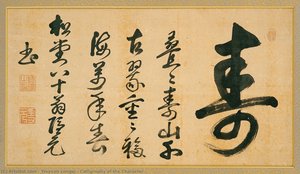
- Calligraphy of the Character
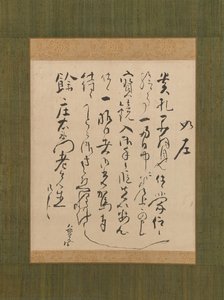
- Letter Addressed to Yo Shōemon
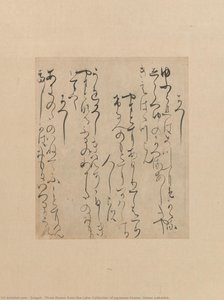
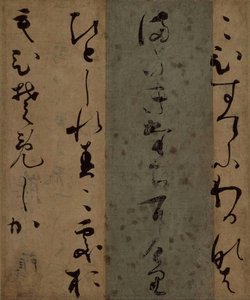
- Three Poems from the Later Collection of Japanese Poems (Gosen wakashū)
- Seven-character Quatrain
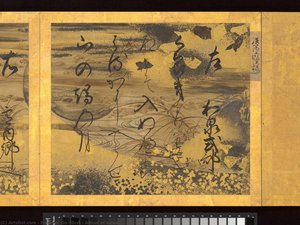
- Section of a Poem Scroll with Underpainting of Lotus
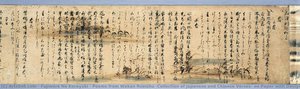
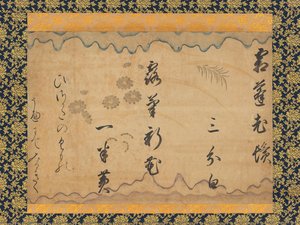
- Poems from Wakan Roeishu (Collection of Japanese and Chinese Verses) on Paper with Design of Reeds
- An Account of the Final Day of Chinese New Year’s Celebrations, from the Wise Counsel for Social Intercourse
- Two Waka Verses about Old Age
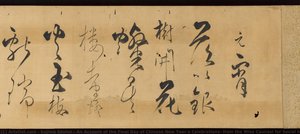
- Gāthā of New Year
- Chinese Couplet by Bai Juyi and Waka by Fujiwara no Toshiyuki (partial) from “Japanese and Chinese Poems to Sing” (Wakan rōeishū)
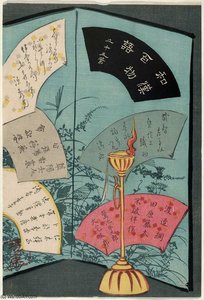
- Wakan Hyaku Monogatari
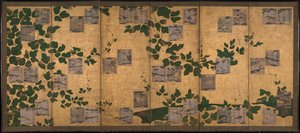
- Anthology of Japanese and Chinese Poems (Wakan rōeishū) with Underpainting of Arrowroot Vines