 Preview
 Send
Send Share
Share
 Details

 Download
 Similars
 X-Ray
X-Ray Diaporama
Album of waka
 Japanese Landscape Painting
 601
601 20.0cm x 23.0cm
 Read More
Hand Made Oil Reproduction
Hand-painted oil on canvas in your size and frame, made to order by our artists. ( Buy Print Buy Image)




P118B $10

P118H $10

P118W $10

P438Z $10

P508JH $12

P508YH $12

P805H $10

P805Z $10

P919BZ $10

P919G $10

P919XJ $10

P959ZH $10

P968JZ $12

W106C $8

W218G $10

W218JH $8

W218Y $10

W307PJ $10

W316G $10

W316PJ $8

W316Y $10

W398PJ $8

W4111J $10

W500HY $15

W500JH $15

W692G $12

W849H $8

W940BG $15

W953PJ $8




Pick from our preset sizes that match the artwork's original proportions.

You may enter your own dimensions to fit a specific frame or space. If your selected size does not match the original image's proportions, we will either crop the artwork or extend the painting with additional hand-painted elements. A digital mockup will be sent for your approval before production begins.
Please note that the on-screen preview does not reflect the actual cropping or extension. Only the mockup will accurately show the final composition.
While custom sizes are available, we recommend selecting a dimension from the predefined list to preserve the original proportions.
After order, ArtsDot.com team will email client for instructions and provide a mockup preview
Worldwide Delivery () in 3/4 weeks instead of standard 5 weeks. (17 August). No compromise on quality.

Free Worldwide Express Shipping

High-Quality Linen Canvas

Full Shipping Insurance

Customs Tax Refund Guarantee

True Color Matching Guarantee

60-Day Return Policy (Defects Only)

100% Money-Back Guarantee

Bulk Discount Offer
 Glass option is only available in size under 110 CM

Album of waka
Reproduction Medium
Reproduction Size
-


Total Price
$ 313
Artwork Description
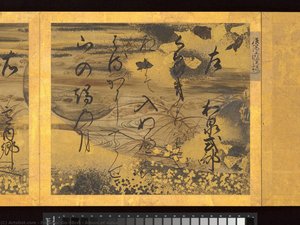
A Window into Courtly Life: The Album of Waka
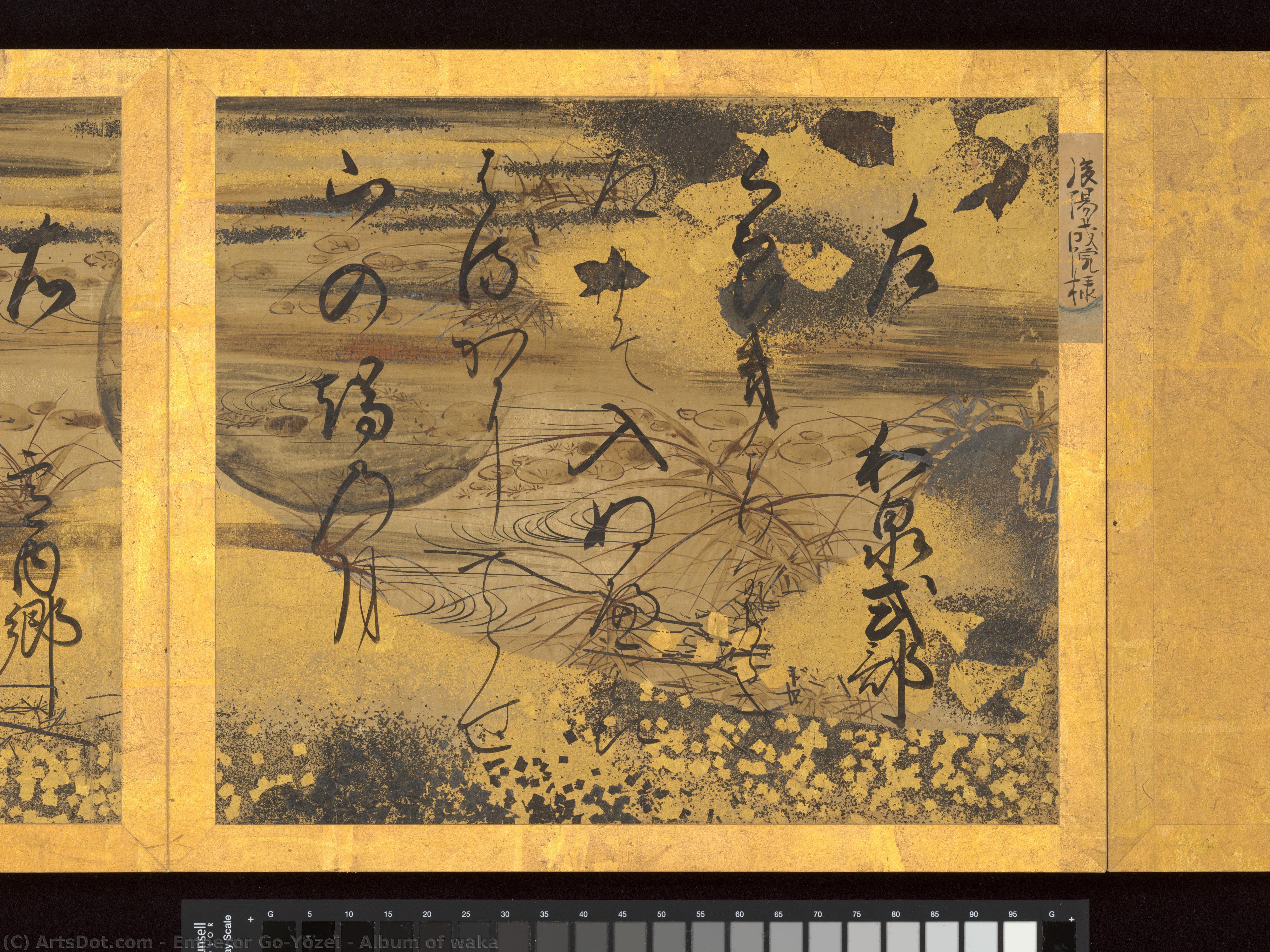
This exquisite album offers a rare glimpse into the refined world of Japan’s imperial court in the early 17th century. More than just a collection of poems, it is a testament to a millennium of artistic tradition – a harmonious blend of calligraphy and painting embodying both intellectual pursuit and aesthetic delight. Created by Emperor Go-Yōzei and eleven fellow courtiers, including members of his family, this album encapsulates a pivotal moment in Japanese history, bridging the Azuchi–Momoyama and Edo periods. The work’s intimate scale (20.1cm x 23.4cm) suggests it was intended for private contemplation, a treasured possession passed between discerning individuals.Style & Technique: Sumi-e Elegance with Gilded Splendor
The artwork showcases the mastery of *Sumi-e* (ink wash painting), a distinctly Japanese style characterized by its fluid brushwork and emphasis on capturing atmosphere over precise detail. Each page features two *waka* poems – thirty-one syllable verses – meticulously inscribed alongside delicately rendered scenes. These aren’t merely illustrations; they are integral to the poetic expression, enhancing the emotional resonance of the verse. The artist(s) employed a sophisticated palette beyond simple ink: gold and silver powders, cut foil, and vibrant colors were skillfully layered to create a sense of sumptuousness. Natural motifs – abbreviated landscapes, bridges, clouds, cherry blossoms, leaves, and birds – are prevalent, rendered with both realism and abstraction. The calligraphy itself varies from dynamic running script to graceful cursive, demonstrating the individual styles of each contributing calligrapher. Notice how brushlines shift in thickness, ranging from bold, rich blacks to almost ethereal fineness.Symbolism & Historical Context: Echoes of a Bygone Era
The *waka* poems themselves are steeped in symbolism and allude to classical Japanese literature and courtly life. The natural motifs aren’t simply decorative; they carry layers of meaning. Cherry blossoms, for example, represent the fleeting nature of beauty and life – a common theme in Japanese art and poetry. Birds often symbolize messengers or freedom. The album reflects the continued importance of aristocratic culture even as Japan transitioned into a new era under the Tokugawa shogunate. Emperor Go-Yōzei’s participation, along with his family, underscores the enduring prestige of the imperial lineage. The very act of creating such an album was a deliberate preservation of cultural values and artistic skills in a time of significant social change.Emotional Impact & Interior Design
The overall impression is one of serene beauty and refined elegance. This artwork evokes a sense of tranquility, inviting contemplation and appreciation for the subtleties of Japanese aesthetics. A reproduction of this album would be a stunning addition to any interior space – particularly those seeking a touch of understated luxury and cultural depth.- Its muted color palette complements both modern and traditional décor.
- The intimate scale makes it suitable for smaller spaces, such as studies or bedrooms.
- The artwork’s historical significance adds an intellectual dimension to any collection.
Related Artworks
Artist Biography
A Sovereign’s Brush: The Life and Art of Emperor Go-Yōzei
Emperor Go-Yōzei, born Katahito in Kyoto in 1571, occupied a unique position in Japanese history—a ruler deeply immersed in the aesthetic currents of his time. He wasn't merely a figurehead presiding over the tumultuous transition from the Azuchi–Momoyama to the Edo period; he was a highly accomplished calligrapher and poet, whose artistic endeavors reflected both the classical traditions of the imperial court and an emerging sensibility that foreshadowed the refined culture of the coming era. His reign, spanning 1586 to 1611, witnessed Japan consolidating after decades of civil war, and Go-Yōzei’s patronage of the arts played a subtle yet significant role in shaping the nation's cultural identity. He was the 107th emperor of Japan according to traditional succession, inheriting a legacy steeped in centuries of artistic refinement, but also facing the challenge of navigating a rapidly changing political landscape dominated by powerful figures like Toyotomi Hideyoshi and, later, Tokugawa Ieyasu.The Imperial Context: Lineage and Early Life
Go-Yōzei’s lineage was intrinsically linked to the shifting power dynamics of the late 16th century. He was the eldest son of Prince Masahito, who himself was a son of Emperor Ōgimachi. This familial connection placed Go-Yōzei within a complex web of imperial and aristocratic relationships. His upbringing in the Dairi, the imperial palace grounds in Kyoto, instilled in him a profound respect for classical learning and artistic expression. The court environment fostered an appreciation for *waka* poetry—a traditional Japanese form consisting of thirty-one syllables—and calligraphy, skills that Go-Yōzei would cultivate with remarkable dedication. Before ascending to the throne, his personal name was Kazuhito, but upon becoming emperor, he adopted the name Go-Yōzei, a deliberate invocation of Emperor Yōzei from the 9th century, signifying a continuation of artistic and cultural values. The prefix “Go,” meaning ‘later,’ underscored this connection to the past while simultaneously establishing his own distinct identity within the imperial lineage.Artistic Pursuits: Calligraphy, Poetry, and Patronage
While political maneuvering occupied much of his reign, Go-Yōzei’s true passion lay in artistic creation. He was celebrated as a master calligrapher, renowned for his elegant brushwork and innovative style. His calligraphy wasn't simply an exercise in technical skill; it was deeply imbued with personal expression and spiritual contemplation. He favored *sumi-e* ink paintings, often incorporating natural motifs—landscapes, flowers, birds—into his compositions. These works weren’t merely decorative; they were intended to evoke a sense of harmony between humanity and nature, reflecting the Zen Buddhist principles that permeated court culture. Beyond calligraphy, Go-Yōzei was also an accomplished *waka* poet, composing numerous albums filled with verses that explored themes of love, loss, and the transience of life. His poetry often served as inspiration for his calligraphic works, creating a synergistic interplay between visual art and literature. He actively encouraged artistic endeavors within the court, fostering a vibrant creative environment and commissioning works from talented artists.Navigating Power: Hideyoshi, Ieyasu, and Imperial Authority
Go-Yōzei’s reign coincided with the rise of Toyotomi Hideyoshi, who unified Japan after centuries of conflict. While Hideyoshi held the real political power, Go-Yōzei skillfully maintained a degree of imperial authority through strategic alliances and cultural diplomacy. He understood the importance of symbolism and used his artistic patronage to legitimize Hideyoshi’s rule while simultaneously preserving the dignity of the imperial court. Later in his reign, he formally bestowed the title of *shogun* upon Tokugawa Ieyasu in 1603, solidifying Ieyasu's position as the new military ruler of Japan and ushering in the Edo period. This act was a crucial moment in Japanese history, marking the transition from a fragmented feudal system to a centralized shogunate. Go-Yōzei’s decision to grant this title underscored his ability to navigate complex political realities while upholding the traditions of imperial legitimacy.Legacy and Historical Significance
Emperor Go-Yōzei abdicated in 1611, passing the throne to his son, who became Emperor Go-Mizunoo. He died five years later, leaving behind a legacy as one of Japan’s most artistically gifted rulers. His calligraphy and poetry continue to be admired for their elegance, innovation, and spiritual depth. He was the last emperor depicted in traditional medieval style—with facial hair—in his official portrait, symbolizing a connection to an earlier era. The shift towards clean-shaven portraits of subsequent emperors reflected the changing aesthetic sensibilities of the Edo period. Go-Yōzei’s reign bridged two distinct periods in Japanese history, and his artistic endeavors played a vital role in shaping the cultural landscape of the nation. He demonstrated that even within the confines of political constraints, an emperor could exert influence through the power of art, leaving an enduring mark on Japan's rich cultural heritage.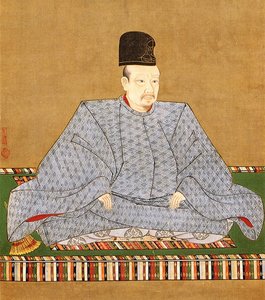
emperor go-yōzei
1571 - 1617 , Japan
Quick Facts
- Artistic Movement Or Style: Calligraphy, Waka poetry
- Date Of Birth: December 31, 1571
- Date Of Death: September 25, 1617
- Full Name: Emperor Go-Yōzei
- Nationality: Japanese
- Notable Artworks:
- Album of waka
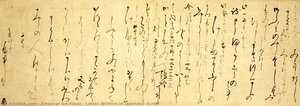
- Letter in Japanese script
- Place Of Birth: Kyoto, Japan
Related Articles
Serenity on Canvas: A Guide to the Timeless Beauty of Japanese Landscape Painting
Discover the serene beauty of Japanese landscape painting. From Hokusai's iconic woodblock prints to meditative sumi-e ink washes, explore a visual journey through the 'floating world' and learn how to bring this timeless Zen aesthetic into your modern home decor.

Hokusai's Masterpieces: 25 Iconic Prints & Paintings for Art Lovers | ArtsDot
Journey through Katsushika Hokusai’s 25 most iconic artworks, including *The Great Wave*. Explore the ukiyo-e master's history, style & timeless Japanese woodblock prints. Find museum-quality reproductions for your home at ArtsDot.com.
Floating World: The Captivating Art and Legacy of Japanese Ukiyo-e
Explore the profound beauty of Japanese Ukiyo-e. Discover the history, masters like Hokusai, and the enduring legacy of the 'Floating World' through an expert art-historical lens.
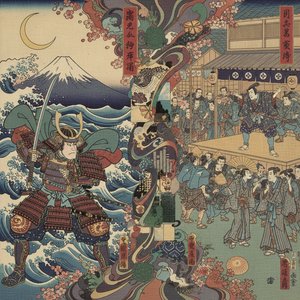
Utagawa Kuniyoshi: A Master of Japanese Ukiyo-e – Narrative Innovation & the Fusion of Tradition with Popular Culture
Explore the captivating world of Utagawa Kuniyoshi, a master of Japanese ukiyo-e woodblock prints. Discover his innovative warrior scenes, vibrant landscapes & lasting legacy in 19th-century art history.
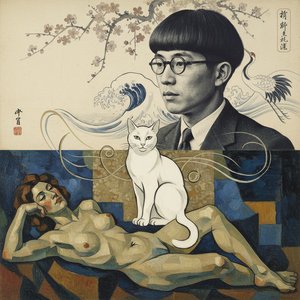
Léonard Foujita: A Poetic Synthesis of Japanese Sensibility & European Modernism
Discover the captivating world of Léonard Foujita, a master bridging Japanese aesthetics & European Modernism. Explore his signature style, diverse works, and enduring legacy – essential reading for discerning art collectors.