The Floating World: Understanding the Soul of Ukiyo-e
 Floating World: The Captivating Art and Legacy of Japanese Ukiyo-e
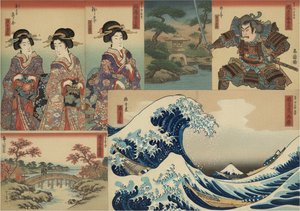
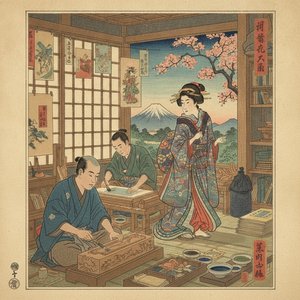
The Essence of Ukiyo-e: Understanding the Floating World To understand Ukiyo-e , one must first grasp the profound philosophical shift that occurred during Japan's Edo period. The term itself, often translated as "pictures of the floating world," car...
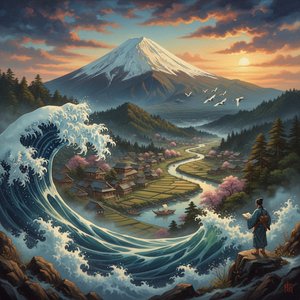
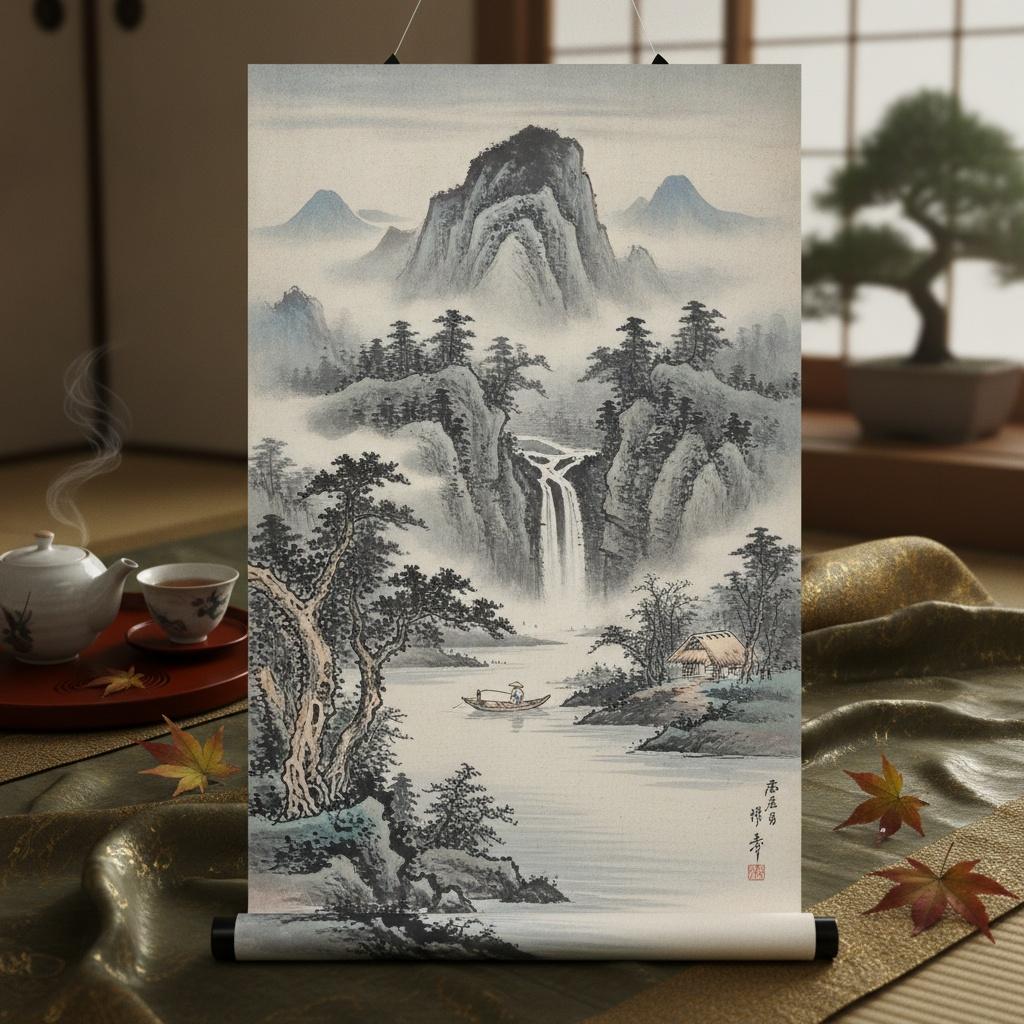
To step into the world of Japanese landscape painting is to embark on a journey through time, specifically into the vibrant and ephemeral era known as the Edo period. At the heart of this movement lies Ukiyo-e, a term that translates beautifully to “pictures of the floating world.” While the concept originally held a bittersweet, Buddhist connotation—referring to the transient and sorrowful nature of human existence—the urban classes of Edo reimagined it as a celebration of the present moment. It became an invitation to find profound beauty in the fleeting: the sudden ripple on a river, the delicate bloom of a cherry blossom, or the dramatic silhouette of a mountain against a changing sky.
This artistic revolution was not born from aristocratic decree but from the pulse of a burgeoning merchant class. As Japan experienced unprecedented peace under the Tokugawa shogunate, a new urban culture blossomed, hungry for art that reflected its own rhythms. Ukiyo-e captured this energy, moving away from rigid historical narratives to embrace the beauty of everyday life. Whether through the delicate portrayals of beautiful women or the sweeping vistas of the Japanese countryside, these works served as a mirror to a society captivated by the transient pleasures of life, teaching us that even in the most fleeting moment, there is an enduring grace worth capturing.
Mastering the Elements: The Art of Ink, Woodblock, and Nature
 Wash (visual arts)
A wash is a term for a visual arts technique resulting in a semi-transparent layer of colour. A wash of diluted ink or watercolor paint applied in combination with drawing is called pen and wash, wash drawing, or ink and wash. Normally only one or tw...
The technical mastery behind these serene landscapes is as profound as their spiritual depth. One cannot discuss Japanese landscape art without encountering the meditative discipline of sumi-e, or ink wash painting. This tradition relies on the subtle interplay of black ink and water, where a single, deliberate brushstroke can convey the weight of a stone or the lightness of a mist. The technique demands an acute sensitivity to the natural world, utilizing varying levels of dilution to create depth, texture, and atmosphere. It is an art of subtraction, where what is left unpainted—the white space of the paper—is just as vital as the ink itself.
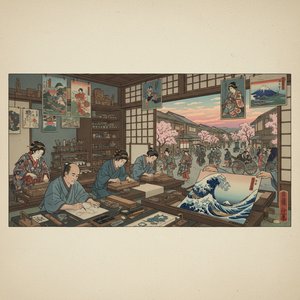
In contrast to the soft, ethereal washes of sumi-e, the woodblock printing technique of Ukiyo-e introduced a bold, graphic dimension to Japanese art. This process was a collaborative feat of precision, involving the artist’s vision, the carver’s steady hand, and the printer’s mastery of color. Techniques such as Bokashi—the delicate application of color gradation on a moistened block—allowed artists to create soft transitions in skies and water, adding a sense of three-dimensional reality to otherwise flat colors. From the vibrant Aka-e (red pictures) to the tranquil Aizuri-e (blue pictures), the ability to mass-produce these exquisite works meant that high art was no longer reserved for the elite, but could be cherished by anyone with an eye for beauty.
Iconic Visions: From Hokusai’s Majestic Fuji to the Spirit of the Landscape
 Hokusai's Masterpieces: 25 Iconic Prints & Paintings for Art Lovers | ArtsDot
Introduction To embark on a journey through the 25 most celebrated artworks of Katsushika Hokusai is to enter a world where ink blossoms into waves, mountains breathe with life, and everyday scenes resonate with profound beauty. These pieces aren’t m...
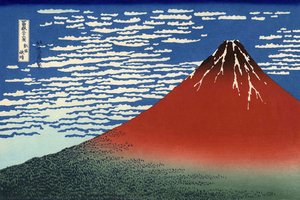
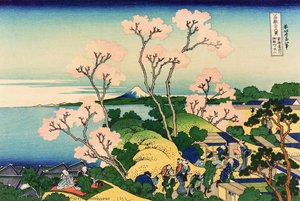
No exploration of this genre is complete without paying homage to the legendary Katsushika Hokusai. His work transcends mere landscape depiction, acting instead as a window into the very soul of Japan. In his celebrated series, Thirty-six Views of Mount Fuji, Hokusai treats the sacred peak not just as a landmark, but as a living entity that breathes with the seasons and weather. Consider the breathtaking Red Fuji, where the mountain is bathed in the warm, dramatic hues of early morning, or his depictions of Fuji amidst the violent energy of a thunderstorm. These works capture a sense of sublime power, illustrating the harmony and occasional turbulence between humanity and the natural world.
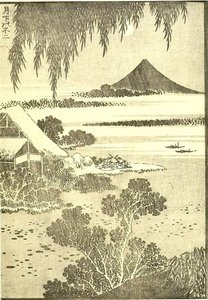
Beyond Hokusai, other masters contributed unique textures to this visual tapestry. The enigmatic Tōensai Kanshi continues the lineage of sumi-e with a contemporary sensitivity, pushing the boundaries of tradition through abstract elements that resonate with modern audiences. Meanwhile, artists like Okumura Toshinobu brought a subtle charm and delicate detail to their compositions, focusing on the intimate nuances of life. Whether it is the mythological unveiling of a mountain by a legendary ascetic or the quiet observation of a coastal village, these masterpieces remind us that the landscape is a narrative of spiritual endurance and breathtaking change.
Zen in Design: Finding Balance and Serenity through Japanese Composition
This is a list of terms frequently encountered in the description of ukiyo-e (浮世絵)-style Japanese woodblock prints and paintings. For a list of print sizes, see below. Aizuri-e (藍摺絵); "blue picture" Aka-e (赤絵); "red picture" Aratame (改); "examined" c...
The enduring appeal of Japanese landscape painting lies in its ability to instill a sense of profound peace. This is achieved through a sophisticated approach to composition rooted in Zen principles. Unlike Western traditions that often seek to dominate the frame with grand, central perspectives, Japanese art frequently utilizes asymmetrical balance and "empty" space to create a sense of openness. This intentional use of negative space allows the viewer's mind to wander, inviting contemplation and breath. The eye is not forced to a single point but is encouraged to drift across the canvas, discovering hidden details in the foliage or the soft curve of a distant hill.
This balance extends to the color palettes used by the masters. There is a rhythmic movement between bold, defining outlines and soft, atmospheric washes. The use of natural motifs—the "four gentlemen" of bamboo, plum blossom, chrysanthemum, and orchid—further reinforces themes of resilience, elegance, and humility. By observing these principles of balance and simplicity, we learn that true beauty does not require complexity; rather, it emerges from the harmonious arrangement of the essential elements of life.
Bringing the East to Your Home: Curating Japanese Landscapes for Modern Interiors
 Ukiyo-e's Greatest Hits: 10 Masterpieces That Shaped a Movement | ArtsDot
Introduction Imagine a world captured not in grand historical narratives or regal portraits, but in fleeting moments of everyday life – a Kabuki actor frozen mid-performance, the delicate beauty of a courtesan, a surging wave threatening to engulf al...
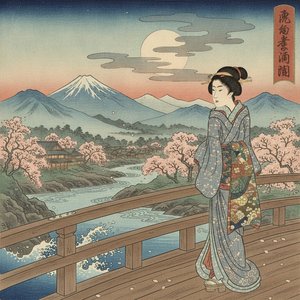
Integrating the serene aesthetic of Japanese landscapes into a contemporary home is an exquisite way to create a sanctuary of calm. For the modern decorator, these artworks offer more than just visual interest; they provide a mood. A large-scale print of a misty mountain can serve as a breathtaking focal point in a minimalist living room, while smaller, delicate ink washes are perfect for creating a meditative corner in a study or bedroom. The key to successful curation is to embrace the "vibe" of the piece—looking at color palettes and emotional resonance rather than just historical significance.
When selecting pieces for your space, consider the power of multi-panel layouts to transform a wide wall into an immersive experience, much like a window looking out onto the Edo period. Whether you are drawn to the bold, graphic energy of a Hokusai woodblock or the soft, tactile depth of a hand-painted oil reproduction, these works allow you to "remix" history within your own decor. By bringing these timeless landscapes into your home, you are not just hanging art; you are inviting the enduring spirit of the floating world to reside with you, fostering a space of reflection, beauty, and everlasting serenity.