
- Početna strana

- Reprodukcija uljane slike
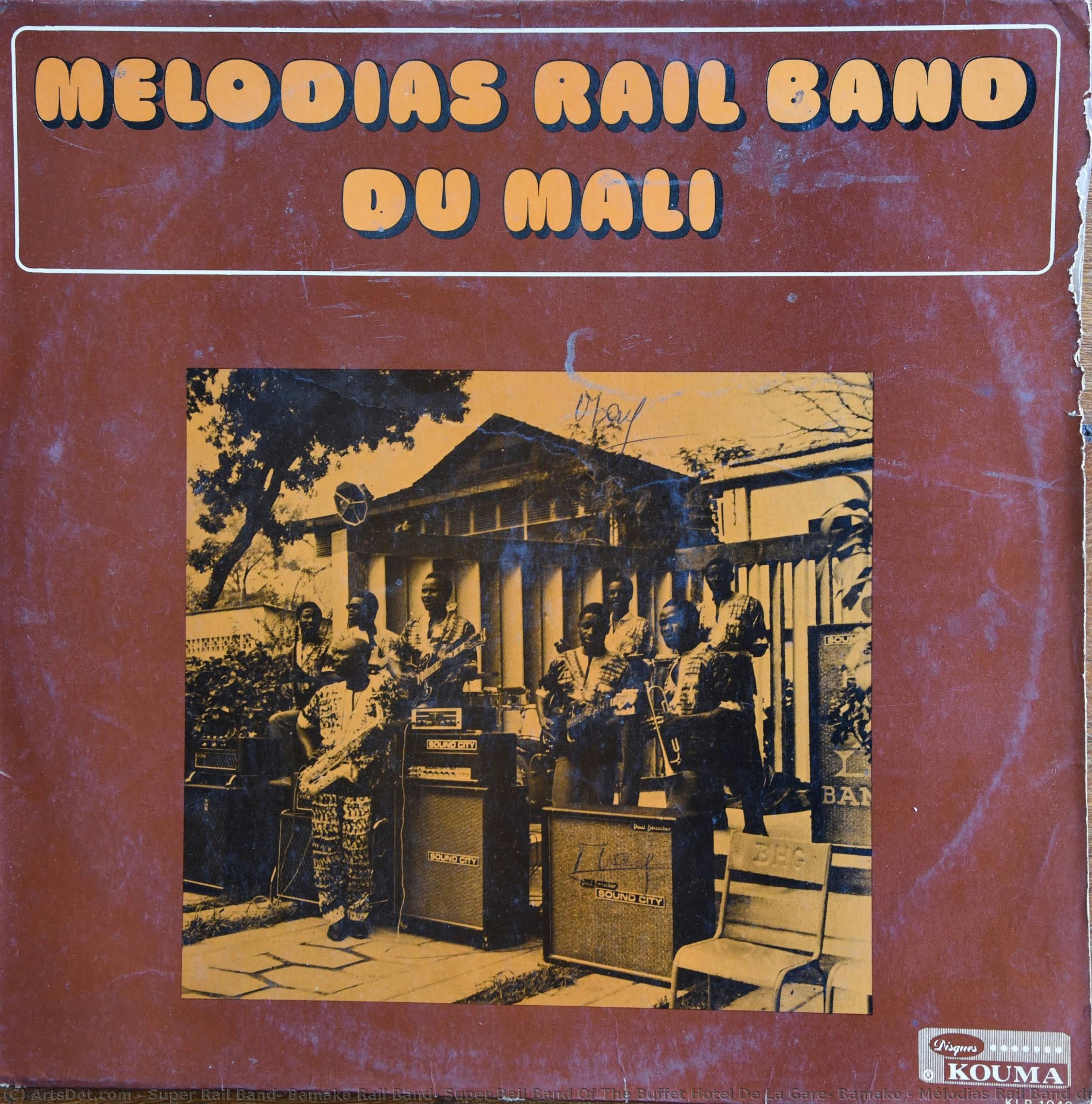
- Super Rail Band, Bamako Rail Band, Super Rail Band Of The Buffet Hotel De La Gare, Bamako
 Pošalji
 Podeli
 Detalji o delu

 Преузми
 Slični predmeti
 Slajdovi
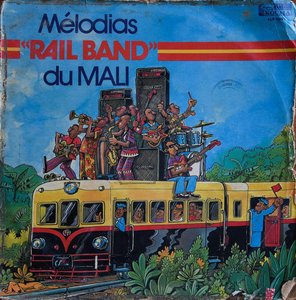
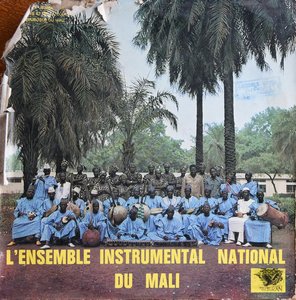
Mélodias Rail Band du Mali


 Pročitaj više
Ručno rađena uljana reprodukcija
Ručno oslikano uljanim bojama na platnu u dimenzijama i okviru po vašem izboru, izrađeno po porudžbini od strane naših umetnika. ( Kupi print Kupi digitalnu sliku)




































Izaberite jednu od naših unapred definisanih veličina koje odgovaraju originalnim proporcijama umetničkog dela.

Можете унети сопствене димензије како бисте прилагодили дело одређеном оквиру или простору. Ако одабрана величина не одговара пропорцијама оригинала, слика ће бити исечена или проширена додатним елементима који се ручно насликавају. Дигитални prikaz ће вам бити послат на одобрење пре почетка производње.
Имајте на уму да преглед на екрану не одражава стварно исецање или проширење. Само приказ (mockup) ће тачно приказати коначну композицију.
Иако су доступне прилагођене величине, препоручујемо да одаберете димензију из дефинисане листе како бисте сачували оригиналне пропорције.
Nakon narudžbine, tim ArtsDot.com će klijentu putem e-pošte poslati uputstva i dostaviti prikaz predloženog rešenja
Isporuka širom sveta () za 3/4 nedelje umesto uobičajenih 5 nedelja. (30 август). Bez kompromisa po pitanju kvaliteta.

Besplatna ekspresna dostava širom sveta

Visokokvalitetno laneno platno

Kompletno osiguranje transporta

Garancija povraćaja carine i uvoznih dažbina

Garancija vernosti boja

Politika povrata u roku od 60 dana (samo u slučaju nedostataka)

Garancija povrata novca od 100%

Popust pri grupnoj kupovini
 Opcija sa staklom dostupna je samo za dimenzije manje od 110 cm

Mélodias Rail Band du Mali
Tehnika reprodukcije
Dimenzije reprodukcije
-


Konačna cena
$ 263
A Timeless Echo of West African Rhythm
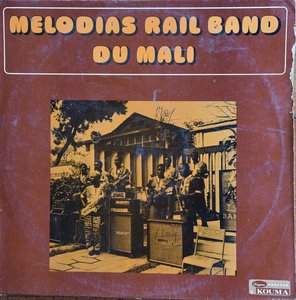
In the captured stillness of this 1976 photograph, we are transported to a vibrant era of Malian musical history through Mélodias Rail Band du Mali. This evocative black and white image serves as more than just a visual record; it is a window into the soul of Bamako during a transformative decade. The composition presents the legendary Super Rail Band, a group that would go on to redefine the sonic landscape of West Africa by masterfully weaving Afro-Latin rhythms with the deep, ancestral textures of Manding traditions. As we gaze upon the musicians gathered before their backdrop, there is an undeniable sense of communal purpose and artistic synergy that transcends the monochromatic medium.
The photograph captures a moment of profound cultural synthesis. The band members, dressed in coordinated attire, stand with a poised readiness that suggests both professionalism and a shared passion for their craft. Through the lens of history, we recognize these figures not merely as performers, but as architects of a new musical language. This era was pivotal, serving as the launching pad for global icons such as Salif Keita and Mory Kanté. The visual arrangement of the instruments—the guitars and drums positioned among the players—hints at the complex polyrhythms that would soon echo far beyond the borders of Mali, reaching the ears of the world.
The Aesthetic Allure of Monochrome Nostalgia
For the discerning collector or interior designer, this piece offers a sophisticated study in contrast and texture. The absence of color directs the viewer's focus toward the interplay of light and shadow, highlighting the architectural lines of the background building and the rhythmic patterns found in the musicians' clothing. This monochromatic palette lends the work an air of timelessness, making it an exquisite addition to any curated space that values historical depth and understated elegance. The grainy, vintage quality of the 1970s film stock adds a layer of tactile nostalgia, evoking a sense of longing for a golden age of live, communal performance.
Integrating such a piece into a modern interior provides a powerful focal point that invites conversation. Whether placed in a minimalist gallery-style setting or a richly textured study, the image acts as an emotional anchor. It brings with it the spirit of movement and the pulse of Bamako's streets. For those seeking to decorate with pieces that possess a narrative heartbeat, this photograph offers a rare opportunity to own a fragment of musical heritage—a visual melody that continues to resonate long after the final note has faded.
Srodna umetnička dela

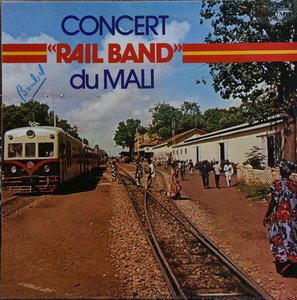
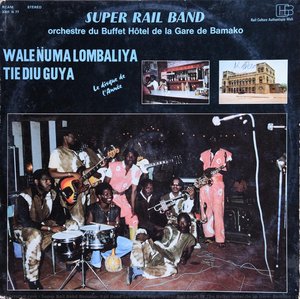
Biografija umetnika
The Sonic Architects of Bamako
In the vibrant, rhythmic heart of Mali, a musical revolution was forged in the 1970s, led by a collective that would forever alter the landscape of West African sound. The Super Rail Band, also known as the Rail Band or more formally the Super Rail Band of the Buffet Hotel de la Gare, Bamako, emerged not merely as a musical group but as a cultural phenomenon. Formed in 1970 under the patronage of the Malian Ministry of Information and the railway administration, the band took its name from their residency at the Station Hotel’s buffet bar. This era was defined by a profound sense of national identity, as the group became a vessel for the fusion of global influences and ancestral echoes, creating a sound that was simultaneously cosmopolitan and deeply rooted in the soil of the Manding empire.
The genius of the Rail Band lay in their ability to act as musical alchemists. They took the mid-century craze for Afro-Latin and Cuban jazz—sounds that had traveled from Congo through the wider African continent—and married them to the deep, ancestral textures of Malian tradition. Their compositions were a sophisticated tapestry where the electric guitar and jazz horns danced alongside the kora, the balafon, and the ngoni. By weaving together the Mande Griot praise-singer tradition with modern Western percussion and brass, they crafted a genre that felt both ancient and avant-garde. This synthesis allowed them to speak to the urbanizing youth of Bamako while honoring the linguistic beauty of the Bambara and Mandinka languages.
A Legacy of Icons and Innovation
To study the history of the Super Rail Band is to trace the lineage of African music's greatest legends. The band served as a vital launching pad for solo artists who would eventually achieve global superstardom, most notably the incomparable Salif Keita and the mesmerizing Mory Kanté. During their peak in the 1970s, the group’s influence radiated far beyond Mali's borders, playing to sold-out stadiums across West Africa. Their performances were characterized by a high-energy polyrhythmic complexity that captured the spirit of a continent in transition. The band's ability to integrate the talking drum and Islamic-style melodies with the driving force of a Western drum kit created a sonic language that was uniquely their own.
The historical significance of the Rail Band extends beyond mere entertainment; they were architects of a new musical identity for a post-colonial era. Their work, captured in iconic recordings such as 'Melodias', remains a testament to a time of immense cultural synthesis. Through their mastery of both the traditional and the modern, they ensured that the Griot tradition would not remain a relic of the past, but rather a living, breathing force capable of commanding the world stage. Their legacy continues to resonate in every note of contemporary West African music, reminding us of a period when Bamako was the beating heart of a rhythmic revolution.
Osnovne informacije
- Artistic Movement Or Style: Afro-Latin fusion, West African jazz
- Full Name: Super Rail Band
- Notable Artworks:
- Melodias
- Sunjata
- Concert du Mali
- Affair Social
- Origin: Bamako, Mali
- Other Names:
- Bamako Rail Band
- Orchestre du Buffet Hôtel de la Gare
Povezani članci

Monochrome Visions: Exploring the Aesthetic & Historical Significance of Black & White Photography
Explore the rich history & artistic power of black and white photography. From early techniques to iconic masters like Ansel Adams, discover why monochrome continues to captivate art lovers today. Expert insights for collectors.

White on Canvas: 10 Masterpieces & Timeless Elegance for Your Home Decor
Explore 10 iconic white paintings by Monet, Whistler & Rothko! Discover the stories behind these serene masterpieces and their impact on art history. Find museum-quality reproductions for your home decor at .
Beyond the Lens: Photography's Enduring Influence on Modern & Contemporary Art
Explore photography's pivotal role in shaping modern & contemporary art. Discover key movements, influential artists like Stieglitz, and expert collecting advice from ArtsDot.

Pictorialism: A Search for Artistic Photography's Soul – Aesthetics, Techniques & Legacy
Explore the captivating world of Pictorialism – a pivotal movement that transformed photography into fine art. Discover key artists like Stieglitz & Käsebier, techniques, and collecting tips from experts.

Dark Masterpieces: 10 Iconic Paintings Dominated by Black Tones |
Explore 10 iconic paintings dominated by black tones, from Rembrandt’s chiaroscuro to Goya's dark expressions. Discover the stories behind these masterpieces & find museum-quality art reproductions for your home at .

