

 Pregledaj u prostoru
 Pošalji
 Podeli
 Detalji o delu

 Преузми
 Slični predmeti
 Rendgenski snimak
 Slajdovi
 Statistika
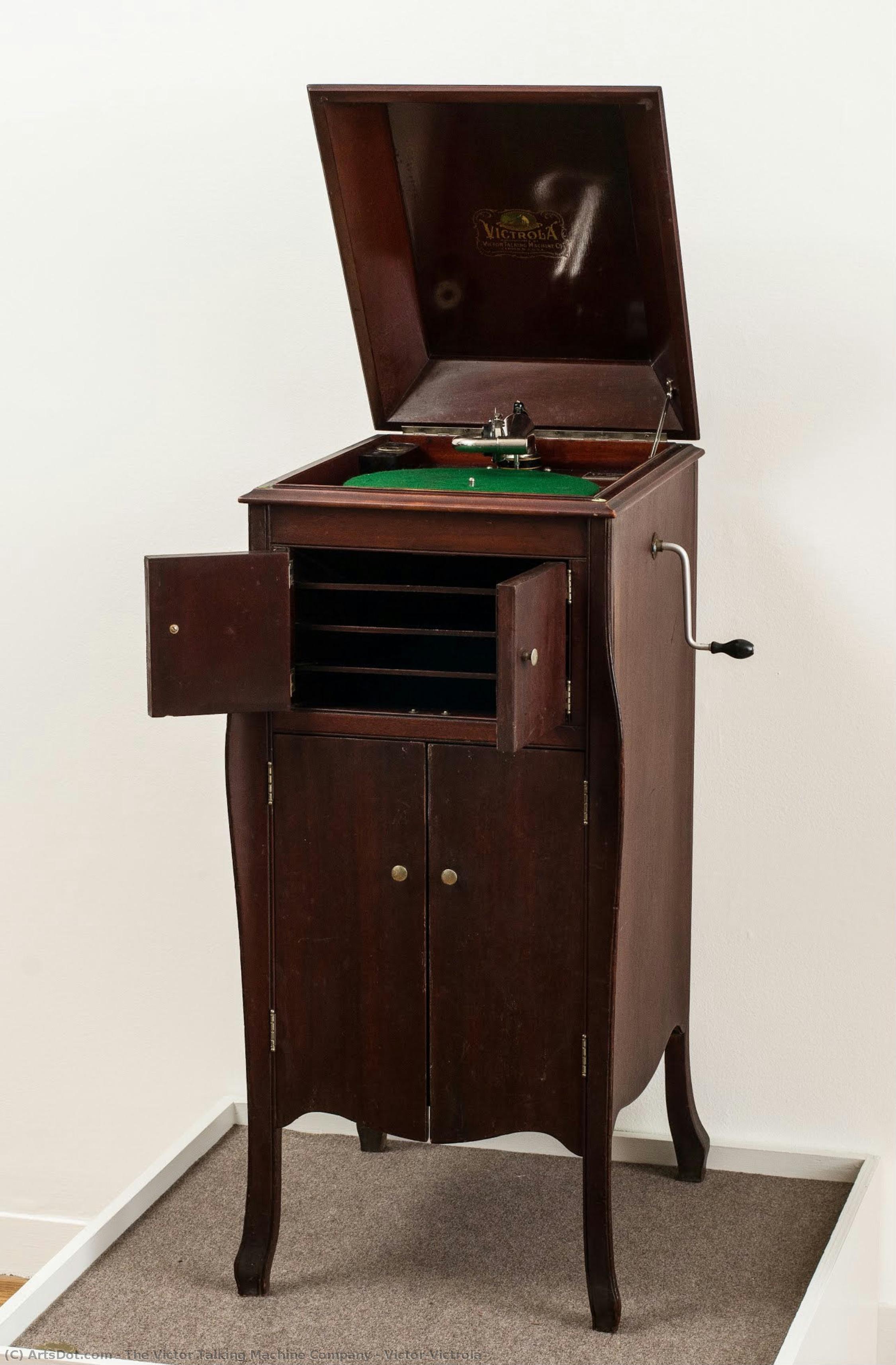
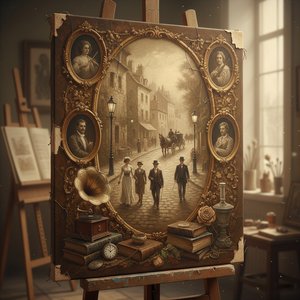
Victor-Victrola


 Pročitaj više
Giclee štampa / Umetnički otisak
Giclée štampa ili print na platnu muzejskog kvaliteta uz brzu proizvodnju i fleksibilne opcije završne obrade. ( Kupi ručno naslikanu sliku Pređi na digitalnu sliku)




































Izaberite jednu od naših unapred definisanih veličina koje odgovaraju originalnim proporcijama umetničkog dela.

Možete uneti sopstvene dimenzije kako biste umetničko delo prilagodili specifičnom okviru ili prostoru. Ako odabrani format ne odgovara proporcijama originalne slike, mi ćemo ili iscrtati deo dela ili proširiti sliku pomoću ogledane ivice ili jednobojnog popunjavanja. Digitalni prikaz će vam biti poslat na odobrenje pre početka proizvodnje.
Imajte na umu da pregled na ekranu ne odražava stvarno iscrtavanje ili proširivanje. Samo će prikaz (mockup) precizno pokazati finalnu kompoziciju.
Iako su prilagođene dimenzije dostupne, preporučujemo da odaberete dimenziju sa unapred definisane liste kako biste očuvali originalne proporcije.
Dostava širom sveta () za 2 nedelje umesto uobičajenih 4/5 nedelja. (9 септембар)

Besplatna ekspresna dostava širom sveta

Visokokvalitetno laneno platno

Kompletno osiguranje transporta

Garancija povraćaja carine i uvoznih dažbina

Garancija vernosti boja

Politika povraćaja u roku od 100 dana (isključivo u slučaju nedostataka)

Garancija povrata novca od 100%

Popust pri grupnoj kupovini
 Opcija sa staklom dostupna je samo za dimenzije manje od 110 cm

Victor-Victrola
Giclee štampa / Umetnički otisak
Dimenzije reprodukcije
-


Konačna cena
$ 62
Srodna umetnička dela
Biografija umetnika
The Voice of an Era: The Victor Talking Machine Company
The story of the Victor Talking Machine Company is not that of a single artist wielding brush or chisel, but rather of an enterprise that fundamentally altered how we experience art – specifically, music. Founded in 1901 by Eldridge R. Johnson, though its roots trace back to Johnson’s earlier work with Emile Berliner and his gramophone, Victor quickly transcended the realm of mere manufacturing to become a cultural icon. It wasn't about *creating* the music itself, but about perfecting the means of its dissemination, democratizing access to performances previously confined to concert halls and opera houses. This ambition, coupled with an astute understanding of branding and marketing, propelled Victor to the forefront of the burgeoning recording industry, shaping not only musical tastes but also the very fabric of American leisure in the early 20th century.From Cylinder to Disc: A Technological Revolution
The initial years were marked by a fierce battle for dominance between cylinder and disc recordings. Johnson’s innovations proved pivotal. While Berliner's gramophone utilized discs, they suffered from inferior sound quality compared to Edison’s cylinders. Victor’s early success hinged on developing the “Victrola” – a cabinet-style phonograph that dramatically improved both the fidelity of disc playback and its aesthetic appeal. The Victrola wasn’t simply a machine; it was a piece of furniture, designed to integrate seamlessly into the Victorian home. This focus on design, coupled with superior sound reproduction, quickly won over consumers. The company didn't just sell music players; they sold an *experience*, a sense of refined domesticity and access to high culture. The iconic image of Nipper, the dog listening intently to his master’s voice emanating from a Victrola horn – “His Master’s Voice” – became synonymous with the brand, embodying this promise of faithful reproduction and emotional connection. The adoption of the disc format ultimately prevailed, largely due to Victor's relentless pursuit of technological advancement and its savvy marketing strategies.A Pantheon of Performers: Building a Musical Legacy
Victor’s influence extended far beyond hardware. The company actively sought out and recorded an astonishing array of talent, effectively creating the first “star system” in popular music. Enrico Caruso, arguably the most famous opera singer of his time, signed with Victor in 1906, a landmark deal that cemented the company's reputation for quality and prestige. This was followed by recordings from artists like John Philip Sousa, Billy Murray, and countless others spanning genres from classical to vaudeville.- Early Recordings: Victor’s early catalog focused heavily on operatic arias and popular songs of the day, catering to a middle-class audience eager for entertainment.
- The Rise of Jazz: Recognizing the growing popularity of jazz in the 1920s, Victor began recording artists like Louis Armstrong, Bessie Smith, and King Oliver, playing a crucial role in popularizing this uniquely American art form. This was not without controversy; some within the company initially resisted embracing what they perceived as “lowbrow” music.
- Classical Music Dominance: Victor continued to champion classical recordings throughout its history, establishing long-term relationships with leading orchestras and soloists.
Beyond Entertainment: Cultural Impact and Historical Significance
The Victor Talking Machine Company's impact transcended mere entertainment. It fundamentally altered the relationship between performer and audience, allowing music to be consumed in a private, personalized manner. This had profound social consequences, contributing to the rise of mass culture and the development of new forms of leisure activity. The Victrola became a focal point for family gatherings, romantic encounters, and individual contemplation. The accessibility of recorded music also played a role in breaking down regional barriers, fostering a sense of national identity. Furthermore, Victor’s business practices – including its aggressive pursuit of copyright protection and its pioneering use of advertising – laid the groundwork for the modern recording industry. While the company eventually merged with RCA in 1929, its legacy endures as a testament to the power of technology, marketing, and artistic vision in shaping our cultural landscape. The “His Master’s Voice” logo remains one of the most recognizable symbols of the golden age of recorded sound, a poignant reminder of an era when music truly found its voice.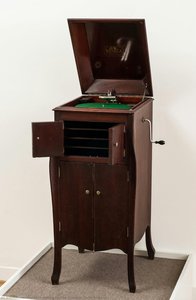
Osnovne informacije
- Artistic Movement Or Style: Commercial Art
- Date Of Death: Living
- Full Name: The Victor Talking Machine Company
Povezani članci

Echoes of Time: Exploring the Enduring Appeal & Historical Context of Vintage Art Prints
Explore the captivating world of vintage art prints! Discover their history, collecting tips & enduring appeal. Expert insights on chromolithography and building a legacy collection with ArtsDot.

Echoes of Eras Past: Exploring Themes & Techniques in Vintage Art Collections
Explore the captivating world of vintage art! Discover historical movements, iconic themes & collecting tips. Find handmade reproductions & expert appraisal at ArtsDot.

Echoes of Time: Exploring the Enduring Appeal of Vintage Artwork
Explore the captivating world of vintage art! Discover its history, enduring appeal, & how to build your own collection. Expert advice, custom reproductions & museum-quality prints at ArtsDot.

Dark Gray Masterpieces: 10 Iconic Paintings & Timeless Home Decor Ideas
Explore 10 iconic paintings dominated by dark gray tones, from Rembrandt & Caravaggio to Goya. Discover the stories behind these masterpieces and find museum-quality art reproductions for your home at . Explore the full collection online.
Echoes of Time: Nostalgia, Technique & Cultural Significance in Vintage Paintings
Explore the captivating world of vintage paintings! Discover key styles, cultural significance & collecting tips from art experts at ArtsDot. Find authentic reproductions and elevate your home décor.