

 Pregledaj u prostoru
 Pošalji
 Podeli
 Detalji o delu

 Преузми
 Slični predmeti
 Rendgenski snimak
 Slajdovi
 Stats
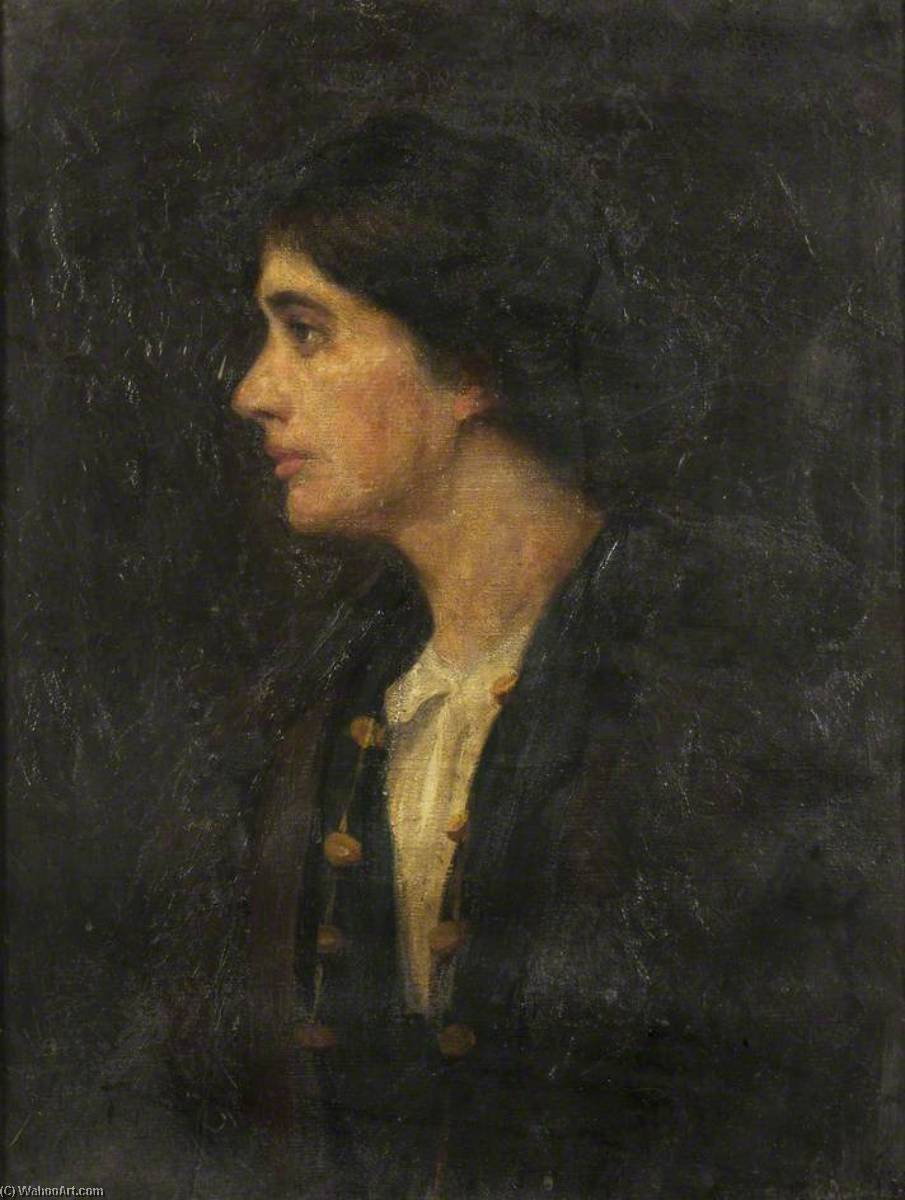
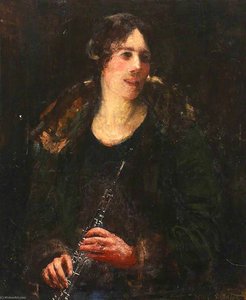
StatsEdyth Aline (c.1872–1956), Mrs Arthur Applin ( )
 Victorian Realism
 65.0 x 49.0 cm
 University of Bristol Theatre Collection
 Pročitaj više
Giclee štampa / Umetnički otisak
Giclée štampa ili print na platnu muzejskog kvaliteta uz brzu proizvodnju i fleksibilne opcije završne obrade. ( Kupi ručno naslikanu sliku Switch to Digital Image)




































Izaberite jednu od naših unapred definisanih veličina koje odgovaraju originalnim proporcijama umetničkog dela.

Možete uneti sopstvene dimenzije kako biste umetničko delo prilagodili specifičnom okviru ili prostoru. Ako odabrani format ne odgovara proporcijama originalne slike, mi ćemo ili iscrtati deo dela ili proširiti sliku pomoću ogledane ivice ili jednobojnog popunjavanja. Digitalni prikaz će vam biti poslat na odobrenje pre početka proizvodnje.
Imajte na umu da pregled na ekranu ne odražava stvarno iscrtavanje ili proširivanje. Samo će prikaz (mockup) precizno pokazati finalnu kompoziciju.
Iako su prilagođene dimenzije dostupne, preporučujemo da odaberete dimenziju sa unapred definisane liste kako biste očuvali originalne proporcije.
Dostava širom sveta () za 2 nedelje umesto uobičajenih 4/5 nedelja. (7 септембар)

Besplatna ekspresna dostava širom sveta

Visokokvalitetno laneno platno

Kompletno osiguranje transporta

Garancija povraćaja carine i uvoznih dažbina

Garancija vernosti boja

Politika povraćaja u roku od 100 dana (isključivo u slučaju nedostataka)

Garancija povrata novca od 100%

Popust pri grupnoj kupovini
 Opcija sa staklom dostupna je samo za dimenzije manje od 110 cm

Edyth Aline (c.1872–1956), Mrs Arthur Applin ( )
Giclee štampa / Umetnički otisak
Dimenzije reprodukcije
-


Konačna cena
$ 62
Srodna umetnička dela
Biografija umetnika
A Visionary of East Meets West: The Life and Art of Theodore Blake Wirgman
Theodore Blake Wirgman, born in 1848 and passing in 1925, occupies a fascinating, if often overlooked, niche within the Victorian art world. He wasn’t merely a painter; he was a cultural translator, a sensitive observer who absorbed the burgeoning aesthetic currents of his time – the lingering Romanticism, the Pre-Raphaelite attention to detail, and most significantly, the captivating allure of Japanese art that swept through Europe in the latter half of the 19th century. Wirgman’s life story is somewhat shrouded in mystery, with detailed biographical information scarce; however, his artwork speaks volumes about a man deeply engaged with both the artistic traditions of his homeland and the exotic beauty he found in the Far East. He wasn't simply replicating Japanese motifs but internalizing them, allowing them to subtly reshape his understanding of landscape, composition, and symbolism.Early Influences and Artistic Development
While details regarding Wirgman’s formal training remain elusive, it is clear that the influence of William Blake – no direct relation, as far as we know – permeated his early artistic sensibilities. A fascination with visionary subjects, a penchant for intricate detail, and a symbolic use of natural forms are hallmarks of his work from the beginning. However, unlike Blake’s often turbulent and overtly religious imagery, Wirgman's focus shifted towards more serene and contemplative scenes. The opening of Japan to Western trade in 1853 following Commodore Perry’s expedition proved pivotal. Japanese woodblock prints – *ukiyo-e* – flooded the European market, captivating artists with their flattened perspectives, bold colors, and depictions of everyday life. Wirgman was among those profoundly affected by this influx of new visual language. He didn't just collect these prints; he studied them meticulously, absorbing their compositional principles and aesthetic philosophy. This influence is not merely superficial imitation but a deep integration into his artistic process.The Fusion of Styles: Landscape and Symbolism
Wirgman’s mature work is characterized by a unique fusion of Victorian landscape painting and Japanese aesthetics. His paintings often depict idyllic scenes – tranquil gardens, misty mountains, and serene waterways – rendered with meticulous detail reminiscent of the Pre-Raphaelites. However, these landscapes are not simply realistic representations; they are imbued with symbolic meaning. The careful arrangement of trees, rocks, and water features echoes traditional Japanese garden design, where each element holds a specific significance. He frequently employed motifs like cranes (symbols of longevity), pine trees (representing resilience), and bamboo (signifying strength and flexibility). His use of space is particularly noteworthy, often employing asymmetrical compositions and negative space to create a sense of depth and tranquility – techniques directly borrowed from Japanese art. Wirgman’s palette, while rooted in Victorian sensibilities, also demonstrates a subtle shift towards the more muted tones favored in *ukiyo-e* prints. He wasn't interested in recreating the vibrant colors of Japan but rather evoking its atmosphere—a sense of calm contemplation and spiritual harmony.Orientalism and Artistic Recognition
Wirgman’s work falls within the broader context of Orientalism, a Western fascination with the East that was prevalent throughout the 19th century. However, his approach differs from many of his contemporaries who often exoticized or romanticized Eastern cultures. Wirgman's engagement appears more respectful and nuanced, focusing on aesthetic principles rather than sensationalist depictions. He sought to understand and integrate Japanese artistic traditions into his own work, creating a unique visual language that transcended simple imitation. While he wasn’t as widely celebrated during his lifetime as some of his Pre-Raphaelite peers, Wirgman's paintings were exhibited in prominent galleries and appreciated by discerning collectors. His art represents a significant contribution to the cross-cultural exchange of artistic ideas that characterized the Victorian era.Legacy and Historical Significance
Theodore Blake Wirgman’s legacy lies in his ability to synthesize disparate artistic influences into a cohesive and compelling visual style. He wasn't simply a follower of trends but an innovator who dared to blend the traditions of East and West, creating paintings that are both beautiful and thought-provoking.- His work offers valuable insights into the reception of Japanese art in Victorian England.
- He demonstrates how artists can successfully integrate foreign influences without sacrificing their own artistic identity.
- Wirgman’s paintings provide a glimpse into the aesthetic sensibilities of a bygone era, characterized by a fascination with nature, symbolism, and spiritual harmony.
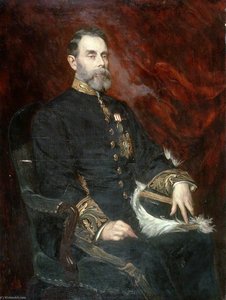
theodore blake wirgman
1848 - 1925
Osnovne informacije
- Artistic Movement Or Style: Victorian Art
- Artists Or Movements Influenced By This Artist: ['Orientalism']
- Artists Who Influenced This Artist: ['William Blake']
- Date Of Death: 1925
- Full Name: Theodore Blake Wirgman
- Nationality: Belgian
- Notable Artworks:
- Edyth Aline
- Dorothy and Marjory Lees
- Sir Thomas Brock
- Place Of Birth: Brussels, Belgium
Povezani članci
The Subdued Palette: Emotional Resonance & Aesthetic Impact of Muted Tones in Art
Explore the captivating world of muted tones in art! Discover Tonalism's history, Whistler’s influence & how subtle color palettes evoke emotion. Find serene landscapes and expert advice for integrating these timeless pieces into your home with ArtsDot.
The Subdued Resonance: Exploring Emotional Depth & Artistic Nuance within Muted Color Palettes
Explore the captivating world of muted colors in art & design! Discover historical context, psychological effects, techniques, and inspiration for creating serene spaces. Elevate your aesthetic with ArtsDot.
The Subdued Palette: Exploring Emotional Resonance & Aesthetic Impact in Muted Artworks
Explore the power of muted colors in art! Discover the history, psychology & techniques behind serene palettes. Find inspiration & expert advice for creating emotionally resonant spaces with ArtsDot.
Dante Gabriel Rossetti: 25 Remek-dela Pre-Raphaelita i Inspiracija za Vaš Dom
Istražite 25 remek-dela Dante Gabriel Rossettija, ikone Pre-Raphaelita! Otkrijte priče iza slika, simbolizam i inspiraciju za vaš dom. Kvalitetne reprodukcije na ArtsDot.com.

William Blake: Romantic Visionary & Mystical Genius of the Imagination
Explore the mystical art & poetic genius of William Blake (1757-1827). Discover his revolutionary illuminated printing, rich symbolism, and lasting influence on Romanticism. Find handmade reproductions at ArtsDot.