

 Pošalji
 Podeli
 Detalji o delu

 Преузми
 Slični predmeti
 Slajdovi
 Statistika
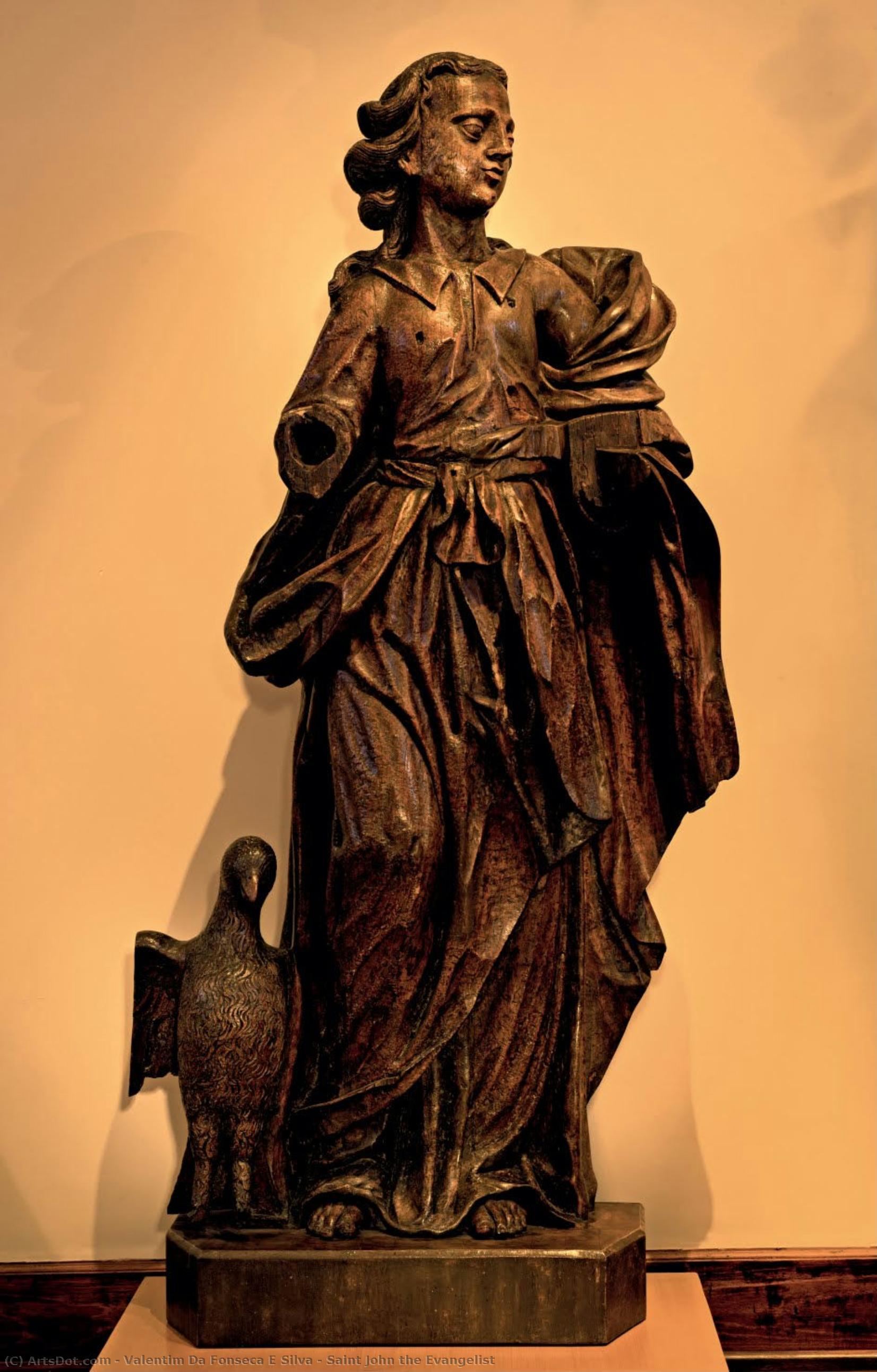
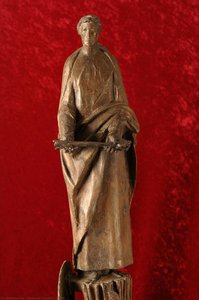
Saint John the Evangelist
 Sculpture
- Sculpture
- Baroque
 1810
1810- 19th Century
 188.0 x 96.0 cm
 Museu Histórico Nacional
 Pročitaj više
Kupite digitalnu sliku visoke rezolucije i poboljšanog kvaliteta, koja je znatno superiornija od onoga što vidite u online prikazu.
Svaka datoteka je pedantno pripremljena od strane naših stručnjaka koristeći napredne alate i profesionalnu ručnu retušu. Osiguravamo da svaka slika ima izuzetnu oštrinu, preciznu reprodukciju boja i fine detalje.
Konačna datoteka se dostavlja putem e-pošte u roku od 72 sata, optimizovana za neposrednu upotrebu u profesionalnim, izdavačkim i štamparskim okruženjima. To je isti kvalitet kojem veruju vrhunski studiji dizajna, izdavači i galerije.
Digitalna slika
Preuzmite datoteku visoke rezolucije za ličnu upotrebu, štampanje i kreativne projekte. ( Pređi na štampu Kupi ručno naslikanu sliku)
Uključeno uz svaku porudžbinu digitalne slike
Profesionalna digitalna isporuka, zagarantovana
Kada odaberete ArtsDot.com, ne dobijate samo sliku – vi primate profesionalno unapređeno digitalno umetničko delo, izrađeno sa najvećom preciznošću i uz garanciju zadovoljstva. Evo svega što automatski dolazi uz vašu porudžbinu:

Brza dostava putem e-pošte
Vaša digitalna slika visoke rezolucije biće vam poslata putem e-pošte u roku od 72 sata od poručivanja – spremna za trenutnu upotrebu.

Digitalna datoteka unapređena veštačkom inteligencijom
Vaše umetničko delo je profesionalno optimizovano korišćenjem naprednih AI alata i ručne obrade, čime se osiguravaju maksimalni detalji, oštrina i preciznost boja.

Besplatna ponovna isporuka doživotno
Slučajno ste obrisali ili izgubili svoju datoteku? Ne brinite – poslaćemo vam je ponovo u bilo kom trenutku, potpuno besplatno.

Bez troškova uvoza – zauvek
Uživajte u svojim umetničkim delima trenutno, bez carine, dažbina ili troškova dostave – digitalni download je uvek bez poreza.

Garancija vernosti boja
Uz pomoć profesionalnih alata i upravljanja bojama, osiguravamo da vaša digitalna slika što vernije odražava originalne boje.

Garancija zadovoljstva od 100 dana
Ako niste zadovoljni svojom digitalnom slikom, izvršićemo reviziju ili ćemo vam vratiti 100% novca u roku od 100 dana – bez ikakvih pitanja.

100% garancija povrata novca
Niste zadovoljni? Dobijte puni povraćaj novca u roku od 100 dana od prijema digitalne datoteke – bez suvišnih pitanja.

Popusti na velike porudžbine
Kupite 3 slike, uštedite 10% - Kupite 5 slika, uštedite 15% - Kupite 10+ slika, uštedite 20%. Odlično za kreativne projekte, galerije i agencije.
A Divine Presence in Stone: The Soul of Saint John
In the presence of this sculpture of Saint John the Evangelist, one is immediately struck by a profound sense of spiritual yearning. Created around 1810 by the master Brazilian sculptor Valentim da Fonseca e Silva, the piece transcends its physical form to offer a window into the divine. The figure emerges with a striking upward gaze, eyes fixed upon a celestial realm unseen by the mortal viewer. This upward tilt of the head, combined with the flowing, striated textures of his hair, creates a dynamic sense of movement, as if the Saint is caught in a moment of sudden, holy revelation. The sculpture captures not just a man, but a profound theological experience, making it an arresting centerpiece for any collection dedicated to sacred art.
The craftsmanship displayed in this work speaks to the unparalleled skill of Mestre Valentim, a pioneer of Brazilian colonial artistry. Though time has weathered the original polychrome, the structural integrity and the rhythmic drapery of the Saint's wide tunic and cloak remain breathtaking. The artist utilizes deep, intentional folds to create a play of light and shadow that gives the stone a lifelike, breathing quality. At the feet of the Evangelist, the inclusion of the eagle—his traditional symbol—is rendered with delicate incised lines that suggest the texture of feathers, grounding the celestial subject in the natural world. This interplay between the heavy, grounded drapery and the ethereal expression of the face creates a masterful tension that is both intellectually stimulating and emotionally resonant.
Symbolism and the Legacy of Mestre Valentim
To behold this work is to understand the rich cultural tapestry of early 19th-century Brazil. As a sculptor of mixed heritage, Valentim da Fonseca e Silva infused his religious subjects with a unique sensitivity that bridged different worlds. The iconography here is classic yet deeply personal; the book held by the Saint serves as a reminder of his role as the author of the Gospel, while the eagle represents the soaring heights of divine inspiration. For the discerning collector or interior designer, this piece offers more than mere decoration; it provides a historical narrative of resilience and artistic triumph during the transition from colonial rule to independence.
Integrating a high-quality reproduction of such a significant work into a contemporary space allows for a sophisticated dialogue between history and modernity. Whether placed in a sunlit gallery, a quiet study, or a grand foyer, the sculpture’s commanding presence—measuring an impressive 188 x 96 cm—commands attention without overwhelming its surroundings. It serves as an anchor of tranquility and contemplation, inviting viewers to pause and reflect on the enduring power of faith and the timeless beauty of classical sculpture. For those seeking to curate an environment of depth, elegance, and historical significance, this depiction of Saint John stands as an incomparable choice.
Srodna umetnička dela
Biografija umetnika
Valentim da Fonseca e Silva: A Pioneer of Brazilian Sculpture
Valentim da Fonseca e Silva, more commonly known as Mestre Valentim, was a pivotal figure in Brazilian art and urban development during the late 18th and early 19th centuries. Born into a racially mixed society, his life and work reflect both the artistic currents of his time and the unique cultural landscape of colonial Brazil.
Early Life and Background
Mestre Valentim was born in Serra do Frio, Brazil, to Manoel da Fonseca e Silva, a white man, and Amatilde da Fonseca, a black woman. This mixed heritage was significant in shaping his perspective and experiences within the stratified society of colonial Brazil. While specific details about his early life remain scarce, it is believed that he may have traveled to Portugal with his family as a child, potentially receiving some initial artistic training there.
Artistic Training and Development
The precise nature of Valentim’s formal artistic education remains a subject of debate among scholars. However, upon returning to Brazil, he established himself in Rio de Janeiro, where he quickly gained recognition for his sculptural talents. His style evolved over time, initially influenced by the Baroque tradition prevalent in Portuguese art but gradually incorporating elements of Neoclassicism as it gained prominence.
Key Characteristics and Influences
Mestre Valentim’s work is distinguished by its simplicity, functionality, and elegance. He skillfully blended European artistic techniques with Brazilian sensibilities. His sculptures often exhibit a sense of naturalism and emotional depth. While influenced by Baroque aesthetics, he also embraced the emerging Neoclassical emphasis on clarity, balance, and proportion.
Notable Works
- Saint John the Evangelist (1810): This sculpture is considered one of Valentim’s masterpieces, showcasing his mastery of form and expression. It exemplifies his ability to capture religious themes with grace and emotional resonance.
- His contributions to urban planning in Rio de Janeiro: Valentim played a crucial role in redesigning several public spaces, including the Passeio Público, a popular promenade for residents.
Urban Planning Contributions
Beyond sculpture, Mestre Valentim made significant contributions as an urban planner. He was commissioned to design and oversee the construction of various public works in Rio de Janeiro, transforming the city’s landscape. His designs emphasized functionality, aesthetics, and accessibility for all citizens.
Legacy and Historical Significance
Mestre Valentim's legacy extends far beyond his individual artworks. He is celebrated as a pioneer of Brazilian sculpture and a key figure in shaping the artistic identity of the nation. His work helped to establish a distinctly Brazilian style that blended European influences with local traditions. He paved the way for future generations of Brazilian artists, leaving an indelible mark on the country’s cultural heritage.
Final Thoughts
Valentim da Fonseca e Silva's life and career represent a fascinating intersection of art, culture, and social change in colonial Brazil. His sculptures and urban planning projects continue to inspire and captivate audiences today, solidifying his place as one of the most important artists in Brazilian history.
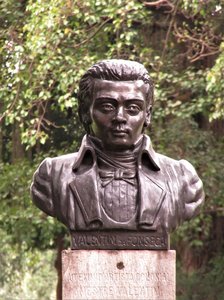
valentim da fonseca e silva
1813 , Brazil
Kratke činjenice
- Birth Place: Serra do Frio, Brazil
- Death Date: 1813
- Movement: Neoclassical, Baroque influence
- Name: Valentim da Fonseca e Silva
- Nationality: Brazilian
- Notable Works: ['Saint John the Evangelist']