

 Pregledaj u prostoru
 Pošalji
 Podeli
 Detalji o delu

 Преузми
 Slični predmeti
 Rendgenski snimak
 Slajdovi
 Statistika
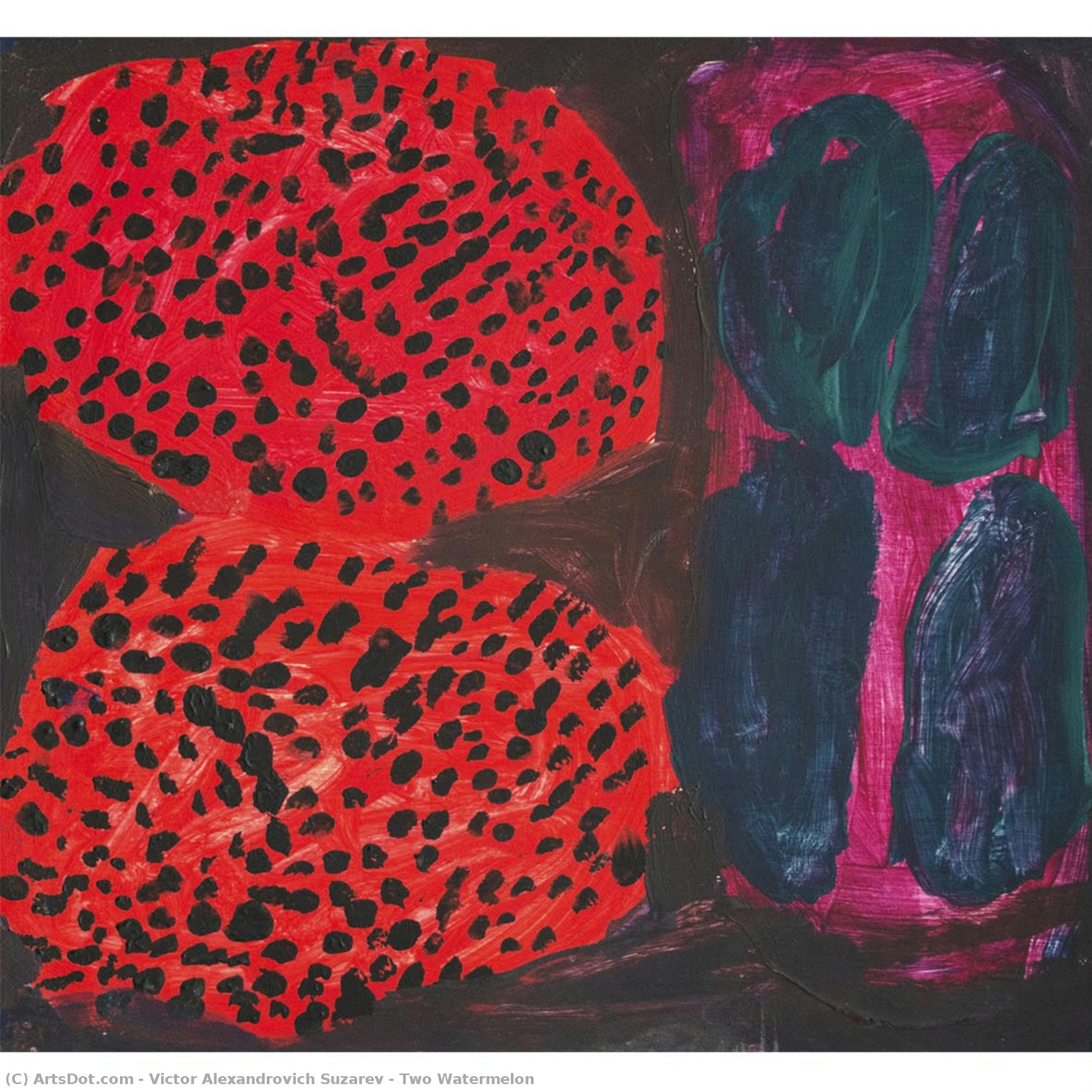
Two Watermelon


 Pročitaj više
Kupite digitalnu sliku visoke rezolucije i poboljšanog kvaliteta, koja je znatno superiornija od onoga što vidite u online prikazu.
Svaka datoteka je pedantno pripremljena od strane naših stručnjaka koristeći napredne alate i profesionalnu ručnu retušu. Osiguravamo da svaka slika ima izuzetnu oštrinu, preciznu reprodukciju boja i fine detalje.
Konačna datoteka se dostavlja putem e-pošte u roku od 72 sata, optimizovana za neposrednu upotrebu u profesionalnim, izdavačkim i štamparskim okruženjima. To je isti kvalitet kojem veruju vrhunski studiji dizajna, izdavači i galerije.
Digitalna slika
Preuzmite datoteku visoke rezolucije za ličnu upotrebu, štampanje i kreativne projekte. ( Pređi na štampu Kupi ručno naslikanu sliku)
Uključeno uz svaku porudžbinu digitalne slike
Profesionalna digitalna isporuka, zagarantovana
Kada odaberete ArtsDot.com, ne dobijate samo sliku – vi primate profesionalno unapređeno digitalno umetničko delo, izrađeno sa najvećom preciznošću i uz garanciju zadovoljstva. Evo svega što automatski dolazi uz vašu porudžbinu:

Brza dostava putem e-pošte
Vaša digitalna slika visoke rezolucije biće vam poslata putem e-pošte u roku od 72 sata od poručivanja – spremna za trenutnu upotrebu.

Digitalna datoteka unapređena veštačkom inteligencijom
Vaše umetničko delo je profesionalno optimizovano korišćenjem naprednih AI alata i ručne obrade, čime se osiguravaju maksimalni detalji, oštrina i preciznost boja.

Besplatna ponovna isporuka doživotno
Slučajno ste obrisali ili izgubili svoju datoteku? Ne brinite – poslaćemo vam je ponovo u bilo kom trenutku, potpuno besplatno.

Bez troškova uvoza – zauvek
Uživajte u svojim umetničkim delima trenutno, bez carine, dažbina ili troškova dostave – digitalni download je uvek bez poreza.

Garancija vernosti boja
Uz pomoć profesionalnih alata i upravljanja bojama, osiguravamo da vaša digitalna slika što vernije odražava originalne boje.

Garancija zadovoljstva od 100 dana
Ako niste zadovoljni svojom digitalnom slikom, izvršićemo reviziju ili ćemo vam vratiti 100% novca u roku od 100 dana – bez ikakvih pitanja.

100% garancija povrata novca
Niste zadovoljni? Dobijte puni povraćaj novca u roku od 100 dana od prijema digitalne datoteke – bez suvišnih pitanja.

Popusti na velike porudžbine
Kupite 3 slike, uštedite 10% - Kupite 5 slika, uštedite 15% - Kupite 10+ slika, uštedite 20%. Odlično za kreativne projekte, galerije i agencije.
A Symphony of Color and Loneliness: Unpacking Viktor Suzarev’s “Two Watermelons”
Viktor Suzarev's "Two Watermelons" isn't merely a still life; it’s an intimate dialogue rendered in vibrant acrylics. Painted in 2019, this work immediately captivates with its audacious use of color – a dominant red punctuated by the stark black of seeds and subtle shades of pink and purple that seem to pulse with inner light. The artist's signature thick impasto technique elevates the canvas, creating a tactile surface that begs to be touched, mirroring the very essence of the fruit itself. This is not an attempt at photographic realism; rather, it’s a deeply felt exploration of themes – loneliness, companionship, and perhaps even the bittersweet nostalgia associated with summer abundance.
Decoding the Gestural Abstraction
Suzarev's style leans heavily into expressionism, prioritizing emotional resonance over precise representation. The two watermelons themselves are abstracted to their most fundamental forms: large, rounded shapes that overlap slightly, suggesting a shared space rather than distinct objects. Lines are loose and expressive, defining the contours of the fruit with a gestural sweep, as if the artist were capturing not just their appearance but also the feeling they evoke. The deliberate distortion adds to the work’s intensity, transforming the familiar into something almost dreamlike. This approach aligns with a broader trend in 20th-century art – a move away from objective representation towards subjective interpretation and emotional expression.
The Artist's Intention: A Narrative of Connection
The artist’s biography reveals a fascinating preoccupation with duality and the exploration of human connection. Suzarev frequently employed paired subjects—two pears, two watermelons, two leaves—suggesting an interest in mirroring and contrast. The seemingly spontaneous appearance of the second watermelon within the composition hints at a deeper narrative: loneliness transforming into cooperation, friendship blossoming from solitude, love emerging from isolation. This interpretation is further strengthened by Suzarev’s technique – applying paint thickly to create a luminous effect, as if he were working on glass, amplifying the sense of vibrancy and emotional depth.
Symbolism and Emotional Impact
"Two Watermelons" carries rich symbolic weight. The watermelon itself has long been associated with summer, fertility, and abundance – potent symbols that resonate across cultures. However, within Suzarev’s work, these associations are subtly subverted through the abstract style, inviting viewers to contemplate deeper meanings. The overall effect is energetic, slightly chaotic, and intensely colorful—it evokes feelings of exuberance and possibly a playful distortion of reality. It's an artwork designed to provoke thought and emotion, offering a glimpse into the artist’s personal vision and his profound engagement with fundamental human experiences.
Srodna umetnička dela

Biografija umetnika
Kerry James Marshall: A Voice of the Unseen
Born in Birmingham, Alabama, on October 17, 1955, Kerry James Marshall’s life and artistic journey are inextricably linked to the experiences of being Black in America – specifically, the legacy of the Great Migration and the realities of urban life in the mid-20th century. Raised in Los Angeles's South Central neighborhood and later residing in Chicago, Marshall’s work emerged from a profound engagement with history, representation, and the persistent invisibility of African American figures within Western art traditions. His career, spanning decades, has been marked by a deliberate challenge to established norms, a commitment to portraying Black subjects with dignity and complexity, and an ongoing exploration of the power of image.
Marshall’s early artistic influences were shaped by several key factors. He began his training under Charles White, a prominent social realist painter who instilled in him a deep appreciation for figurative representation and a sense of social responsibility. This mentorship, coupled with his childhood experiences witnessing the Black Panther Party's activities in Los Angeles, fueled a desire to confront issues of race, identity, and power within his art. He studied at the Otis Art Institute of Los Angeles County, where he honed his skills in painting, ultimately earning a BFA in 1978. It was during this period that Marshall began to develop his distinctive style – large-scale paintings characterized by meticulous detail, bold colors, and a deliberate invocation of historical art conventions.
The Language of Painting
Marshall’s artistic language is instantly recognizable. He frequently references the traditions of European painting—particularly Renaissance portraiture and history painting—but subverts these established forms to depict Black subjects in ways that were historically absent. His figures are often posed with a formal dignity, reminiscent of classical sculptures or portraits, yet they are firmly rooted in contemporary African American life. He meticulously recreates the compositional elements of traditional paintings – elaborate backgrounds, dramatic lighting, and carefully constructed narratives – but fills them with scenes of Black families, workers, and everyday activities. This juxtaposition creates a powerful tension between the familiar and the unfamiliar, forcing viewers to confront their own assumptions about representation and history.
A key element of Marshall’s work is his use of color. He employs vibrant hues – reds, yellows, blues – with an almost operatic intensity, drawing inspiration from the traditions of African textiles and the visual culture of Black communities. These colors are not merely decorative; they carry symbolic weight, conveying emotion, history, and cultural significance. Furthermore, Marshall’s meticulous attention to detail—from the texture of clothing to the expressions on his subjects' faces—creates a sense of realism that is both captivating and unsettling.
Themes and Historical Context
Marshall’s work consistently grapples with themes of identity, representation, and social justice. He directly addresses the historical exclusion of Black people from the canon of Western art, challenging the notion that European aesthetics represent universal standards of beauty or truth. His paintings are not simply portraits; they are acts of reclamation—a deliberate effort to bring Black subjects into the narrative of art history. The influence of the Great Migration and the experiences of urban Black communities in Chicago are central to his work, as he depicts scenes of daily life – from family gatherings to industrial labor – with a keen eye for detail and social commentary.
In 1987, Marshall famously wrote “Looking at Pictures,” an essay published in *Artforum*, where he articulated his artistic philosophy. He argued that the absence of Black figures in art history was not merely a matter of oversight but a reflection of systemic racism and cultural bias. Marshall’s work can be seen as a direct response to this critique, a deliberate attempt to fill the void left by centuries of exclusion.
Major Achievements and Legacy
Kerry James Marshall's career has been marked by numerous significant achievements. He has held solo exhibitions at major museums around the world, including the Museum of Contemporary Art Chicago, The Metropolitan Museum of Art, and the Royal Academy of Arts in London. His work is included in prominent collections such as those of the Smithsonian American Art Museum, the Whitney Museum of American Art, and the National Gallery of Art. In 2017, he was recognized as one of *Time* magazine’s 100 most influential people in the world, a testament to his profound impact on contemporary art and culture.
Marshall's legacy extends far beyond his individual artworks. He has inspired generations of artists—particularly Black artists—to explore themes of identity, representation, and social justice. His work continues to provoke critical dialogue about the role of art in shaping our understanding of history and society. He remains a vital voice in contemporary art, reminding us of the importance of confronting uncomfortable truths and celebrating the richness and complexity of human experience.
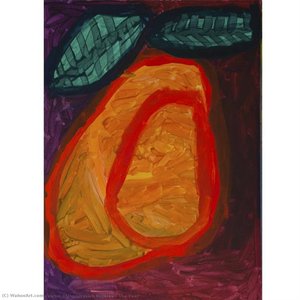
victor alexandrovich suzarev
1955 -