

 Pregledaj u prostoru
 Pošalji
 Podeli
 Detalji o delu

 Преузми
 Slični predmeti
 Rendgenski snimak
 Slajdovi
 Statistika
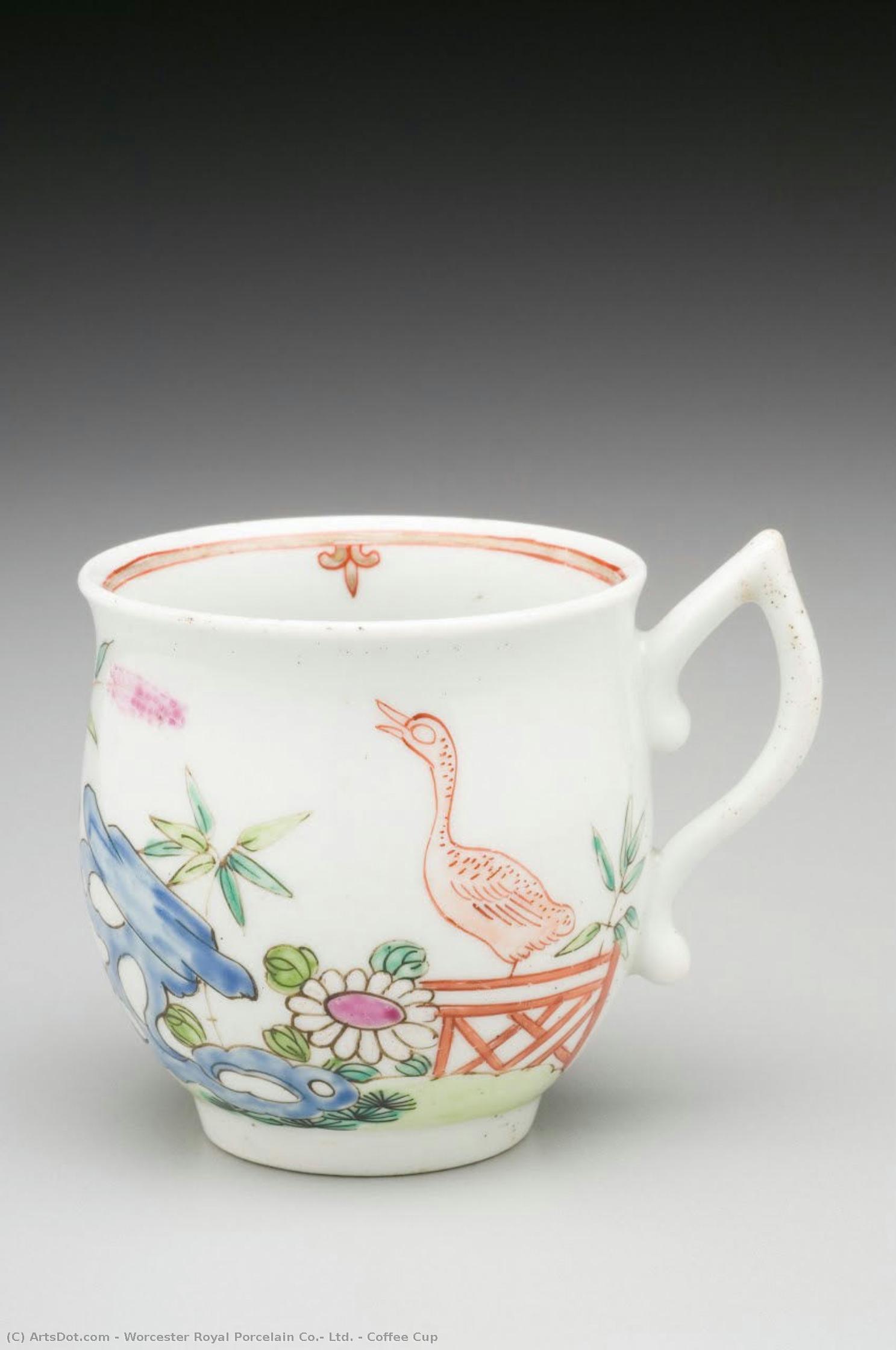
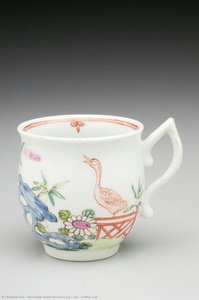
Coffee Cup

 Pročitaj više
Giclee štampa / Umetnički otisak
Giclée štampa ili print na platnu muzejskog kvaliteta uz brzu proizvodnju i fleksibilne opcije završne obrade. ( Kupi ručno naslikanu sliku Pređi na digitalnu sliku)




































Izaberite jednu od naših unapred definisanih veličina koje odgovaraju originalnim proporcijama umetničkog dela.

Možete uneti sopstvene dimenzije kako biste umetničko delo prilagodili specifičnom okviru ili prostoru. Ako odabrani format ne odgovara proporcijama originalne slike, mi ćemo ili iscrtati deo dela ili proširiti sliku pomoću ogledane ivice ili jednobojnog popunjavanja. Digitalni prikaz će vam biti poslat na odobrenje pre početka proizvodnje.
Imajte na umu da pregled na ekranu ne odražava stvarno iscrtavanje ili proširivanje. Samo će prikaz (mockup) precizno pokazati finalnu kompoziciju.
Iako su prilagođene dimenzije dostupne, preporučujemo da odaberete dimenziju sa unapred definisane liste kako biste očuvali originalne proporcije.
Dostava širom sveta () za 2 nedelje umesto uobičajenih 4/5 nedelja. (9 септембар)

Besplatna ekspresna dostava širom sveta

Visokokvalitetno laneno platno

Kompletno osiguranje transporta

Garancija povraćaja carine i uvoznih dažbina

Garancija vernosti boja

Politika povraćaja u roku od 100 dana (isključivo u slučaju nedostataka)

Garancija povrata novca od 100%

Popust pri grupnoj kupovini
 Opcija sa staklom dostupna je samo za dimenzije manje od 110 cm

Coffee Cup
Giclee štampa / Umetnički otisak
Dimenzije reprodukcije
-


Konačna cena
$ 62
Srodna umetnička dela







Biografija umetnika
The Enduring Legacy of Worcester Royal Porcelain
The story of the Worcester Royal Porcelain Co., Ltd. is one deeply intertwined with the burgeoning spirit of English artistry and innovation in the 18th century. Unlike many porcelain houses that sprang from aristocratic patronage, Worcester’s origins were decidedly mercantile. In 1751, a consortium of gentlemen – initially twelve in number – established what was then known as the Worcester Porcelain Manufactory. Their ambition wasn't to create delicate objects for courtly display alone, but to rival the esteemed porcelain coming from the East and Continental Europe, specifically Meissen and Sèvres. This pragmatic beginning shaped the company’s trajectory, fostering a focus on both aesthetic beauty and commercial viability.
The early years were marked by experimentation. The initial attempts at hard-paste porcelain proved challenging; local clays lacked the necessary qualities for consistent results. However, resourceful chemists and skilled potters persevered, eventually developing a unique recipe utilizing locally sourced materials combined with imported kaolin from Cornwall. This breakthrough allowed Worcester to produce porcelain that, while distinct in character from its rivals – often possessing a slightly warmer tone and a characteristic ‘soaprock’ texture – was nonetheless highly sought after. The factory quickly gained recognition for its innovative transfer-printing techniques, adopted early on and refined over decades. These methods enabled the mass production of intricate designs, making high-quality porcelain accessible to a wider audience.
A Flourishing Era: Designs and Techniques
The mid-18th century witnessed a remarkable flowering of creativity at Worcester. The factory’s output encompassed a vast range of forms – from elegant teaware and elaborate dinner services to decorative figurines, vases, and even specialized pieces like scent bottles and knife handles. Early designs were heavily influenced by the fashionable Rococo style, featuring delicate floral sprays, gilded accents, and scenes inspired by Chinese porcelain. However, Worcester artisans weren’t mere imitators. They rapidly developed their own distinctive aesthetic, incorporating English landscapes, heraldic emblems, and allegorical subjects into their repertoire.
The ‘Blind Man’s Buff’ pattern, a playful depiction of figures engaged in the popular game, became an iconic symbol of Worcester porcelain. Other notable patterns included ‘Fence’ (characterized by its distinctive fence-like border), ‘Queen Charlotte’ (celebrating Queen Charlotte's patronage) and various botanical designs meticulously rendered through transfer printing. The factory also excelled in producing scale blues – delicate cobalt blue pieces highly prized for their translucent quality and refined decoration. Throughout this period, the contributions of talented painters like William O’Neil and James Giles were instrumental in establishing Worcester’s reputation for artistic excellence.
Royal Patronage and Continued Innovation
The factory received a significant boost to its prestige in 1783 when it was granted royal patronage by King George III, becoming the ‘Royal Porcelain Works.’ This recognition solidified Worcester’s position as a leading porcelain manufacturer in England. The late 18th and early 19th centuries saw continued innovation in both design and production techniques. The introduction of new shapes, such as the elegant ‘Dr Wall’ shape (named after one of the original founders), broadened the factory’s appeal.
While transfer printing remained a cornerstone of Worcester's production, hand-painted decoration continued to flourish, with artists specializing in intricate floral studies, landscapes, and figure painting. The company also experimented with new glaze effects, including rich jewel tones and subtle metallic lustres. The Victorian era brought further changes, with an increased emphasis on elaborate ornamentation and a growing demand for commemorative wares.
Worcester Porcelain Today: A Testament to Enduring Craftsmanship
Throughout the 19th and 20th centuries, Worcester Royal Porcelain adapted to changing tastes while maintaining its commitment to quality craftsmanship. The factory underwent periods of consolidation and modernization, but it never lost sight of its heritage. Today, Worcester continues to produce exquisite porcelain, blending traditional techniques with contemporary designs.
The legacy of the Worcester Royal Porcelain Co., Ltd. extends far beyond the beautiful objects it has created. It represents a remarkable story of entrepreneurial spirit, artistic innovation, and enduring craftsmanship. Pieces from all periods of the factory’s history are highly sought after by collectors worldwide, serving as tangible reminders of England's rich porcelain heritage. The company stands as a testament to the power of combining artistic vision with commercial acumen – a legacy that continues to inspire and delight.
Osnovne informacije
- Artistic Movement Or Style: Porcelain Manufacturing
- Date Of Death: Living
- Full Name: Worcester Royal Porcelain Co., Ltd.