

 Preview
 Send
Send Share
Share
 Details

 Download
 Similars
 X-Ray
X-Ray Diaporama
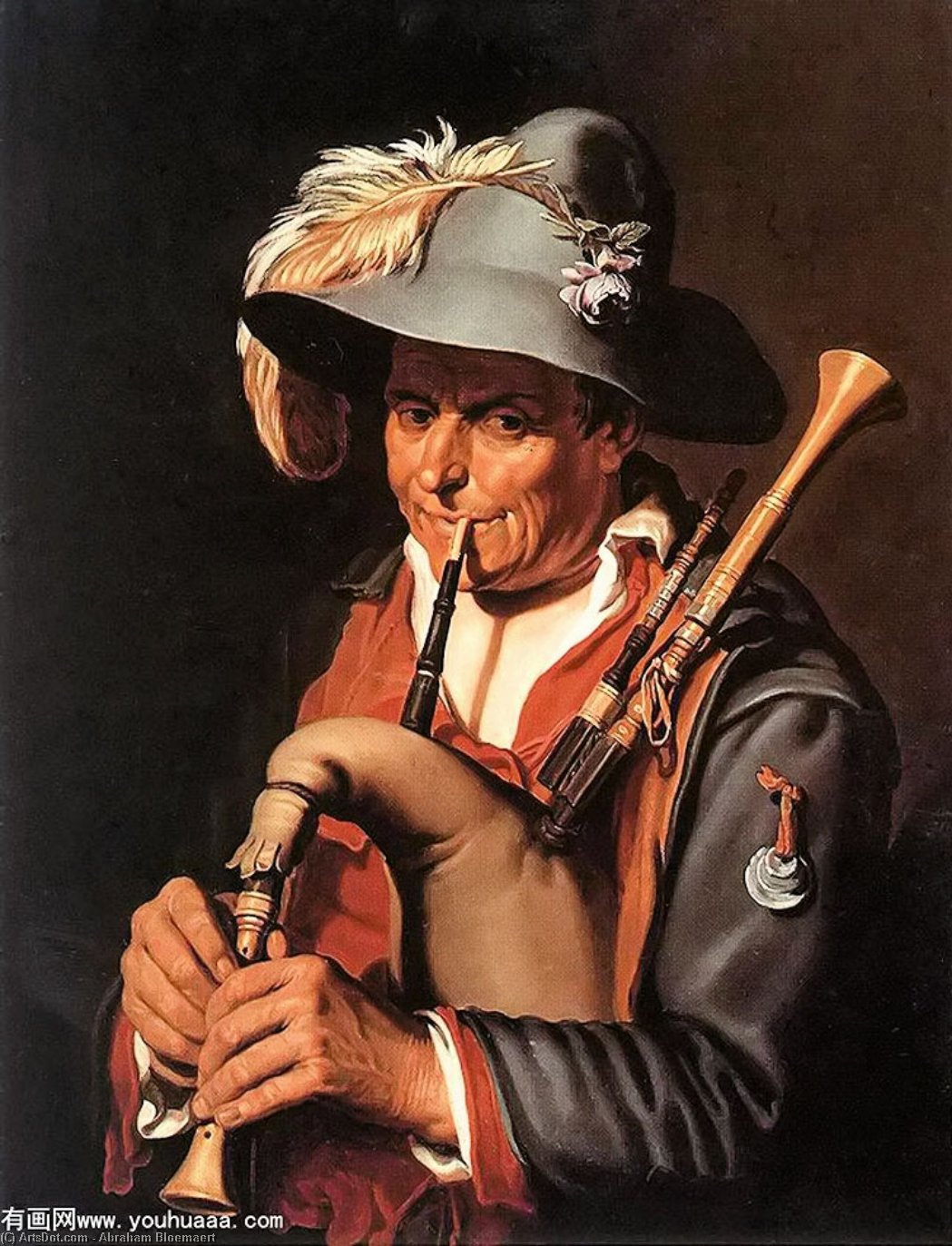
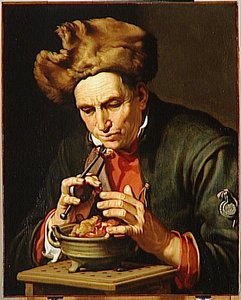
The Bagpiper


 Read More
Purchase a high-resolution, enhanced digital image, far superior to the online preview.
Each file is meticulously prepared by our in-house specialists using advanced tools and expert manual retouching. We ensure every image has exceptional clarity, precise color accuracy, and fine detail.
The final file is delivered via email within 72 hours, optimized for immediate use in professional, editorial, and print environments. This is the same quality trusted by top-tier design studios, publishers, and galleries.
Digital Image
Download a high-resolution file for personal display, printing, and creative projects. ( Buy Print Buy Hand Made Painting)
Included in Every Digital Image Order
Expert Digital Delivery, Guaranteed
When you choose ArtsDot.com, you're not just getting an image - you're receiving a professionally enhanced digital artwork, crafted with precision and backed by a satisfaction guarantee. Here's everything that comes with your order, automatically:

Fast Email Delivery
Your high-resolution digital image file will be emailed to you within 72 hours of ordering - ready for immediate use.

AI-Enhanced Digital File
Your artwork is professionally optimized using advanced AI tools and manual editing, ensuring maximum detail, clarity, and color accuracy.

Free Lifetime Re-Delivery
Accidentally deleted or lost your file? No worries - we'll resend it to you anytime, free of charge.

No Import Fees - Ever
Enjoy your artwork instantly with zero customs, duties, or delivery fees - digital downloads are always tax-free.

Color Accuracy Guarantee
We ensure your digital image reflects the original colors as closely as possible using professional tools and color management.

60-Day Satisfaction Guarantee
If you're not satisfied with your digital image, we'll revise it or refund 100% within 60 days - no questions asked.

100% Money-Back Guarantee
Not satisfied? Get a full refund within 60 days of receiving your digital file - no questions asked.

Bulk Order Discounts
Buy 3 images, save 10% - Buy 5, save 15% - Buy 10+, save 20%. Great for creative projects, galleries, and agencies.
Collectible Description
Abraham Bloemaert’s “The Bagpiper”: A Window into 18th-Century Dutch Life
Abraham Bloemaert's "The Bagpiper," painted around 1620, is more than just a portrait; it’s a meticulously crafted snapshot of a bygone era. This arresting image captures an older man, likely a traveling musician or itinerant entertainer, immersed in his craft – playing both a small flute and a larger horn-like instrument. The painting immediately draws the viewer into its world with a dramatic interplay of light and shadow, characteristic of the Baroque style that Bloemaert so masterfully employed. The dark, indistinct background serves to heighten the subject’s presence, creating a sense of depth and intimacy as if we are witnessing a private moment.
Bloemaert's skill lies not only in his ability to render realistic textures – from the intricate folds of the man’s waistcoat to the feathered adornments on his tricorn hat – but also in his masterful use of chiaroscuro. The strong directional light, originating seemingly from an unseen source above and slightly to the left, sculpts the subject's face, emphasizing wrinkles and lines that speak volumes about age and experience. This dramatic lighting isn’t merely decorative; it imbues the scene with a palpable sense of melancholy, hinting at a life lived on the road, perhaps filled with both joy and hardship.
A Masterpiece of Baroque Detail
Examining the painting closely reveals Bloemaert's dedication to detail. The artist’s meticulous attention to the fabrics—the rich velvets, sturdy wools, and delicate lace—demonstrates a deep understanding of material properties. The rendering of the musical instruments themselves is particularly noteworthy; each curve and surface reflects light in a way that suggests both their functional purpose and their inherent beauty. Notice, too, the subtle variations in color within the fabrics – hints of crimson, gold, and brown – adding layers of visual interest and contributing to the overall sense of realism.
Bloemaert’s technique is firmly rooted in the Baroque tradition, yet he possesses a unique sensibility that distinguishes his work. He skillfully balances realistic representation with an expressive quality, conveying not just what the subject *looks* like but also how they *feel*. The pyramidal composition—with the man's face forming the apex—provides stability and directs the viewer’s eye towards the central figure, reinforcing his importance within the scene.
Symbolism and Context
“The Bagpiper” offers a glimpse into 18th-century Dutch society. The subject’s attire – the tricorn hat, waistcoat, and breeches – are typical of the period, reflecting a blend of formality and practicality. The musical instruments themselves hold symbolic significance; they represent his profession and livelihood, suggesting a life dedicated to entertainment and travel. Considering Bloemaert's own career trajectory—his time in Paris absorbing influences from various artistic movements—it’s clear that this painting is the culmination of years of study and experimentation.
Furthermore, the painting can be interpreted as a meditation on themes of aging, experience, and the transient nature of life. The man's weathered appearance and melancholic expression invite contemplation about the passage of time and the stories etched onto his face. The setting—a dark, undefined space—suggests a solitary existence, perhaps one marked by both loneliness and resilience.
Bringing “The Bagpiper” to Your Space
Reproductions of Bloemaert’s "The Bagpiper" offer a remarkable opportunity to bring this captivating work of art into your home or office. ArtsDot's hand-painted reproductions capture the essence of the original, faithfully recreating its dramatic lighting, rich textures, and evocative atmosphere. Whether you are an art collector, an interior designer seeking to add a touch of historical elegance, or simply someone who appreciates beautiful artwork, this piece is sure to be a conversation starter and a source of enduring inspiration.
The painting’s timeless appeal lies in its ability to transport us back to a different time and place—a world filled with music, travel, and the quiet dignity of an individual pursuing his craft. It's a reminder that even in the face of adversity, beauty and artistry can flourish.
Related Artworks


Artist Biography
A Life Immersed in Art: The World of Abraham Bloemaert
Abraham Bloemaert, born in Gorinchem in 1564 and passing away in Utrecht in 1651, stands as a pivotal figure bridging the Mannerist and Baroque periods in Dutch painting. His long and prolific career unfolded against a backdrop of religious and political upheaval, yet he consistently produced works imbued with both dramatic intensity and subtle beauty. Bloemaert’s journey began under the tutelage of his father, Cornelis Bloemaert I, an architect who instilled in him a foundational understanding of form and composition. This early training was further refined through studies with Gerrit Splinter and Joos de Beer in Utrecht, laying the groundwork for his artistic explorations. A crucial period followed – three years spent in Paris from 1581 to 1583. There, he absorbed influences from Jehan Bassot and Maistre Herry, while also encountering the works of Hieronymus Francken, a fellow Dutch artist who broadened his stylistic horizons. This Parisian sojourn proved formative, exposing him to the refined elegance of the French School and setting the stage for his later innovations.From Mannerism to Baroque: A Shifting Aesthetic
Upon returning to Utrecht, Bloemaert quickly established himself as a leading artist. Initially, his style aligned with the prevailing Haarlem Mannerism – characterized by elongated figures, elegant poses, and often complex allegorical narratives. However, he was not content to remain solely within this framework. As the 17th century dawned, Bloemaert began to embrace the emerging Baroque aesthetic, a shift marked by increased dynamism, emotional intensity, and a heightened sense of realism. This transition wasn’t abrupt; rather, it represented a gradual evolution, blending elements of both styles into a uniquely personal artistic language. He skillfully incorporated dramatic lighting effects, rich color palettes, and expressive gestures to convey powerful narratives and evoke profound emotions in his viewers. His paintings began to resonate with a new energy, reflecting the changing cultural landscape of the Dutch Republic.A Master of Diverse Subjects and Techniques
Bloemaert’s artistic output was remarkably diverse. He excelled in history painting, bringing biblical stories and classical myths to life with compelling detail and emotional depth. Landscapes also held a special place in his repertoire, often serving as settings for religious or mythological scenes, but increasingly becoming subjects in their own right – picturesque vistas populated with figures engaged in everyday activities. Beyond painting, Bloemaert was a highly skilled printmaker, proficient in both etching and engraving. These prints served to disseminate his artistic vision more widely, contributing significantly to his reputation and influence. His technical mastery extended to still lifes and animal paintings as well, demonstrating an exceptional versatility that set him apart from many of his contemporaries. Notable works such as “The Expulsion of Hagar and Ishmael,” “Venus and Adonis”, and "Warrior & Young Standard-Bearer" exemplify this range, showcasing his ability to handle complex compositions and convey nuanced emotions with equal skill.A Prolific Teacher and Lasting Legacy
Abraham Bloemaert was not only a gifted artist but also an influential teacher. He established a thriving workshop in Utrecht, attracting numerous students who would go on to become prominent artists themselves. Remarkably, his four sons – Hendrick, Frederick, Cornelis, and Adriaan – all followed in his footsteps, achieving considerable success as painters and engravers. Beyond his immediate family, Bloemaert mentored a generation of Dutch artists, including Jan Aerntsz de Hel, Nicolaes van Bercheyck, Leonaert Bramer, Bartholomeus Breenbergh, Hendrick ter Brugghen, and Gerrit van Honthorst. His influence was particularly profound on the Utrecht Caravaggisti – a group of painters who embraced the dramatic realism and tenebrism (the use of strong contrasts between light and dark) pioneered by Caravaggio. Bloemaert’s teachings helped to shape their distinctive style, solidifying his position as a central figure in the development of Dutch Baroque painting. His legacy continues to resonate today, with his works admired for their technical brilliance, emotional power, and historical significance. They stand as testaments to a life dedicated to artistic exploration and innovation, leaving an indelible mark on the art world.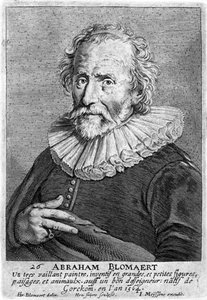
Abraham Bloemaert
1564 - 1651 , Netherlands
Quick Facts
- Artistic Movement Or Style: Baroque, Mannerism
- Artists Or Movements Influenced By This Artist: ['Utrecht Caravaggisti']
- Artists Who Influenced This Artist: ['Hieronymus Francken']
- Date Of Birth: 1564
- Date Of Death: 1651
- Full Name: Abraham Bloemaert
- Nationality: Dutch
- Notable Artworks:
- Expulsion of Hagar
- Venus and Adonis
- Landscape with Peasants
- Place Of Birth: Gorinchem, Netherlands

