 Preview
 Send
Send Share
Share
 Details

 Download
 Similars
 X-Ray
X-Ray Diaporama
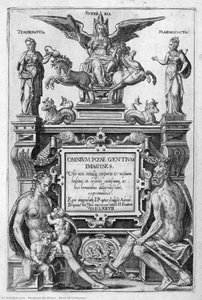
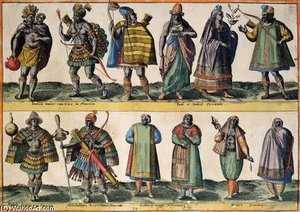
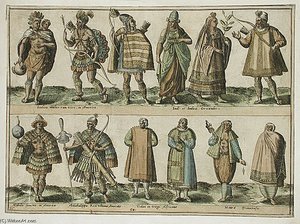
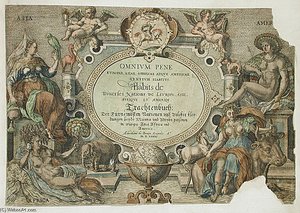
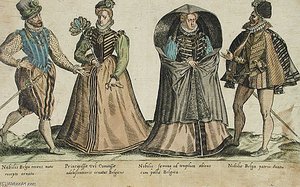
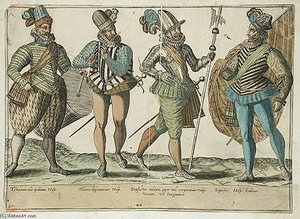
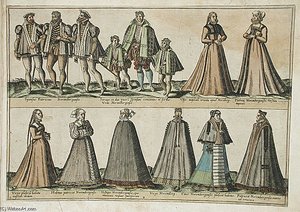
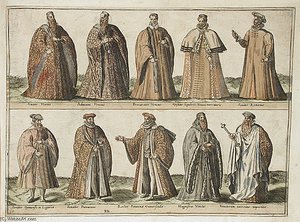
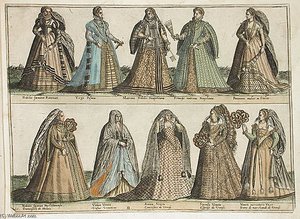
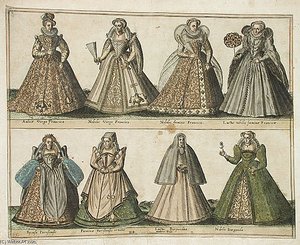
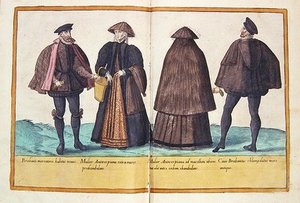
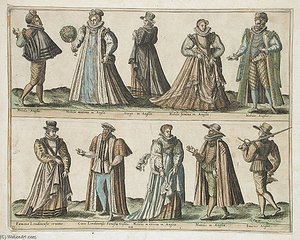
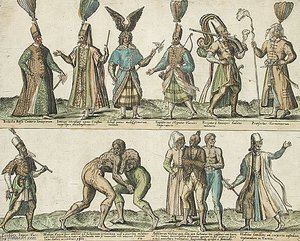
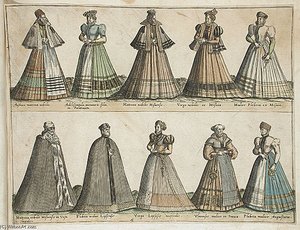
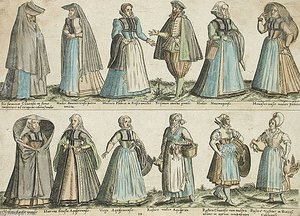
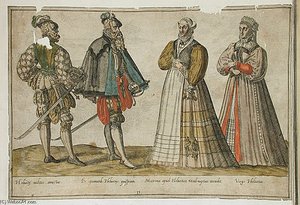
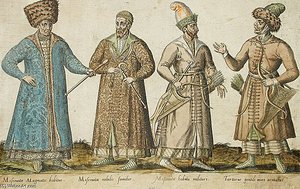
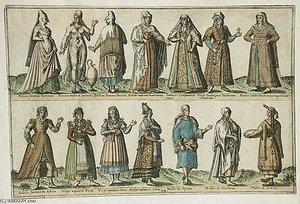
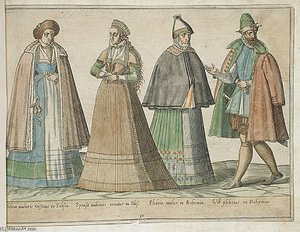
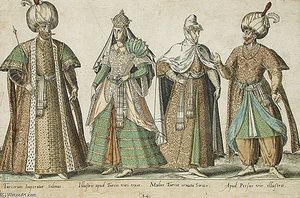
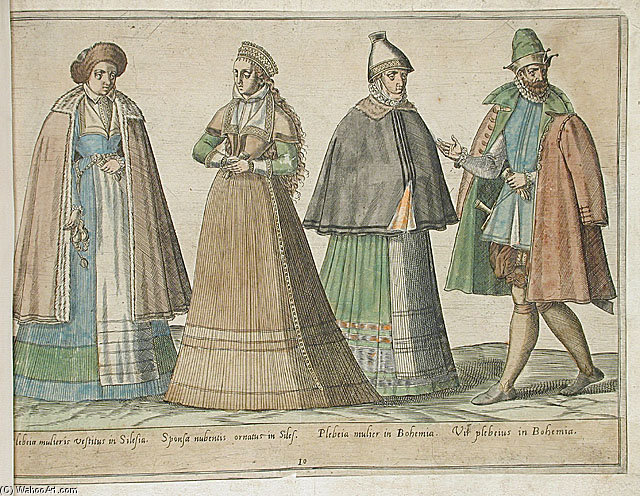
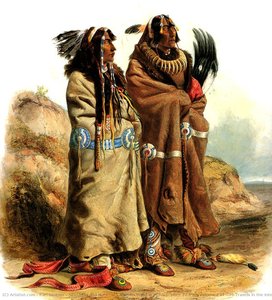
Omnium Pene Europae, Asiae, Aphricae Atque Americae Gentium Habitus_30
 Read More
Hand Made Oil Reproduction
Hand-painted oil on canvas in your size and frame, made to order by our artists. ( Buy Print Buy Image)




































Pick from our preset sizes that match the artwork's original proportions.

You may enter your own dimensions to fit a specific frame or space. If your selected size does not match the original image's proportions, we will either crop the artwork or extend the painting with additional hand-painted elements. A digital mockup will be sent for your approval before production begins.
Please note that the on-screen preview does not reflect the actual cropping or extension. Only the mockup will accurately show the final composition.
While custom sizes are available, we recommend selecting a dimension from the predefined list to preserve the original proportions.
After order, ArtsDot.com team will email client for instructions and provide a mockup preview
Worldwide Delivery () in 3/4 weeks instead of standard 5 weeks. (23 August). No compromise on quality.

Free Worldwide Express Shipping

High-Quality Linen Canvas

Full Shipping Insurance

Customs Tax Refund Guarantee

True Color Matching Guarantee

60-Day Return Policy (Defects Only)

100% Money-Back Guarantee

Bulk Discount Offer
 Glass option is only available in size under 110 CM

Omnium Pene Europae, Asiae, Aphricae Atque Americae Gentium Habitus_30
Reproduction Medium
Reproduction Size
-


Total Price
$ 263
Related Artworks






Artist Biography
Abraham de Bruyn: A Flemish Pioneer of Genealogical Illustration
Abraham de Bruyn (1538 – 1587) stands as a singular figure in the artistic landscape of Antwerp and Renaissance Europe, primarily recognized for his groundbreaking contributions to genealogical illustration—specifically, his monumental chart known as ‘Omnium Pene Europae.’ While overshadowed by contemporaries like Pieter Bruegel the Elder and Jan van Eyck, De Bruyn’s meticulous craftsmanship and innovative approach cemented his place in art history.- Early Life & Training: Born in Antwerp, a thriving hub of artistic patronage during Philip II's reign, De Bruyn received an exceptional education fostered by his father, Pieter de Bruyn, who was himself a respected humanist scholar and artist. This upbringing instilled in him a deep appreciation for classical learning and a commitment to accurate representation—principles that would profoundly shape his artistic endeavors.
- The Art of Engraving & Stylistic Influences: De Bruyn’s mastery lay principally in engraving, a technique he honed with remarkable precision. He drew heavily from the stylistic conventions established by Wierix Zwaansvelt and diligently adhered to the formal standards of the time. However, unlike many engravers of his era who prioritized mere replication, De Bruyn possessed an innate artistic sensibility that allowed him to imbue his prints with subtle nuances of expression.
The Creation of ‘Omnium Pene Europae’
‘Omnium Pene Europae,’ Latin for “All Nations,” represents De Bruyn's magnum opus—a colossal chart depicting the genealogy of Christendom, spanning from Adam to Luther. Commissioned by Cardinal Reginald Pole, a staunch defender of Catholicism during the Reformation, this ambitious project demanded unparalleled skill and dedication. Measuring approximately 3.5 meters in length and exceeding 2.4 meters in height, it was executed with astonishing detail, incorporating intricate illustrations of heraldic emblems, portraits of prominent figures, and meticulously rendered maps showcasing the geographical distribution of Christian kingdoms.- Technical Innovation: De Bruyn’s achievement wasn't merely artistic; it was also technically groundbreaking. He employed a revolutionary method of engraving—a technique known as ‘pointillé,’ which involved perforating the plate with tiny holes to create a grid pattern that ensured exceptional accuracy and consistency across the entire print surface. This innovative approach dramatically improved upon existing methods, elevating the quality of genealogical charts to unprecedented levels.
- Symbolism & Historical Significance: Beyond its sheer scale, ‘Omnium Pene’ is laden with symbolic meaning. The chart served as a powerful visual argument for papal authority and Catholic unity during a period of intense religious conflict. De Bruyn's meticulous attention to detail—from the precise depiction of royal lineages to the subtle shading and hatching techniques employed—reflected the humanist ideals prevalent in Antwerp at the time, emphasizing reason, observation, and scholarly rigor.
Other Notable Works & Artistic Legacy
While ‘Omnium Pene’ remains De Bruyn's most celebrated achievement, he produced numerous other engravings demonstrating his versatility as an artist. Among these are depictions of biblical scenes—particularly those featuring the Old Testament—characterized by their solemn grandeur and masterful execution. His prints exemplify the prevailing artistic trends of the Renaissance, blending classical influences with Christian iconography to create works that were both aesthetically compelling and intellectually stimulating.- Influence on Genealogists & Historians: De Bruyn’s ‘Omnium Pene’ profoundly impacted the field of genealogy and historical scholarship. It became a standard reference for tracing royal lineages and reconstructing family histories, establishing itself as an enduring testament to the power of visual representation in conveying complex narratives.
- A Quiet Master Among Giants: Despite his relatively modest output compared to some of his contemporaries, Abraham de Bruyn’s artistic legacy persists—a quiet reminder that brilliance can emerge from unassuming sources. His unwavering commitment to accuracy and innovation ensured that he would be remembered as a pivotal figure in the history of engraving and a champion of humanist ideals within the vibrant artistic milieu of Antwerp.
Concluding Remarks
Abraham de Bruyn’s contribution to art transcends mere technical proficiency; it embodies a profound engagement with intellectual currents and historical circumstances. His enduring fascination with genealogy—expressed in ‘Omnium Pene Europae’—continues to inspire admiration for his meticulous craftsmanship and unwavering dedication to conveying complex narratives through visual means. He remains an artist whose legacy speaks volumes about the transformative potential of artistic innovation within the context of cultural and religious upheaval.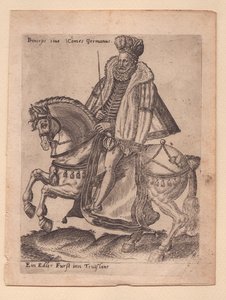
abraham de bruyn
1538 - 1587 , Belgium
Quick Facts
- Artistic Movement Or Style: Renaissance
- Artists Or Movements Influenced By This Artist: ['Baroque']
- Artists Who Influenced This Artist: ['Wierix']
- Date Of Birth: 1538 Antwerp Belgium
- Full Name: Abraham de Bruyn
- Nationality: Flemish
- Notable Artworks:
- Omnium Pene Europae
- North American Indians
- Place Of Birth: Antwerp Belgium