

 Preview
 Send
Send Share
Share
 Details

 Download
 Similars
 X-Ray
X-Ray Diaporama
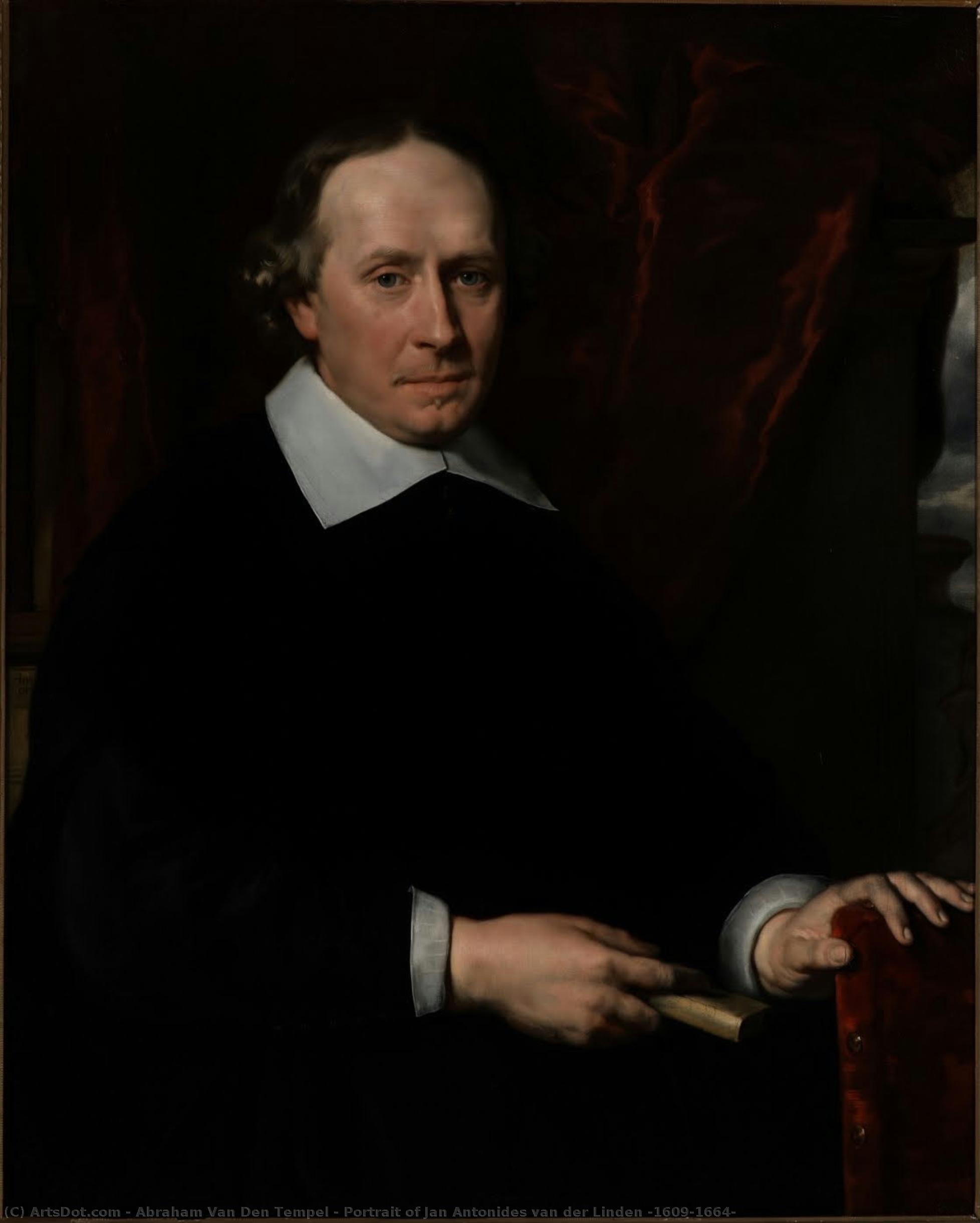
Portrait of Jan Antonides van der Linden (1609-1664)
 Oil On Canvas
- WallArt
- Dutch Golden Age
 1660
1660 88.0 x 71.0 cm
 Mauritshuis
 Read More
Purchase a high-resolution, enhanced digital image, far superior to the online preview.
Each file is meticulously prepared by our in-house specialists using advanced tools and expert manual retouching. We ensure every image has exceptional clarity, precise color accuracy, and fine detail.
The final file is delivered via email within 72 hours, optimized for immediate use in professional, editorial, and print environments. This is the same quality trusted by top-tier design studios, publishers, and galleries.
Digital Image
Download a high-resolution file for personal display, printing, and creative projects. ( Buy Print Buy Hand Made Painting)
Included in Every Digital Image Order
Expert Digital Delivery, Guaranteed
When you choose ArtsDot.com, you're not just getting an image - you're receiving a professionally enhanced digital artwork, crafted with precision and backed by a satisfaction guarantee. Here's everything that comes with your order, automatically:

Fast Email Delivery
Your high-resolution digital image file will be emailed to you within 72 hours of ordering - ready for immediate use.

AI-Enhanced Digital File
Your artwork is professionally optimized using advanced AI tools and manual editing, ensuring maximum detail, clarity, and color accuracy.

Free Lifetime Re-Delivery
Accidentally deleted or lost your file? No worries - we'll resend it to you anytime, free of charge.

No Import Fees - Ever
Enjoy your artwork instantly with zero customs, duties, or delivery fees - digital downloads are always tax-free.

Color Accuracy Guarantee
We ensure your digital image reflects the original colors as closely as possible using professional tools and color management.

60-Day Satisfaction Guarantee
If you're not satisfied with your digital image, we'll revise it or refund 100% within 60 days - no questions asked.

100% Money-Back Guarantee
Not satisfied? Get a full refund within 60 days of receiving your digital file - no questions asked.

Bulk Order Discounts
Buy 3 images, save 10% - Buy 5, save 15% - Buy 10+, save 20%. Great for creative projects, galleries, and agencies.
A Dignified Gaze: Abraham van den Tempel’s Portrait of Jan Antonides van der Linden
Abraham van den Tempel's 1660 portrait of Jan Antonides van der Linden is more than a simple likeness; it’s a meticulously crafted window into the social and intellectual landscape of early 17th-century Holland. The painting immediately commands attention with its formal composition, a testament to the conventions of Dutch Golden Age portraiture – a tradition deeply rooted in showcasing status, wealth, and refined character. The subject, Jan Antonides van der Linden, a man of considerable standing, is presented three-quarters facing the viewer, his gaze direct and imbued with an air of quiet authority. This deliberate positioning invites engagement, drawing us into a carefully orchestrated tableau of power and contemplation.
Van den Tempel’s mastery lies not just in capturing a physical likeness but in conveying a sense of personality through subtle details. The stark contrast between the dark, richly textured clothing – deep reds and browns dominating the palette – and the pristine white collar and cuffs immediately establishes a hierarchy of visual weight. The lighting, a dramatic chiaroscuro effect, sculpts Van der Linden’s features, highlighting his face and hands while leaving much of the background shrouded in shadow. This technique isn't merely aesthetic; it serves to emphasize the subject’s importance and create an atmosphere of solemnity.
A Symphony of Texture and Technique
The painting’s surface is a testament to Van den Tempel’s exceptional skill as an oil painter. Close examination reveals a remarkable level of detail, from the intricate folds of the fabric – meticulously rendered with short, precise brushstrokes – to the subtle variations in tone that give the skin a believable texture. The artist skillfully employs layering and glazing techniques to build up depth and luminosity, creating a sense of three-dimensionality that is remarkably convincing. The use of impasto—thickly applied paint—is particularly evident in areas like the drapery, adding tactile richness and visual interest.
Beyond technical proficiency, Van den Tempel demonstrates an astute understanding of color theory. The restrained palette – dominated by earth tones and muted reds – contributes to the painting’s overall sense of gravitas and formality. The strategic use of highlights and shadows not only enhances the three-dimensionality of the figure but also subtly directs the viewer's eye, guiding them through the composition.
Symbolism and Context
The inclusion of a book or document in Van der Linden’s hands is laden with symbolic meaning. In this era, such an object represented not just literacy but also intellectual prowess, legal authority, and civic engagement – qualities highly valued in a prominent figure. The carefully chosen attire—the rich fabrics and elaborate details—further reinforce his status as a man of wealth and influence within the Dutch Republic. Considering the historical context, painted during the height of the Dutch Golden Age, this portrait reflects a society deeply invested in art, commerce, and intellectual pursuits.
Furthermore, research into Abraham van den Tempel reveals an intriguing background – born Sybren van Haersma Buma in Leeuwarden, Netherlands, he was influenced by his Frisian heritage and the rise of Dutch nationalism. His career as a politician and public servant shaped his artistic perspective, evident in the dignified portrayal of Van der Linden. The painting stands as a powerful representation of both individual identity and broader societal values.
A Timeless Masterpiece – Reimagined
Reproductions of this iconic portrait offer an exceptional opportunity to bring the artistry of Abraham van den Tempel into any setting. Whether adorning a formal study or adding a touch of classic elegance to a living room, this work continues to resonate with its timeless beauty and profound sense of human dignity. The meticulous detail and masterful technique ensure that each reproduction captures the essence of the original, allowing viewers to appreciate the artistry and historical significance of this remarkable painting.
Related Artworks


Artist Biography
Early Life and Influences (1887-1905)
- Born Sybren van Haersma Buma on January 13, 1887, in Leeuwarden, Netherlands.
- Came from a noble Frisian family with historical ties to the region's governance and land ownership.
- Early exposure to Frisian culture, language, and history significantly shaped his worldview and artistic interests. Frisian identity became central to his work.
- Initially showed an aptitude for law but ultimately pursued a career in politics and public service.
- Influenced by the rise of Dutch nationalism and the growing desire for greater autonomy within the Kingdom of Netherlands.
Political Career and Public Service (1905-1940)
- Began his political career as a member of the conservative Protestant Union party in Leeuwarden's city council.
- Rapidly ascended through the ranks, gaining recognition for his strong leadership skills and commitment to traditional values.
- Served as a member of the Frisian States (provincial parliament) from 1918 onwards, representing the Protestant Union.
- Became known for advocating for policies that supported agriculture, small businesses, and rural communities. Rural interests were paramount.
- Held various positions within the provincial government, including serving as a deputy governor (vice-governor) from 1933 to 1940.
Role During World War II and Occupation (1940-1945)
- During the German occupation of the Netherlands (1940-1945), Buma faced a difficult situation as a public official.
- Attempted to navigate the complex political landscape while resisting collaboration with the occupying forces. Resistance was subtle but present.
- Played a role in supporting Frisian cultural institutions and organizations that were threatened by German censorship and suppression.
- Reportedly helped individuals who were persecuted for their religious beliefs or political affiliations.
- His actions during the occupation remain subject to historical debate, with some scholars arguing that he could have done more to actively oppose the Germans.
Post-War Career and Legacy (1945-1978)
- After the liberation of the Netherlands in 1945, Buma resumed his political career.
- Served as a member of the Dutch House of Representatives (national parliament) from 1946 to 1962, representing the Protestant Union.
- Became a prominent voice for conservative and Christian-democratic values in Dutch politics.
- Advocated for policies that supported family values, religious freedom, and economic stability.
- Retired from active political life in 1962 but remained involved in various civic organizations.
- Died on December 28, 1978, in Leeuwarden, leaving behind a legacy as a respected politician and public servant who dedicated his life to serving the people of Friesland and the Netherlands. Frisian service defined his career.
Historical Significance
- Represented a generation of conservative politicians who sought to preserve traditional values in a rapidly changing world.
- Played a role in shaping Dutch politics during a period of significant social and economic transformation.
- His actions during World War II remain subject to historical debate, but he is generally regarded as having resisted collaboration with the occupying forces.
- Remembered for his commitment to serving the people of Friesland and the Netherlands, and for his dedication to upholding Christian-democratic values. Christian values were central.
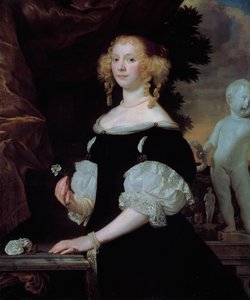
abraham lambertsz. van den tempel
1622 - 1672 , Netherlands
Quick Facts
- Artistic Movement Or Style: Governing coalition
- Full Name: Sybrand van Haersma Buma
- Nationality: Dutch

