 Preview
 Send
Send Share
Share
 Details

 Download
 Similars
 X-Ray
X-Ray Diaporama
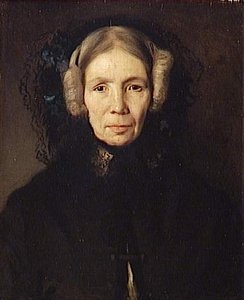
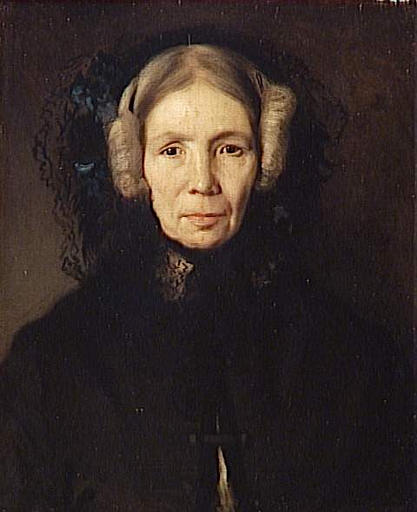
PORTRAIT D'UNE FEMME AGEE


 Read More
Hand Made Oil Reproduction
Hand-painted oil on canvas in your size and frame, made to order by our artists. ( Buy Print Buy Image)




P118B $10

P118H $10

P118W $10

P438Z $10

P508JH $12

P508YH $12

P805H $10

P805Z $10

P919BZ $10

P919G $10

P919XJ $10

P959ZH $10

P968JZ $12

W106C $8

W218G $10

W218JH $8

W218Y $10

W307PJ $10

W316G $10

W316PJ $8

W316Y $10

W398PJ $8

W4111J $10

W500HY $15

W500JH $15

W692G $12

W849H $8

W940BG $15

W953PJ $8




Pick from our preset sizes that match the artwork's original proportions.

You may enter your own dimensions to fit a specific frame or space. If your selected size does not match the original image's proportions, we will either crop the artwork or extend the painting with additional hand-painted elements. A digital mockup will be sent for your approval before production begins.
Please note that the on-screen preview does not reflect the actual cropping or extension. Only the mockup will accurately show the final composition.
While custom sizes are available, we recommend selecting a dimension from the predefined list to preserve the original proportions.
After order, ArtsDot.com team will email client for instructions and provide a mockup preview
Worldwide Delivery () in 3/4 weeks instead of standard 5 weeks. (17 August). No compromise on quality.

Free Worldwide Express Shipping

High-Quality Linen Canvas

Full Shipping Insurance

Customs Tax Refund Guarantee

True Color Matching Guarantee

60-Day Return Policy (Defects Only)

100% Money-Back Guarantee

Bulk Discount Offer
 Glass option is only available in size under 110 CM

PORTRAIT D'UNE FEMME AGEE
Reproduction Medium
Reproduction Size
-


Total Price
$ 263
Artwork Description
A Timeless Portrait of Dignity and Reflection
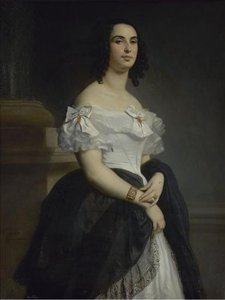
Louis Boulanger's "Portrait d'une femme âgée" (Portrait of an Elderly Woman) is more than just a depiction of aging; it’s a profound meditation on time, wisdom, and the quiet dignity inherent in a life well-lived. Painted circa 1858, this oil-on-canvas masterpiece resides within the esteemed collection of the Louvre Museum, offering viewers a rare glimpse into the sensibilities of a pivotal figure in French Romanticism. Boulanger, deeply influenced by the classical traditions of Ingres while simultaneously embracing the emotional intensity of his era, crafted an image that transcends mere representation, instead conveying a palpable sense of inner life.
The painting immediately draws the eye to its subject – a woman whose face bears the intricate map of years. Her features are rendered with meticulous detail: the delicate lines etched around her eyes and mouth speak volumes about experience, while the subtle modeling of her skin reveals an understanding of light and shadow that is both masterful and deeply empathetic. The muted color palette—primarily deep browns, grays, and ochres—contributes to a mood of contemplative seriousness, inviting the viewer to linger in the stillness of the scene. The use of dark tones around the face creates a sense of intimacy, as if we are privy to a private moment of reflection.
The Romantic Spirit and Boulanger’s Artistic Evolution
Boulanger's artistic journey is marked by a fascinating evolution. Initially trained in the rigorous traditions of the École des Beaux-Arts, he quickly embraced the tenets of Romanticism, evident in his dramatic compositions and emotionally charged subjects. However, as the 1840s unfolded, Boulanger began to temper his romantic fervor with a renewed appreciation for classical ideals, particularly those championed by Ingres. This shift is powerfully reflected in "Portrait d'une femme âgée," where the artist skillfully balances the emotional intensity of Romanticism with the precise observation and anatomical accuracy characteristic of Neoclassicism. The painting represents a high point in Boulanger’s career, showcasing his ability to synthesize diverse influences into a uniquely compelling style.
The historical context surrounding this work is equally important. Painted during a period of significant social and political change in France, "Portrait d'une femme âgée" can be interpreted as a reflection on the passage of time and the enduring value of experience. Boulanger’s subject embodies a sense of resilience and grace, suggesting that wisdom and dignity are not diminished by age but rather enriched through a lifetime of challenges and triumphs. The painting also subtly alludes to the themes of mortality and remembrance, prompting viewers to contemplate their own legacies.
Symbolism and Emotional Resonance
Beyond its technical brilliance, "Portrait d'une femme âgée" is rich in symbolic meaning. The woman’s veiled countenance adds an element of mystery and intrigue, suggesting a hidden depth of character. The veil itself can be interpreted as a symbol of modesty, remembrance, or perhaps even the passage into another realm. Her gaze, directed slightly off-center, invites the viewer to engage with her on a deeper level, fostering a sense of connection and empathy. The overall composition—centered around the subject’s face—emphasizes her presence and reinforces the painting's focus on inner life.
Ultimately, "Portrait d'une femme âgée" is a testament to Boulanger’s artistic vision and his ability to capture the essence of human experience. It remains a powerful and moving work of art, offering viewers a timeless meditation on age, wisdom, and the enduring beauty of the human spirit. Reproductions of this iconic portrait continue to resonate with audiences today, serving as reminders of the profound insights that can be found in a single, exquisitely rendered image.
Related Artworks
Artist Biography
Louis Boulanger: A Romantic Visionary
Louis Boulanger (1806 – 1867) stands as a prominent figure in French Romantic painting, an artist whose dramatic canvases captured the spirit of his era and cemented his place within the artistic landscape of mid-century Paris. Born in Paris, Boulanger’s formative years were steeped in classical training—he enrolled at the École des Beaux-Arts where he honed his skills under Guillaume Guillon Lethière—a foundation that would profoundly shape his artistic style and sensibility. This disciplined approach contrasted sharply with the burgeoning emotional fervor of Romanticism, yet Boulanger skillfully blended tradition with innovation to produce works imbued with both grandeur and psychological depth.- Early Influences & Training: Boulanger’s education instilled in him a meticulous attention to detail and an understanding of anatomical precision—traits evident throughout his oeuvre. He particularly admired the works of Ingres, whose classical idealism served as a guiding principle for Boulanger's artistic endeavors.
- The Prix de Rome Prize & Eugène Devéria: Recognizing his talent, Boulanger secured a prestigious Prix de Rome scholarship in 1824, allowing him to travel extensively throughout Italy and immerse himself in the artistic heritage of antiquity. His collaboration with Eugène Devéria fostered intellectual exchange and broadened his artistic horizons, influencing his stylistic choices.
A Parisian Romantic Circle & Dramatic Narrative
Boulanger’s artistic career flourished within the vibrant Parisian Romantic circle—a milieu characterized by passionate debates about art and literature, fueled by political upheaval and social reform. He befriended Victor Hugo and numerous other writers and artists who championed expressive emotion and imaginative storytelling. This environment undeniably impacted Boulanger's artistic vision, encouraging him to prioritize dramatic narrative and theatrical composition. His paintings frequently depicted historical events with visceral intensity, conveying the emotional turmoil of the time—a hallmark of Romantic aesthetics.- Salon Successes & Recognition: Boulanger achieved considerable acclaim at the Salon exhibitions of 1827 and 1831, notably securing a medal for “La naissance d’Henri IV” alongside Devéria's monumental canvas. These successes propelled him to prominence within the artistic community and solidified his reputation as a masterful storyteller.
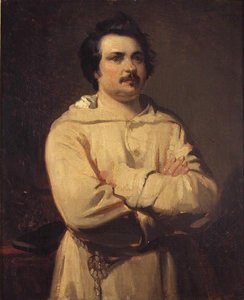
- Notable Paintings: Among Boulanger’s most celebrated works are "Mazeppa," a stirring depiction of Mickiewicz’s epic poem, showcasing his ability to convey heroism and pathos; “La mort de Sardanapale,” a collaborative effort with Delacroix that captures the horror and grandeur of Napoleonic warfare; and “Portrait d’Honoré de Balzac,” an iconic portrayal of Balzac rendered in exquisite detail—a testament to Boulanger's technical prowess and artistic sensitivity.
Illustrations & Artistic Style: Fantastical Visions
Beyond his easel paintings, Boulanger distinguished himself as a prolific illustrator, notably collaborating with Victor Hugo and Alexandre Dumas on literary adaptations. His lithographs—particularly “La ronde du sabbat”—embraced a distinctive stylistic approach characterized by fantastical imagery and unsettling atmosphere—a trend reflecting the anxieties of the Romantic period. Boulanger’s meticulous technique—characterized by smooth brushstrokes and subtle tonal gradations—created canvases imbued with luminosity and emotional resonance. He skillfully employed chiaroscuro to heighten dramatic impact, emphasizing contrasts between light and shadow and conveying psychological complexity.Legacy & Historical Significance
Louis Boulanger's contribution to French Romantic painting remains significant for its unflinching portrayal of human emotion and its masterful execution. His canvases continue to inspire admiration for their grandeur, dynamism, and psychological depth—qualities that resonate powerfully with audiences today. Furthermore, Boulanger’s association with literary giants like Hugo solidified his place within the cultural history of 19th-century France, ensuring that his artistic legacy would endure as a symbol of Romantic idealism and dramatic narrative. His work resides prominently in institutions such as Saint Louis Art Museum and Maison Victor Hugo, guaranteeing its accessibility to future generations eager to appreciate the enduring beauty and power of Romantic art.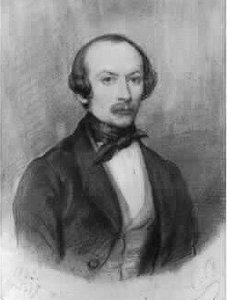
Louis Boulanger
1807 - 1867
Quick Facts
- Artistic Movement Or Style: Romanticism
- Artists Or Movements Influenced By This Artist: ['Victorian Art']
- Artists Who Influenced This Artist:
- Eugène Delacroix
- Eugène Devéria
- Date Of Birth: 1806
- Date Of Death: 1867
- Full Name: Louis Boulanger
- Nationality: French
- Notable Artworks:
- Mazeppa
- Portrait d’Honoré de Balzac
- La ronde du sabbat
- Place Of Birth: Paris, France
Related Articles

Dutch Masters: 10 Golden Age Paintings That Still Inspire |
Journey into the Dutch Golden Age! Explore 10 iconic paintings by Rembrandt, Vermeer & Hals. Discover the stories behind these Baroque masterpieces and find museum-quality art reproductions to elevate your home decor on .

Golden Age Reflections: Dutch Baroque Painting & Cultural Innovation
Explore the Dutch Golden Age of painting! Discover key artists like Vermeer & ter Borch, their innovative techniques, and the rich cultural context behind these Baroque masterpieces. Learn about collecting & appreciating this iconic art period.

Illuminating Innovation: Exploring the Dutch Golden Age of Painting
Explore the Dutch Golden Age of painting with ArtsDot. Discover Rembrandt, Vermeer & other Masters. Learn about key characteristics, iconic artworks, and lasting influence. Expert insights for collectors & enthusiasts.

Illuminating Realism: Exploring the Dutch Golden Age of Painting (1600-1700)
Explore the Dutch Golden Age of painting (1600-1700) with ArtsDot. Discover Rembrandt, Vermeer & other masters. Learn about techniques, history & find museum-quality reproductions.
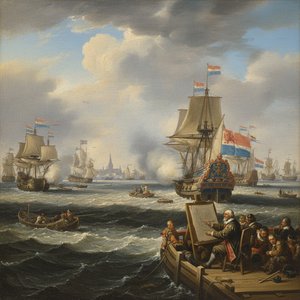
Willem van de Velde the Elder: Master of Maritime Painting & Chronicler of the Dutch Golden Age
Discover the captivating maritime paintings of Willem van de Velde the Elder, a master chronicler of the Dutch Golden Age. Explore his unparalleled realism and lasting influence on naval art history.