 Preview
 Send
Send Share
Share
 Details

 Download
 Similars
 X-Ray
X-Ray Diaporama
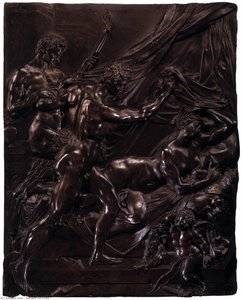
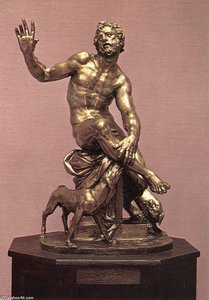
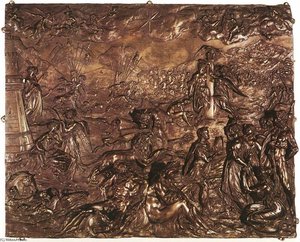
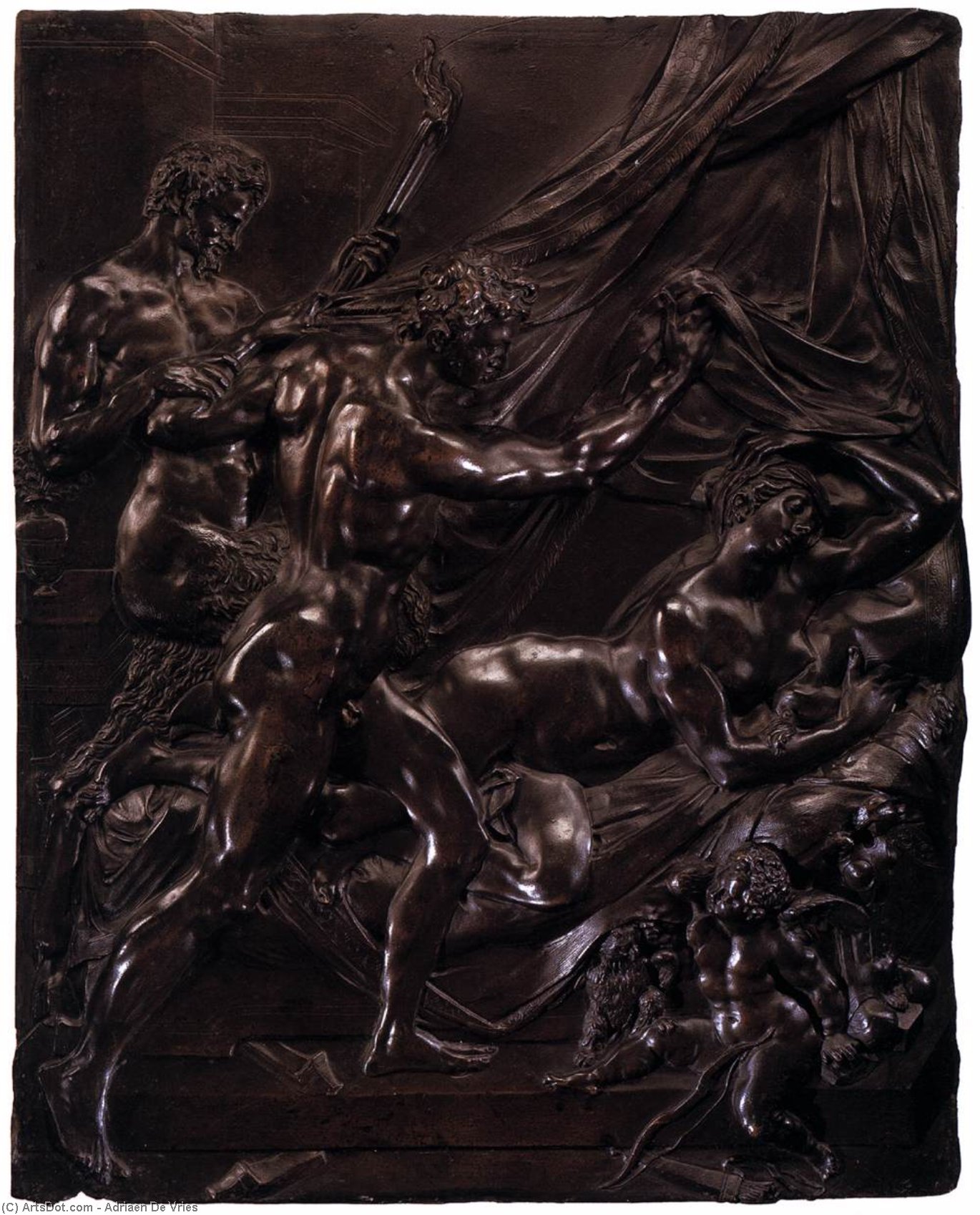
Bacchus Discovering Ariadne on Naxos
 Oil
Oil- WallArt
- Baroque
 1610
1610- Early Modern
 52.0 x 42.0 cm
 Rijksmuseum
 Read More
Giclée / Art Print
Museum-quality giclée or canvas print with fast production and flexible finish options. ( Buy Hand Made Painting Buy Image)




P118B $10

P118H $10

P118W $10

P438Z $10

P508JH $12

P508YH $12

P805H $10

P805Z $10

P919BZ $10

P919G $10

P919XJ $10

P959ZH $10

P968JZ $12

W106C $8

W218G $10

W218JH $8

W218Y $10

W307PJ $10

W316G $10

W316PJ $8

W316Y $10

W398PJ $8

W4111J $10

W500HY $15

W500JH $15

W692G $12

W849H $8

W940BG $15

W953PJ $8




Pick from our preset sizes that match the artwork's original proportions.

You may enter your own dimensions to fit a specific frame or space. If your selected size does not match the original image's proportions, we will either crop the artwork or extend the image with a mirrored or solid-fill edge. A digital mockup will be sent for your approval before production begins.
Please note that the on-screen preview does not reflect the actual cropping or extension. Only the mockup will accurately show the final composition.
While custom sizes are available, we recommend selecting a dimension from the predefined list to preserve the original proportions.
Worldwide Delivery () in 2 weeks instead of standard 4/5 weeks. (17 August)

Free Worldwide Express Shipping

High-Quality Linen Canvas

Full Shipping Insurance

Customs Tax Refund Guarantee

True Color Matching Guarantee

60-Day Return Policy (Defects Only)

100% Money-Back Guarantee

Bulk Discount Offer
 Glass option is only available in size under 110 CM

Bacchus Discovering Ariadne on Naxos
Giclée / Art Print
Reproduction Size
-


Total Price
$ 63
Collectible Description
A Moment of Divine Encounter
In the evocative masterpiece Bacchus Discovering Ariadne on Naxos, created by the skilled hand of Adriaen de Vries around 1610, we are transported to a realm where the mortal and the divine collide. The painting captures a pivotal moment of mythological drama: the instant the god Bacchus stumbles upon the abandoned Ariadne. There is an undeniable tension held within the composition, a sense of breathless anticipation that draws the viewer into the heart of the Mediterranean myth. As the eye wanders through the scene, one perceives not just a meeting of figures, but a profound intersection of fate and passion. The dynamic arrangement of characters suggests a world in motion, where every gesture carries the weight of destiny.
The artistry of De Vries shines through in the intricate way he handles the human form and the surrounding atmosphere. While the central focus rests upon the intense interaction between the figures, the painting breathes with a secondary layer of life found in the peripheral characters. These onlookers, positioned at the edges of the frame, serve to heighten the sense of a shared, unfolding event, as if we are voyeurs to a sacred ritual. The technique employs a rich, layered approach that lends a sculptural quality to the bodies, making the struggle and the discovery feel tangible. For the discerning collector, this piece offers more than just visual beauty; it provides a window into the Baroque fascination with movement, drama, and the visceral reality of mythic legends.
Symbolism and the Language of Emotion
Beyond the surface level of the narrative, Bacchus Discovering Ariadne on Naxos serves as a profound meditation on themes of abandonment and unexpected salvation. The presence of Bacchus—the god of wine, ecstasy, and madness—symbolizes a transformative force that enters the life of the forsaken Ariadne to turn her sorrow into divine inspiration. The composition utilizes light and shadow to emphasize this emotional shift, guiding the viewer from the darker, more turbulent elements of the background toward the luminous revelation at the center. This interplay of light acts as a metaphor for clarity emerging from confusion, or hope rising from despair.
For interior designers and lovers of classical art, this work offers an unparalleled emotional depth that can anchor a room with sophistication and storytelling power. The painting does not merely decorate a space; it commands it, inviting conversation about the complexities of human connection and the whims of fortune. Whether displayed in a grand gallery or a curated private study, a high-quality reproduction of this piece brings with it an aura of historical prestige and a timeless, romantic elegance that resonates across centuries.
Related Artworks
Artist Biography
Lorenzo Lotto: A Life of Quiet Intensity
Lorenzo Lotto (c. 1480 – 1556/57) remains one of the most intriguing and deliberately obscure figures in Renaissance art. Often relegated to a footnote in the grand narratives of Venetian and Florentine painting, his career was characterized by constant movement, an idiosyncratic style, and a profound sense of unease that permeated his work. He wasn’t a flamboyant innovator or a court painter seeking fame; rather, Lotto was a deeply personal artist, driven by a restless spirit and a unique ability to capture the psychological complexities of his subjects. His story is one of quiet intensity, marked by both periods of remarkable productivity and frustrating obscurity.
Born in Venice – though the exact details of his early life remain shrouded in mystery – Lotto’s artistic training is debated. While traditionally associated with Giovanni Bellini, a connection that's now viewed with increasing skepticism, it’s clear he absorbed influences from a wider range of sources. Early works like the Virgin and Child with St. Jerome (1506) demonstrate a nascent Giorgionesque naturalism, characterized by soft light, atmospheric perspective, and an emphasis on capturing fleeting moments. However, Lotto quickly developed his own distinctive voice, moving beyond mere imitation to forge a style that was both unsettling and profoundly affecting.
A Wandering Career
Unlike many of his contemporaries who established themselves within the patronage networks of powerful families or city-states, Lotto’s career was marked by constant travel. He spent his formative years in Treviso (1503–1506), followed by periods in Rome (1508–1510), Bergamo (1513–1525), and Venice (1525–1549). He also worked extensively in the Marches, particularly in Ancona, and later served as a lay brother at the monastery of Loreto until his death in 1556/57. This peripatetic existence reflects not only his personal temperament – described by some contemporary accounts as troubled and melancholic – but also a pragmatic approach to securing commissions. He wasn’t reliant on a single patron; instead, he cultivated relationships with a diverse range of clients, from wealthy merchants to religious institutions.
His artistic output during this period is remarkably uneven. Some works, like the Annunciation (c. 1527) at the Pinacoteca Civica in Recanati, are breathtakingly inventive and emotionally charged – a riot of color, dramatic lighting, and unsettling details, including a particularly memorable startled cat. These pieces showcase Lotto’s mastery of composition, his ability to create a palpable sense of atmosphere, and his willingness to experiment with unconventional poses and expressions. However, many other works, while technically proficient, lack the same emotional depth and originality.
Style and Technique
Lotto's style is notoriously difficult to categorize. He drew inspiration from a variety of sources – Venetian painting, Florentine naturalism, and even Northern European influences – but he never fully assimilated any single tradition. His figures are often rendered with a remarkable degree of realism, yet they’re simultaneously imbued with an air of psychological tension. He frequently employed distorted perspectives, exaggerated gestures, and unsettling facial expressions to convey a sense of unease or inner turmoil.
His use of color is particularly noteworthy. Lotto was known for his vibrant palette – rich reds, blues, and greens – but he also possessed a subtle understanding of how to create depth and atmosphere through the skillful manipulation of light and shadow. He frequently employed *chiaroscuro*, using dramatic contrasts between light and dark to heighten the emotional impact of his compositions.
Legacy and Significance
For centuries, Lotto’s work was largely ignored by art historians, overshadowed by the more celebrated figures of Bellini, Titian, and Raphael. However, in the mid-19th century, Bernard Berenson's influential monograph on Lotto sparked a renewed interest in his art. Berenson recognized Lotto’s unique vision and argued that he represented a crucial transitional stage between the High Renaissance and Mannerism.
Today, Lotto is increasingly appreciated for his psychological depth, his innovative use of color and composition, and his ability to capture the complexities of human emotion. His paintings offer a rare glimpse into the inner lives of his subjects – a testament to the power of art to reveal not just what we see, but also what we feel.
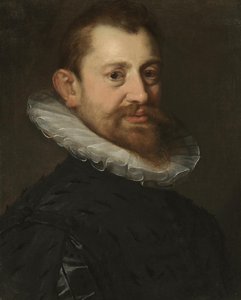
adriaen de vries
1556 - 1626 , Netherlands
Quick Facts
- Artistic Movement Or Style: High Renaissance, Mannerism
- Artists Or Movements Influenced By This Artist: ['Correggio']
- Artists Who Influenced This Artist:
- Giovanni Bellini
- Giorgione
- Date Of Birth: c. 1480
- Date Of Death: 1556/57
- Full Name: Lorenzo Lotto
- Nationality: Italian
- Notable Artworks:
- Annunciation (c.1527)
- Young Man in his Study (c.1527)
- Place Of Birth: Venice, Italy
Related Articles

The Visceral Stage: Exploring Dramatic Narratives & Emotional Intensity in Baroque Art
Explore the dramatic world of Baroque art! Discover iconic masters like Caravaggio & Rembrandt, their techniques, and the movement's lasting impact. Expert insights for collectors & enthusiasts at ArtsDot.
The Dramatic Flourish: Exploring Baroque Painting's Emotional Intensity & Artistic Innovations
Explore the dramatic world of Baroque painting! Discover its history, defining characteristics, iconic artists like Caravaggio & Rubens, and lasting influence on Western art. Expert insights for collectors.

The Dramatic Flourish: Exploring the Baroque Movement's Enduring Legacy in Art History
Explore the dramatic world of Baroque art! Discover iconic artists like Caravaggio & Rubens, defining techniques, and its lasting impact on art history. Expert insights for collectors & enthusiasts at ArtsDot.
Theatricality & Triumph: Baroque Drama in Painting & Sculpture
Explore the dramatic world of Baroque art! Discover its history, defining characteristics, & lasting influence on painting & sculpture. Expert insights into Caravaggio, Zurbarán, and Bernini – plus high-quality reproductions at ArtsDot.

Baroque Masterpieces: 10 Paintings That Defined an Era |
Journey through the drama & grandeur of Baroque art! Explore 10 masterpieces by Caravaggio, Rembrandt, Rubens & more. Discover stunning oil paintings, rich colors & timeless stories. Find museum-quality reproductions at .