 Preview
 Send
Send Share
Share
 Details

 Download
 Similars
 X-Ray
X-Ray Diaporama
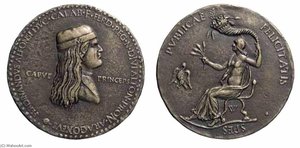
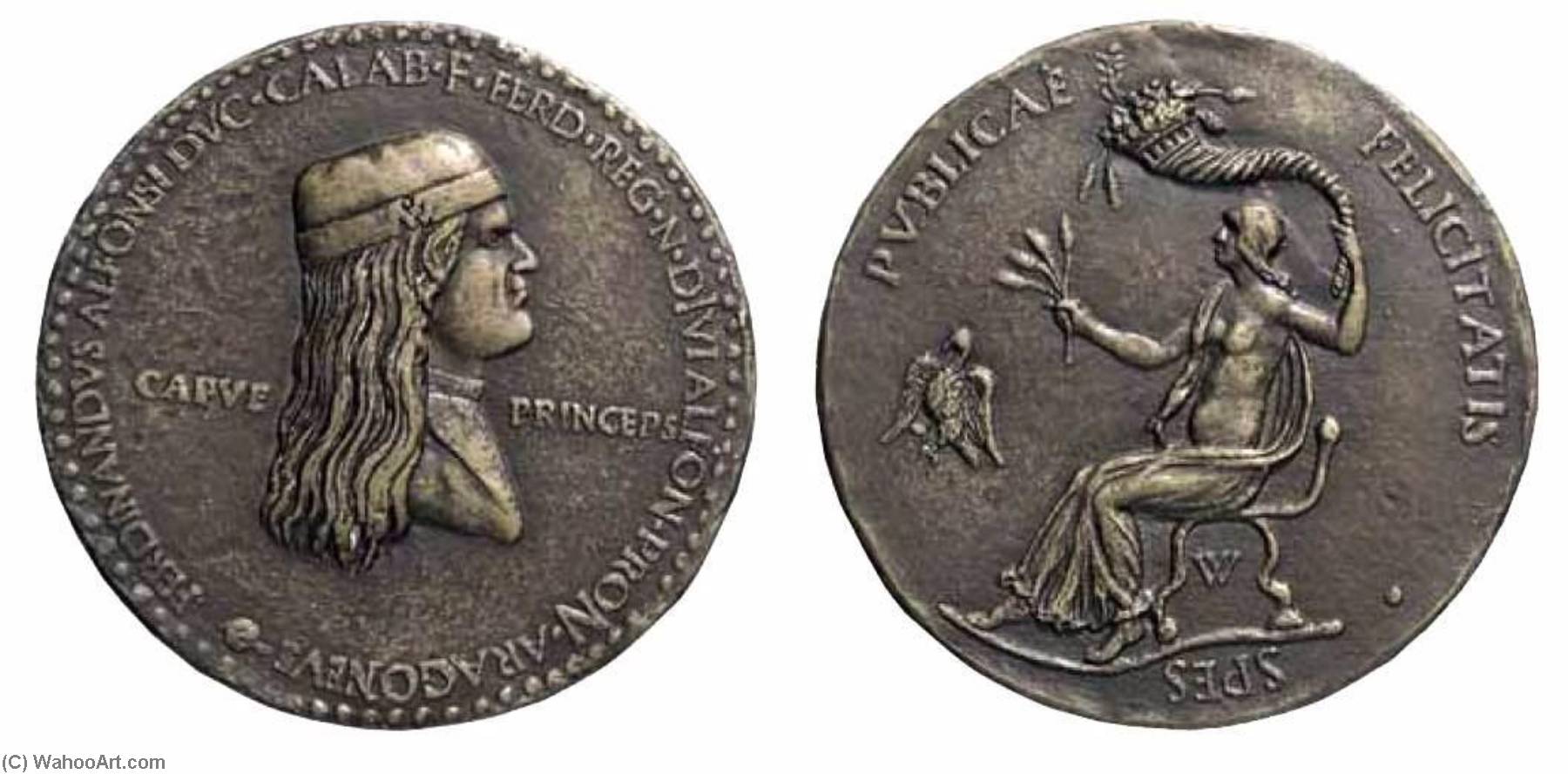
Medal of Ferdinand II


 Read More
Hand Made Oil Reproduction
Hand-painted oil on canvas in your size and frame, made to order by our artists. ( Buy Print Buy Image)




































Pick from our preset sizes that match the artwork's original proportions.

You may enter your own dimensions to fit a specific frame or space. If your selected size does not match the original image's proportions, we will either crop the artwork or extend the painting with additional hand-painted elements. A digital mockup will be sent for your approval before production begins.
Please note that the on-screen preview does not reflect the actual cropping or extension. Only the mockup will accurately show the final composition.
While custom sizes are available, we recommend selecting a dimension from the predefined list to preserve the original proportions.
After order, ArtsDot.com team will email client for instructions and provide a mockup preview
Worldwide Delivery () in 3/4 weeks instead of standard 5 weeks. (25 August). No compromise on quality.

Free Worldwide Express Shipping

High-Quality Linen Canvas

Full Shipping Insurance

Customs Tax Refund Guarantee

True Color Matching Guarantee

60-Day Return Policy (Defects Only)

100% Money-Back Guarantee

Bulk Discount Offer
 Glass option is only available in size under 110 CM

Medal of Ferdinand II
Reproduction Medium
Reproduction Size
-


Total Price
$ 263
Artwork Description
A Glimpse into Renaissance Power: Adriano Fiorentino's "Medal of Ferdinand II"
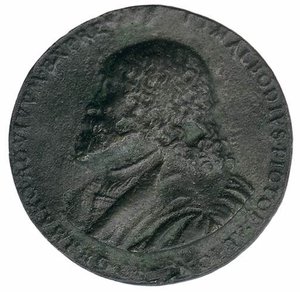
This exquisite pair of bronze medals, crafted by the skilled hand of Adriano Fiorentino around 1494, offers a fascinating window into the world of Renaissance royalty and artistic patronage. More than mere currency, these medallions served as powerful symbols of authority, commemorating Ferdinand II of Naples and his reign. The close-up view presented here allows for an appreciation of the intricate detail and masterful craftsmanship that define Fiorentino’s work.
Subject & Historical Context
The medals depict Ferdinand II of Naples, son of Alfonso II, who briefly reigned from 1495 to 1496 amidst the turbulent Italian Wars. This period was marked by shifting alliances, French invasions, and a constant struggle for power amongst various Italian states. Ferdinand’s reign was short-lived, ending with his abdication in favor of his uncle, Frederick IV, due to the imminent threat posed by Charles VIII of France. These medals were likely commissioned during his brief time as King, serving as propaganda tools to solidify his image and legitimacy.
- The First Medal: Features a regal portrait of a woman, presumed to be a member of the Neapolitan royal family, adorned with a crown – symbolizing her status and power.
- The Second Medal: Depicts Ferdinand II alongside another figure (likely his wife or consort), showcasing a united front and reinforcing the idea of dynastic continuity.
Artistic Style & Technique
Adriano Fiorentino was a master of Renaissance portraiture, known for his detailed realism and ability to capture individual character. These medals exemplify his skill in relief sculpture – a technique where figures are raised from a flat background. The bronze casting process itself would have been complex, requiring precision and expertise. Observe the fine lines detailing clothing, hair, and facial features; these demonstrate Fiorentino’s exceptional artistry.
- Renaissance Realism: Fiorentino's style reflects the Renaissance emphasis on accurate representation of human form and detail.
- Relief Sculpture: The medals are created using a relief technique, where figures project from a flat surface, creating depth and dimension.
- Bronze Casting: The use of bronze, a durable and prestigious material, further elevates the significance of these medallions.
Symbolism & Emotional Impact
Beyond their aesthetic appeal, these medals are rich in symbolism. Crowns represent royal authority, while the careful depiction of clothing and jewelry signifies status and wealth. The portraits themselves aim to convey a sense of dignity, strength, and competence – qualities expected of a ruler. While Ferdinand II’s reign was ultimately unsuccessful, these medallions offer a glimpse into his aspirations and the image he sought to project. The intricate details evoke a sense of admiration for the artistry and provide insight into the values and ideals of Renaissance society.
Owning a reproduction of this "Medal of Ferdinand II" allows you to bring a piece of Renaissance history and artistic brilliance into your home or office, sparking conversation and inspiring appreciation for the enduring legacy of Adriano Fiorentino's work. It’s a timeless investment that blends historical significance with aesthetic beauty.
Related Artworks


Artist Biography
The Evocative Brush of Adriano Fiorentino: A Renaissance Portraitist
Adriano Fiorentino, a name resonating within the annals of Italian Renaissance painting, stands as a compelling figure whose artistry captured the grandeur and intricate detail of his era. While biographical details surrounding Fiorentino remain somewhat elusive – a common trait for artists working in the bustling workshops of the 16th century – his surviving works speak volumes about his skill, ambition, and dedication to portraying the nobility and royalty that defined the Italian courts. He is not merely a painter; he is a visual historian, meticulously documenting the faces and fashions of a transformative period. His association with ArtsDot highlights a continued appreciation for his talent, bringing his historical portraits to a wider audience in beautifully reproduced form.Early Life and Artistic Formation
The precise date and location of Adriano Fiorentino’s birth are currently unknown, adding an air of mystery to his origins. However, the “Fiorentino” designation strongly suggests a formative period spent in Florence – the epicenter of artistic innovation during the Renaissance. It is likely he began his training within one of the city's prominent workshops, absorbing the techniques and aesthetic principles championed by masters like Leonardo da Vinci, Michelangelo, and Raphael. While direct apprenticeship records are scarce, the influence of these giants is palpable in Fiorentino’s meticulous attention to anatomy, dramatic use of light and shadow (chiaroscuro), and sophisticated understanding of composition. He would have been immersed in a culture that valued realism, humanism, and the revival of classical ideals, all of which profoundly shaped his artistic vision. The early stages of his career likely involved assisting established painters with large-scale commissions, gradually honing his skills through copying existing works and contributing to background details before eventually undertaking independent projects.A Master of Historical Portraiture
Adriano Fiorentino’s reputation rests primarily on his exceptional skill in historical portraiture. He specialized in depicting members of the aristocracy – kings, queens, dukes, duchesses, and other figures of power and influence. His paintings are not simply likenesses; they are carefully constructed narratives that convey status, wealth, and personality. Fiorentino possessed a remarkable ability to capture the subtle nuances of human expression, imbuing his subjects with both dignity and individuality. He paid meticulous attention to detail in rendering luxurious fabrics, elaborate jewelry, and opulent settings, creating images that were as much about showcasing material possessions as they were about portraying individual features. His works often feature rich color palettes, employing deep reds, golds, and blues to evoke a sense of grandeur and authority. He wasn’t just painting faces; he was constructing an image of power and prestige.Influences and Artistic Style
The artistic landscape surrounding Fiorentino was incredibly diverse, and his style reflects the confluence of various influences. The aforementioned Florentine masters undoubtedly played a crucial role in shaping his technique, particularly in his emphasis on realism and anatomical accuracy. However, he also demonstrates an awareness of Venetian painting, evident in his use of rich color and atmospheric effects.- Realism & Anatomy: A strong foundation learned from the Florentine school.
- Color & Atmosphere: Influenced by the techniques prevalent in Venice.
- Detail & Opulence: Reflecting the desire to portray wealth and status.
Legacy and Historical Significance
Although not as widely celebrated as some of the Renaissance's most iconic figures, Adriano Fiorentino occupies a significant place in art history. His paintings provide invaluable insights into the lives and appearances of the Italian nobility during the 16th century. They serve as important historical documents, offering glimpses into the fashions, customs, and social hierarchies of the period. His dedication to capturing realistic likenesses and conveying individual personality makes his portraits particularly compelling. The continued reproduction and appreciation of his works – facilitated by platforms like ArtsDot and ArtsDot – ensures that his artistry will continue to inspire and captivate audiences for generations to come, preserving a vital piece of Renaissance heritage. His legacy lies not in groundbreaking innovation but in the masterful execution of a beloved genre, offering a window into a world of power, beauty, and artistic refinement.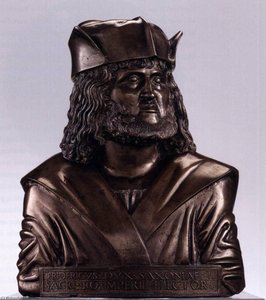
Related Articles

Bronze Age to Modern Masters: 10 Sculptures That Redefined Art | ArtsDot
Journey through art history with 10 legendary bronze sculptures – from Michelangelo's David to Rodin’s Thinker. Explore the stories, techniques & timeless beauty of these masterpieces. Find museum-quality reproductions & elevate your home decor on ArtsDot.com.

Bronze Sculptures That Defined Art History | ArtsDot
Journey through art history with our Top 10 bronze sculptures! Explore masterpieces by Rodin, Michelangelo & more. Discover stories behind iconic statues and find museum-quality reproductions for your home decor at ArtsDot.com.

The Enduring Legacy of Bronze: A Historical & Artistic Exploration for the Collector
Explore the rich history & enduring appeal of bronze sculpture with expert insights for collectors at ArtsDot. Learn about casting techniques, iconic artists, collecting tips & contemporary interpretations.
The Enduring Legacy of Bronze: History, Technique & Artistic Expression for the Collector
Explore the rich history & enduring appeal of bronze sculpture with expert insights for collectors at ArtsDot. Learn about casting techniques, iconic artists, and collecting tips.

The Enduring Legacy of Bronze Sculpture: A Collector's Guide to Form & Cultural Significance
Explore the rich history & enduring appeal of bronze sculpture with expert insights for collectors at ArtsDot. Learn about casting techniques, iconic artists, and collecting tips to build a discerning art collection.